Hertz Website Traffic Jumps 15% as TSA Crisis Sends Millions to Road Trips
Hertz.com didn’t run a Super Bowl ad. It didn’t cut a celebrity deal or launch a loyalty blitz. It just watched search traffic surge 15% in a single week while 50,000 TSA officers stood at airport checkpoints across America, many of them cashing zero-dollar paychecks by mid-March after the DHS funding lapse ground federal pay to a halt. That’s not marketing. That’s a crisis creating customers.
On March 26, Hertz shares jumped 9.15% in a single session. The story behind that number is messier, more damaging, and far more interesting than a traffic spike.
TSA’s Breaking Point Hit Travelers Where It Hurts
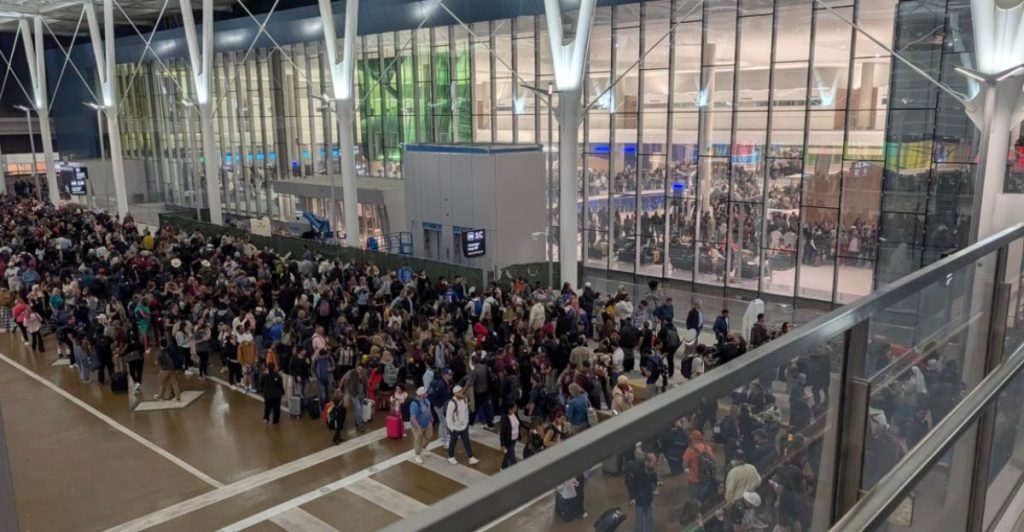
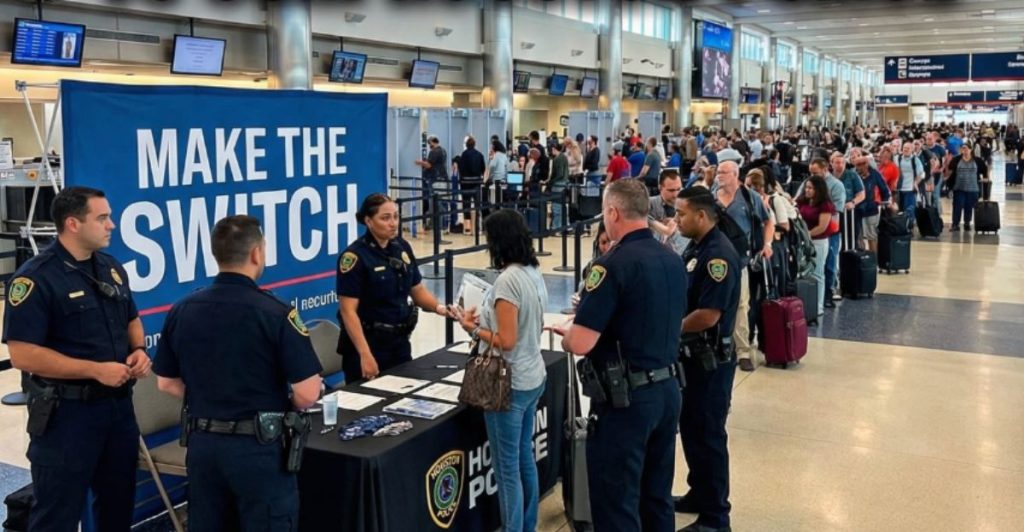
The partial DHS shutdown started Valentine’s Day — February 14, 2026 — and nobody fixed it. By late March, more than 480 TSA officers had quit outright, according to Reuters, part of a growing pattern of attrition that had already forced a prior shutdown response just months earlier. On the worst days, absence rates at individual airports were 3 to 4 times the national baseline.
Passengers at Houston George Bush, Atlanta Hartsfield-Jackson, and JFK were staring down four-and-a-half-hour lines just to reach a checkpoint. Acting TSA Administrator Ha Nguyen McNeill told a House committee the agency was recording the longest security wait times in its history. That’s not a staffing shortage. That’s a collapse.
Hertz Smelled It and Moved
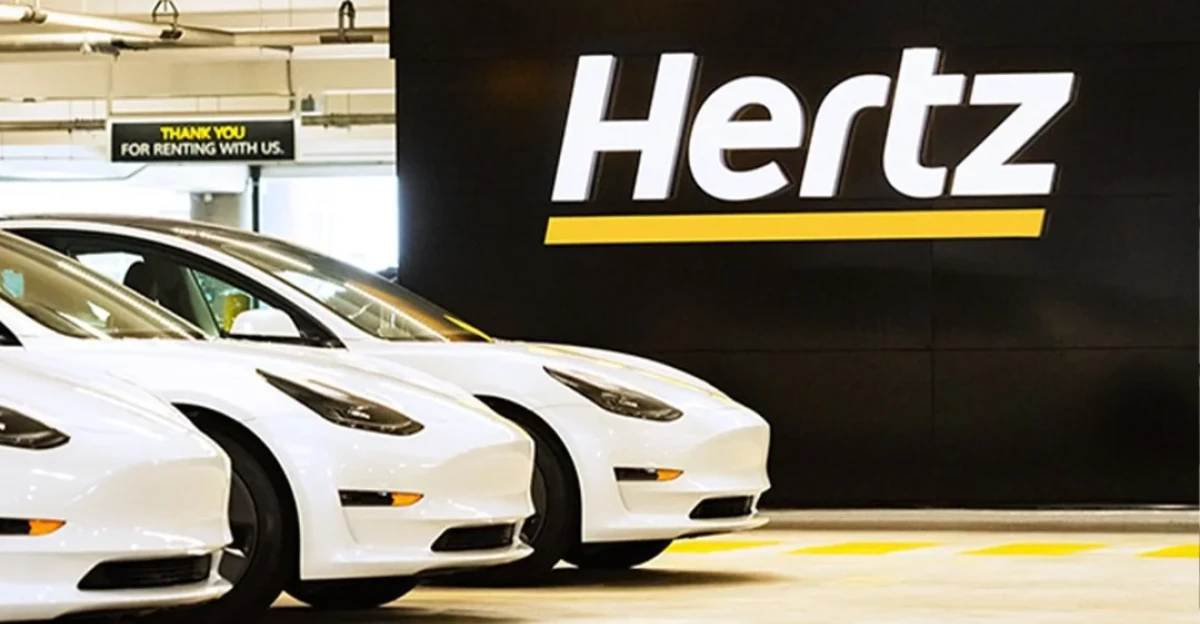
The moment airport chaos hit critical mass, Hertz didn’t wait for the news cycle to find them. On March 26, the company issued a press release practically daring travelers to ditch their flights. “For travelers missing or delaying vacations because of long TSA lines, Hertz has a solution to stay in control of travel plans: get in the car and go,” the company announced, rolling out discounts of up to 25% on last-minute reservations and one-way rentals.
Their own internal data backed the play: one in three current customers was already renting specifically for road trips and driving vacations. The vehicles clearing out first were full-size SUVs and minivans — exactly what families loading up for ten-hour drives need, and exactly what Hertz’s ICE-heavy fleet had in supply.
Avis Rallied Too, But for All the Wrong Reasons
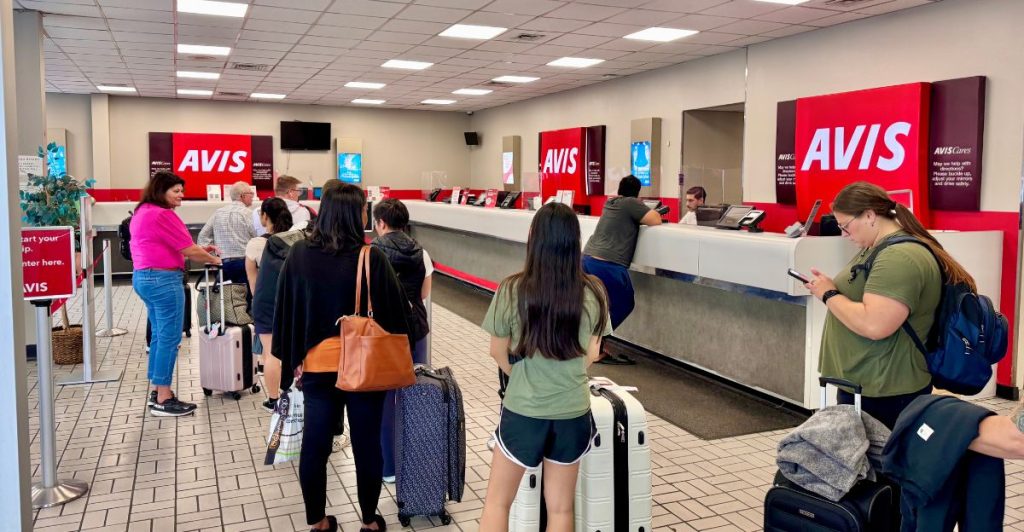
Avis Budget Group shares surged 17% the same day, riding Hertz’s coattails straight into the news cycle. Avis didn’t earn that pop. Just six weeks earlier, on the February 18 earnings call, CEO Brian Choi told investors the company had “turned a challenging fourth quarter into a catalyst for meaningful change.”
What Q4 actually looked like: a net loss of $856 million, driven largely by a $518 million impairment charge against its U.S. electric vehicle fleet, per its earnings release. Three weeks after that call, it was its competitor that was changing, and Avis was tagging along for the ride.
The EV Gamble That Cost Avis Half a Billion
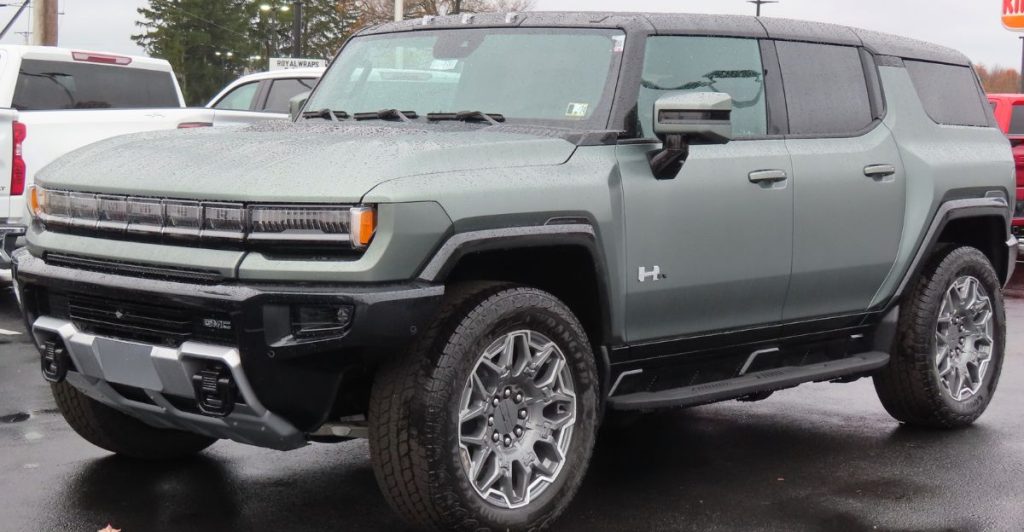
The $518 million EV write-down wasn’t a rounding error; it was a strategic admission of defeat, on paper, in front of shareholders. Avis had leaned into electric vehicle fleet expansion while Hertz quietly walked back its own EV gamble and restructured. In late 2025, Avis sold off a portion of its EV inventory to a joint venture for cash proceeds, vehicles that were no longer worth keeping, and were now no longer available to rent.
When the TSA crisis created a surge in last-minute demand for full-size SUVs and traditional ICE vehicles, Avis had already bled out the fleet that would have met it. It wasn’t just a balance sheet problem. It was a parking lot problem.
Hertz’s Numbers Tell a Leaner Story
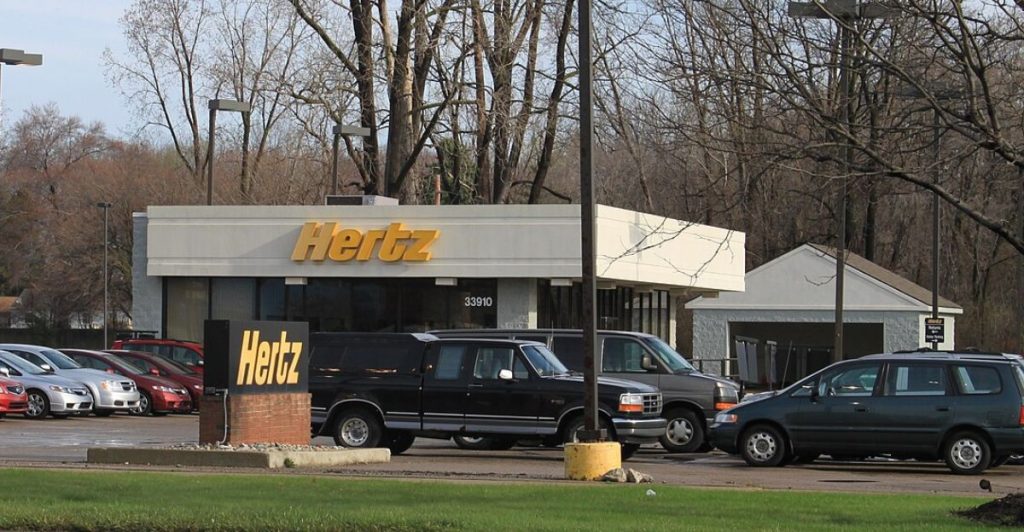
Hertz came into this moment having done the work. The company posted $2.03 billion in Q4 2025 revenue, with fleet utilization at 78%, a metric that averaged 81% for the full year, a 200 basis point improvement year over year, per its earnings report. Its fleet strategy cut depreciation per unit 44% year over year. When you’re cycling hundreds of thousands of vehicles a year through airports, accidents, and auction lots, every dollar saved per unit on depreciation is the difference between a fleet that prints money and a fleet that bleeds it.
Hertz spent 2024 slashing that number. Avis spent 2024 and 2025 writing off billions. When the same crisis hit both companies on the same day, one had dry powder, and the other had debt.
50,000 Workers, and a Human Cost Nobody Wants to Say Out Loud
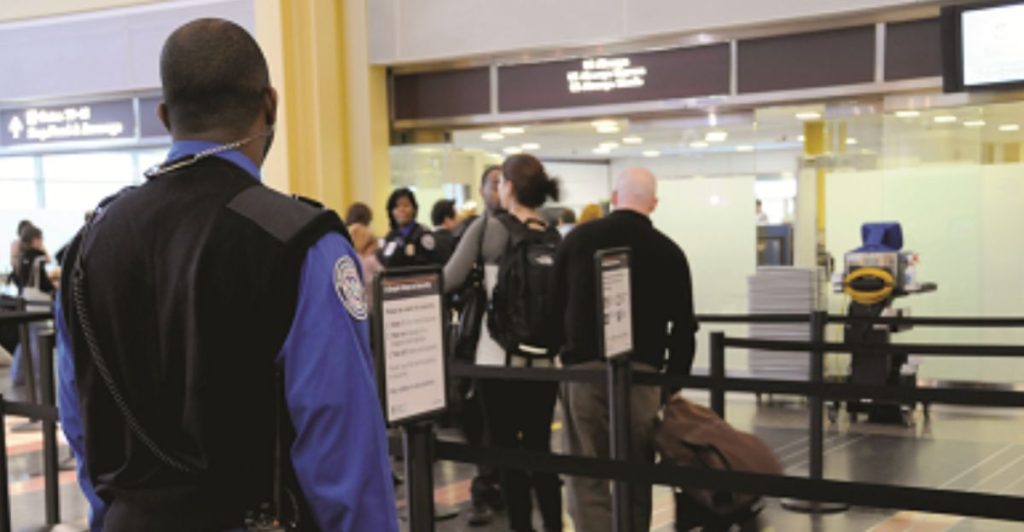
Behind every number in this story is a person in a uniform standing at a checkpoint they can’t afford to reach. Administrator McNeill told Congress directly: workers were “sleeping in their vehicles at airports to conserve fuel, selling their blood and plasma, and taking additional jobs to survive financially, all while being expected to perform at peak levels in uniform.”
The nationwide absence rate hit 11.8% on a single Sunday, more than 3,450 officers calling out in one day, per DHS figures. Since the shutdown began, assaults on TSA workers increased by more than 500%. Frustrated passengers are taking it out on the only people they can reach. Nobody in this equation asked for any of it.
Hertz Just Added Something Nobody Expected

While all this was unfolding, Hertz dropped a fleet announcement that would have gone unnoticed in a quieter news cycle: the INEOS Grenadier 4X4 is now available to rent at select U.S. airports this spring. This isn’t another forgettable crossover. The Grenadier is a body-on-frame off-roader built with BMW engines and solid axles, a vehicle designed for people who want to go somewhere paved roads aren’t required.
The Fieldmaster trim brings leather seats, heated front and rear, and safari windows to what is otherwise a serious working truck. For road-trippers ditching flights and heading into the backcountry, Hertz didn’t just hand them a set of keys. It handed them an upgrade.
The Window Is Closing — Fast
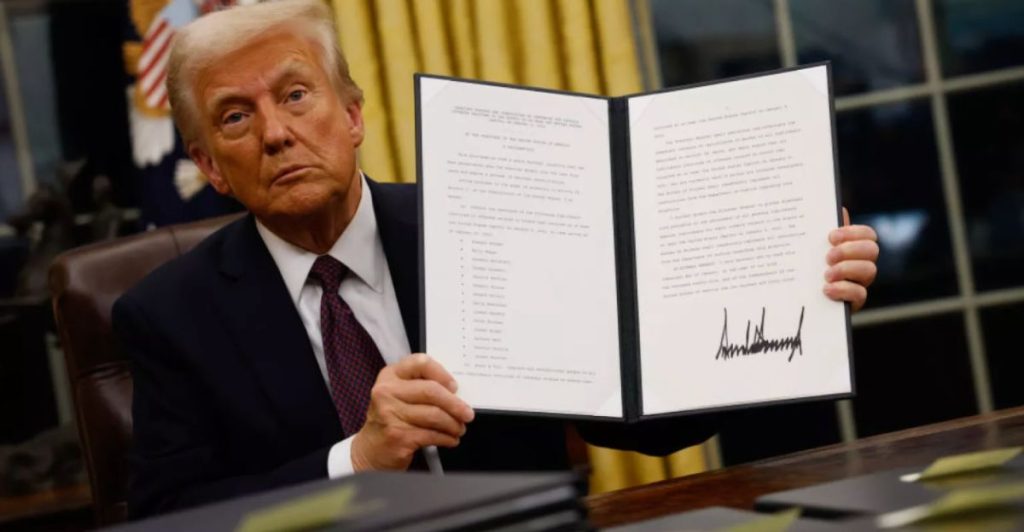
Here’s the twist: the stock charts haven’t fully priced in yet. On March 27, President Trump signed an executive order directing DHS to immediately pay TSA workers, with checks expected by the end of the week. The Senate also passed a DHS funding bill overnight, though a House vote was still needed before Congress broke for a two-week recess, per ABC News.
The crisis that drove a 15% traffic spike and sent car rental stocks soaring has an expiration date. Once checkpoint lines normalize, travelers who rented out of necessity go back to flying out of convenience. The rental companies know it. The question now is how much of this demand wave they can lock in before the reversal hits.
Fleet Discipline Beats Fleet Size When It Counts
This story isn’t really about a government shutdown or a traffic spike. It’s about what happens when two companies in the same industry face the same crisis after making opposite choices. Avis bet on EV fleet expansion, wrote off $518 million, and sold the inventory that road-trippers actually wanted. Hertz shed complexity, rebuilt its cost structure after bankruptcy, stocked the SUVs and ICE vehicles families need for a 600-mile drive, and entered 2026 with utilization at 78% and tightening depreciation.
When 480 unpaid TSA workers quit, and four-and-a-half-hour security lines turned spring break into a nightmare, one company had the balance sheet and the right vehicles on the lot to answer the call. The other had a press release about meaningful change.
Sources
Hertz Press Release: “Hertz Reports Jump in Search Traffic as Long TSA Lines Disrupt Travel” — Hertz Newsroom
Reuters: “TSA says 460 airport officers quit as standoff poses major security risks” — Reuters
McNeill Congressional Testimony via Reuters: “Long lines reported at major US airports as more TSA officers quit” — Reuters
Avis Budget Group Q4 2025 Earnings Release — Auto Rental News
Hertz Q4 2025 Earnings Report: “Hertz Transformation Drives Structural Revenue Gains” — Hertz Newsroom
ABC News: “Senate passes funding bill, Trump to sign emergency order to pay TSA agents” — ABC News