Hertz Dumps 30,000 Teslas At Half Price In $2.9B Loss As Americans Flee Back To Gas
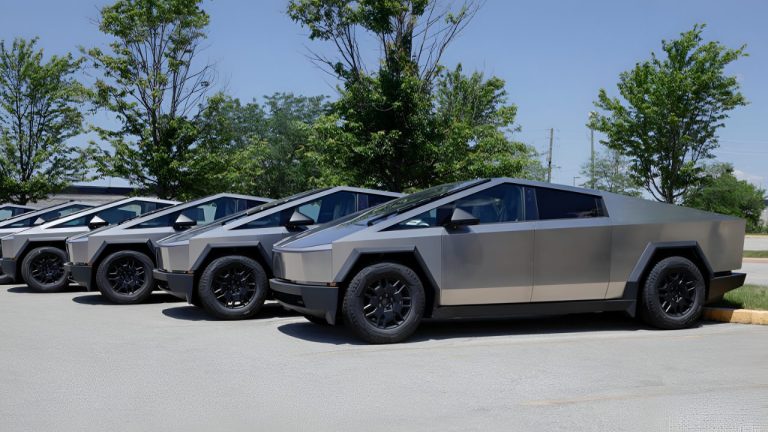
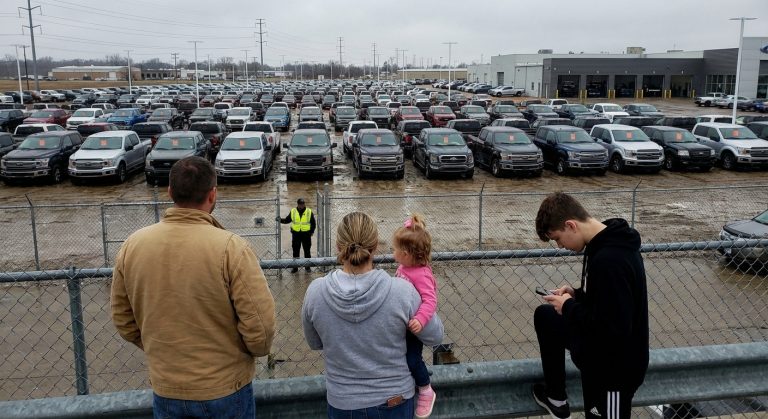
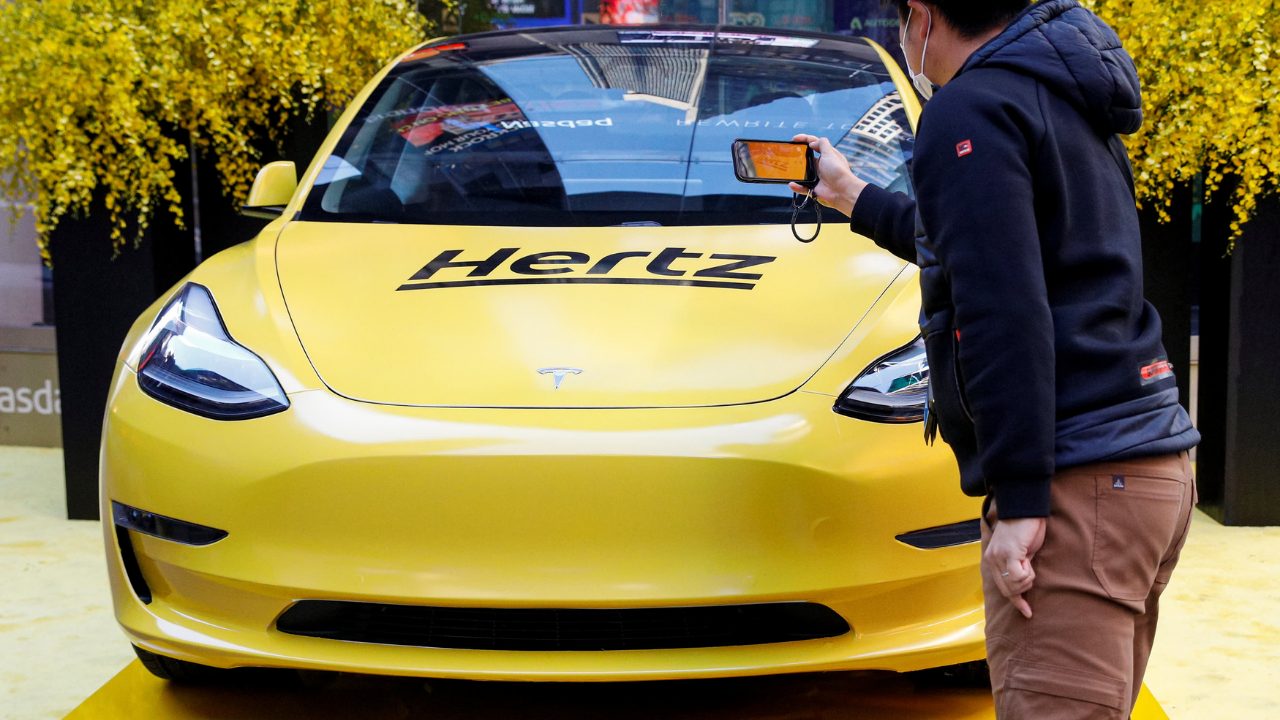
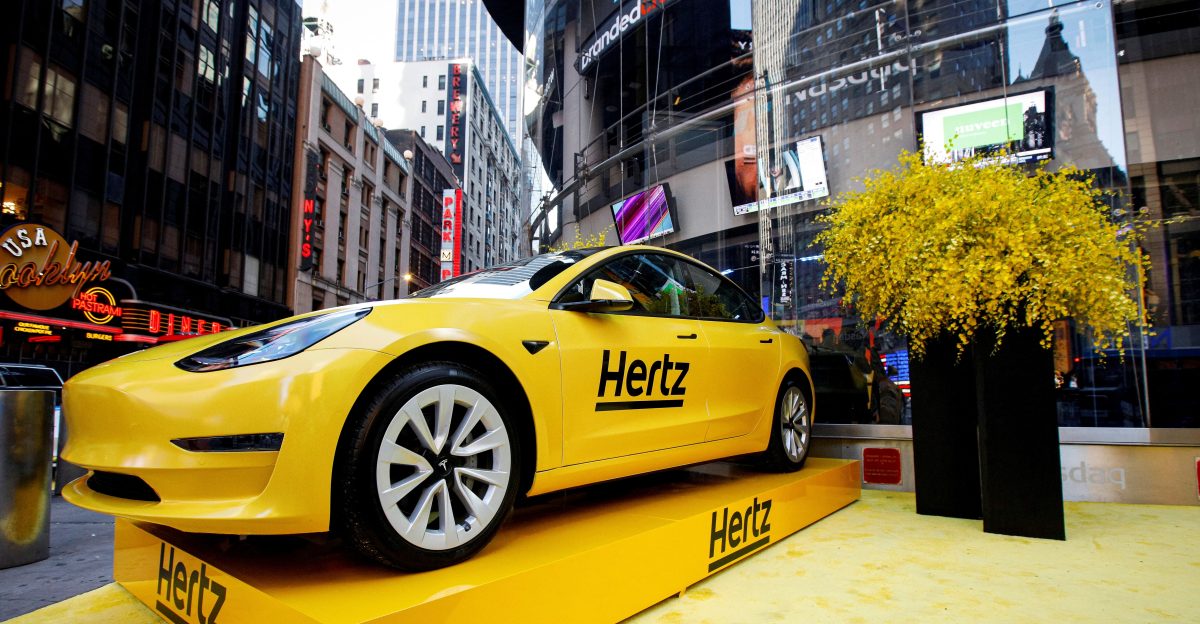
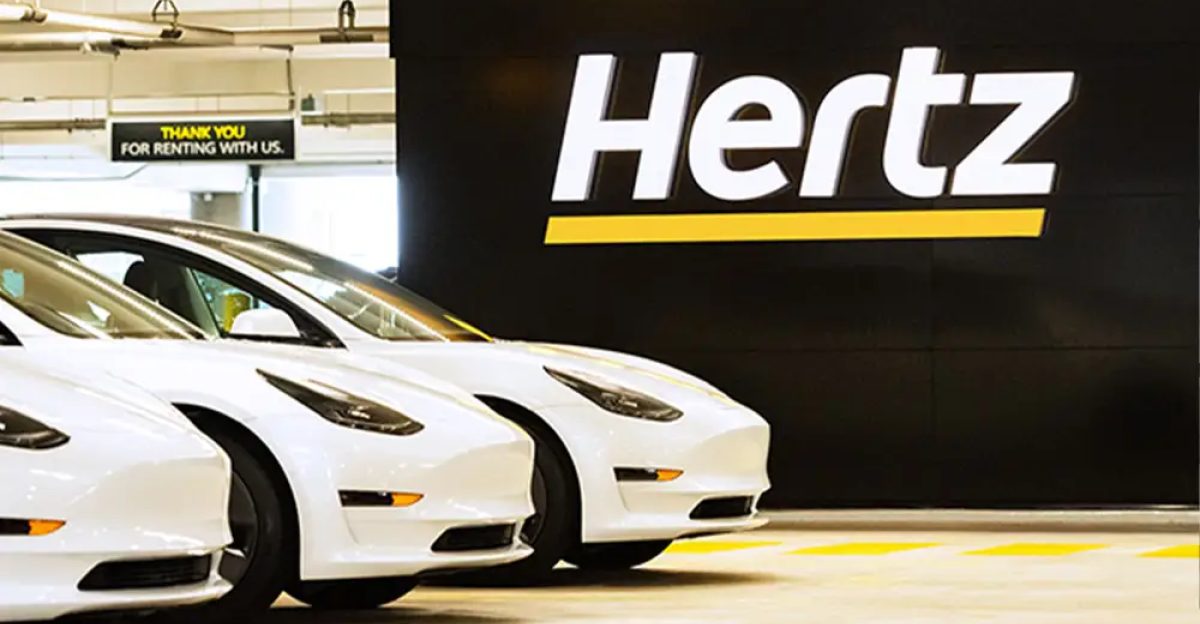
Rows of electric vehicles — predominantly Tesla Model 3s — lined a Hertz lot, waiting for buyers who never arrived. Vehicles that once cost $40,000 each sold for as little as $20,000. Thirty thousand cars, all marked down. Used rental cars became distressed inventory, auctioned off like furniture from a closed restaurant.
The largest rental car fleet loss in modern history came not from recession or disaster, but from the vehicles themselves. Hertz ended 2024 with a $2.9 billion net loss. The EV depreciation program was one of the main culprits.
Subsidy Mirage
A $7,500 federal tax credit made EVs seem like the rational choice for years. Buyers lined up, and market share climbed. By September 2025, battery-electric vehicles accounted for 11.3% of U.S. light-duty vehicle sales. The numbers suggested momentum and a future arriving on schedule.
The credit, however, did not build true demand. It temporarily boosted it. The entire growth curve matched one variable: government money in buyers’ hands. On September 30, 2025, the funding disappeared, and the market revealed its true preferences.
The Collapse

Within three months after the tax credit ended, BEV market share fell from 11.3% to under 6%. This marked the first annual decline in battery-electric sales in U.S. history — though Cox Automotive noted that 2025 was still the second-best year on record for total U.S. EV sales, with the full-year volume falling just 2% from 2024’s high and accounting for 7.8% of total new-vehicle market share.
Sales reversed course. Consumers stopped buying. Industry analysts noted a sharp drop in EV sales and the closure of several EV supplier facilities. Meanwhile, the EU increased its share of battery-electric vehicles to 19.3% in January 2026. The same technology moved in two directions on different continents, driven by policy support.
Artificial Demand

A 2023 Tesla Model Y lost approximately 42% of its value in three years, compared to a 2023 Ford F-150, which lost roughly 25–28%. EVs overall lose 58.8% of their value in five years, while gas cars lose 45.6%. These numbers reveal the effect of subsidies.
The policy shielded a product that struggled to maintain value without government help. Buyers who believed they were investing in the future saw their equity disappear. Thirty thousand Hertz EVs — most of them Teslas — sold at half price. Market share collapsed by 50% in one quarter. The technology did not fail; the financial support did.
Who Can Afford This

The average new-car MSRP reached $51,000 in 2025, while the median household income stood at $83,730. One-third of Americans can no longer afford new cars. For families earning $65,000 or less, only about 110 models remain affordable.
A record number of buyers signed up for monthly payments of $1,000 or more. Mark Barrott of Plante Moran explained, “We’re now relying on the extremely wealthy to generate the sales. That’s a structural problem from an affordability perspective.” The new-car market has become a gated community.
K-Shaped Market
The buyer profile shifted dramatically. In 2020, half of new-car purchasers earned under $100,000. By 2026, that share fell to 37%. Buyers earning over $200,000 rose from 18% of the market to 29% in five years.
Cox Automotive senior economist Charlie Chesbrough noted, “The average buyer here is much more affluent.” For middle-class families, the shift wasn’t a choice between electric and gas — it was an exit from new-car buying altogether. Those who remained in the market moved toward the only options still within reach: gas engines and hybrids. The remaining options within their budget all relied on gas engines.
The Flood Coming
About one million EVs are expected to come off leases between 2026 and 2028. The used EV price index fell significantly year over year, with average used EV transaction prices dropping into the high-$20,000s to low-$30,000s range. Nearly 30% of used EVs now cost less than $30,000. Consumer confidence in used EVs remains low, with surveys showing that only a small fraction of drivers believe EV batteries last longer than gas engines.
Rebate-eligible used EVs sell much faster than those without incentives. Even the least expensive options depend on government support.
The New Rule
This change extended far beyond a single bad quarter. The Trump EPA eliminated the 2009 Endangerment Finding and all greenhouse gas emission standards for model years 2012 through 2027 and beyond, calling it the largest deregulatory action in U.S. history. A 25% tariff affected all light vehicle imports. EV supplier facilities closed.
Every EV growth chart in America lines up with subsidy timing. When subsidies end, growth ends. The market never developed independent demand. This pattern now sets the precedent for future technology mandates.
Cold Reality
EVs lose 20% to 40% of their range in cold weather. At 20°F, a battery delivers about 70% of the range it provides at 70°F. Cabin heating alone uses 3 to 5 kilowatts continuously. For drivers in cold-weather states, a $50,000 vehicle can lose up to 40% of its range during winter.
Many U.S. consumers report that public charging is insufficiently available nearby. Charging demand grew in 2025, but the vehicle fleet expanded much more slowly. The infrastructure continues to fall behind the number of cars already on the road.
What Comes Next
Automakers are set to shift capital back to hybrid and gas platforms, undoing billions in EV investment. Chinese manufacturers, blocked by tariffs, now pay American influencers to promote vehicles that cannot be sold here. Consumer class-action lawsuits over EV value retention are likely ahead.
Those who kept their gas cars or bought hybrids saw what the market learned at a $2.9 billion cost: policy-driven adoption ends as soon as policy support disappears. The EV revolution ran on borrowed time, and the lease just expired.
Sources:
Carscoops | Hertz Finally Sells Off 30,000 EVs, Still Faces $2.9B Loss In 2024 | February 16, 2025
CBT News | November 2025 New-Vehicle Sales Decline as EV Tax Credit Ends | December 4, 2025
ACEA | New Car Registrations: -3.9% in January 2026; Battery-Electric 19.3% Market Share | February 23, 2026
The Street | $50,000 Average New Car Prices Are Here to Stay | February 13, 2026
ESG News | Trump Revokes U.S. Climate Endangerment Finding, Eliminates Vehicle Emissions Standards | February 15, 2026
WhichEV | Used EV Market Faces Confidence Crisis as Battery Fears Hold Back Next Phase of Adoption | January 27, 2026