Google’s $126B Robotaxi Floods Nashville Streets—62% Of Americans Refuse To Ride
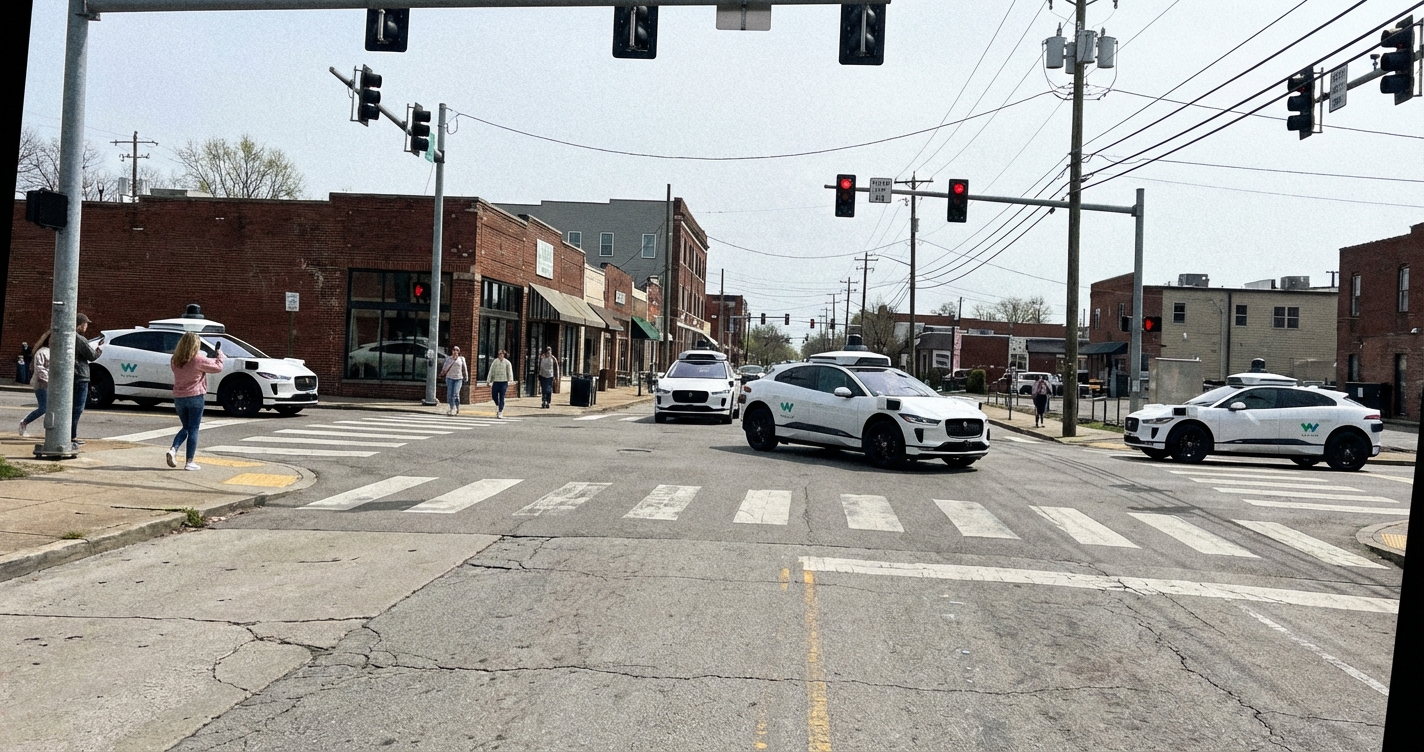
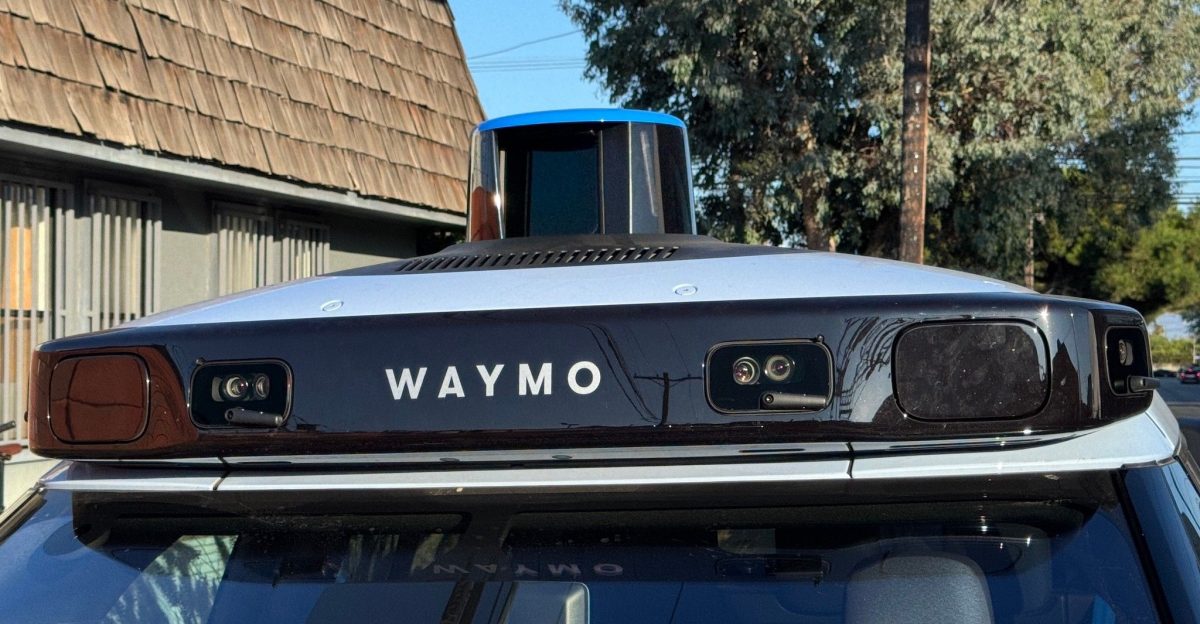
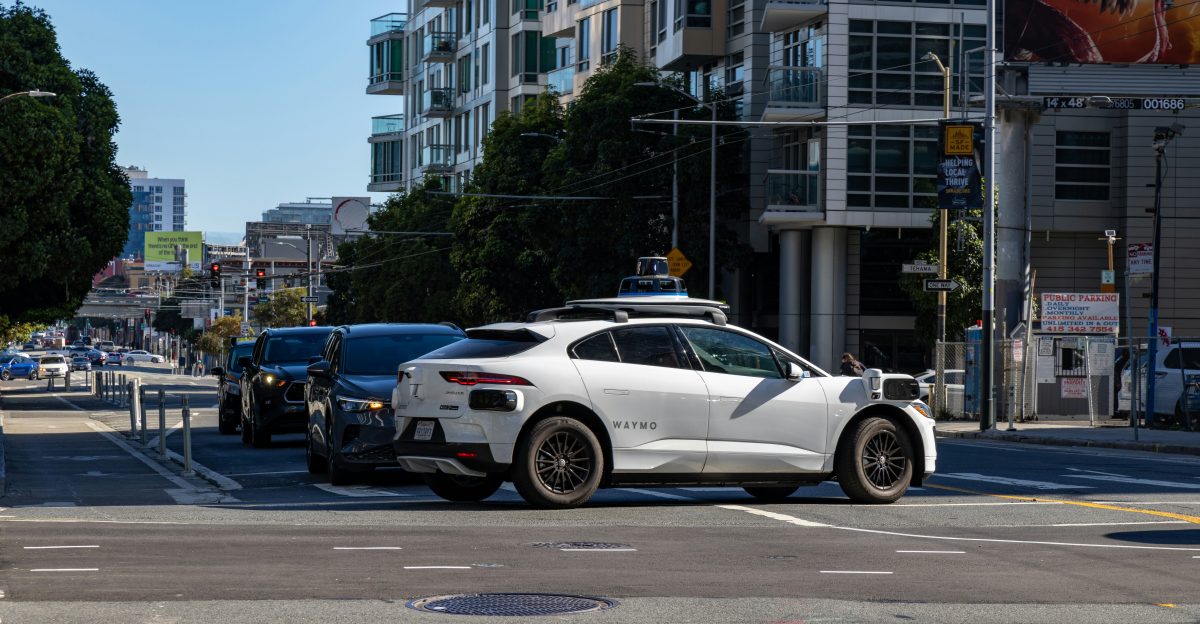
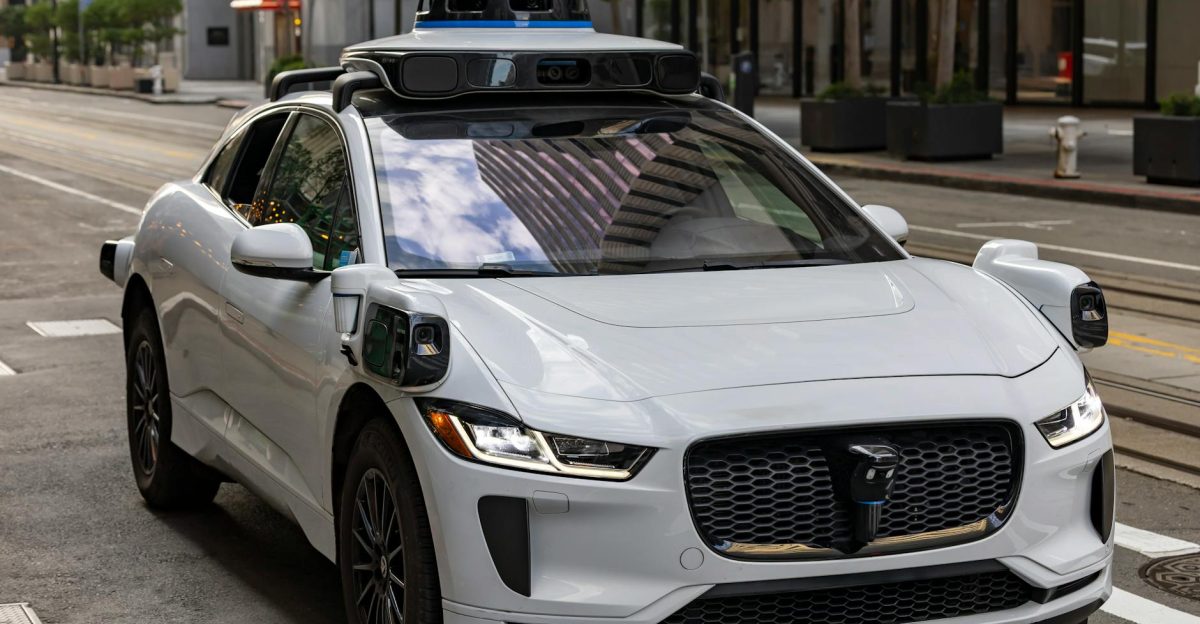
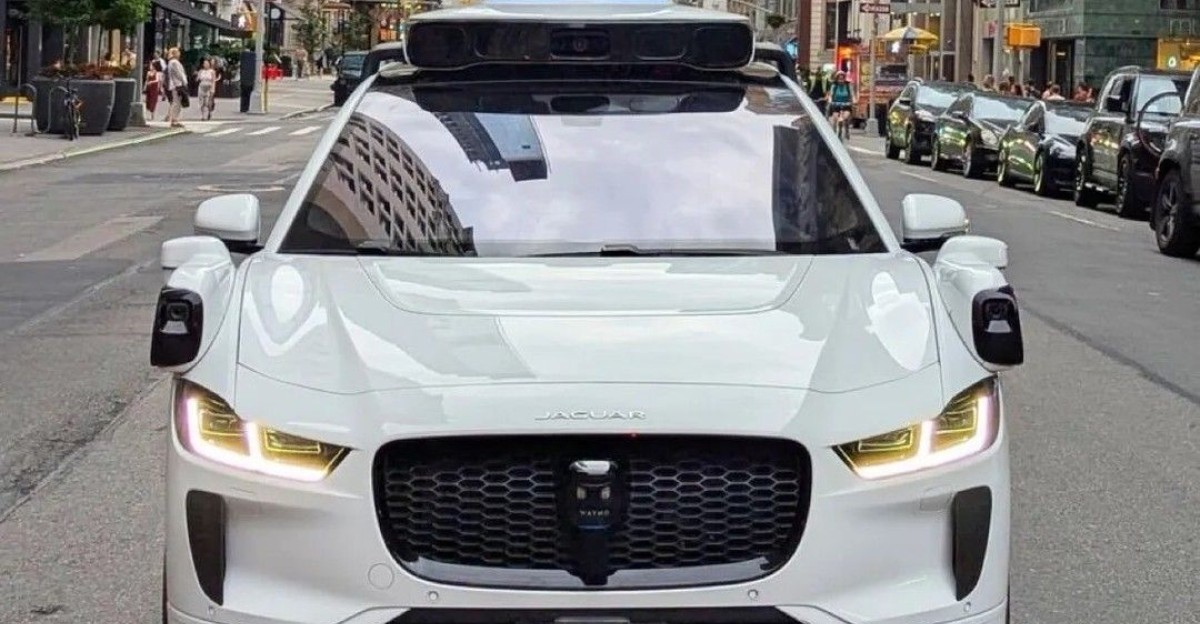
No driver behind the wheel. No hands on the steering wheel. Just a white Jaguar rolling through Lower Broadway on a Monday morning, sensors spinning, passengers in the back seat staring at a screen where a steering wheel used to matter.
Thousands of Nashville residents had already downloaded the app before the first public ride launched on April 7, 2026. Waymo’s robotaxis now roam a 60-square-mile stretch covering Midtown, East Nashville, and 12 South. The empty driver’s seat told the whole story, except for the part Waymo left out.
The Eleventh City in Eighteen Months
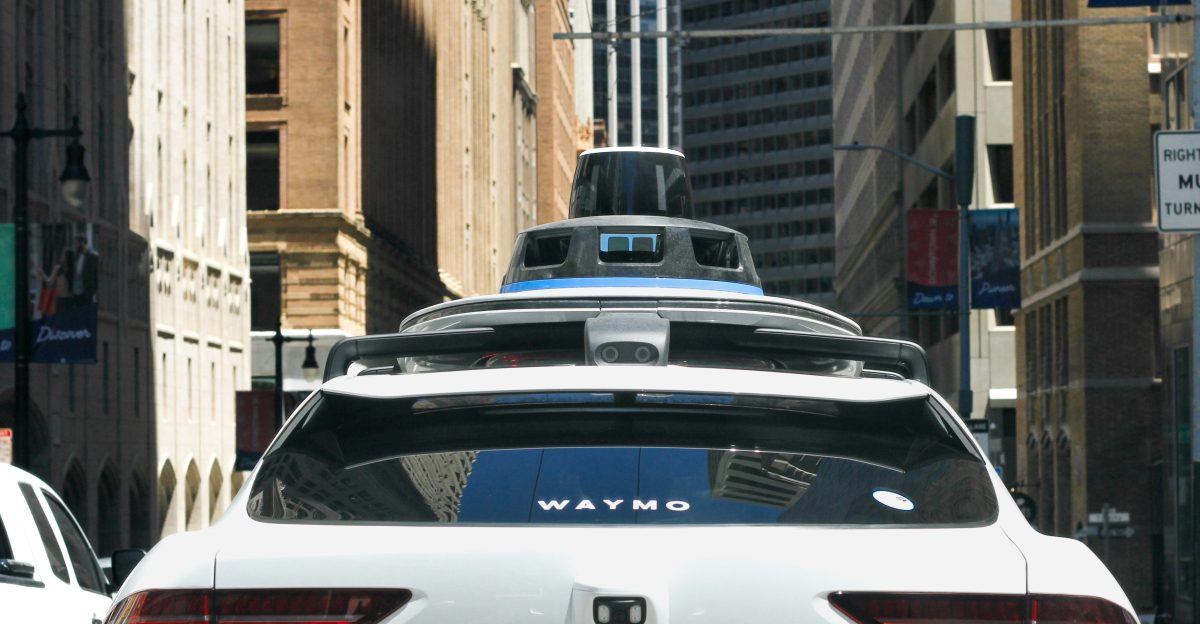
Nashville became Waymo’s 11th commercial robotaxi market, and the pace of expansion tells you everything about the money behind it. Four cities launched simultaneously in February 2026. Nashville followed weeks later. Twenty more are planned before the year ends, including Tokyo and London.
Alphabet’s autonomous vehicle unit raised $16 billion in February 2026, valuing the company at $126 billion, more than double its 2024 valuation. That kind of capital doesn’t wait for permission. It builds depots, hires fleet partners, and rolls vehicles onto streets before most residents know what’s coming.
The Safety Pitch That Sounds Too Clean
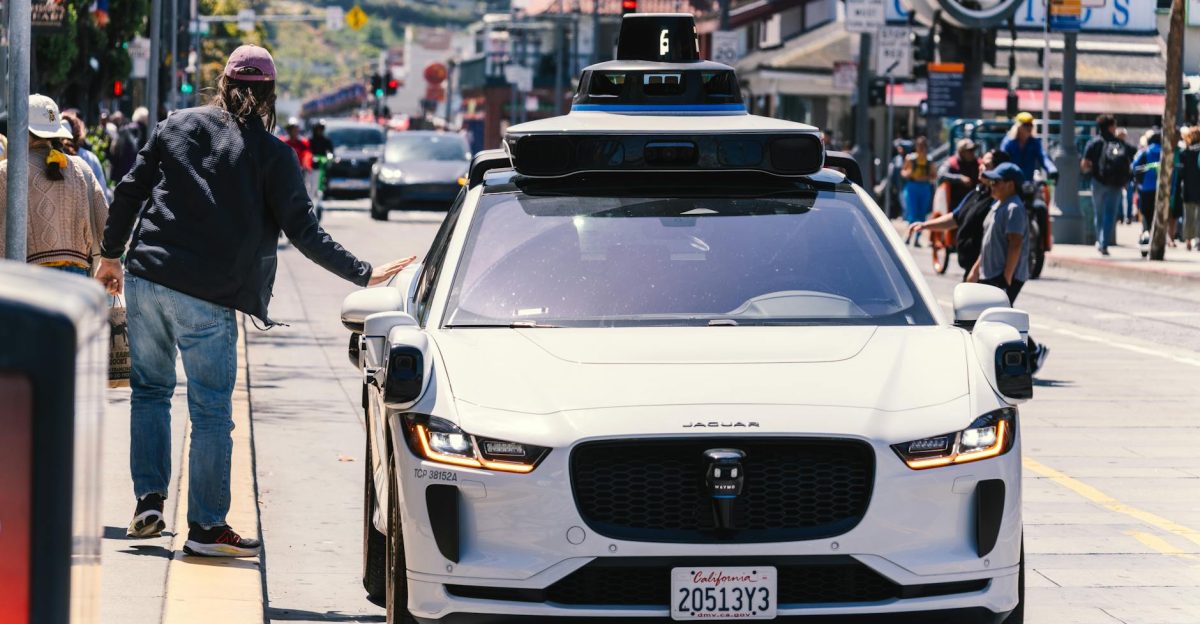
Waymo’s spokesperson said it plainly on launch day: “We have 500,000 trips a week across cities we serve, so think about that—that’s a lot of trips where it all goes right and we’re always safety delivering our passengers.” The company cites 170.7 million fully autonomous miles and 92% fewer serious injury crashes than human drivers. Sounds bulletproof.
But those stats compare Waymo to the entire human driving population, not trained rideshare professionals. That methodological choice flatters the numbers considerably, and it hides something the spokesperson didn’t mention.
Incidents Nobody Brought Up
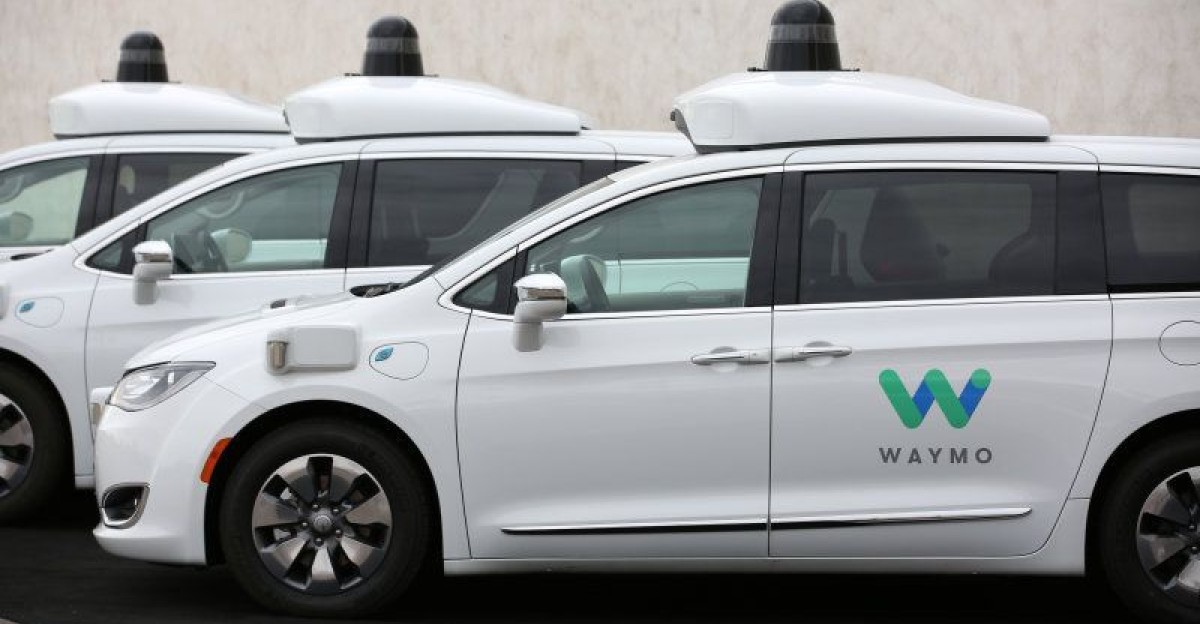
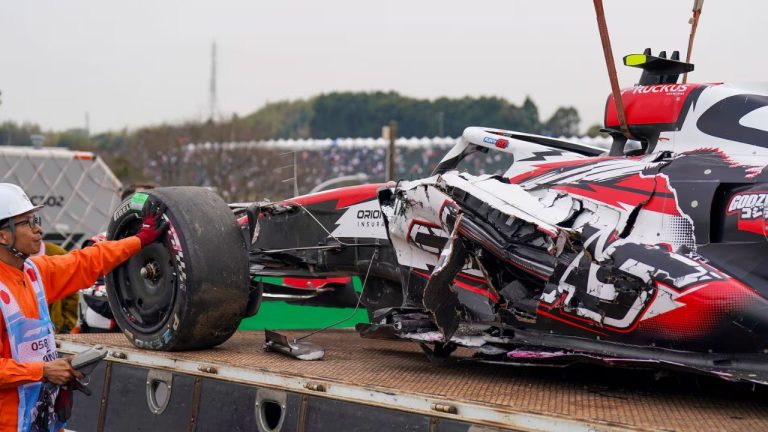
In 2024, NHTSA opened a federal investigation into 22 reported incidents involving Waymo vehicles. That probe closed in July 2025 without a recall. But new scrutiny followed. In October 2025, the agency opened a probe into Waymo vehicles illegally passing stopped school buses. In January 2026, it launched another after a Waymo vehicle struck a child near a school. In December 2025, Waymo recalled more than 3,000 vehicles over the school bus software flaw.
Months earlier, in June 2024, the company had recalled 672 cars because they couldn’t reliably detect poles. Poles. Fixed objects that don’t move. On Nashville’s launch day, federal regulators still had open investigations on the fleet. One software flaw across 11 cities affects every vehicle simultaneously. That concentrated risk is the part $126 billion cannot engineer away.
The Partner Who Absorbs the Risk
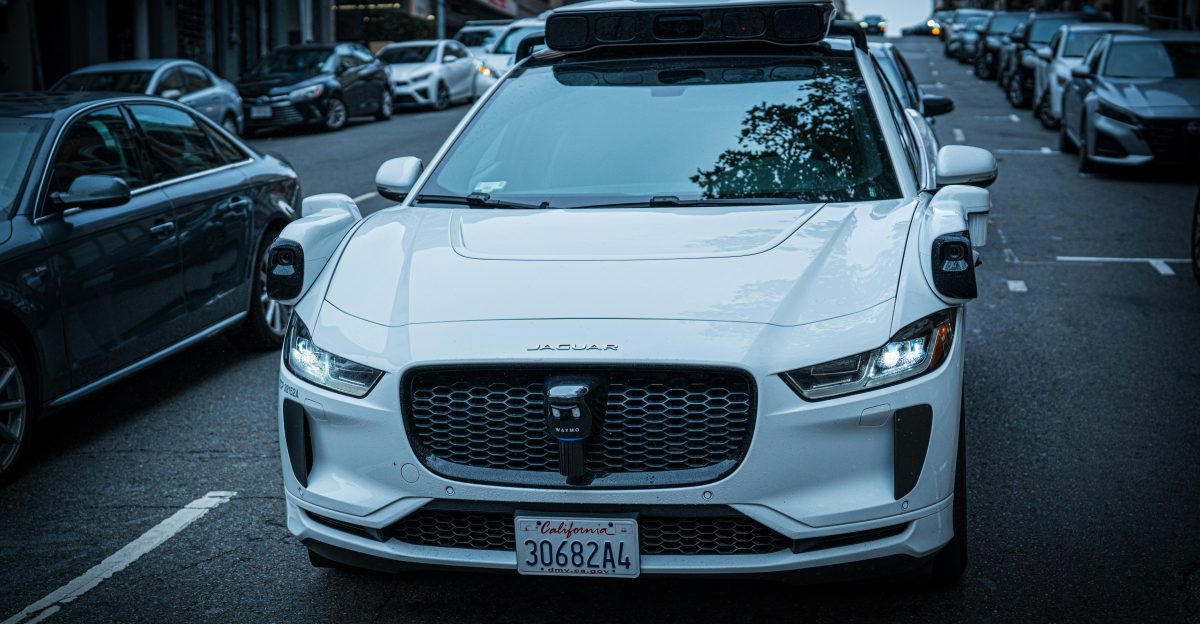
Waymo builds the software. Lyft, through its subsidiary Flexdrive, handles fleet management, charging, maintenance, and depot operations in Nashville. Lyft CEO David Risher called it “best-in-class autonomous vehicles with best-in-class customer experience.” Translation: Waymo keeps the technology and the upside. Flexdrive absorbs the operational liability.
Tennessee law requires $5 million in liability coverage per autonomous vehicle. That obligation sits with the operator, not the software maker. Waymo positioned itself as a technology supplier, not a transportation company, and that distinction matters when something goes wrong at 35 miles per hour.
The Numbers Behind the Curtain
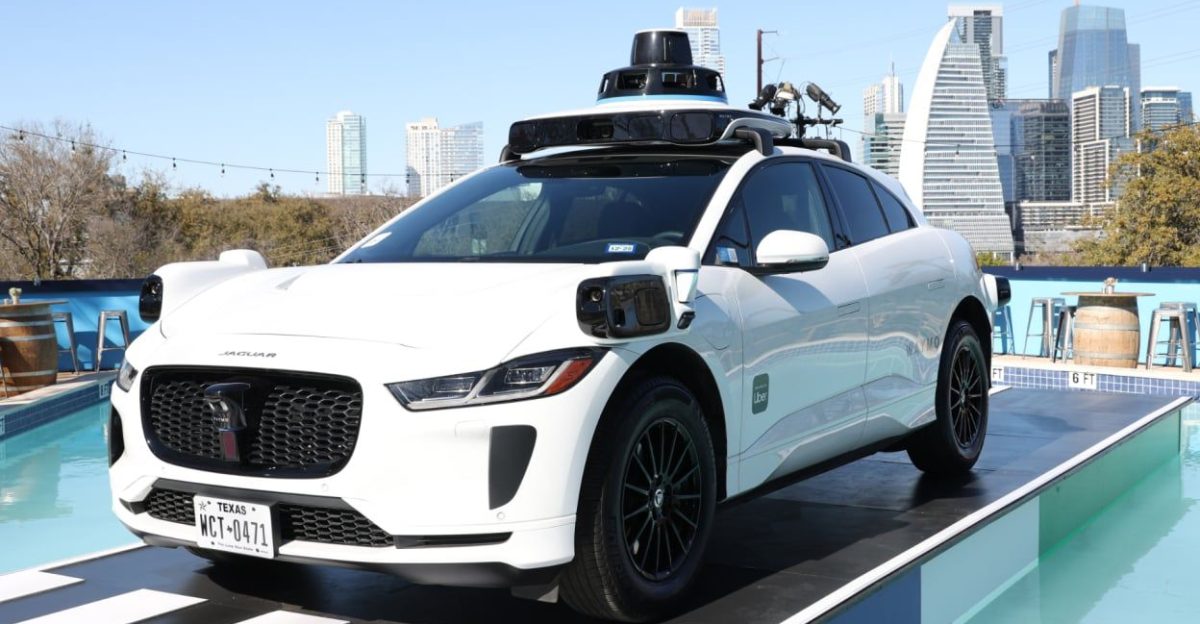
In the San Francisco Bay Area, Waymo’s average fare runs $19.69. Uber charges $17.47. Lyft charges $15.47. The robotaxi costs more than either human-driven alternative. Meanwhile, the company doubled weekly rides from 250,000 to 500,000 in less than a year and targets one million by December.
But reaching that target at current pricing means roughly $1 billion in annual ride revenue, against a $16 billion capital raise and a $126 billion valuation. The math requires perfection. One missed quarter, one federal recall, one pricing war with Tesla’s cheaper robotaxi fleet, and the entire model buckles.
Who Pays When the Robot Wins
A UC San Diego study of 4,631 Americans found 85% expect driverless cars to eliminate ride-hailing and delivery jobs. That fear isn’t irrational. Every Waymo ride that replaces a human driver compresses income for the working-class workforce that built rideshare into a $100 billion industry. Taxi medallion values erode.
Public transit agencies lose riders on high-value corridors. In Santa Monica, the city council unanimously ordered Waymo to stop overnight charging after 56 vehicles created an 11pm-to-6am noise cycle that wrecked residents’ sleep. Communities absorb the externalities. Shareholders collect the returns.
The Ceiling Money Cannot Buy
More than 62% of Americans said they would probably or definitely avoid riding in a driverless car. Not because the technology failed. Because they don’t trust it, and because they fear what it means for their livelihoods. Waymo’s dominance exists partly because its biggest competitor, Cruise, shut down its robotaxi operations in December 2024 after a safety crisis.
Capital abundance and competitor collapse created a monopoly. But monopoly doesn’t equal adoption. Once you see it, the pattern is clear: Waymo solved the engineering. It hasn’t solved the public. That gap sets a precedent no funding round addresses.
The Dominoes Still Standing
If NHTSA’s ongoing investigations find systematic software flaws, a fleet-wide recall hits all 11 cities at once. If pricing pressure from Tesla’s cheaper robotaxi forces Waymo below $15 a ride, venture returns evaporate and capital dries up.
City councils, following Santa Monica’s lead, could impose per-ride taxes, overnight charging bans, or fleet caps. Rideshare drivers and transit unions are already organizing coalitions demanding job protections before further expansion. Waymo built the fastest-growing autonomous fleet in history. The resistance forming around it is growing just as fast.
The Bet Nashville Didn’t Vote On
Tennessee Governor Bill Lee praised Waymo for expanding mobility in ways the state couldn’t achieve on its own and accelerating economic growth. Nobody asked the city’s rideshare drivers if they agreed. Waymo plans 20-plus new cities by year’s end. London and Tokyo are on the list.
The company proved autonomous vehicles can scale. What it proved equally well, and what most people still miss, is that the real bottleneck was never the technology. It was whether Americans would choose to sit in the back seat. So far, most of them won’t.
Sources:
NewsChannel 5 (WTVF) — “Waymo officially launches its self-driving public rides in Nashville” — April 7, 2026
Waymo Blog — “Accelerating our global growth: Waymo raises $16 billion investment round” — February 2026
Waymo Blog (Safety Impact Hub) — “Waymo safety impact update: 170M miles” — March 19, 2026
Lyft Investor Relations — “Lyft and Waymo Launch Partnership to Expand Autonomous Mobility to Nashville” — September 17, 2025
UC San Diego Today — “Americans Don’t Just Fear Driverless Cars Will Crash—They Fear Mass Job Loss” — March 4, 2026
Reuters — “US opens probe after Waymo self-driving vehicle strikes child near school” — January 29, 2026