GM Sued Over Putting Its Smallest Engine In SUVs After It Destroys Itself
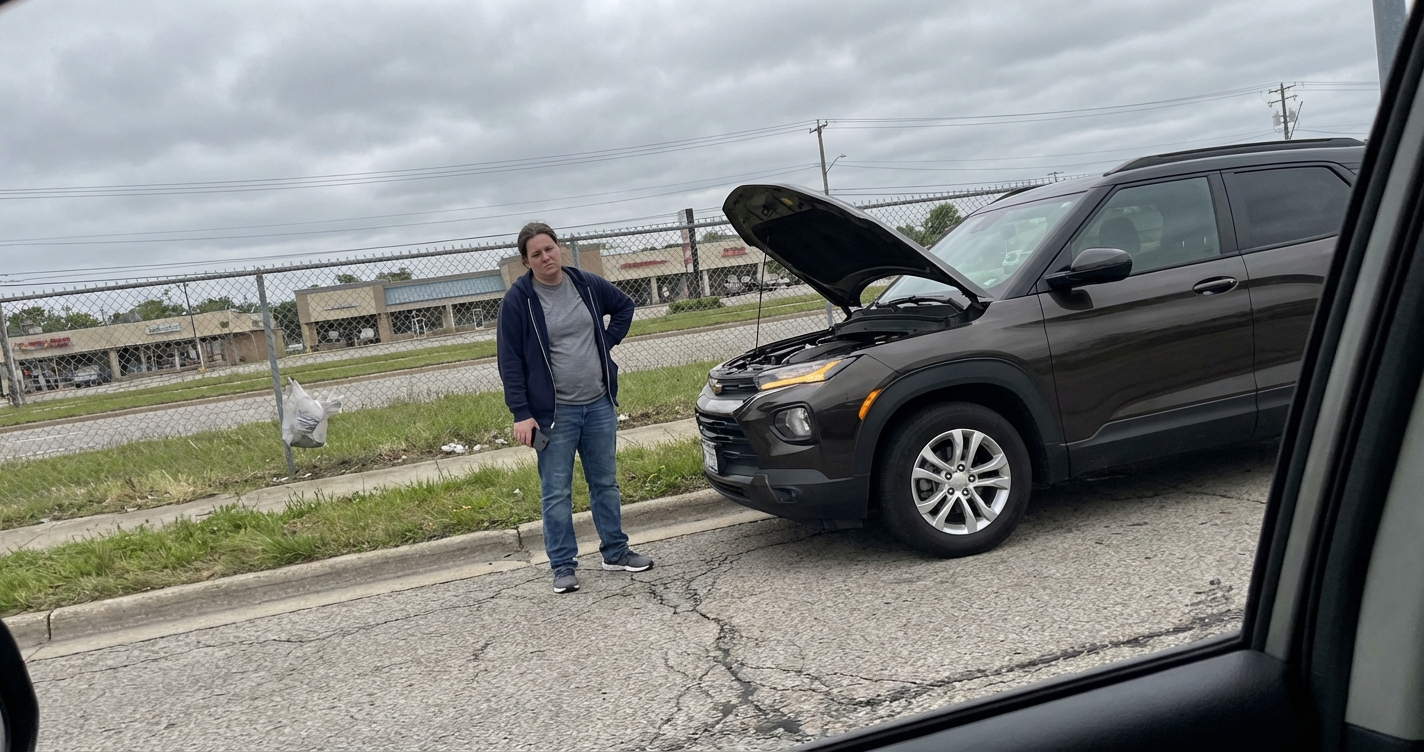
The engine light flickers first. Then the shudder through the steering column, the kind that makes a parent glance at the rearview mirror before pulling to the shoulder. Across the country, owners of GM’s small SUVs and compact crossovers have been describing the same sequence: warning signs, then silence. The 1.2-liter engine under the hood, the smallest in GM’s current lineup, allegedly gives up without drama. A class-action lawsuit filed in March 2026 says that the pattern points to a defect, not bad luck.
Small Engine, Big Problems
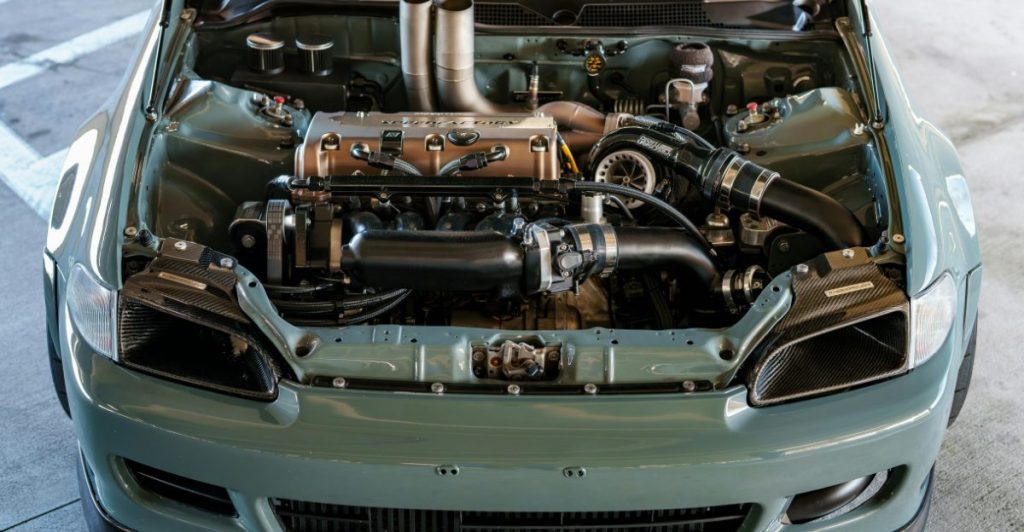
That 1.2-liter displacement was supposed to signal smart engineering. Smaller, lighter, more efficient. The kind of powertrain families pick when gas mileage matters more than horsepower. GM installed it across small SUVs and compacts—the 2024-present Buick Encore, Envista, and Chevrolet Trailblazer and Trax—vehicles built for school runs and grocery hauls. The lawsuit alleges those owners got something else entirely: an engine that can suffer catastrophic failure under normal use. Not from neglect. Not from abuse. From connecting-rod damage to oil starvation to engine-block failures, the complaint says GM should have caught them. Efficiency was the sales pitch. Reliability was the assumption.
No Recall Means Nothing
Most people assume the same thing: if the problem were real, GM would issue a recall. That assumption is the trap. No official NHTSA recall exists for this engine. Owners can check their VIN on NHTSA’s database right now and find nothing flagged. The lawsuit’s very existence challenges that comfort. NHTSA’s recall system and the civil court system operate on completely different triggers and timelines. One requires a regulatory threshold. The other requires a plaintiff and a filing fee. Silence from one doesn’t mean safety from both.
The Real Defect
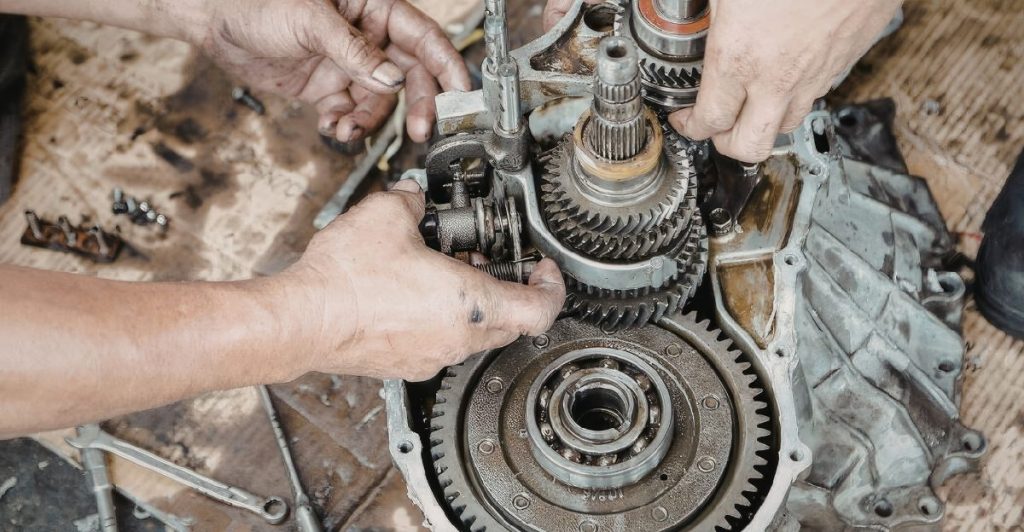
The alleged engine failure is only half the story. The deeper problem is who absorbs the cost while the system sorts itself out. Owners face repair bills—sometimes well beyond warranty coverage. Resale values soften the moment powertrain reliability comes into question. And without a recall, there’s no manufacturer obligation to cover a dime. Alleged failure. Out-of-pocket repairs. No recall backstop. That’s the sequence. The lawsuit filed by plaintiffs Samantha and Donna Cook in Delaware federal court alleges that GM knew about the defect pathway since 2022 and sold the vehicles anyway, which is why this landed in federal court rather than as a service bulletin.
Two Tracks, One Gap

Here’s the mechanism most owners never see. America runs two separate accountability systems for defective vehicles. NHTSA can force a recall through regulatory channels. Courts can force compensation through litigation. They don’t talk to each other. They don’t share timelines. A manufacturer can face a class action for years without issuing a single recall, because the triggers are fundamentally different. Lawsuits like this one can serve as a shadow pressure system, compelling technical disclosures that the recall process hasn’t yet demanded. Owners sit in the gap between both.
Wallet Damage
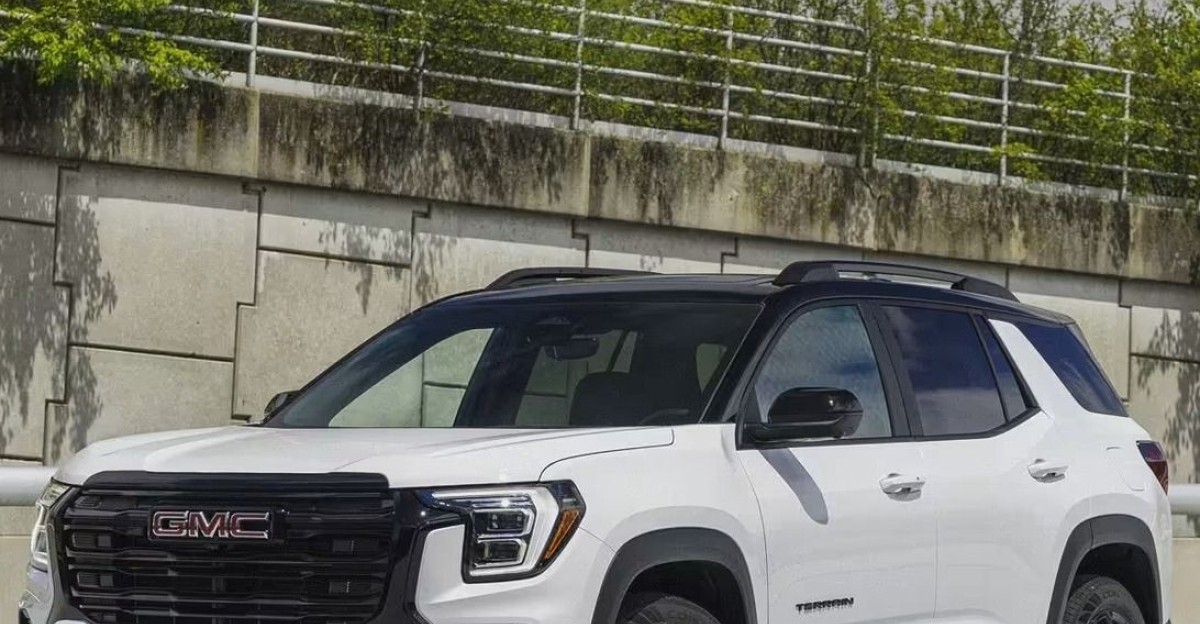
Powertrain reliability is the single biggest driver of ownership cost and resale value in mainstream consumer guidance. When an engine earns a reputation for failure, the financial hit extends far beyond the repair shop. Used-car buyers check reliability ratings before writing checks. Dealers adjust trade-in offers. A 1.2-liter engine with a class-action cloud over it becomes a line item that depresses value across every vehicle it powers. The owners who bought for efficiency may discover they’re subsidizing a legal fight they didn’t sign up for.
Next Domino

The ripple extends past current owners. Used-car buyers who inherit these vehicles may never see a recall flag on a VIN check, because none exists. They buy the car, they buy the risk, and they buy it blind. Competitors and dealers already use reliability narratives to steer customers toward other brands. Every filing, every amended complaint, every new plaintiff widens the class definition and deepens the cloud. GM’s small-engine strategy was built for volume. Volume means the exposure multiplies with every sale that has already closed.
New Rule
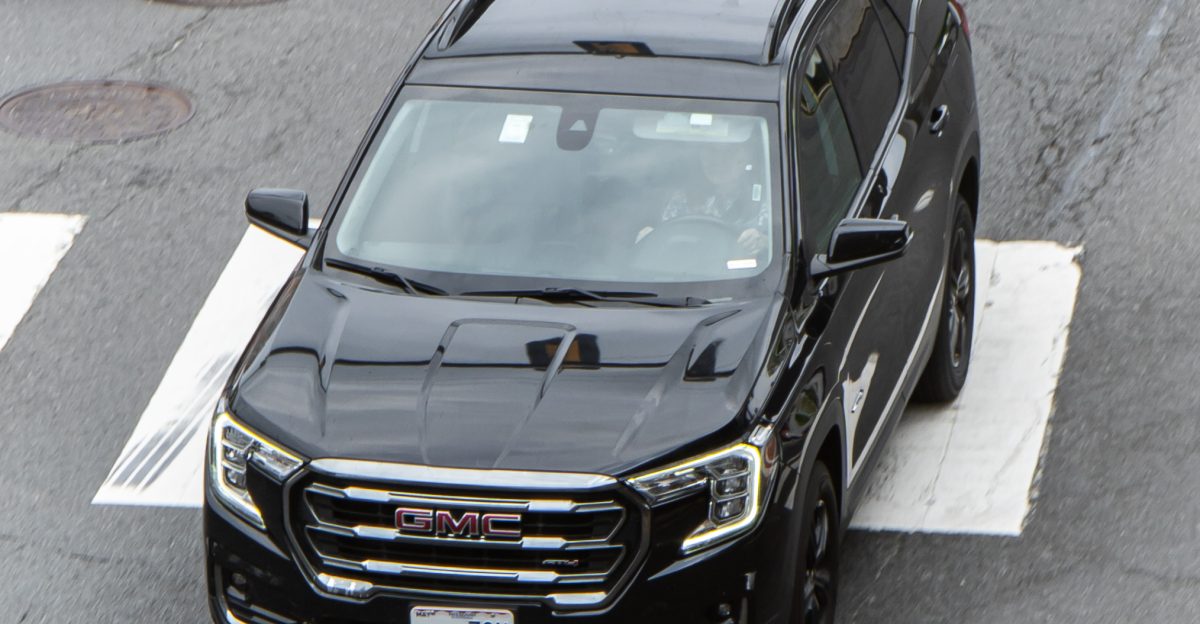
This case could set a template. Litigation pressuring technical disclosures and extended coverage even when regulators haven’t moved is becoming the norm, not the exception. “No recall” doesn’t mean “no problem.” It can mean “no trigger yet.” Once that distinction clicks, every vehicle owner in America starts reading the fine print differently. The precedent here isn’t just about one 1.2-liter engine. It’s about whether courts become the default accountability mechanism when the recall system stays silent on alleged defects that owners live with daily.
GM’s Options

GM can fight this on multiple fronts. Seek dismissal. Compel arbitration if purchase agreements allow it. Narrow the class definition until the lawsuit covers a fraction of affected owners. Every one of those moves buys time. None of them fixes an engine. Meanwhile, the complaint can be amended, the class can expand, and additional filings from other jurisdictions can pile on. The longer the litigation drags on without resolution, the longer owners carry repair costs with no guarantee that anyone will reimburse them. The clock favors the company with the legal budget. Discovery may reveal what GM knew and when through internal dealership reports and technical service bulletins—some dating back to 2022.
Your Move
The owners who come out ahead will be the ones who act like investigators, not passengers. Check the VIN on NHTSA’s recall page today. Document every warning light, every dealer visit, every repair receipt through GM’s owner portal. That paper trail becomes evidence if the class expands. Most people will wait for a recall that may never come. The few who build a file now become the ones with leverage later. Knowing the difference between “no recall” and “no problem” is worth more than any repair estimate sitting in a glovebox.
Sources:
CarComplaints.com, “GM 1.2-Liter Turbo Engine Problems Cause Class Action Lawsuit,” March 7, 2026
MSN Auto News (referenced multiple times in Slides 1, 4, and 8 as a primary source for the lawsuit coverage), 2024 as dated in the article
NHTSA Recall Database (referenced in Slides 3, 5, 7, and 10 for recall status verification
CourtListener (referenced in Slides 5, 8, and 9 for court filing details)
Kelley Blue Book (referenced in Slide 6 for resale and ownership cost context)
Consumer Reports (referenced in Slide 6 alongside Kelley Blue Book for reliability guidance)