GM Sold Americans’ Driving Data Every 3 Seconds To Insurers—Texas Seeks $18 Billion For Rates Increase
Every three seconds, your car was recording you. Hard braking at a yellow light. A late-night grocery run. Doing seventy-three in a sixty-five. This wasn’t a dashcam or a crash recorder. It was a full-blown behavioral surveillance system baked into 14 million Chevrolets, Buicks, GMCs, and Cadillacs through GM’s OnStar Smart Driver program. It logged your acceleration, your turns, your speed — all of it. You didn’t ask for it. You probably didn’t even know. But someone was buying every bit of it.
The Sales Pitch
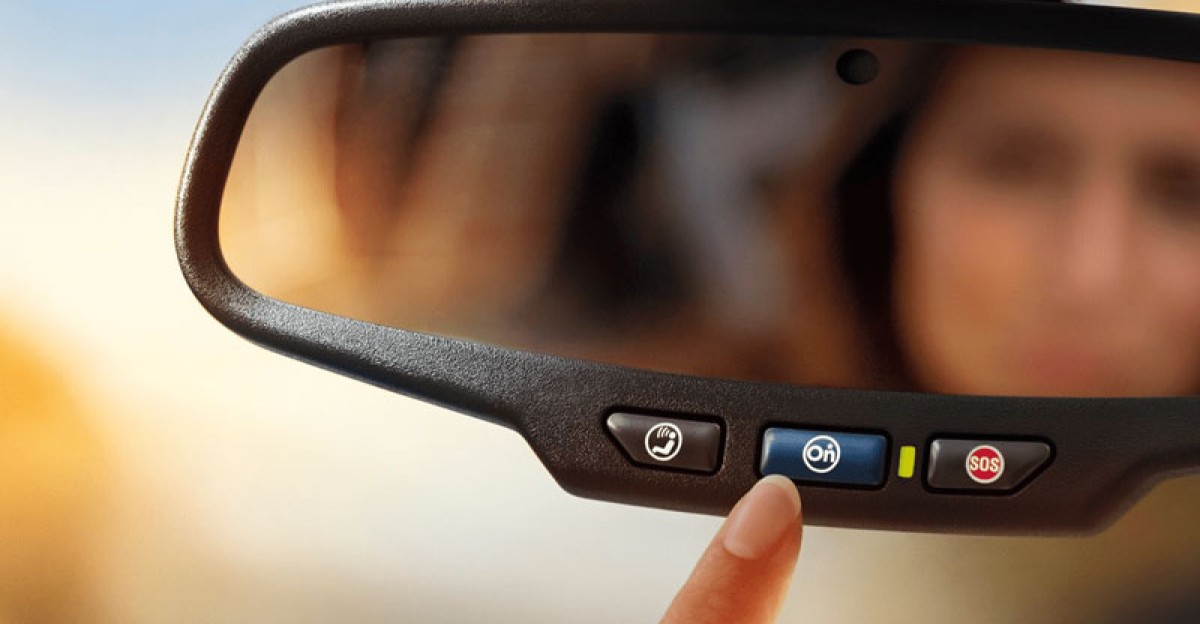
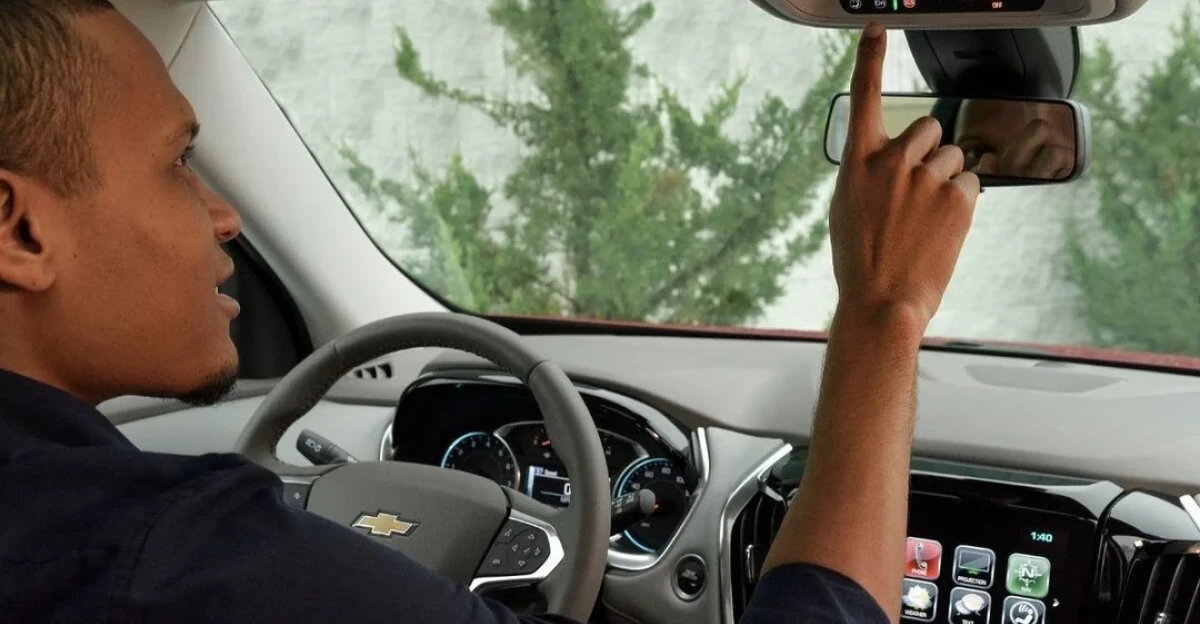
GM told drivers OnStar Smart Driver would “reduce the total cost of insurance” and “help drivers save money.” Dealership staff quietly enrolled buyers during the paperwork shuffle, often without real disclosure. It sounded like a win — drive well, pay less. Millions bought it. But behind the scenes, GM funneled that data to brokers like LexisNexis and Verisk Analytics, who turned it into “driving scores” and sold those scores straight to insurance companies.
Rigged Math
Here’s where it gets ugly. Hard braking? Flagged. Smooth braking? Ignored. Driving late at night? Penalized. Safe daytime commuting? No credit. Speeds over 80? Ding. Years of clean highway driving? Nothing. The scoring system only moved in one direction — against you. A tool marketed as a money saver was mathematically designed to cost you more. That wasn’t a glitch. That was the entire business model.
The Bill
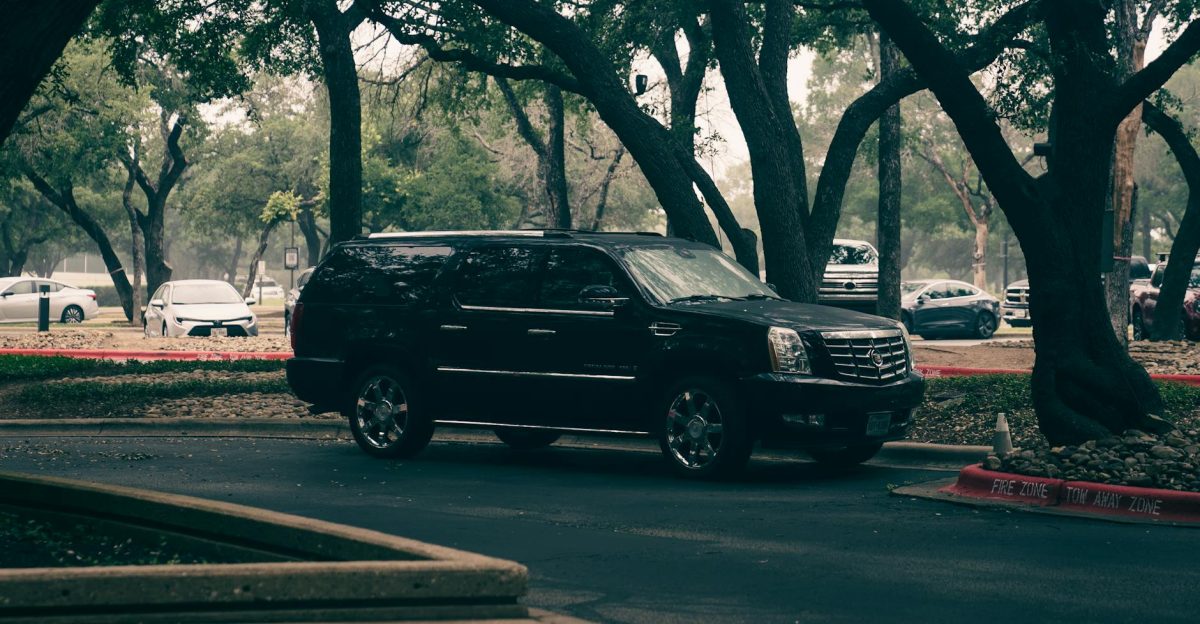
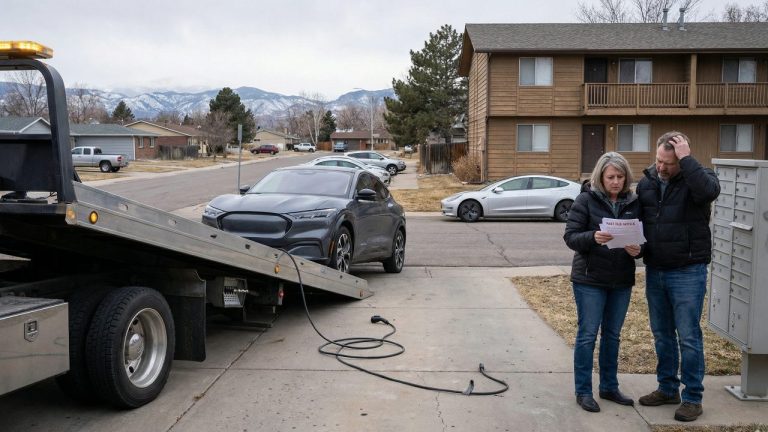
Temeika Clay’s insurance premium shot up 80 percent. No accidents, no tickets, and no explanation. When she dug into it, she found 603 individual driving records had been sold from her vehicle without her knowledge. Her own car had been snitching on her to strangers, and those strangers jacked up her rates. Six hundred and three records. One driver. Eighty percent. That’s not a data breach. That’s a betrayal turned into a billing strategy.
Invisible Pipeline
The whole system ran in the dark. GM collected without real consent. LexisNexis — which touches 86 percent of new auto insurance policies — scored drivers without any transparency. Insurers raised rates, dropped coverage, or denied policies without telling anyone where the data came from. You couldn’t see the score, you couldn’t challenge it, and you couldn’t trace a rate hike back to your own car. Your vehicle was the informant, and nobody told you it got flipped.
Scale of Damage
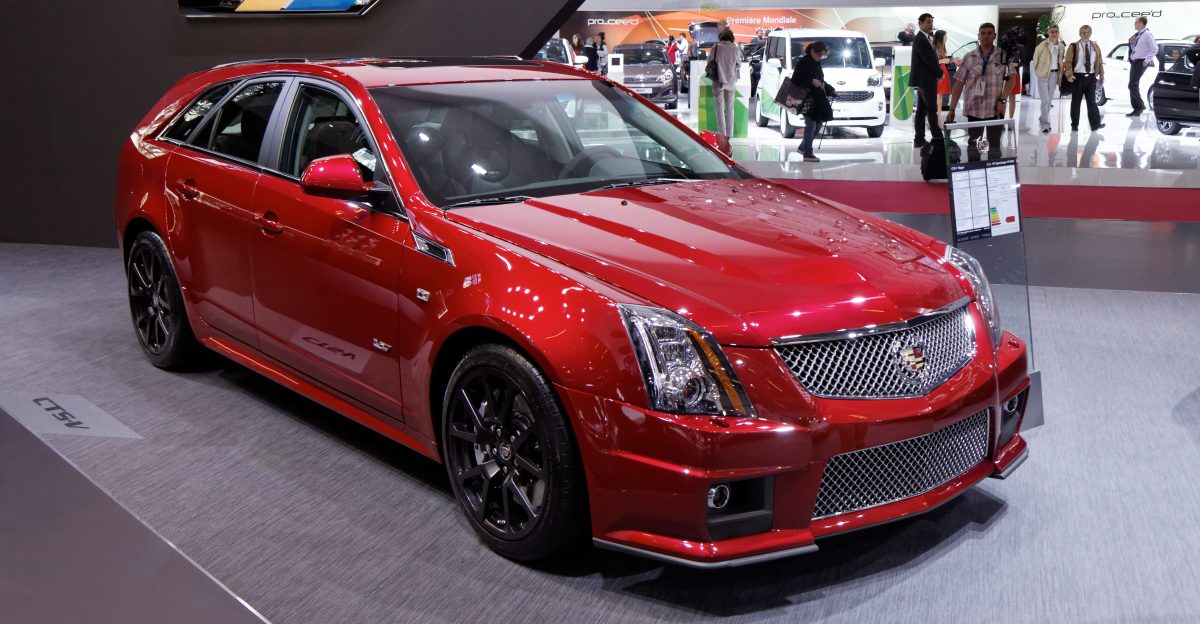
Fourteen million vehicles. Over 16 million driving scores created and sold. In Texas alone, more than 1.8 million drivers got caught up in it. The FTC called it an “egregious betrayal of consumers’ trust” and slapped GM with a 20-year consent order in January 2026, which banned data sharing with consumer reporting agencies for 5 years. But here’s the kicker — zero dollars went back to consumers. The agency that called it ‘egregious’ didn’t return a single dime to the people it called ‘victims’.
States Attack
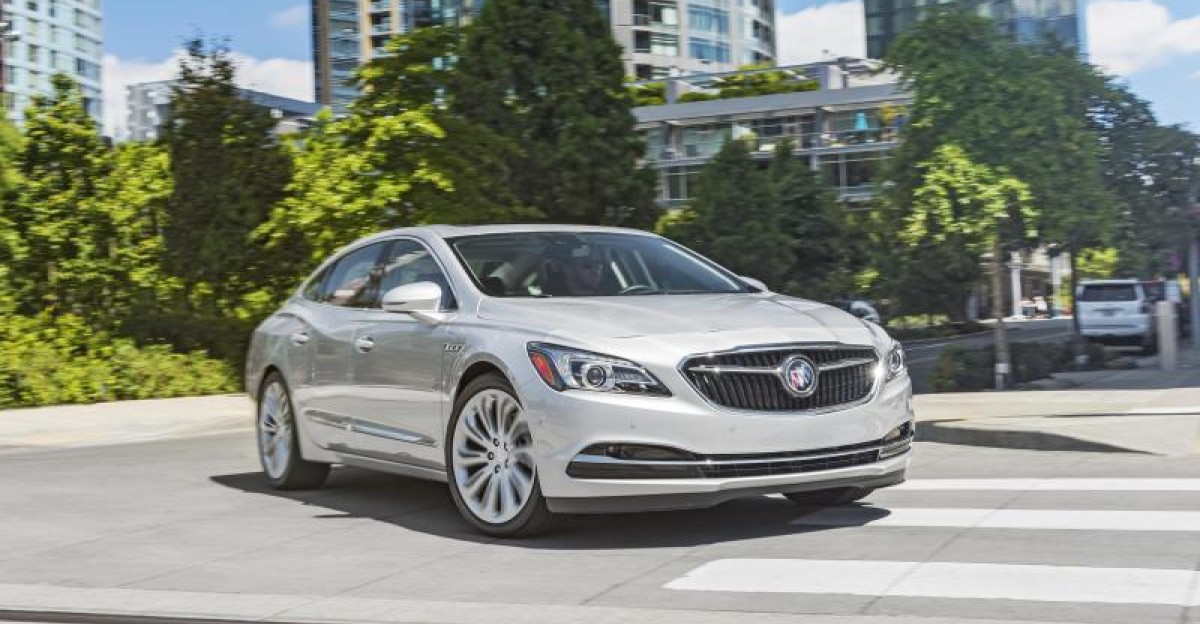
That’s exactly why state attorneys general jumped in. Texas AG Ken Paxton is going after at least $18 billion in penalties. Iowa AG Brenna Bird filed suit aiming to make data sales “so unprofitable as to be untenable for GM.” Nebraska and Arkansas piled on with their own cases. Oregon and California passed new laws targeting vehicle-generated data. GM admitted in its 2025 SEC filing that it’s already burned through $500 million in legal costs. And this is still early innings.
Not An Outlier
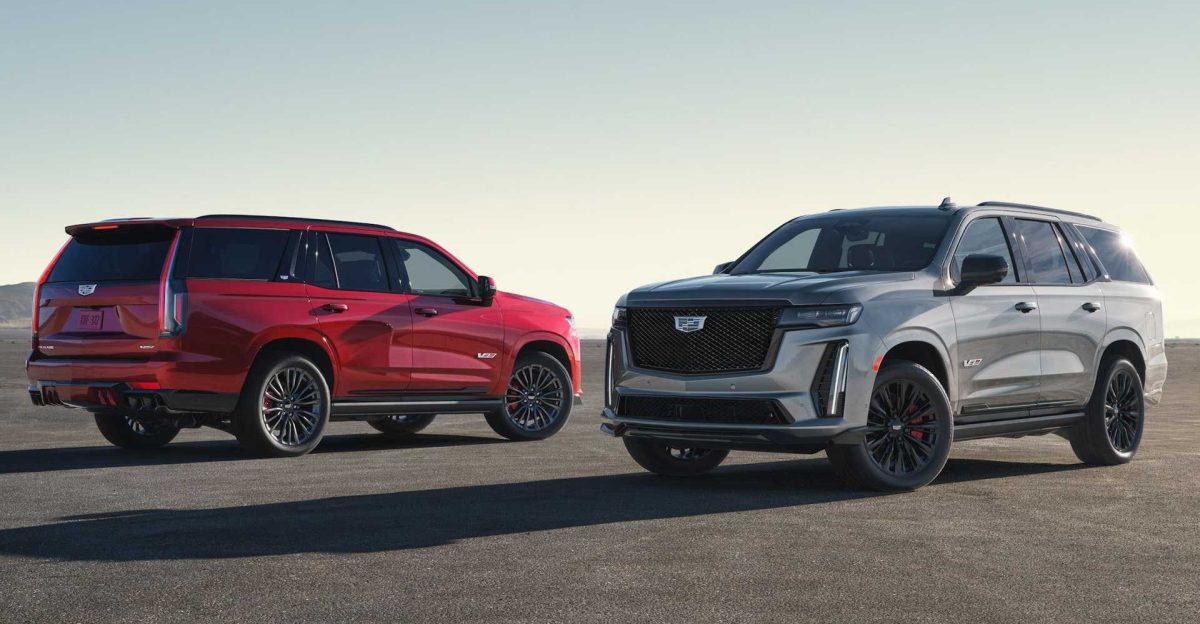
GM shut down Smart Driver in April 2024 after a New York Times investigation blew the lid off. But don’t think this is just a GM problem. Consumer Reports found that nearly every major automaker still collects and shares similar driver data. Honda, Kia, and Hyundai are all under scrutiny. The connected car industry didn’t accidentally wander into surveillance. It built surveillance into the product. GM just got caught first.
Unlimited Liability
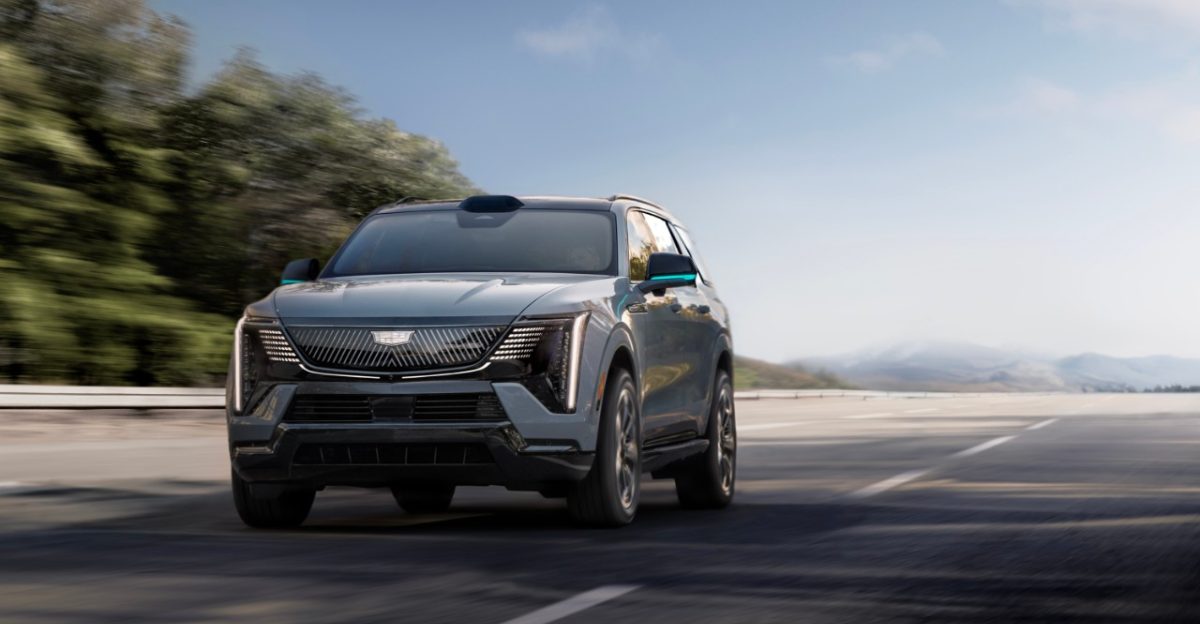
GM’s SEC filing includes a line every shareholder should read twice: the company “is not able to estimate any reasonably possible or probable material loss.” Translation — they have no idea how bad this gets. Class action discovery runs through late 2026 and will likely surface internal emails about the monetization playbook. If Texas’s $18 billion model scales nationwide to all 14 million affected vehicles, the financial exposure becomes existential.
Your Car Knows
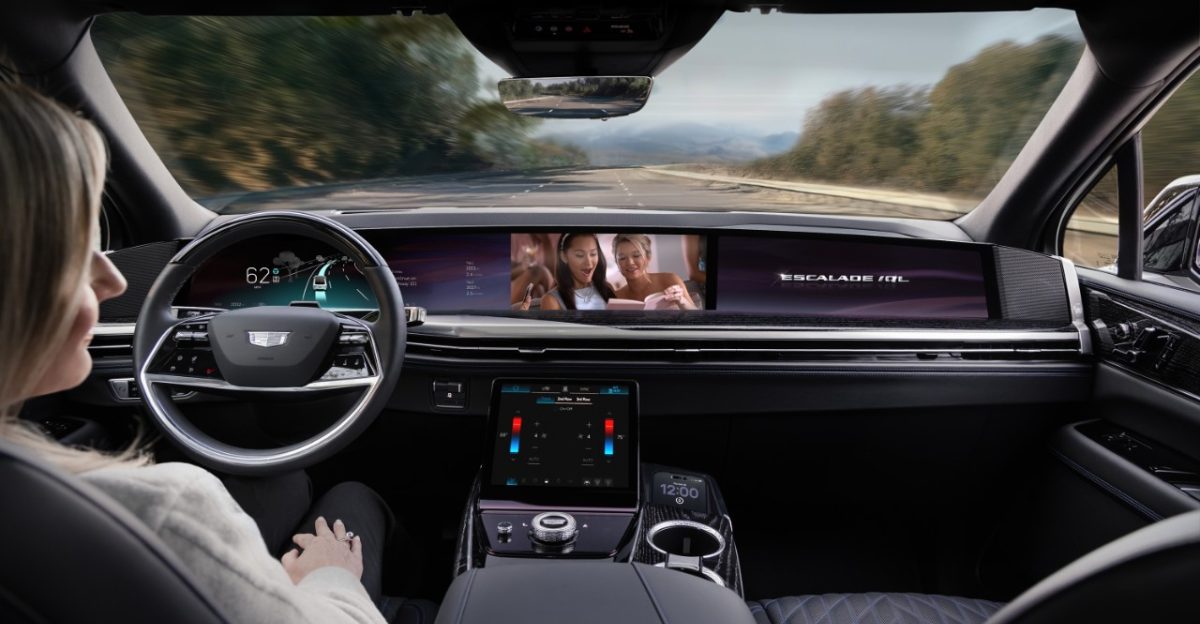
GM will push for liability caps. It’ll rebrand surveillance as “driver feedback.” It’ll argue that telematics data is critical for self-driving tech and road safety. Other automakers will sit back and watch before they change anything. Meanwhile, the car in your driveway is still collecting. The pipeline from your vehicle to a data broker to an insurer still exists for every brand that hasn’t been sued yet. That unexplained rate hike last year? Now you know where to look.
Sources
FTC Official, “FTC Finalizes Order Settling Allegations that GM and OnStar Collected and Sold Driver Data,” January 2026
Nebraska Attorney General, “Nebraska AG Suing GM For OnStar Driver Data Collection,” July 2025
Shifting Gears Report, December 2025
Engadget, “GM OnStar Driver Data Privacy Investigation,” January 2026
Consumer Reports, “Connected Cars and Data Privacy Investigation,” 2024
Iowa Attorney General, “Iowa Attorney General Files Lawsuit Against GM Over OnStar Data Collection,” February 2026