GM’s Battery Bet Guts 1,000 American Jobs—EV ‘Boom’ Arrives Years Too Late For Paychecks
A brand-new U.S. battery plant built to power America’s electric future just told nearly 1,000 workers their shifts are done. Not because the factory broke. Not because the product failed. Because the customers those lines were built to serve haven’t shown up yet. The equipment works fine. The parking lot is full of cars that drove in this morning and won’t drive back tomorrow. Somewhere between Washington’s subsidies and a buyer’s monthly budget, a thousand paychecks fell into the gap.
The Promise
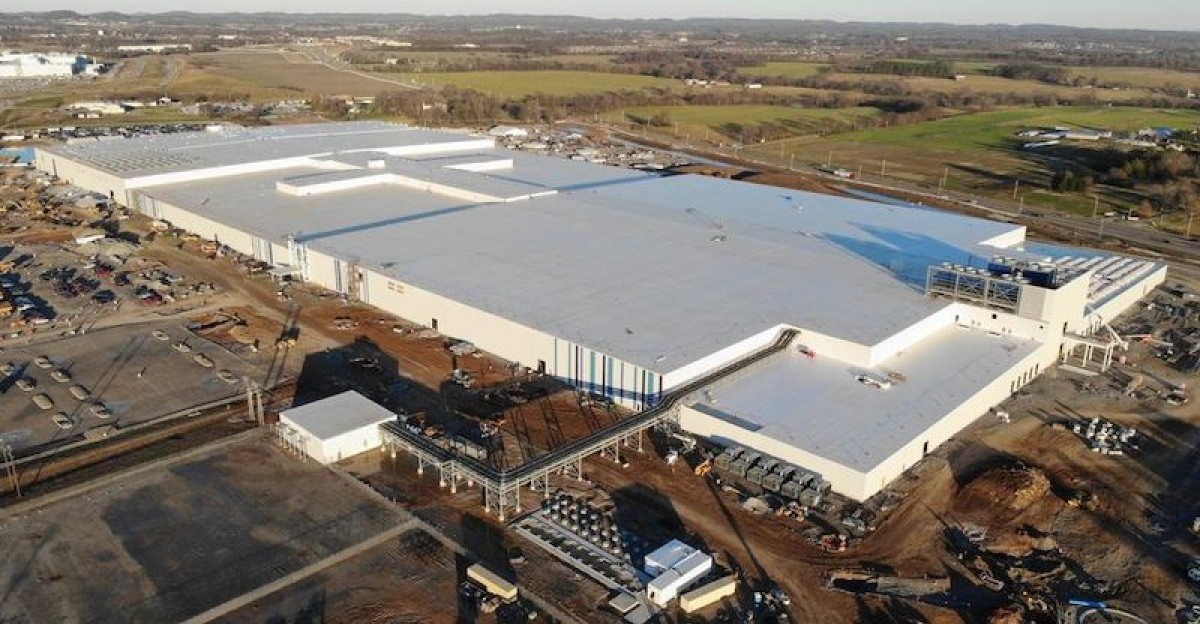
Ultium Cells exists for one reason: to be the battery backbone of GM’s electric pivot. A joint venture between General Motors and LG Energy Solution, the plant was supposed to turn federal incentive dollars into American manufacturing muscle. The Inflation Reduction Act poured billions into domestic clean-energy production, and Ultium was a flagship beneficiary. Battery plants became a national industrial priority, treated by the Department of Energy as strategic infrastructure. Every ribbon-cutting said the same thing: these jobs are the future.
Cracks Show

The assumption was simple: build it, and demand follows. Except for global EV sales growth, which, while real, has landed unevenly. The IEA’s 2024 outlook confirmed the pattern: aggregate numbers climb, but regional demand curves wobble, creating brutal mismatches between factory capacity and actual orders. Ultium’s plant was sized for a demand curve that hasn’t arrived on schedule. That mismatch turns “future jobs” into something painfully familiar: cyclical manufacturing work dressed in green branding. The ribbon-cutting promise just met payroll math.
The Gutting
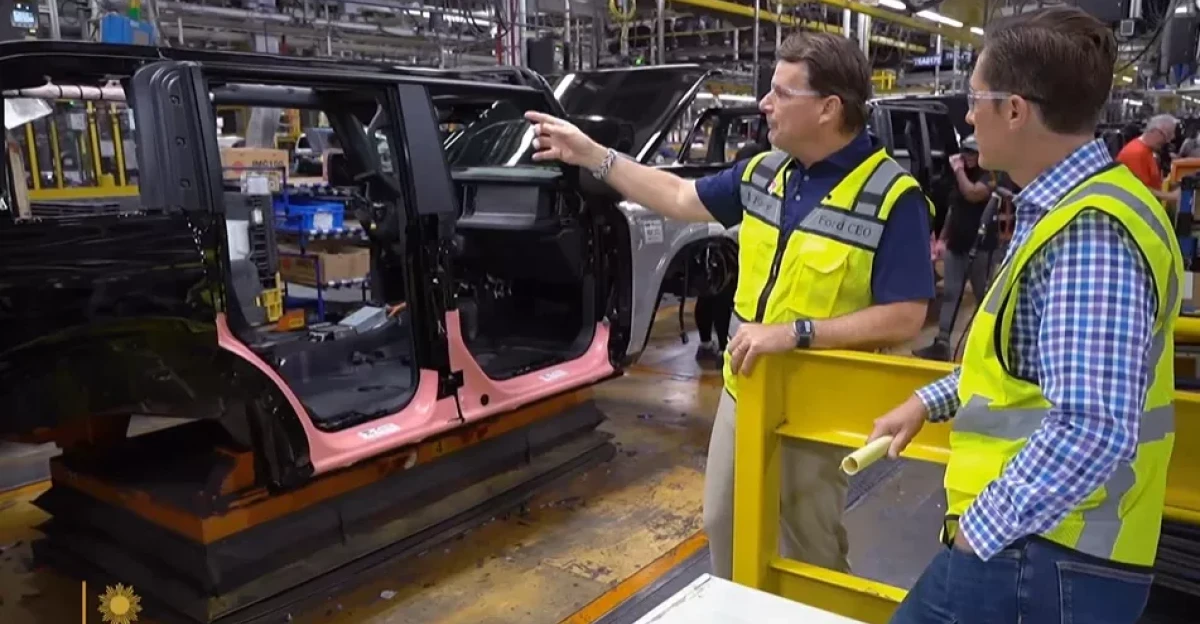
Nearly 1,000 positions. One plant. Slower-than-expected EV demand. That is the entire equation. Policy timelines built the factory. Consumer wallets decide how many shifts run. When utilization falls short of projections, staffing becomes the fastest lever management can pull. Not R&D budgets. Not executive bonuses. Paychecks. The people who showed up to build batteries for the boom are the first ones absorbing the lag between Washington’s timeline and America’s driveways. Subsidized factory, unsubsidized demand.
The Mechanism
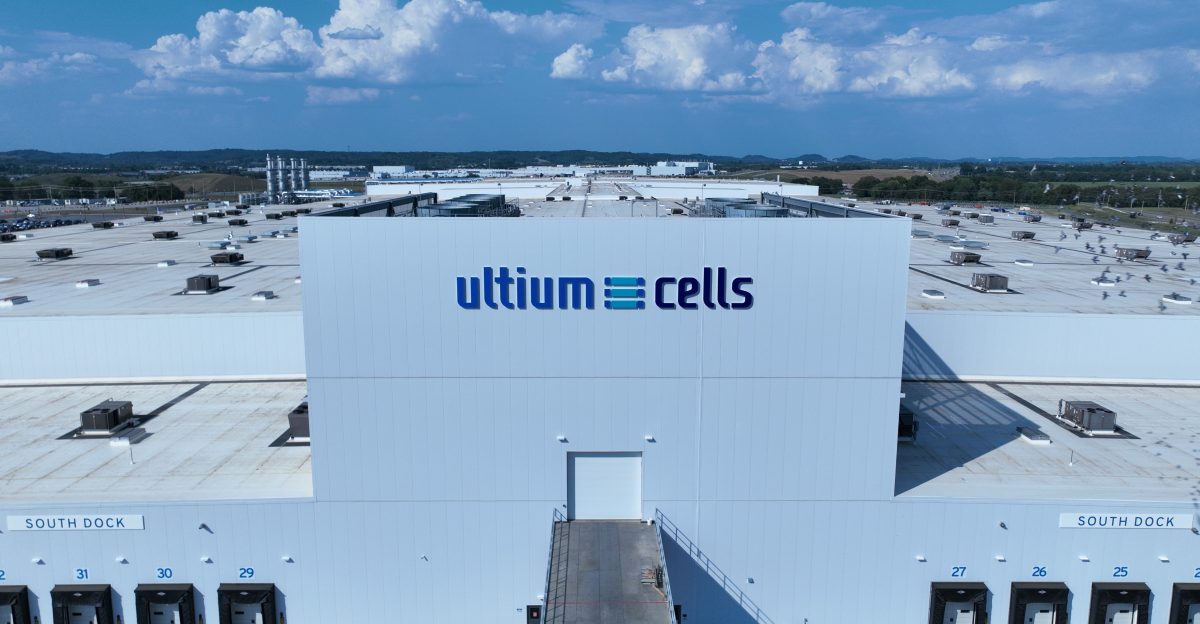
This is how the hidden math works: federal incentives accelerate capital investment into facilities. Concrete gets poured on policy schedules. But utilization rates depend entirely on purchase orders, and purchase orders depend on consumers choosing EVs over gas at the dealership. Joint ventures like Ultium spread corporate risk between partners. They do not spread it to the factory floor. When orders thin out, GM and LG re-sequence production ramps. The workers trained for a single facility have no ramp to re-sequence.
The Numbers
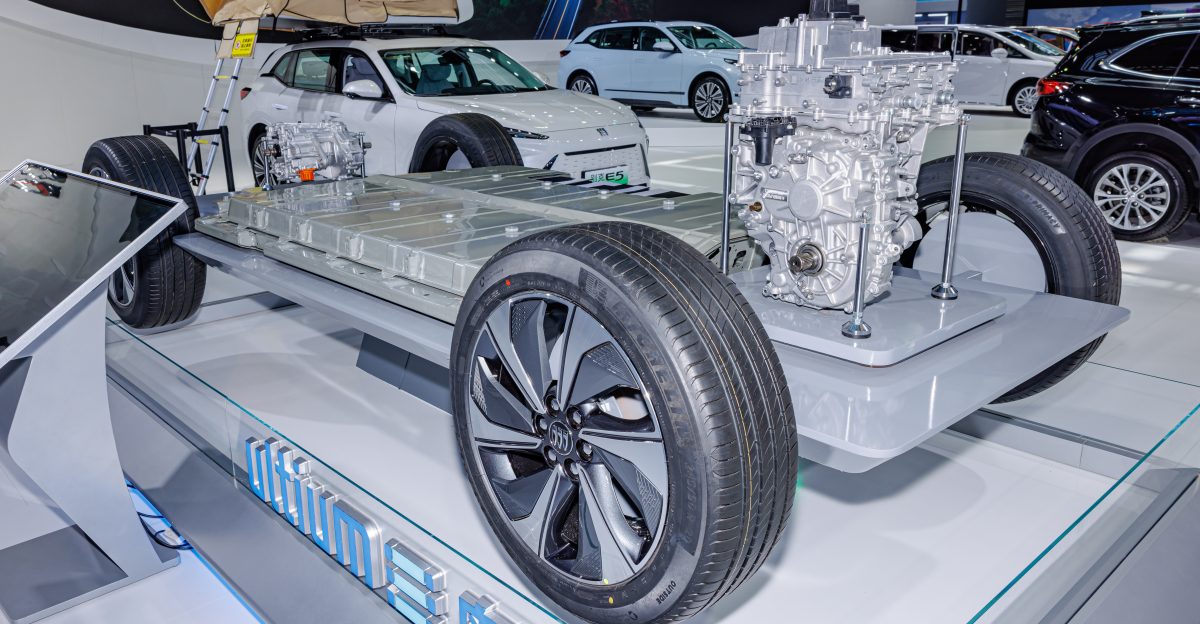
Nearly 1,000 jobs at a single site translate into roughly 1,000 households recalculating mortgage payments, grocery runs, and school expenses simultaneously. The local multiplier effect means suppliers, contractors, and Main Street businesses feel the tremor next. Hiring freezes spread outward. Local spending drops. One concentrated layoff event does not stay concentrated for long. That is the difference between a line on a federal jobs report and the Tuesday morning a family finds out the “future” got postponed.
Ripple Effect

Ultium’s cuts are not isolated. Automakers and battery joint ventures across the industry are re-timing their EV production ramps as demand lags projections. Every pause sends a signal down the supply chain: slow your hiring, delay your expansion, hedge your bets. Communities that competed fiercely for these plants now watch the promised economic anchors wobble before the ribbon-cutting confetti has fully decomposed. The EV transition’s credibility takes a direct hit every time a headline project translates into layoff notices.
New Rule
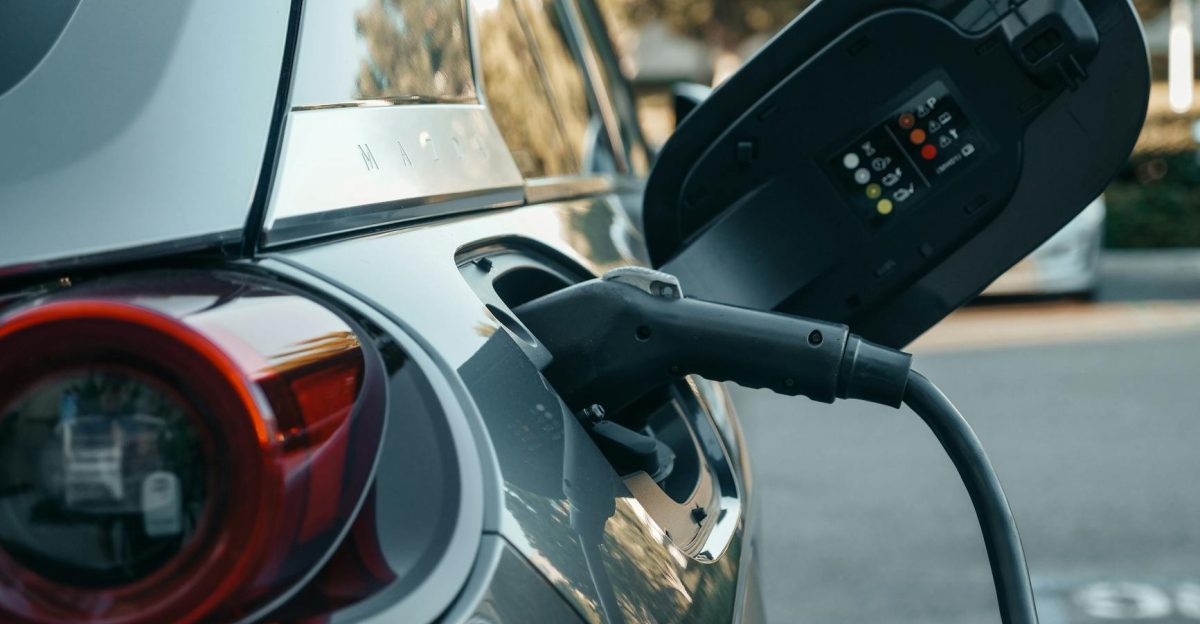
This is bigger than one plant. The precedent being set is that EV supply-chain jobs behave like cyclical manufacturing, not guaranteed-growth employment. That reframes the entire green-jobs pitch. Capacity can be subsidized. Utilization cannot. Once you see that distinction, every battery-plant announcement reads differently. The orchard metaphor fits: the fruit may come eventually, but that does not pay this season’s bills. “Future jobs” just became as volatile as the old-economy work they were supposed to replace.
What Comes Next
If demand stays below planned capacity, more utilization-driven cuts follow at plants across the country. Workers trained for facilities that aren’t running full shifts have limited options. The escalation path is straightforward and ugly. Meanwhile, the counter-moves are already being discussed: incentive tweaks, EV price cuts, model-mix changes designed to pull buyers off the fence faster. All of those take quarters to land. The layoffs have already landed. The brutal middle phase of any industrial transition eats the workforce first.
The Framework
Most people will read this as an EV story. It is a timing story. Policy builds factories on political calendars. Corporations staff them on forecast calendars. Consumers buy on household budget calendars. When those three clocks disagree, the worker holding a badge at the plant gate absorbs the difference before anyone in Washington or Detroit feels a thing. That is the framework nobody is handing you on cable news. The transition is real. The demand is coming. The paychecks were needed yesterday.
If you enjoyed this article, please like and follow us here on MSN! Thank you for reading, and have a great day!
Sources:
Reuters, Ultium Cells / GM layoff reporting, 2026
International Energy Agency, Global EV Outlook 2024, 2024
U.S. Department of Energy, Domestic clean-energy production / battery plant infrastructure
General Motors Investor Relations, Production ramp and joint venture details
U.S. Bureau of Labor Statistics, Employment and economic impact data
U.S. Treasury, Federal incentive and subsidy policy