GM’s $575M Factory Sits Empty Five Years After Construction—1,300 Workers Sent Home
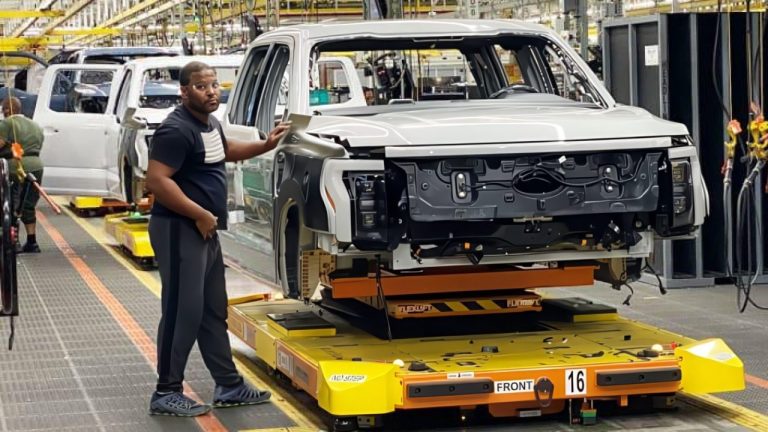
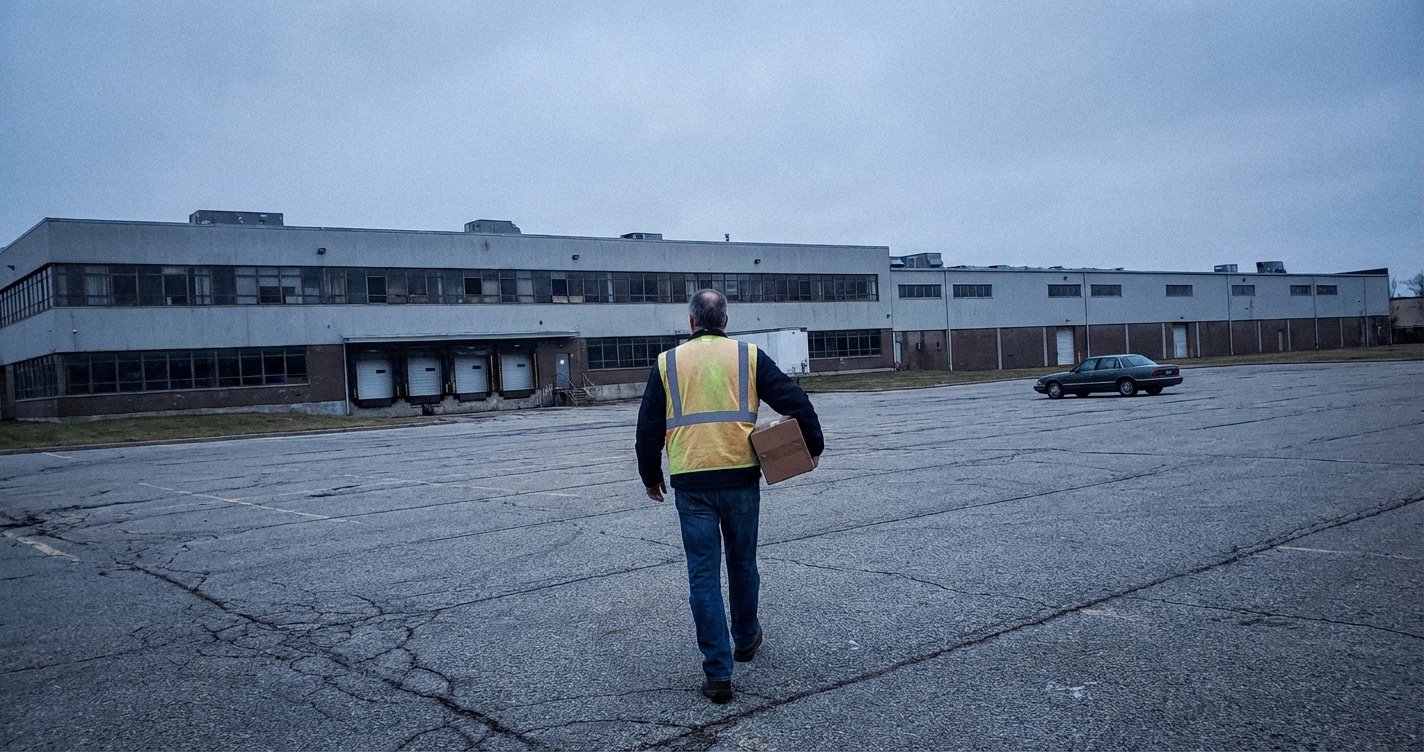
A million square feet of manufacturing floor in St. Clair, Michigan, built to produce EV battery enclosures for General Motors, sits largely idle. The lights are on. The equipment is installed. The customers never showed up. Magna International poured $575 million into this facility, and five years after construction, the plant operates at near-zero capacity with no confirmed production orders. Meanwhile, at GM’s own Factory Zero in Detroit, 1,300 workers got sent home on temporary layoff. Two facilities. One collapsing bet.
The $330 Billion Wager
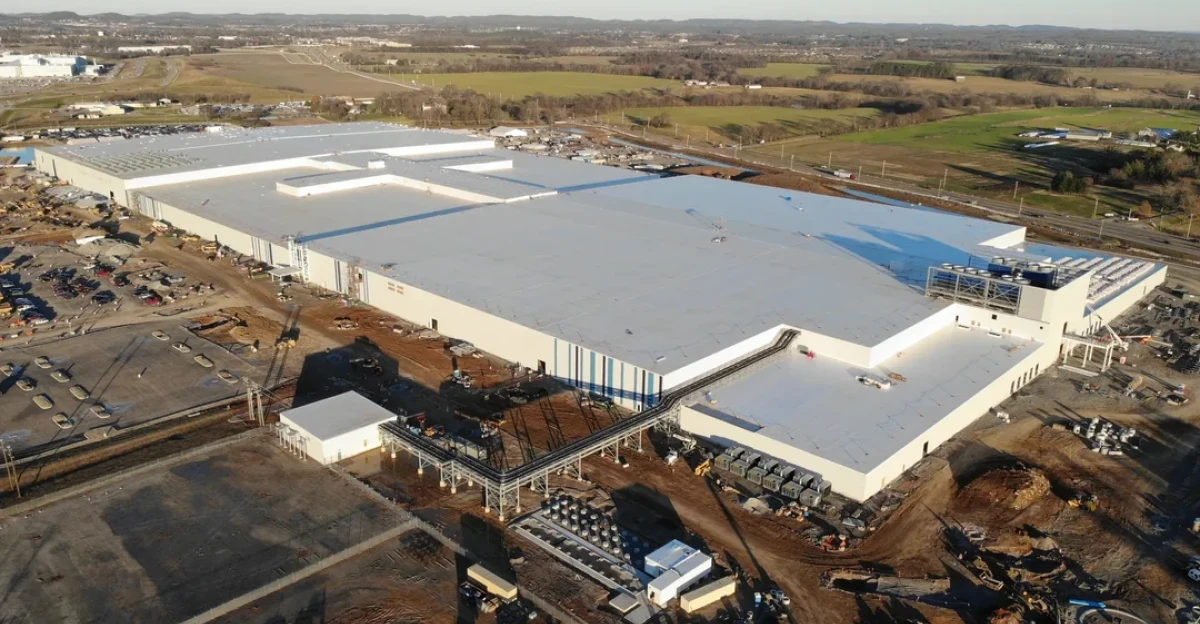
Between 2021 and 2024, automakers announced $330 billion in EV and battery investments. The most aggressive capital deployment in automotive history. GM committed to an all-electric future. Ford launched its Model e division. Stellantis promised electrified lineups across every brand. The Inflation Reduction Act dangled $52 billion in supply chain incentives. Factories broke ground from Michigan to Tennessee. Suppliers tooled up. Workers got hired. The entire American auto industry pointed toward one destination. That destination just moved.
The Tax Credit Vanished
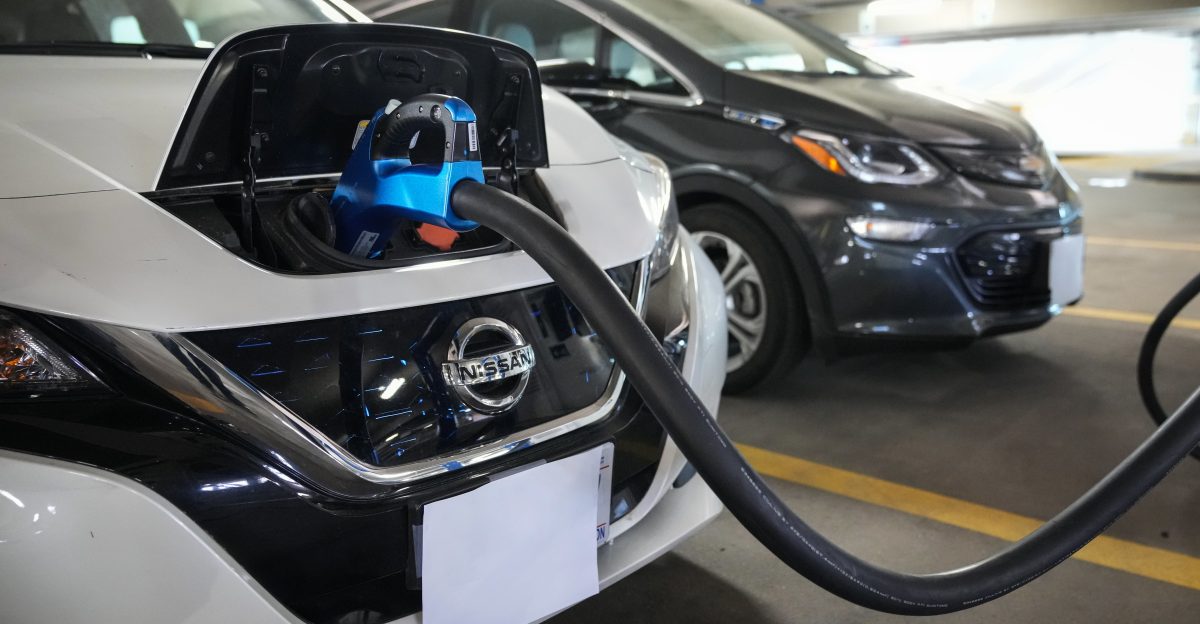
In September 2025, the Trump administration eliminated the $7,500 federal EV tax credit. Then, in February 2026, the EPA rescinded the greenhouse gas endangerment finding and repealed all federal GHG emission standards for motor vehicles under the Clean Air Act. The two policy pillars holding up every EV business plan in America disappeared within months. U.S. EV market share collapsed from a record 10.5% in Q3 2025 to 5.8% by Q4. That’s a steep decline in a single quarter. Turns out, consumers weren’t choosing EVs. They were choosing subsidies.
The CEO Who Said It Out Loud
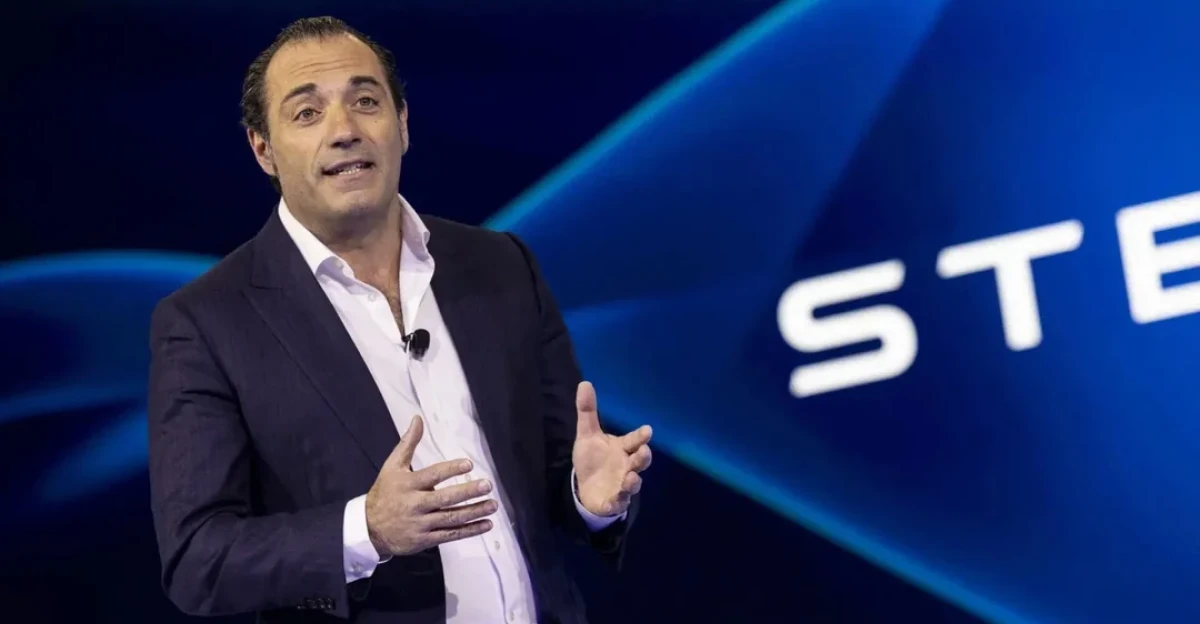
Stellantis CEO Antonio Filosa stood at a podium in February 2026 and said what every auto executive knew but none would admit: “The charges announced today largely reflect the cost of over-estimating the pace of the energy transition that distanced us from many car buyers’ real-world needs, means and desires.” The charges he referenced? A €22.2 billion writedown—roughly $26 billion. An entire EV capacity plan, scrapped. One sentence. Twenty-six billion dollars in confession.
The Dominos Keep Falling
Stellantis wasn’t alone. Ford took a $19.5 billion charge in late 2025, then terminated a $6.5 billion battery supply deal with LG Energy Solution. GM recorded $7.6 billion in EV-related restructuring charges across the second half of 2025. Honda canceled three planned U.S.-market EVs in March 2026, less than a year before launch. The automakers built molecular gastronomy kitchens. Customers wanted burgers.
The Numbers That Bury the Myth
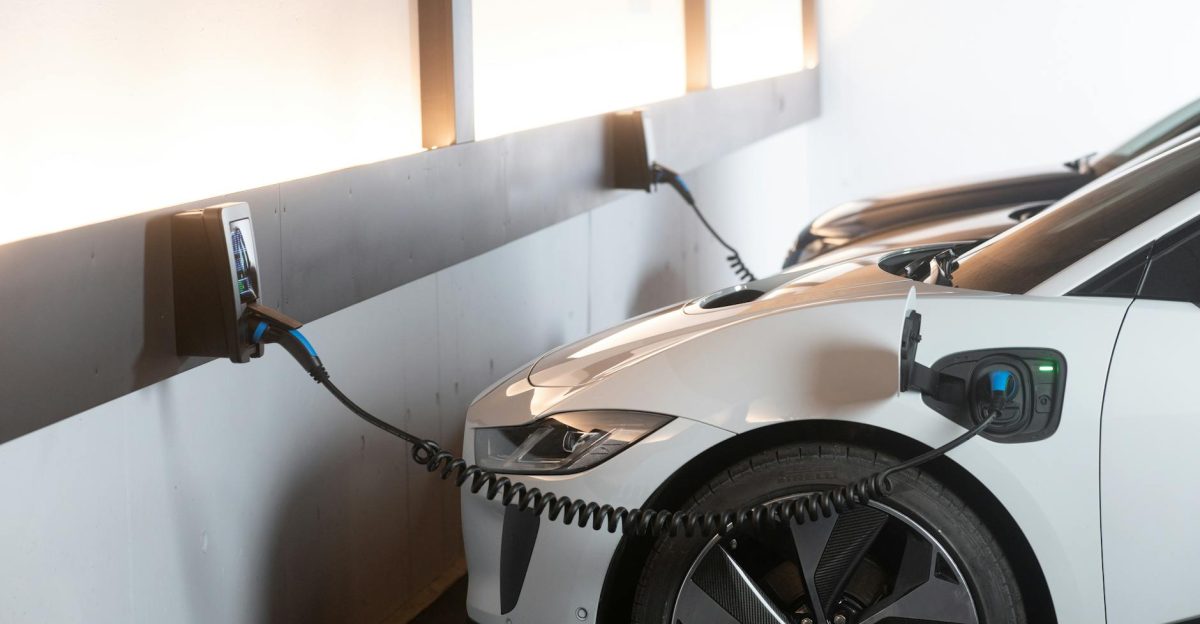
By early 2026, automakers absorbed roughly $65 billion in EV-related losses against that $330 billion investment. Nearly 20 cents on every dollar, incinerated in roughly 18 months. EV transaction prices climbed since fall 2025. U.S. EV registrations plummeted 41% in January 2026 year-over-year, with market share falling to roughly 5%. Meanwhile, hybrid sales surged 36% in Q2 2025. The average hybrid costs $33,255. The average EV costs north of $55,000. Consumers did the math that executives refused to do.
Fifty Thousand Jobs Gone
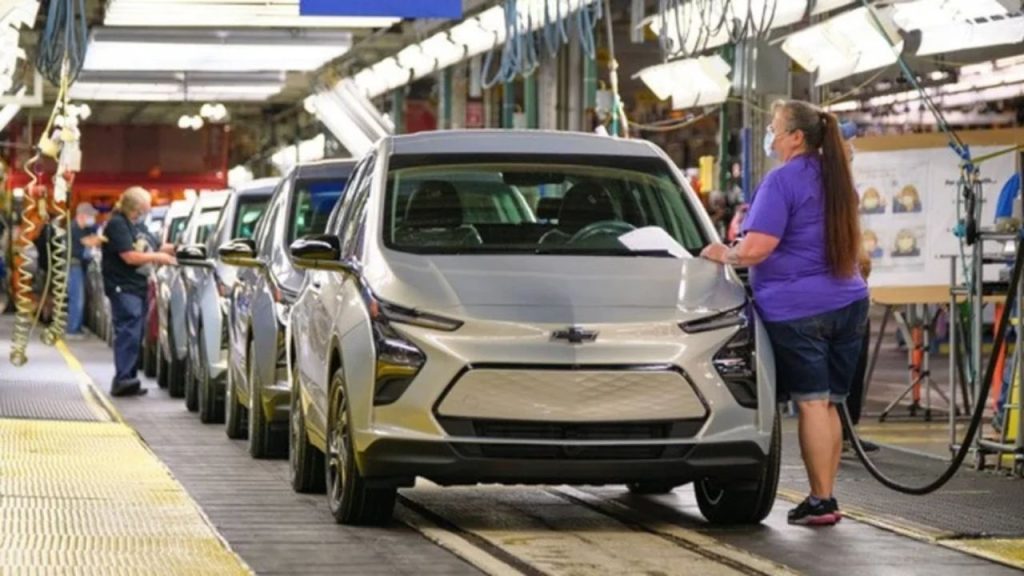
Tens of thousands of U.S. auto sector jobs have been cut since mid-2025, among the fastest loss rates since the Great Recession. Suppliers like Magna, Dana, and BorgWarner slashed headcounts and shuttered plants. The pain cascades downward through the supply chain: OEMs cancel orders, Tier 1 suppliers bleed, Tier 2 and 3 companies face bankruptcy.
Four Bets, Four Failures
The entire EV strategy rested on four assumptions: sustained federal tax credits, regulatory GHG mandates, consumer willingness to pay a 15–30% premium, and elevated gas prices justifying EV ownership costs. Every single one failed. Credits expired. Mandates vanished. Gas prices stayed flat. Consumers balked at sticker prices with spotty charging networks. Automakers needed three of four to hold. They got zero. That’s the precedent this sets: future factory investments will demand multi-administration policy guarantees before a single shovel breaks ground.
The Clock on Magna’s Plant

Magna CEO Swamy Kotagiri estimates 18 to 24 months to repurpose the St. Clair facility and find new customers. That’s two years of bleeding cash on a $575 million asset generating nothing. GM’s own CFO, Paul Jacobson, admitted automakers need four to six months of higher gas prices for consumers to reconsider EVs. Gas prices remain flat. If a second wave of EV program terminations hits by late 2026, as analysts project, temporary layoffs across the sector become permanent ones.
Governments, Not Consumers
The EV transition was never inevitable. It was contingent on policy that turned out to be temporary. Hybrids are outselling EVs without a single dollar of federal subsidy because they deliver what buyers actually want: range, refueling speed, and an affordable price tag. GM’s Factory Zero now sits idle while its gas-powered truck plants run at full capacity. That $575 million factory in Michigan is the receipt for an industry that bet on Washington instead of the people who actually buy cars.
Sources:
Despite Q4 Collapse, 2025 EV Sales Decline Only 2% Versus 2024″ — Cox Automotive
“Stellantis CEO Vows Profit Rebound After 20 Billion Euro EV Writedowns” — Reuters
“Ford to Record $19.5 Billion in Special Charges, Pull Back on EV Plans” — CNBC
“GM’s EV Charges Spike to $7.6 Billion as US Demand Crumbles” — Transport Topics
“EPA Rescinds Greenhouse Gas Endangerment Finding for Motor Vehicles” — White & Case
“January’s EV Registrations Fell 41% as the Full Weight of Trump’s Policy Changes Hit” — Jalopnik / S&P Global Mobility