GM’s $2.2B ‘Flagship Of The Future’ Shuts Down Twice In 90 Days—3,400 Jobs Gone
The lights inside Factory Zero went dark on March 16, 2026. Again. Thirteen hundred workers walked out of General Motors’ $2.2 billion Detroit showcase knowing they wouldn’t collect a paycheck until mid-April. The plant had restarted on a single shift in January after idling through late 2025. That restart lasted fewer than 90 days.
Even at reduced capacity, the facility was building more electric trucks than anyone wanted to buy. The most expensive bet GM ever placed on electrification couldn’t keep its own doors open through a single quarter.
The Rush Before the Cliff
Through September 2025, the EV market looked unstoppable. A record 438,000 units sold in Q3 alone, pushing U.S. EV penetration to 10.5% of all new vehicles. Federal tax credits worth up to $7,500 per vehicle were still flowing.
Automakers had sunk tens of billions into electrification infrastructure. Buyers rushed to lock in credits before eligibility tightened after the September 30 deadline, and the sales charts looked like vindication. That Q3 number masked something critical: the demand wasn’t organic. It was a subsidy-fueled sprint toward a cliff nobody wanted to name.
The Myth Cracks Open
Everyone assumed the EV transition was inevitable. Just a matter of speed. Then Q4 2025 arrived. Sales collapsed 46% from Q3, plunging to 234,000 units, the lowest quarterly total since Q4 2022.
EV market share cratered from 10.5% to about 5.8% in a single quarter. That gap between Q3’s record and Q4’s freefall revealed the uncomfortable math: American consumers weren’t choosing EVs at $45,000-plus with 7.0% financing when gasoline cars sat on lots at $25,000. The credits weren’t accelerating adoption. They were manufacturing it.
The Showcase Becomes the Symbol
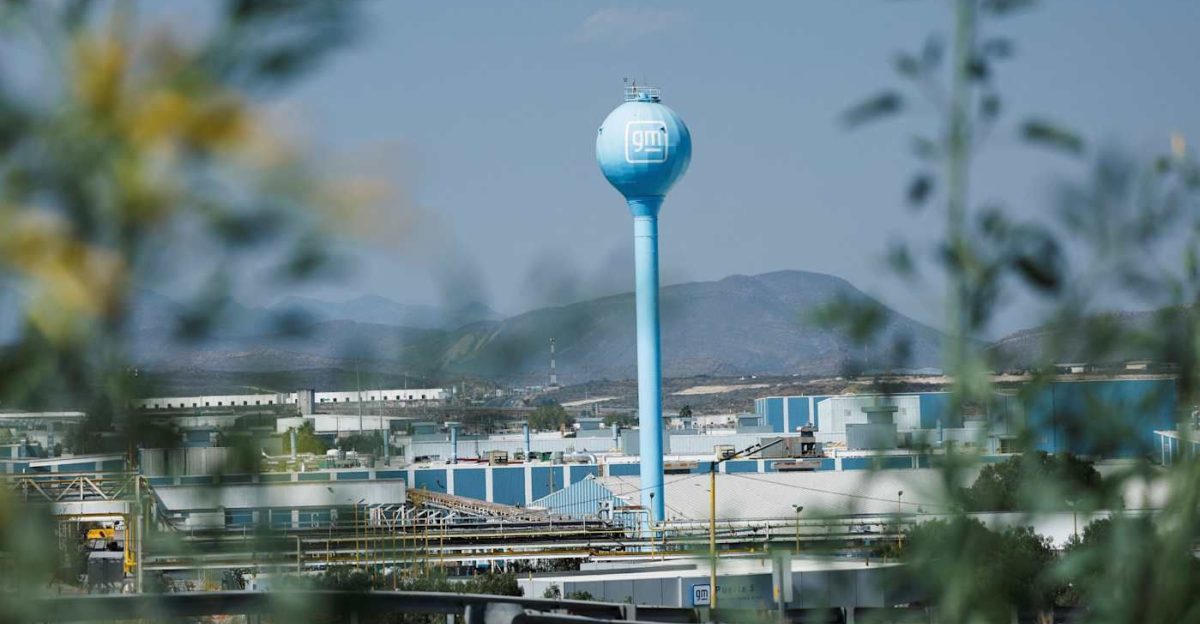
When GM opened Factory Zero in 2021, spending $2.2 billion to retool the former Detroit-Hamtramck plant, the company called it a showcase of its electric future. By early 2026, GM had permanently eliminated about 1,200 positions there following a 2025 announcement.
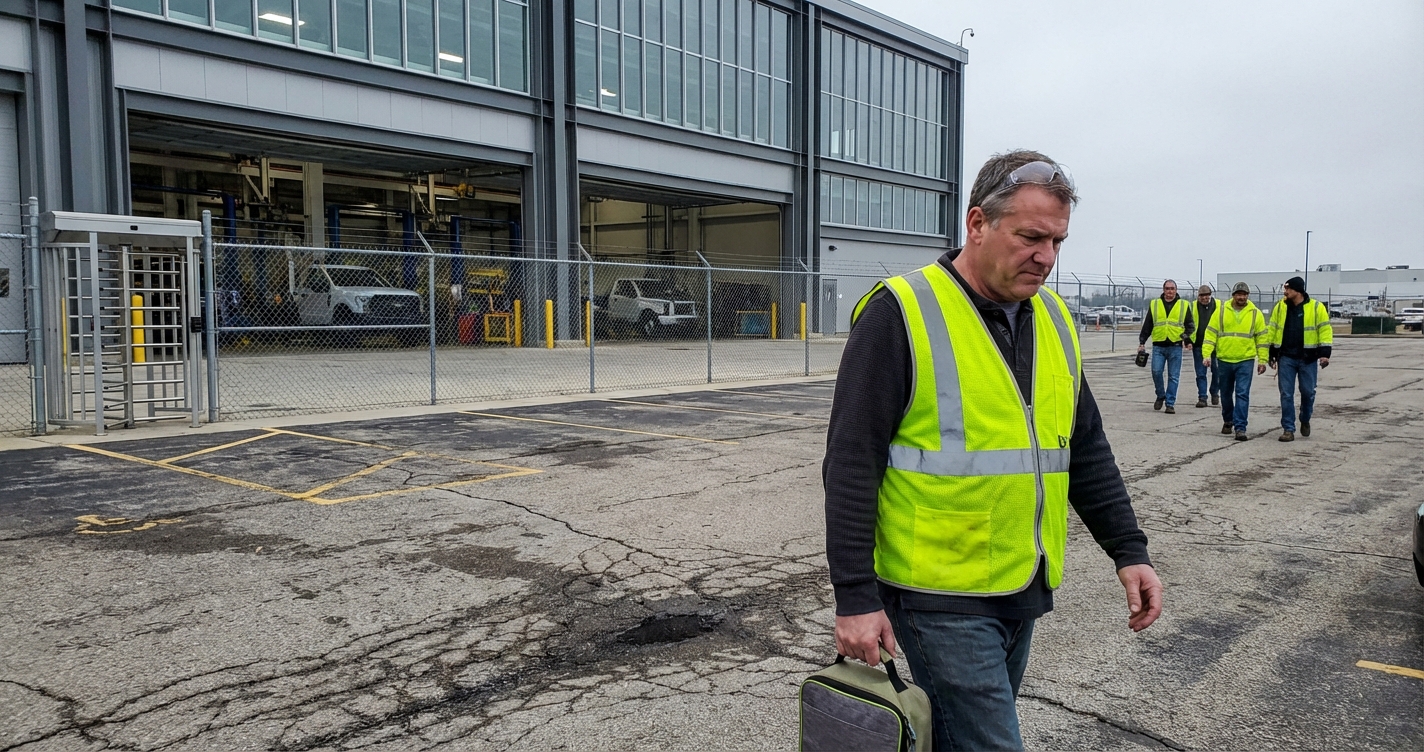
By March 16, 2026, another 1,300 workers were sent home on unpaid leave. GM spokesman Kevin Kelly said the company would “temporarily adjust production to align EV production with market demand.” Align production with market demand. That phrase, spoken while padlocking a $2.2 billion facility again within a few months, tells the entire story of American electrification.
The Hidden Machine Behind the Collapse
The EV transition was never a consumer revolution. It was an industrial policy experiment. Federal credits inflated demand artificially, letting automakers justify tens of billions in factory construction.
Strip the subsidy, and the actual consumer willingness to pay snapped into focus: roughly 5–7% market penetration, not the 10% that subsidies had temporarily propped up. Then, on February 12, 2026, the EPA rescinded its 2009 Greenhouse Gas Endangerment Finding for motor vehicles, rolling back federal vehicle greenhouse gas emissions standards in one stroke. Both the carrot and the stick vanished within five months.
The Numbers Nobody Can Argue With
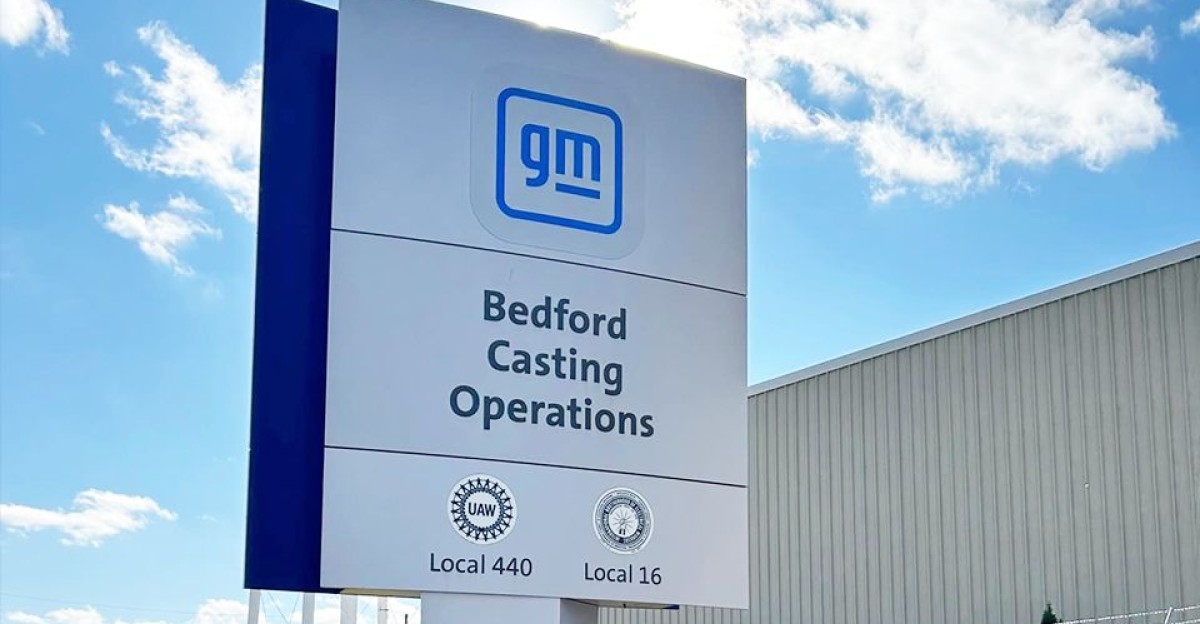
Across GM’s EV operations, thousands of jobs disappeared: about 1,200 permanent at Factory Zero, 1,300 temporary in March, plus significant cuts at Ultium battery plants in Ohio and Tennessee. Ford terminated a $6.5 billion battery supply contract with LG Energy Solution tied to its European electric commercial vehicle plans.
Ten battery gigafactory projects stalled or canceled outright, representing over $10 billion in at-risk investment, according to industry tallies. Meanwhile, gas prices are forecast to stay relatively stable or soften modestly in 2026, undercutting the idea that higher fuel costs will rescue EV demand. Higher fuel costs, the supposed EV rescue plan, aren’t coming. The affordability crisis runs deeper than a pump price.
The Ripple Hits Everyone
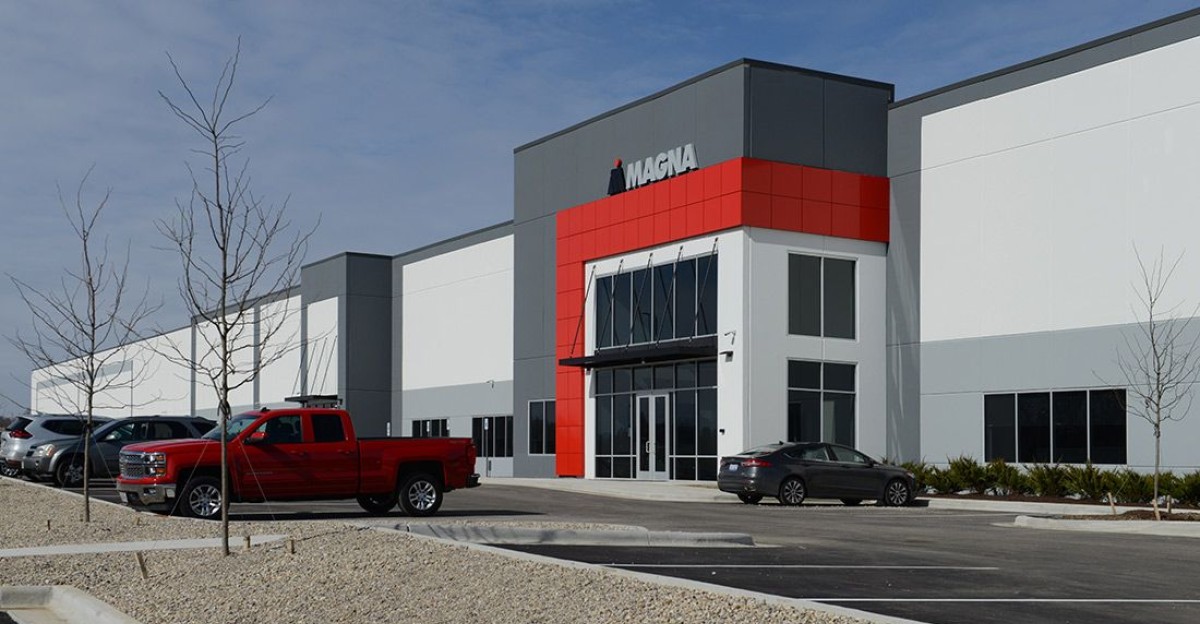
Magna International committed hundreds of millions of dollars to EV and battery-related facilities, including plants for battery enclosures and pickup components; some of that new capacity now faces lower-than-expected utilization as EV demand cools. In South Carolina, AESC halted construction on a $1.6 billion battery cell factory, threatening about 1,600 planned jobs.
In Georgia, Honda supplier Astemo announced the permanent closure of its Tallapoosa plant after a key customer canceled contracts, laying off dozens of workers. Germany faces the prospect of up to roughly 200,000 automotive job losses in some scenarios as suppliers like Bosch and ZF announce deep cuts and restructuring plans. One country’s policy reversal is creating a global industrial chain reaction.
The New Rule, Not the Exception
The original Rust Belt took a decade to form in the 1970s and 1980s. This EV rust belt compressed that timeline into roughly 18 months. And while American factories idle, China has rapidly scaled its EV industry: exports of electric vehicles climbed into the low-millions in 2025, significantly above 2024 levels, and domestic EV share has reached roughly half of new-car sales.
The U.S. sits near 10%. Europe around the high-teens. China achieved genuine scale economies with roughly $20,000 vehicles and development cycles markedly faster than Detroit’s. Once you see that gap, the math becomes permanent: U.S. factories cannot compete on cost without sustained federal support that no longer exists.
The Dominoes Still Falling
The Trump administration froze funding from the $5 billion NEVI charging program, slowing or pausing dozens of planned stations and forcing states to rework their applications. Only about half of rural counties have even a single fast charger, compared to roughly three-quarters of metropolitan counties, leaving a persistent infrastructure gap.
That infrastructure gap now becomes semi-permanent for years. Smaller suppliers without scale will exit or merge. UAW contract negotiations in 2027 will confront a reality where union-scale EV jobs may never return to 2023 levels. Over 100,000 American manufacturing workers lost jobs during the first year of Trump’s second term, from January 2025 through January 2026.
The Trap Nobody Escape
Here is what most people still haven’t processed: American EV adoption exists in a policy-affordability trap. With subsidies, automakers overbuild. Without subsidies, demand collapses.
Either way, workers lose. Automakers may now lobby for renewed credits framed as competitiveness support, not environmental incentives. They may pursue joint ventures with Chinese battery makers to access cheaper cells. The workers who retrained for EV assembly are watching those jobs vanish and wondering whether retraining again for hybrids buys them five years or five months. That cycle of retraining and abandonment is the real American EV story.
Sources:
WardsAuto; General Motors cutting thousands of jobs at its EV, battery plants; 2025-10-28
WardsAuto; GM temporarily lays off 1,300 workers at Factory Zero EV plant; 2026-03-30
Cox Automotive; Despite Q4 Collapse, 2025 EV Sales Decline Only 2% Versus 2024; 2026-01-12
ElectricCarsReport; U.S.: Q4 EV Sales Slump, but 2025 Ends Only 2% Below 2024; 2026-01-14
White & Case; EPA rescinds greenhouse gas endangerment finding for motor vehicles; 2026-02-22
Yahoo Finance; AESC halts construction on $1.6B battery cell facility in South Carolina; 2025-06-11