GM’s 107-Year-Old Factory Gets $150M Lifeline—Builds the Most Powerful V-8 Ever
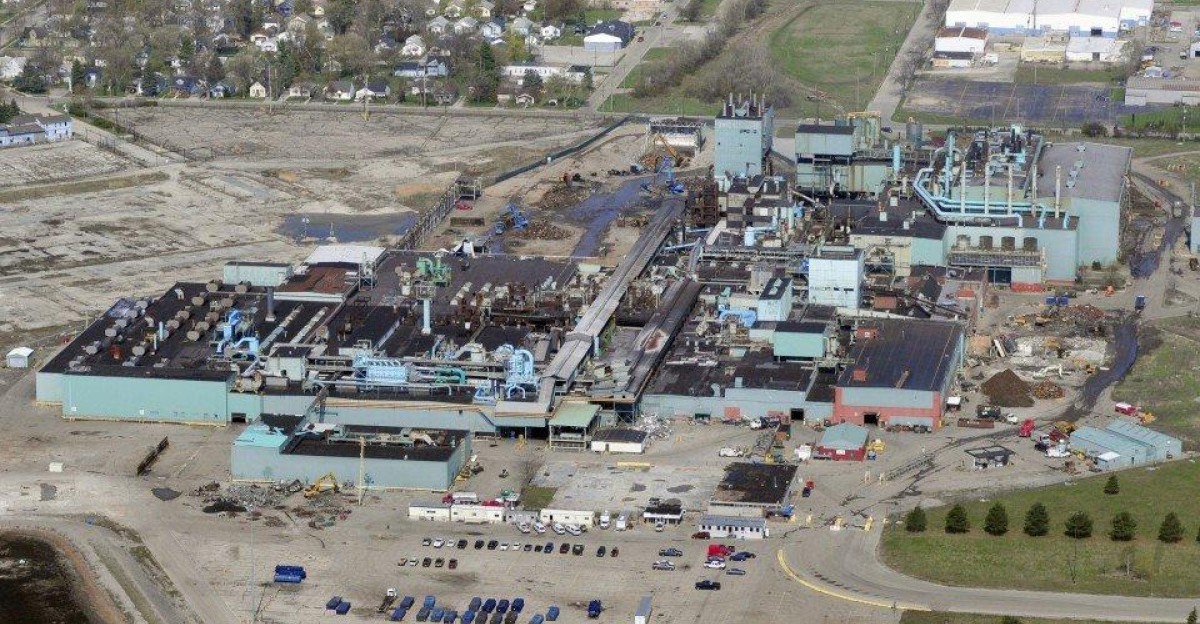
General Motors just committed $150 million to a factory that opened in 1919. Saginaw Metal Casting Operations will produce sixth-generation V-8 engine blocks and cylinder heads starting in 2027, feeding the Silverado and Sierra trucks that posted their best combined sales in 20 years. That $150 million is one piece of a $1.538 billion V-8 ecosystem spanning three plants: Saginaw, Flint, and Tonawanda. Wall Street spent years declaring the V-8 dead. GM spent $1.5 billion proving otherwise. The consequences of that bet reach further than anyone expected.
Why GM Doubled Down on Combustion
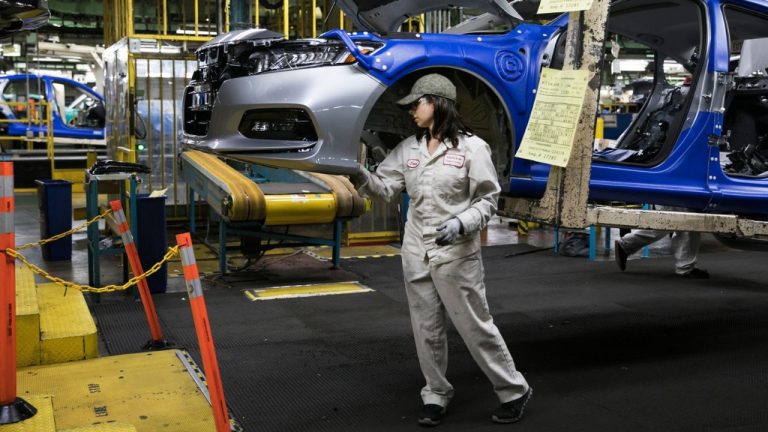
The math forced the move. GM’s full-size pickup segment grew 4% in Q3 2025 while EV penetration sat flat around 5-7% nationally. Pickup and SUV segments generate an estimated 30-40% of GM’s profit on roughly half the volume. EV segments still operate at or near breakeven. Capital follows returns, not headlines. GM posted $12.7 billion in adjusted EBIT and $10.6 billion in free cash flow for 2025, funded by trucks, not battery packs. Flint Assembly is so backlogged that it starts six-day production in June 2026.
Your Truck Just Got More Expensive to Replace
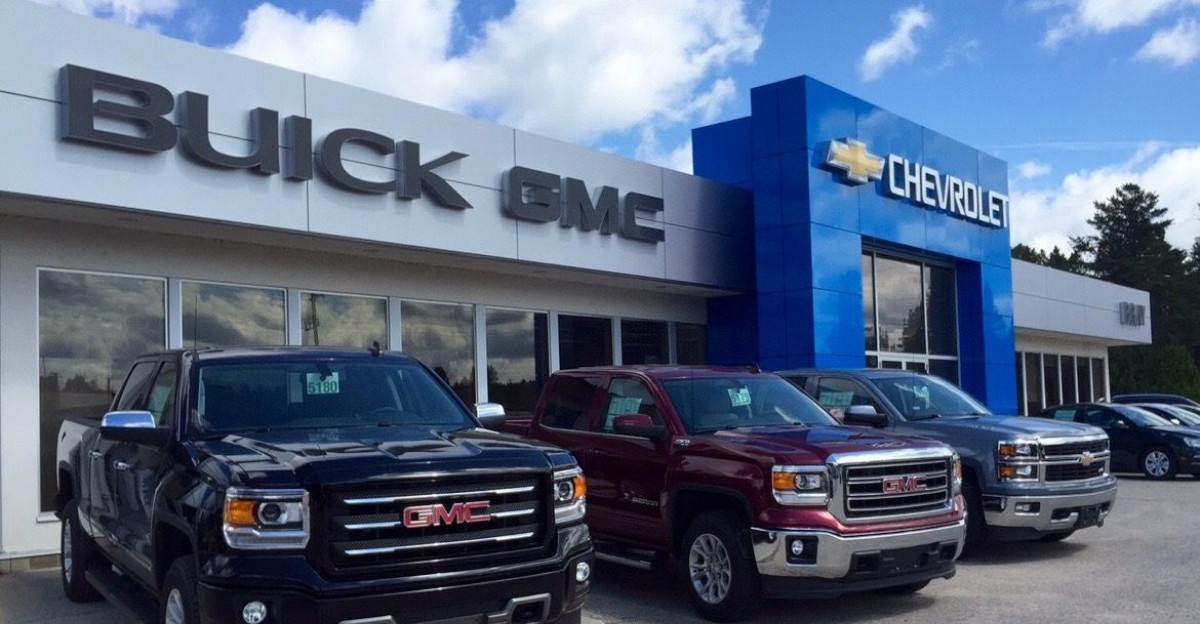
Flint Assembly rolls 1,100 vehicles off the line daily, and that still cannot keep pace. Silverado and Sierra delivery times currently run four to six weeks. When the six-day schedule clears that backlog, demand could surge further as frustrated buyers re-enter the market. GM already discounts 200 basis points below the industry average while holding inventory 30-40% leaner than competitors. Translation: trucks are selling faster than GM builds them, and the company has pricing power it has barely used. The new V-8 generation will only tighten supply during the 2027 transition.
Competitors Face a Billion-Dollar Decision
Ford and Stellantis now face a choice: match GM’s V-8 capital commitment or cede full-size pickup dominance. GM is locked in six consecutive years as America’s full-size pickup leader and 51 straight years atop the full-size SUV market. The $888 million Tonawanda investment alone exceeds what most competitors spend on entire powertrain programs. Tier-1 casting suppliers are already experiencing bid wars as automakers scramble to secure capacity. GM moved first. Everyone else is reacting. That supplier squeeze ripples into territory nobody in Detroit is discussing yet.
The Casting Bottleneck Nobody Expected
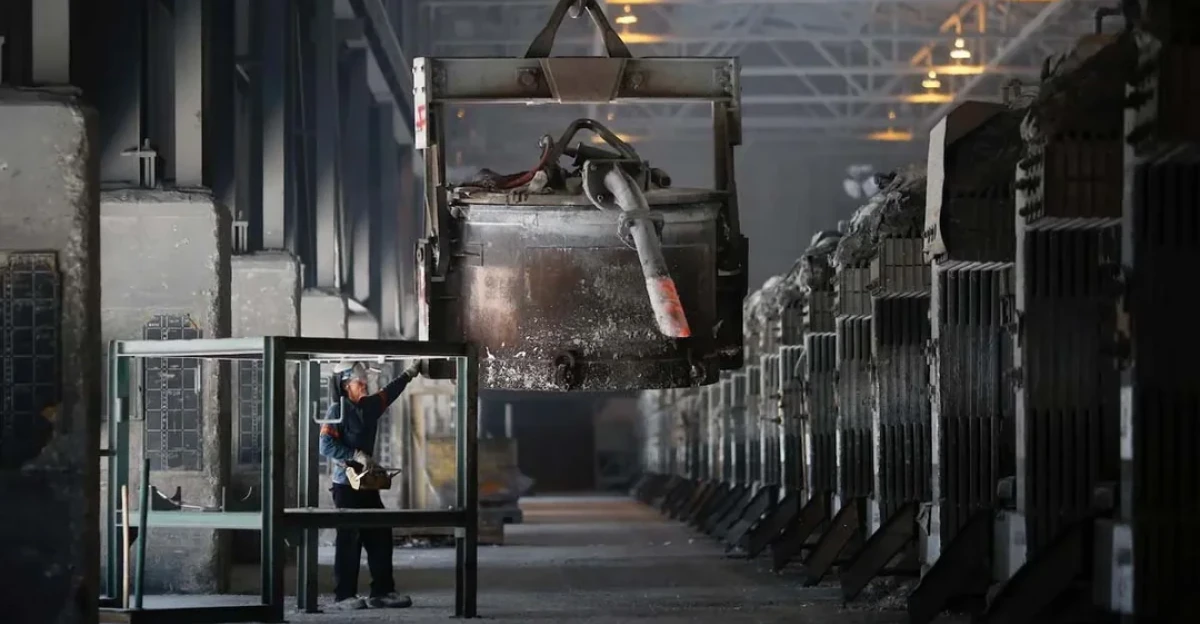
Saginaw’s 107-year-old facility uses aluminum casting processes refined over a century. That institutional knowledge cannot be replicated by building a new plant. A new casting facility costs $500 million to $1 billion and takes years to reach quality benchmarks. Saginaw’s $150 million retrofit reaches production in months. Offshore casting suppliers face a different problem: U.S. tariffs now make onshore production cost-competitive. China produced 70% of the world’s EVs in 2024, but casting engine blocks for American trucks requires American foundries. The supply chain just reshored itself.
Four Forces Pulling Manufacturing Home
Every ripple traces back to the same structural shift. Tariffs make imports expensive. Legacy Rust Belt plants hold irreplaceable precision-casting expertise. Supply-chain fragmentation fears push companies toward domestic redundancy. And nationalist policy incentivizes capital allocation toward the heartland. None of these forces is philanthropic. All four are economic. Saginaw. Flint. Tonawanda. Three Midwest and Northeast plants absorbing $1.538 billion because the math says onshore V-8 production is cheaper, faster, and more reliable than the alternative. Same mechanism. Different plants. Identical logic.
A Plant Director’s Quiet Declaration
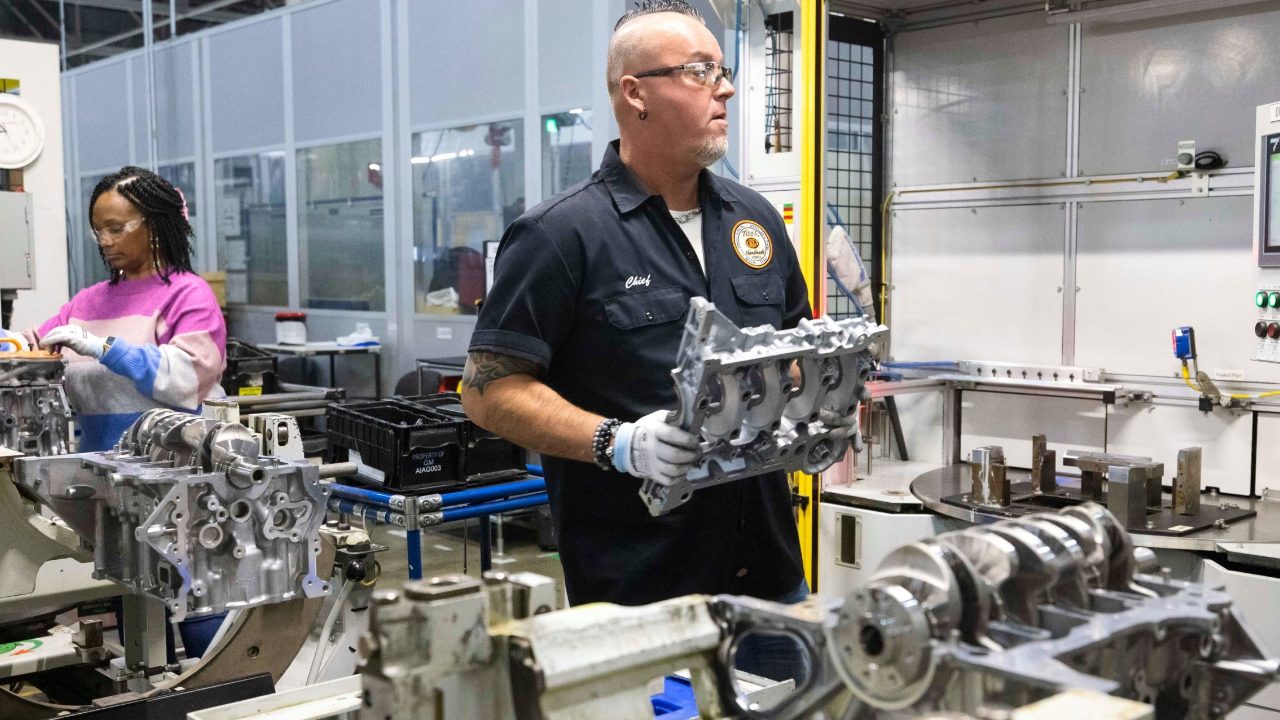
Saginaw Plant Director John Lancaster put it plainly: “This significant investment of over $150 million is a clear commitment to the plant and our people. By enabling the production of next-generation engine blocks and cylinder heads for full-size trucks, the plant is well-positioned for the future.” Notice what Lancaster did not say. No mention of EV transition. No apology for building combustion engines. No bridge-technology hedging. Jobs secured. The economy strengthened. Future confirmed. For workers in Saginaw County, that language carries more weight than any earnings call.
The New Rules for American Auto Capital
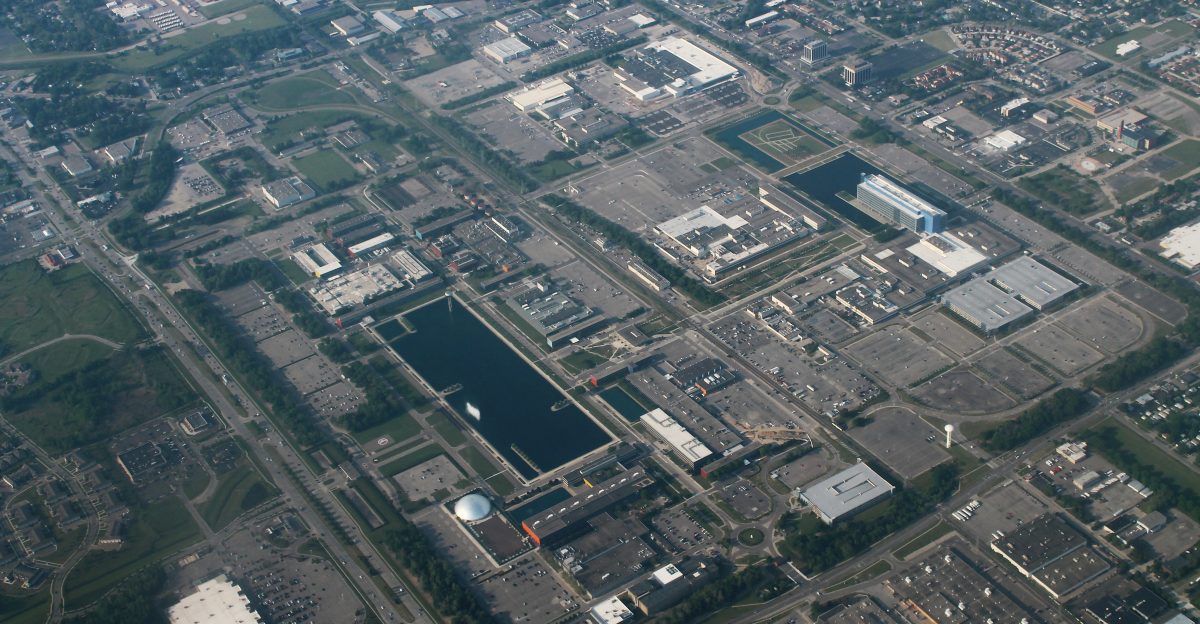
GM spent $500 million on apprenticeships and upskilling over five years, cross-training workers for both EV and ICE production. That dual-capability workforce is the precedent. The $150 million Saginaw commitment normalizes investing in proven segments over aspirational ones. Michigan’s auto industry contributes $348 billion to the economy, and this capital flow signals the state’s ICE manufacturing viability for another generation. Once one major OEM proves that V-8 capex delivers superior returns to EV-only bets, the permission structure changes for the entire industry. GM just wrote the new playbook.
Who Wins, Who Loses, What to Watch
GM’s stock surged 44% in six months. Institutional investors own 86.95% of shares. Operating cash flow grew 54.9%. The smart money has already placed its bet. Meanwhile, EV-only startups face margin pressure if GM’s truck division keeps expanding profitability. Offshore casting suppliers lose volume as tariffs bite. The new 6.7-liter LS6 V-8 produces 520 pound-feet of torque, the highest of any naturally-aspirated production V-8 ever, paired with 535 horsepower. GM is not building a bridge to the future. GM is building the future, and it runs on eight cylinders.
The Cascade That Keeps Expanding
By 2027, Saginaw ramps sixth-gen V-8 production. Tonawanda follows. The Corvette Grand Sport launches with the record-breaking LS6. Flint clears its backlog, and GM’s market share, already 17.4% and climbing, could push toward 18-19%. Competitors will respond with their own legacy plant investments or exit the segment entirely. EV-pure companies will lobby for stricter ICE regulations and accelerate cost-cutting. The cascade rolls forward. The headline told you GM invested $150 million. The real story is that a 107-year-old factory just proved which side of the auto industry the money trusts.
Sources:
“GM to Invest Over $150 Million in Saginaw Metal Casting Plant.” General Motors Newsroom, 1 Apr. 2026.
“2027 Chevrolet Corvette Grand Sport, Grand Sport X Debut with New 6.7L V8.” Chevrolet Newsroom, 26 Mar. 2026.
“GM Leads U.S. Industry, 2025 Sales Up 6%.” General Motors Newsroom, 5 Jan. 2026.
“More Trucks to Be Made at GM Flint Assembly, Adding a Sixth Day of Production.” Mid-Michigan NOW, 29 Mar. 2026.