GM Recalls 600,000 After Escalades And Silverados Seized Mid-Highway—GM Knew For 4 Years And Did Nothing
Owners of 2021–2024 GM trucks and SUVs started reporting the same sickening moment: strong pull from the 6.2‑liter V8 one second, no power the next. Sometimes there’s no stumble, no obvious warning on the dash—just sudden silence and a dead pedal while traffic rushes up behind you. These reports centered on Silverados, Sierras, Tahoes, Suburbans, Yukons, and Escalades that suddenly lost power on the move with the 6.2L L87.
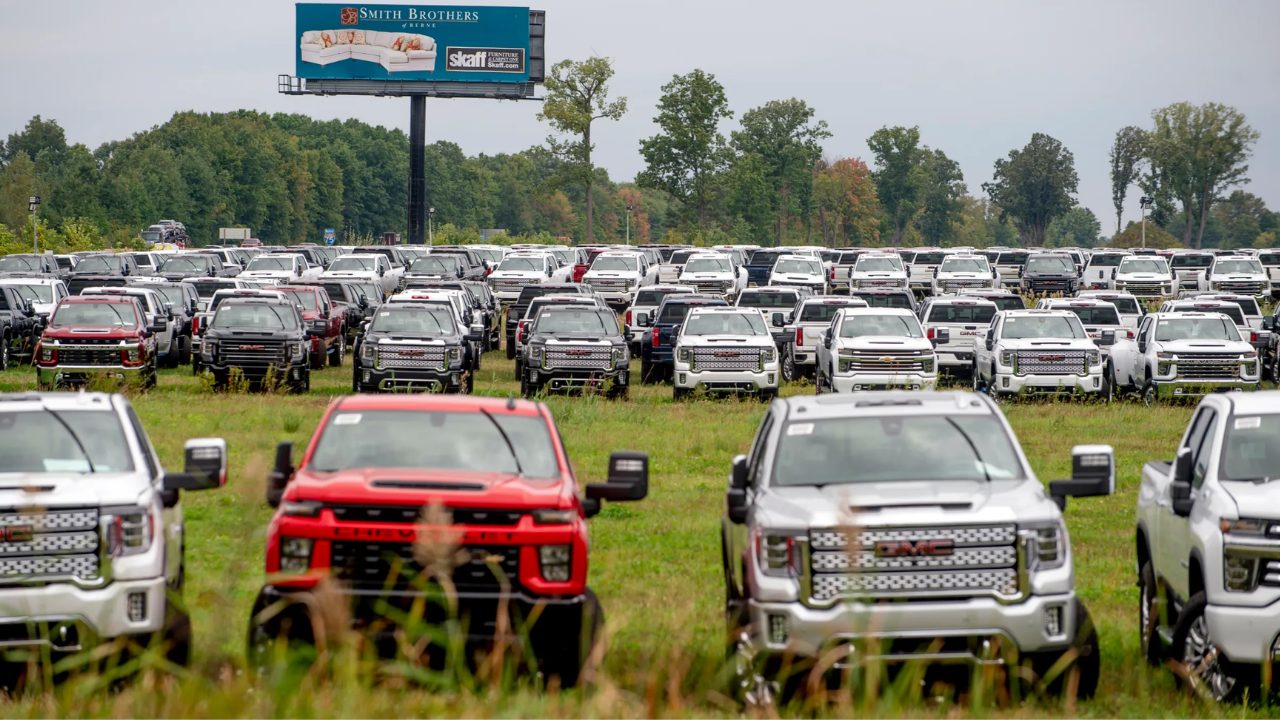
By April 2025, GM finally called time on the problem with a recall covering about 600,000 vehicles in the U.S., after tens of thousands of complaints tied to engine failure and loss of propulsion. The engines weren’t just failing, they were failing in exactly the situations where you count on a big V8 the most.
The V8 Everyone Wanted—Until It Started Eating Itself
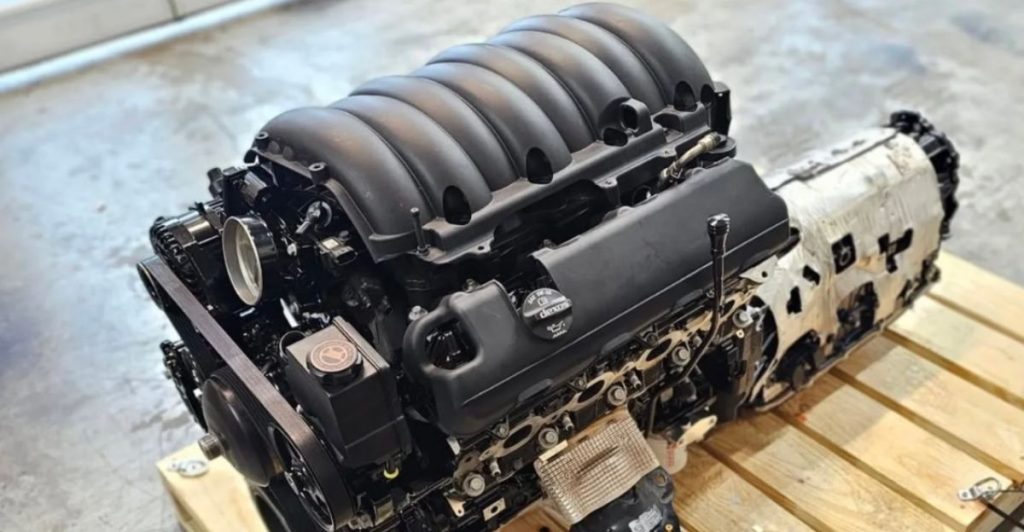
Enthusiasts know why the L87 exists. It’s the “give me all the motor” option: 6.2 liters, pushrods, torque for days, the one you spec when you tow, road‑trip, or just like the way a big-displacement V8 shrugs off weight. In a half-ton truck or a full-size SUV, it turns long grades and highway passing into a relaxed, low‑rpm game. The problem isn’t the concept, it’s the execution on a chunk of 2021–2024 production.
Deep inside, some engines left the factory with crankshaft and connecting‑rod quality issues, dimensions, and cleanliness that weren’t where they should be. Over time, that can chew up bearings. Once that goes far enough, the bottom end stops turning. When your only engine locks in a 6,000‑pound truck, everything else suddenly feels very small.
The Trucks And SUVs In The Crosshairs
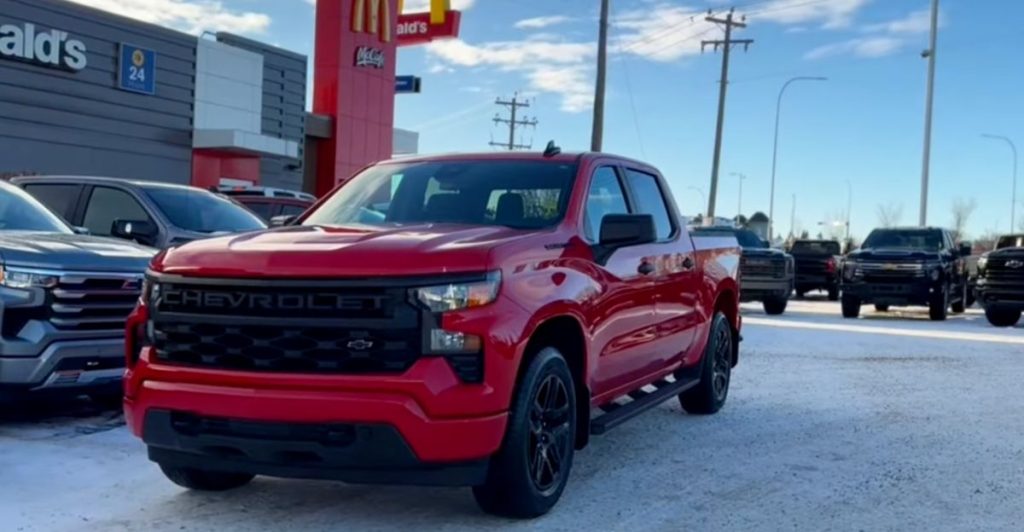
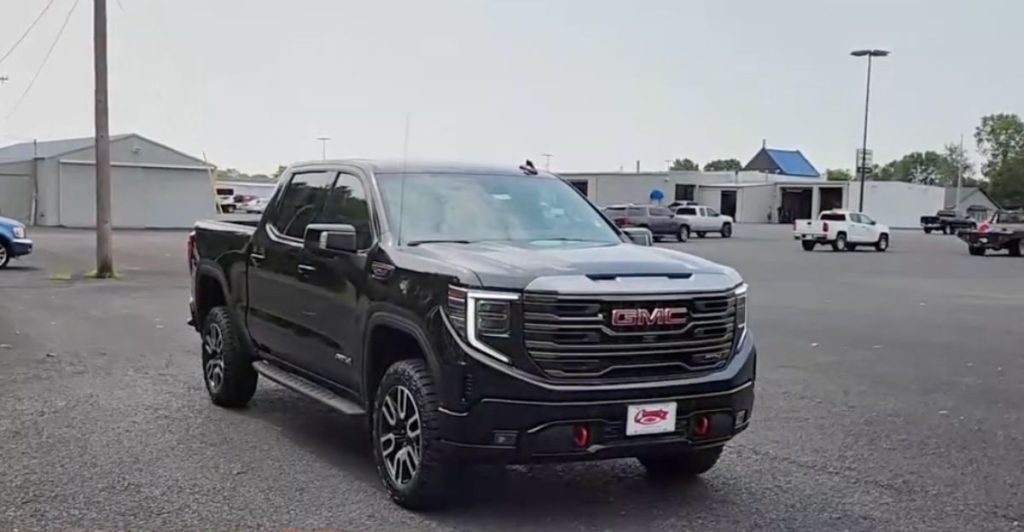
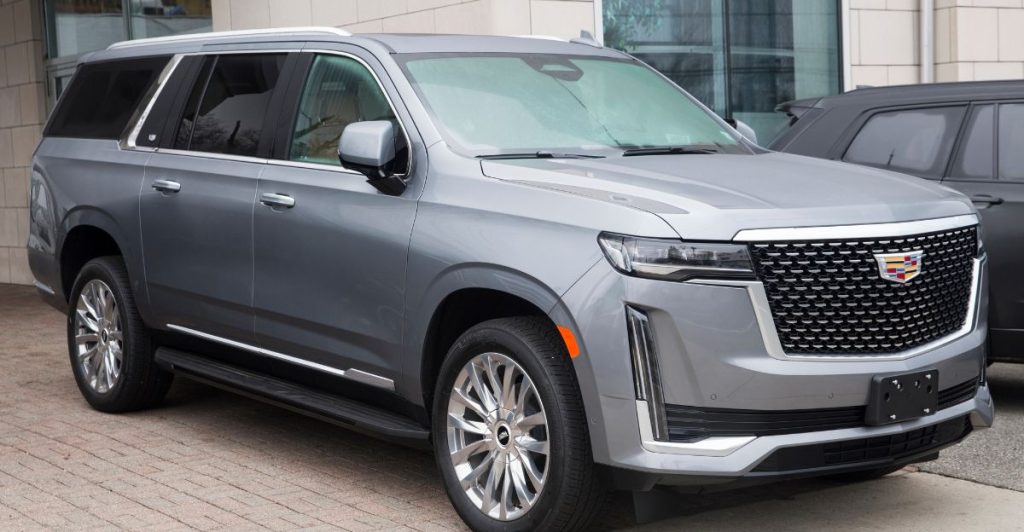
This recall doesn’t live in the fine print of fleet spec sheets. It hits the trucks and SUVs that people actually ordered with the expensive engine. Think 2021–2024 Chevrolet Silverado 1500 and GMC Sierra 1500 with the 6.2L. Think Cadillac Escalade and Escalade ESV, Chevy Tahoe and Suburban, GMC Yukon and Yukon XL with that same top‑dog V8. These are family haulers, tow rigs, highway commuters, and work trucks that spend their lives loaded and running fast.
When you pay extra for the big engine, you expect more power and, if anything, more durability. Finding out your flagship V8 is in a recall for sudden engine failure on the move is exactly the kind of news that makes people rethink brand loyalty.
How The Failure Feels From Behind The Wheel
GM’s own data shows many failures come with warning signs: knocking, hesitation, and even a check‑engine light. Owners, though, describe a mix: some hear a brief clatter or see a light, others say the truck feels fine until it suddenly loses drive at speed. You roll into the throttle and get nothing, coast for the shoulder, and hope you don’t lose too much steering and brake assist before you get out of the way. Underneath, the story is mechanical, not mysterious.
A crankshaft that isn’t machined quite right or a rod that carries debris can slowly hammer bearings. Once one lets go, the crank can seize. In a modern truck where the engine is the heart of everything, that’s a total shutdown. And when it happens on a busy road, it’s more than just an expensive repair.
GM’s Long Pause Before Doing The Right Thing

Parts can be bad. Suppliers can screw up. What really angers truck people here is how long it took GM to pull the fire alarm. Complaints started showing up early in the life of these vehicles. Inside GM, engineers opened multiple internal investigations over several years. Yet the company didn’t issue a recall, didn’t warn owners, and kept selling 6.2‑liter trucks and SUVs from the same build window.
Only after federal regulators opened a formal investigation in early 2025 did GM move from “monitoring” to “recalling.” By then, tens of thousands of owners had already reported problems, and the official tally included thousands of loss‑of‑propulsion incidents. For many buyers, it’s not just that engines failed, it’s that the company seemed to wait until it was backed into a corner.
The Official Fix: Inspection, New Oil, Or A New Engine
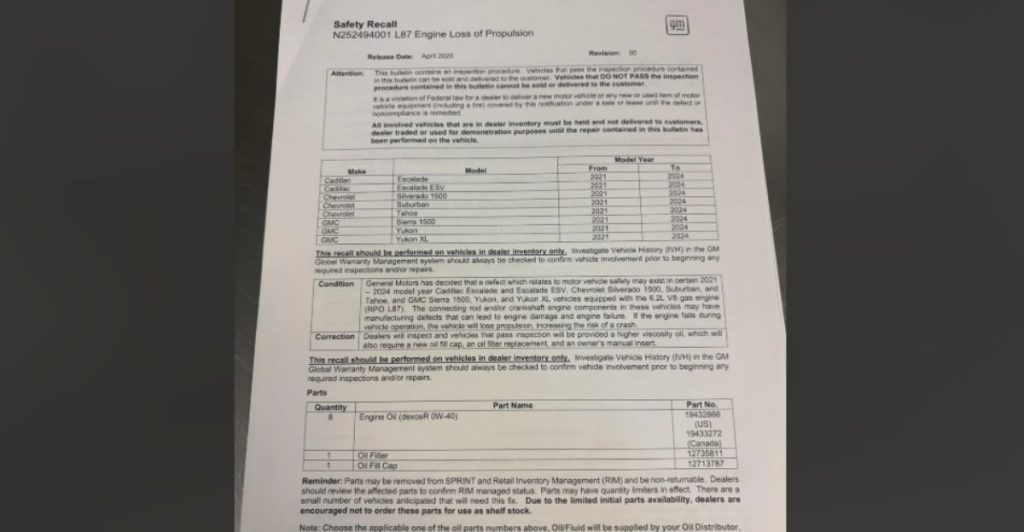
So what happens when your 6.2L falls under this recall? You take it to the dealer, they check whether the engine shows signs of the defect, and they either replace the engine or adjust how it’s fed. If there’s evidence of damage, the solution is to install a new engine with updated parts. If it “passes,” the fix is more subtle: drain the original 0W‑20, refill with thicker 0W‑40, fit a new cap and filter, and add updated guidance in the owner’s manual.
The theory is that higher‑viscosity oil gives extra protection to bearings that might otherwise be marginal. On a service invoice, that all looks straightforward. From an owner’s perspective, especially if you tow or pile on highway miles, “we put heavier oil in it” may not quiet the nagging question: is this really cured, or just less likely to bite me?
The Problems That Kept Coming After The Recall
If the thicker oil and engine swaps had completely solved the issue, this story would have faded fast. Instead, regulators started seeing a new pattern: owners reporting engines failing even after recall work was completed. Some of those trucks had received the oil change remedy. Others were running on replacement engines. In both cases, drivers still described sudden failures.
That was enough for safety officials to open a fresh investigation specifically into post‑recall L87 failures and whether the remedy is actually doing its job. For people who wrench on their own rigs, that’s the red flag: when the “fix” itself becomes part of a federal probe, you know the story isn’t over.
New Trucks Quietly Get Clean Hardware
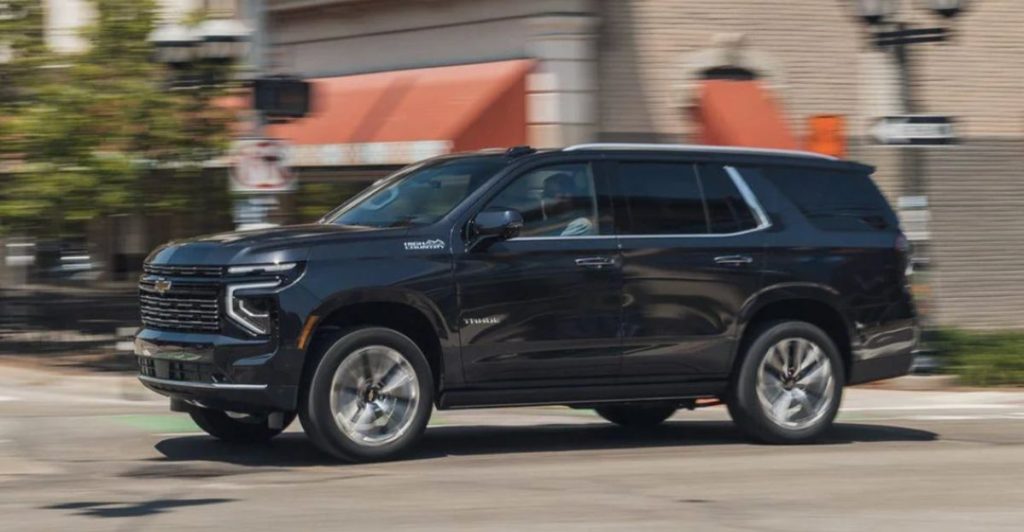
The 2025 model‑year trucks and SUVs with the 6.2L L87 are not part of this recall. That’s not luck; it’s because GM and its suppliers changed how those engines were built. Manufacturing improvements brought crank and rod quality back where it should have been, and GM says that newer engines aren’t affected by this defect. In other words, by the time owners were learning about the recall, the factory was already shipping 2025 trucks and SUVs with “fixed” 6.2s.
Great if you’re buying new. Less great if you bought a 2021–2024 and spent months wondering whether the same company had quietly solved the problem in new inventory while your truck was still out there with old hardware.
Warranty Bills And What They Reveal
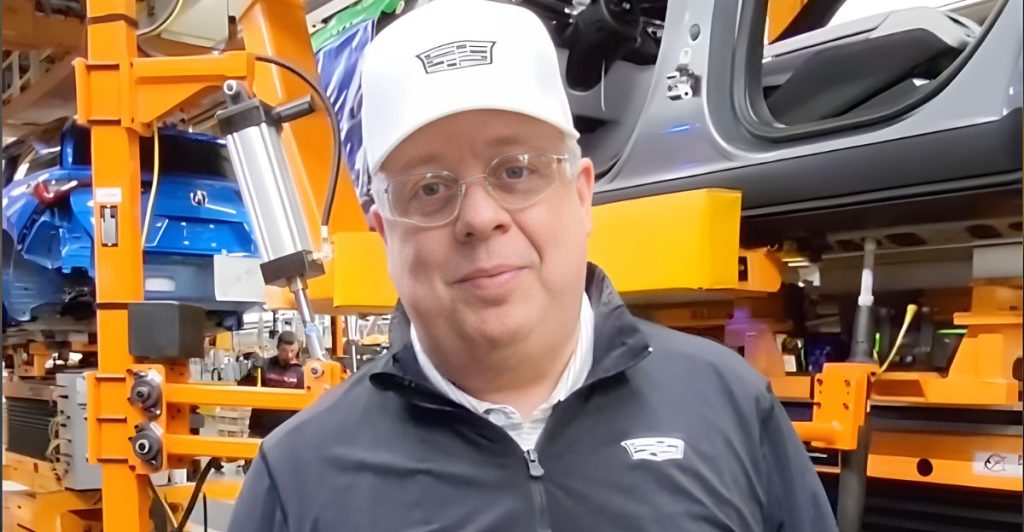
Replacing engines in premium trucks is brutally expensive. GM’s own financials show warranty costs spiking by hundreds of millions of dollars in the quarter when this recall hit, with executives acknowledging that warranty has become one of the company’s biggest line items. The CFO has said on the record that GM “is not happy” with how those costs are trending, even as the company insists customer safety is the priority.
For many owners, that’s where corporate drama and driveway reality collide. When a problem this big runs for this long, and the fix comes only after regulators step in and new production is already cleaned up, it’s hard not to wonder how much of the timing was driven by engineering and how much by accounting.
If You Own One—Or Want One—What Now?
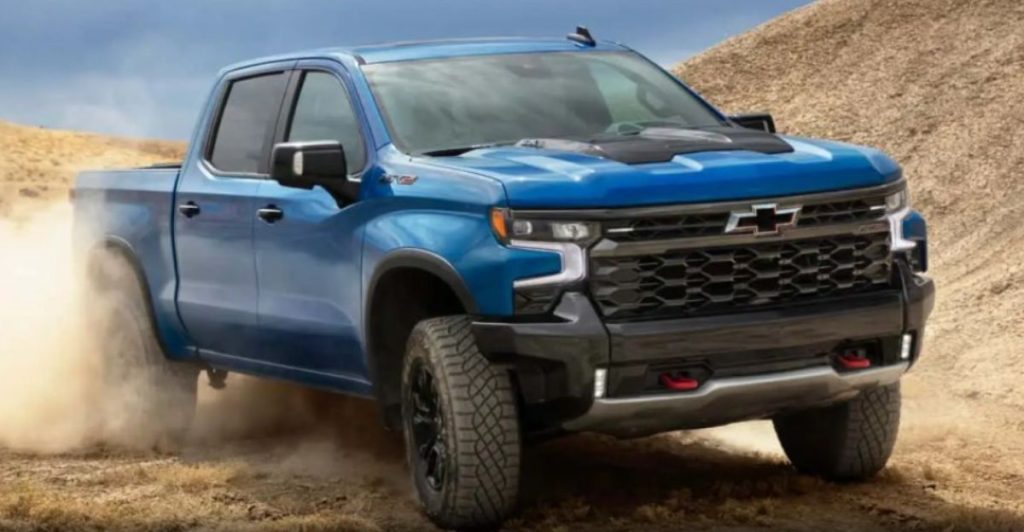
If you’re driving a 2021–2024 GM truck or full‑size SUV with the 6.2L L87, treat the recall as mandatory, not optional. Get the work done, keep every service record, and pay attention to how the engine behaves afterward—especially if you tow or run long highway days. If you’re shopping used, ask directly: has the recall been completed, and has this engine had any prior work?
A well‑sorted L87 is still a fantastic V8—strong, smooth, and right at home in a big truck. But this episode makes one thing clear: buying the flagship engine doesn’t just mean more power. It means you’re the one who notices first when the company gets its gamble on quality control wrong.
Sources
NHTSA Part 573 Safety Recall Report 25V-274 – National Highway Traffic Safety Administration
NHTSA ODI Recall Query RQ26-001 Resume – National Highway Traffic Safety Administration
NHTSA ODI Engineering Analysis EA25-007 Resume – National Highway Traffic Safety Administration
GM 6.2L L87 Engine Recall Drove Up Warranty Expenses In Q2 2025 – GM Authority
GM Software Issue Warranty Expenses Significantly Reduced In Q2 2025 – GM Authority5