GM Recalls 12,000 Brand-New Silverados And Sierras Over Engine Stall Risk—Your Truck Could Die In Traffic
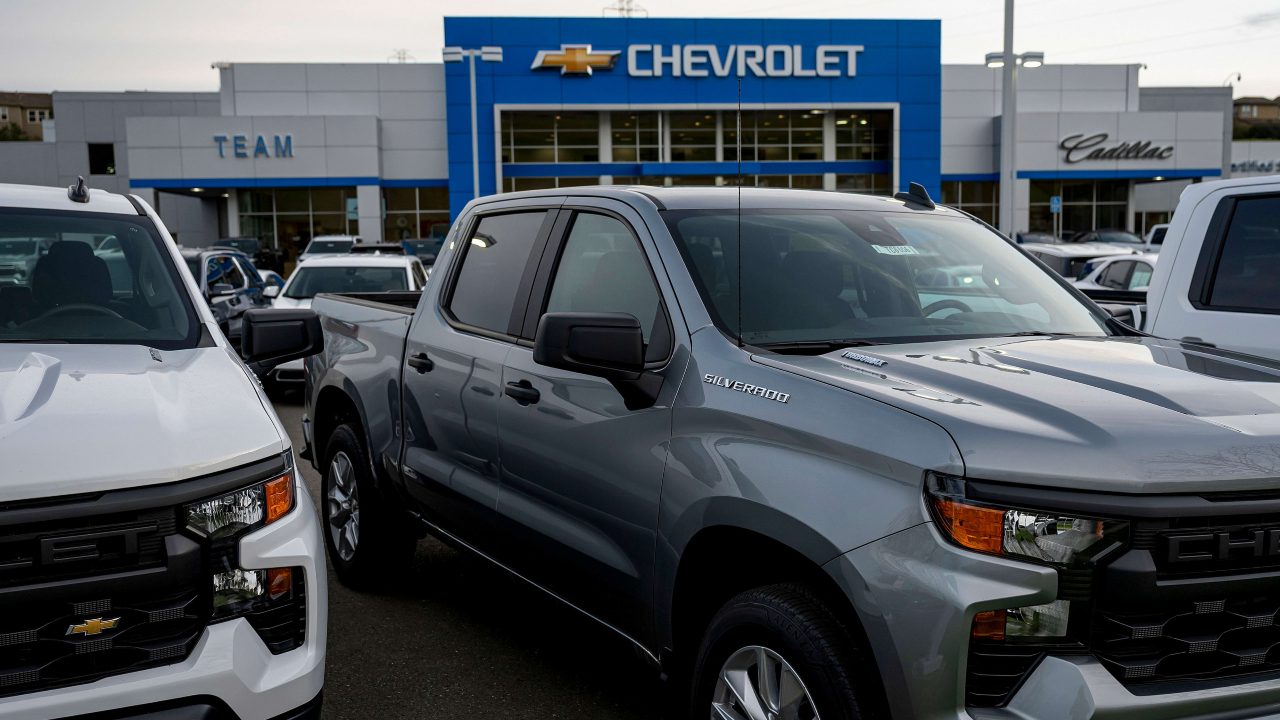
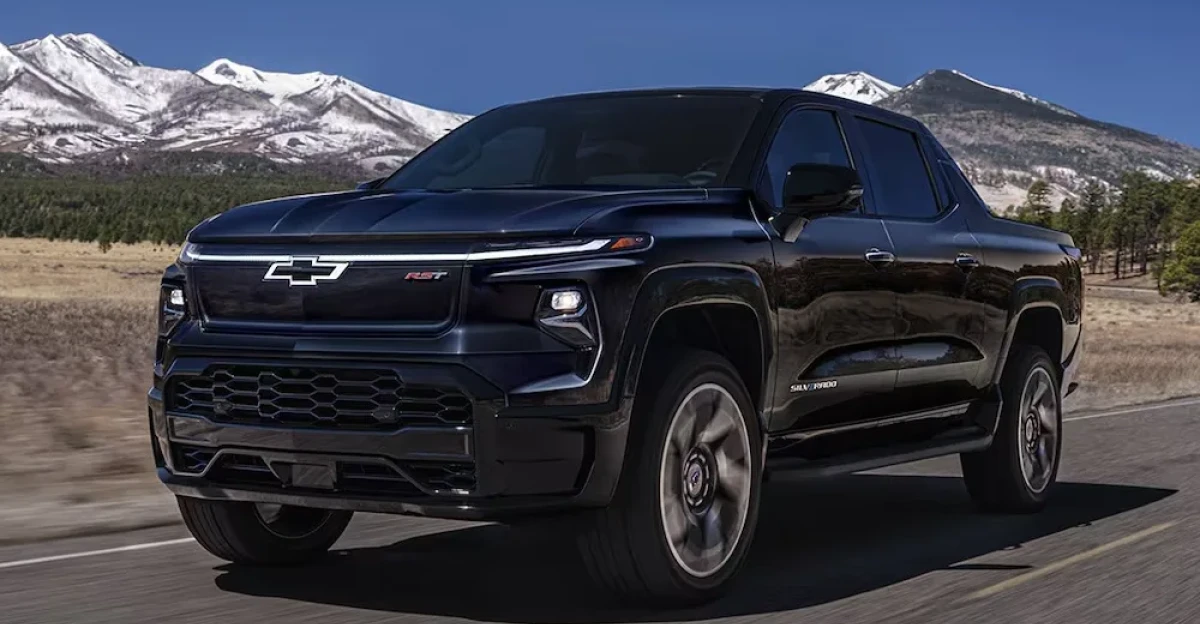
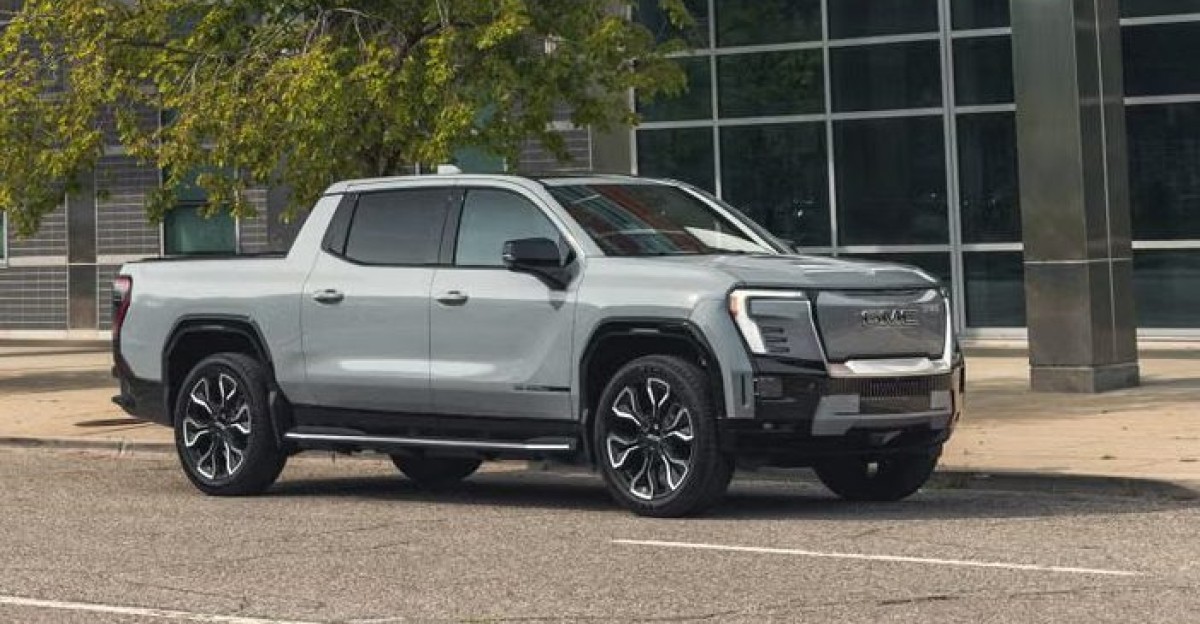
General Motors just recalled nearly 12,000 Chevrolet Silverado and GMC Sierra pickup trucks. These are 2025 and 2026 model-year vehicles, about as “new” as it gets in the current lineup. The defect is an engine stall risk that can kill propulsion while the truck is moving. A full-size pickup truck is losing power with no warning. Nearly 12,000 of them are on American roads right now. Most people heard the headline and moved on. The part worth paying attention to is how far this actually reaches.
Why It Stalls
The specific technical mechanism behind the stall risk lives in NHTSA’s campaign documents, not in the news headlines. That matters. NHTSA maintains a public recall database where manufacturers submit defect descriptions, chronologies, and remedy plans. The details that tell you exactly what fails and under what conditions sit in government PDFs that most owners never read. GM filed the paperwork. NHTSA published it. The gap between “recall announced” and “owner understands the risk” is where the real danger lives.
Your Commute
An engine stall means losing propulsion while surrounded by cars. There is no gradual slowdown or dashboard countdown. The engine quits, and the driver faces a sudden loss of propulsion. For a family hauling kids to school or a contractor merging onto a highway, that transforms a Tuesday morning into a roadside emergency. The recall fix is free. The cost of not knowing your truck is affected is measured in scenarios nobody wants to rehearse.
Dealer Bottleneck
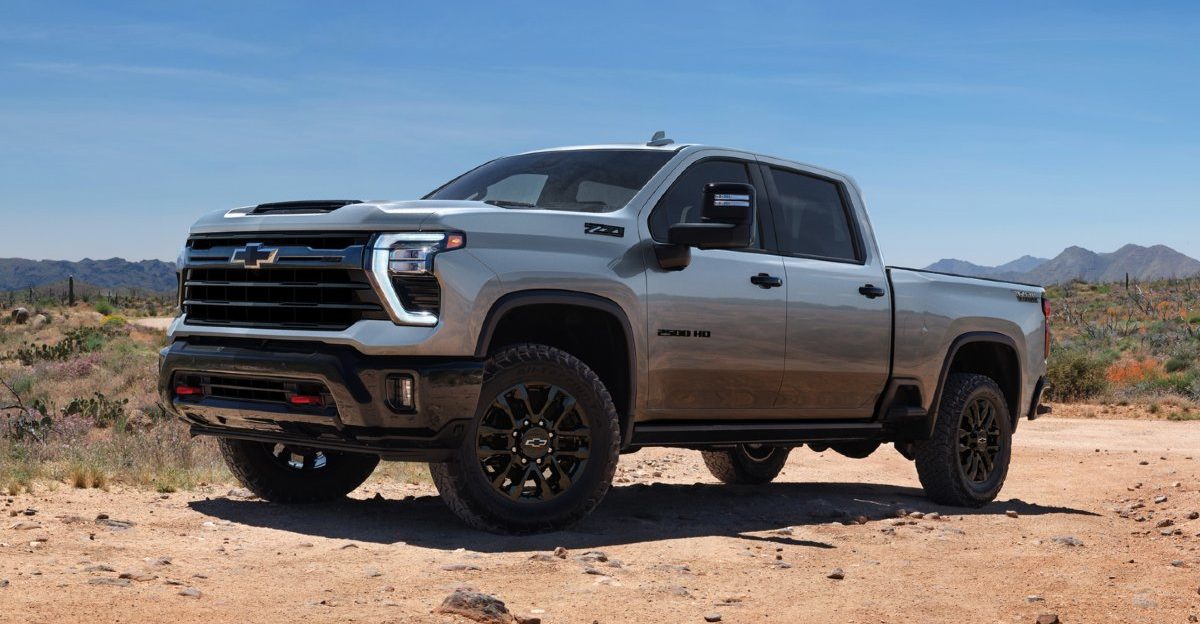
Nearly 12,000 trucks need the same repair, and every one of them funnels through a GM dealership service bay. That is roughly the number of vehicles in a small town competing for appointment slots. Dealers absorb recall workload on top of regular maintenance schedules, and service capacity does not expand overnight. Owners who act fast get fixed fast. Owners who wait could face delays that stretch the window of exposure. The repair is free. The wait is not guaranteed to be short.
New Means Safe?
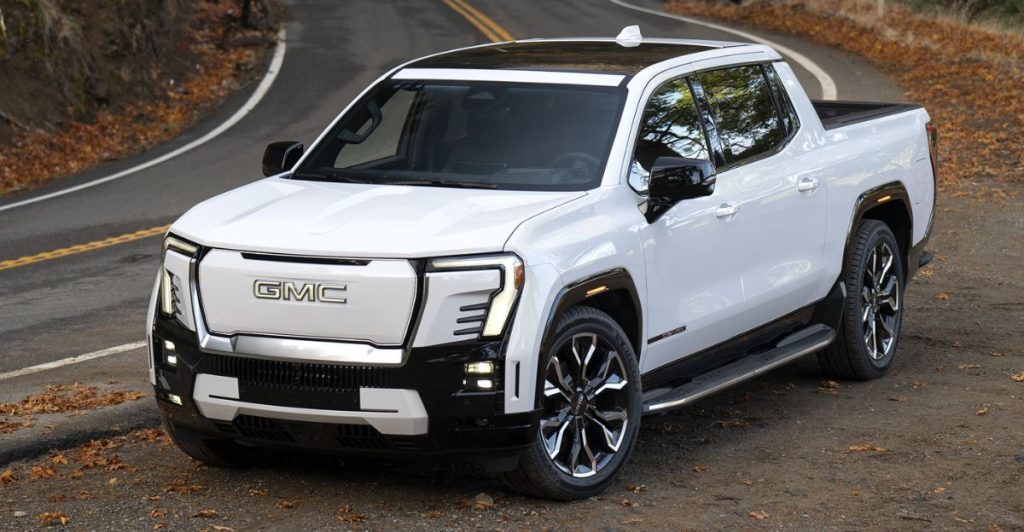
This is where the assumption breaks. These are not decade-old trucks with worn-out parts. They rolled off the line as 2025 and 2026 models. The myth that a new model year equals a defect-free vehicle just took a direct hit. Automakers and dealers sell confidence alongside the sticker price. “Peace of mind” is part of the pitch. Yet here sits NHTSA publishing a stall-risk recall for trucks that some buyers have made only 3 payments on. New hardware does not eliminate defects. It just makes the surprise sharper.
The Real System
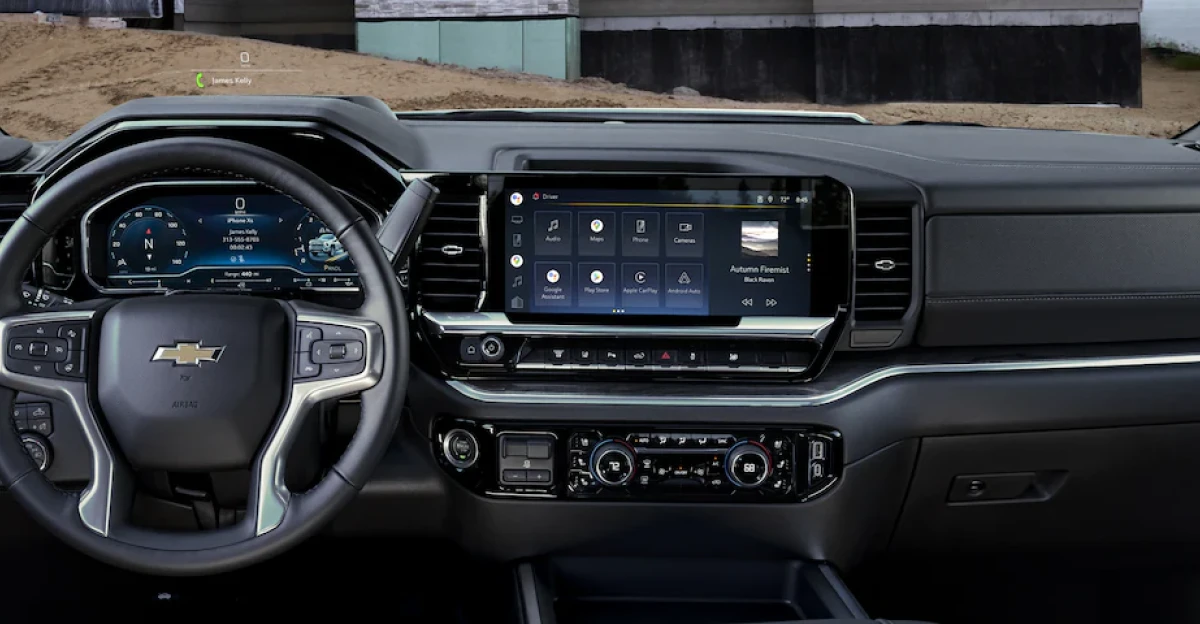
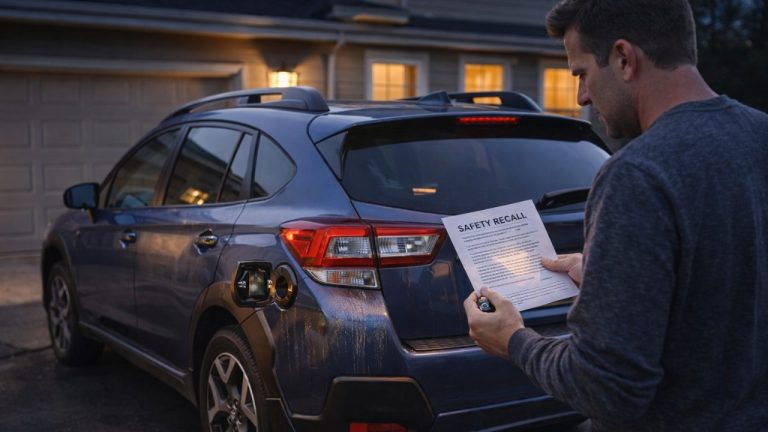
The recall itself is just the trigger. The system behind it is what determines whether anyone actually gets protected. NHTSA publishes the defect. GM files the remedy. Chevrolet and GMC owner portals convert that filing into a VIN lookup tool. The owner checks. The owner schedules. The dealer repairs. Every link in that chain requires a human being to act. One broken link, one ignored letter, one skipped VIN check, and the truck stays on the road unrepaired. The system works. Only if you use it.
Living With It
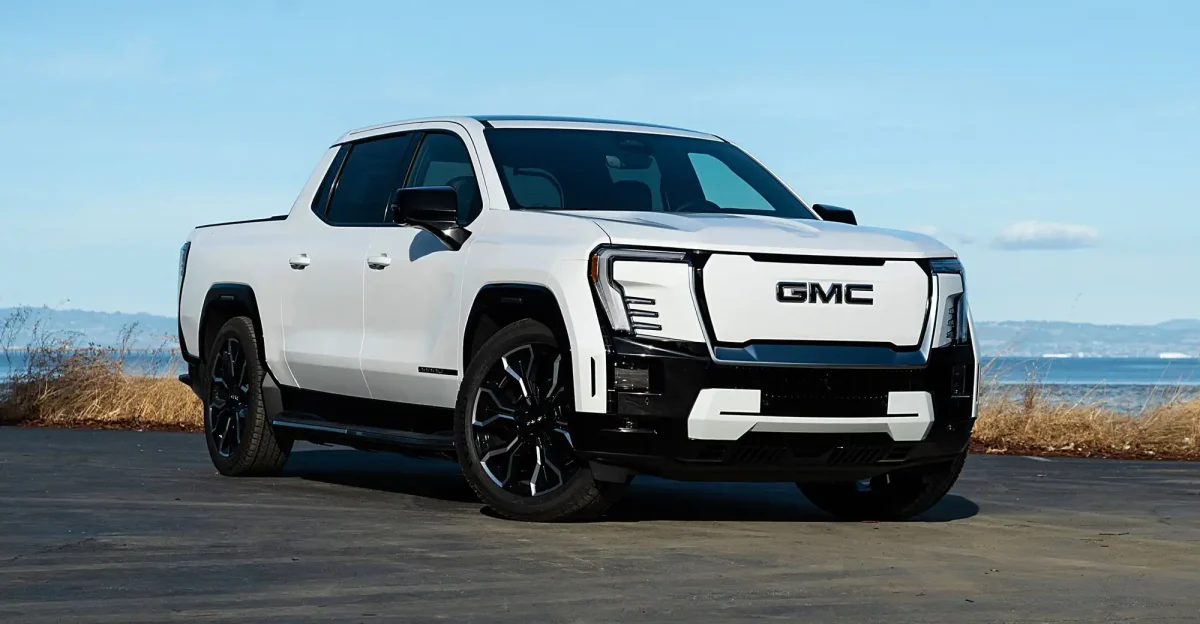
No quotes from GM executives soften this part. The reality for affected owners is blunt: every drive between now and the completed repair carries uncertainty. Recall compliance is voluntary. Nobody forces an owner to bring the truck in. If even ten percent delay, that puts an estimated 1,200 trucks on the road with an active stall risk. Up to twelve hundred vehicles whose drivers chose to wait, forgot, or never checked. The people sharing lanes with those trucks did not get a choice.
Bigger Precedent
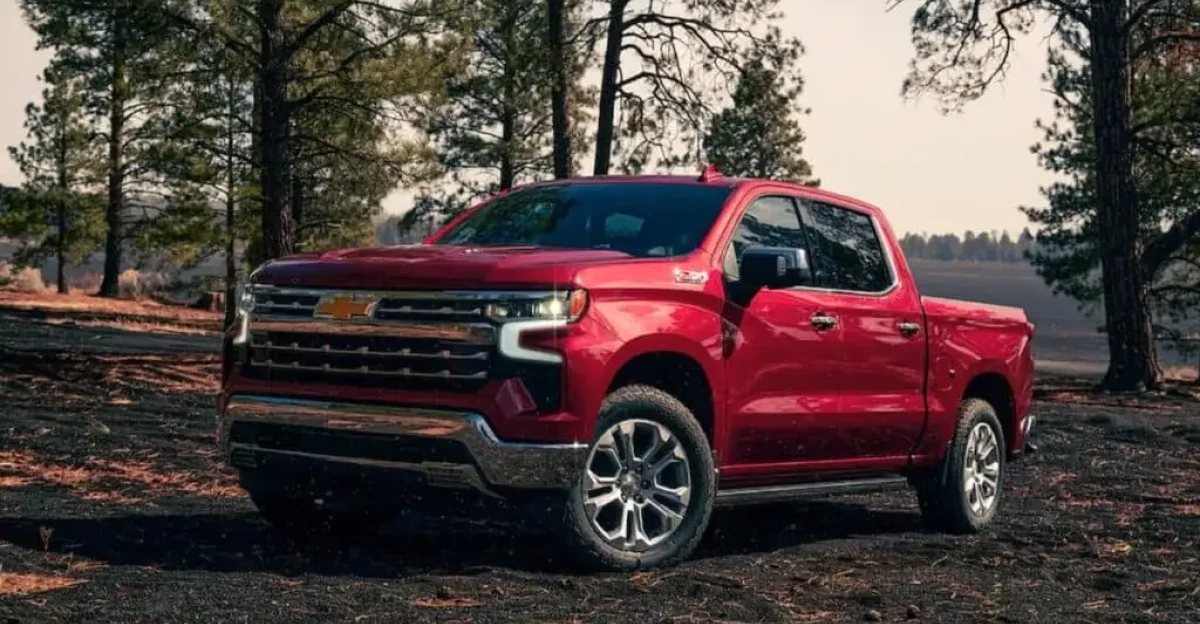
NHTSA’s recall database is the federal government’s central registry for vehicle safety defects. Every campaign filed here becomes public record, searchable by VIN, accessible to anyone. That system exists because decades of automotive history proved one thing: manufacturers will not always volunteer bad news quickly enough. This recall reinforces NHTSA as the source of truth, not the dealership, not the brand website, not the commercial during the football game. The precedent is procedural: trust the VIN lookup, not the model year.
Winners and Losers
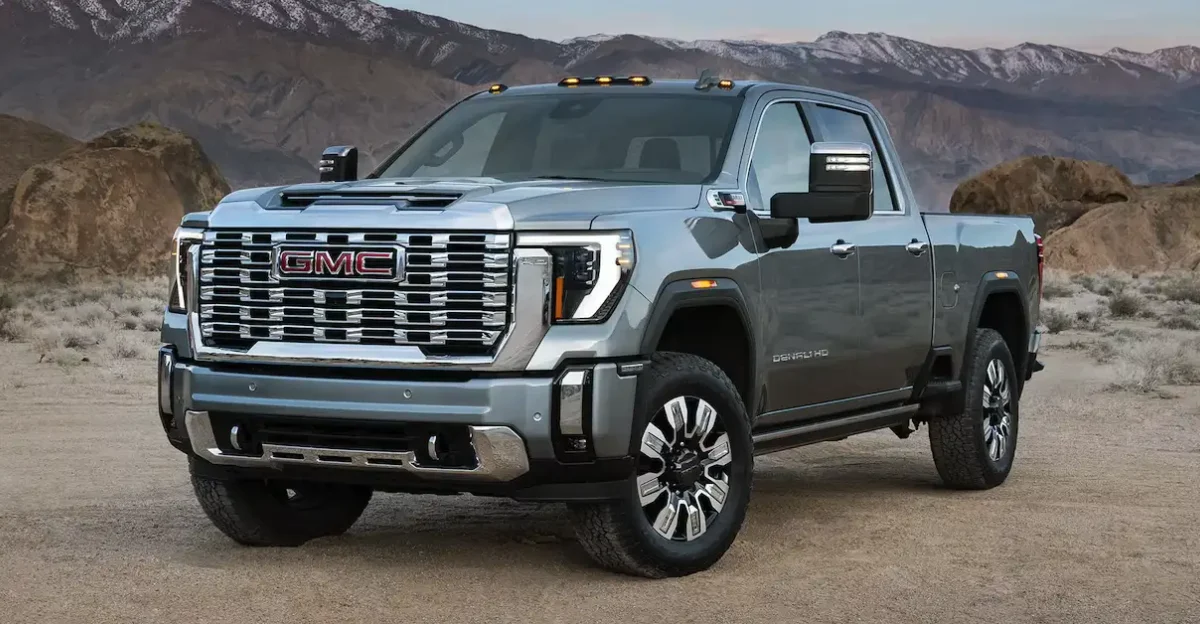
Owners lose time, even when the repair costs nothing. A day off work, a rental arrangement, the hassle of scheduling around a service department’s backlog. GM absorbs warranty cost and reputation damage on trucks marketed for rugged reliability. The winners, quietly, are the owners who check their VIN this week and get ahead of the rush. The losers are the ones who assume “new truck” means “no problems” and never look. That gap between action and assumption is where risk compounds.
Not Over
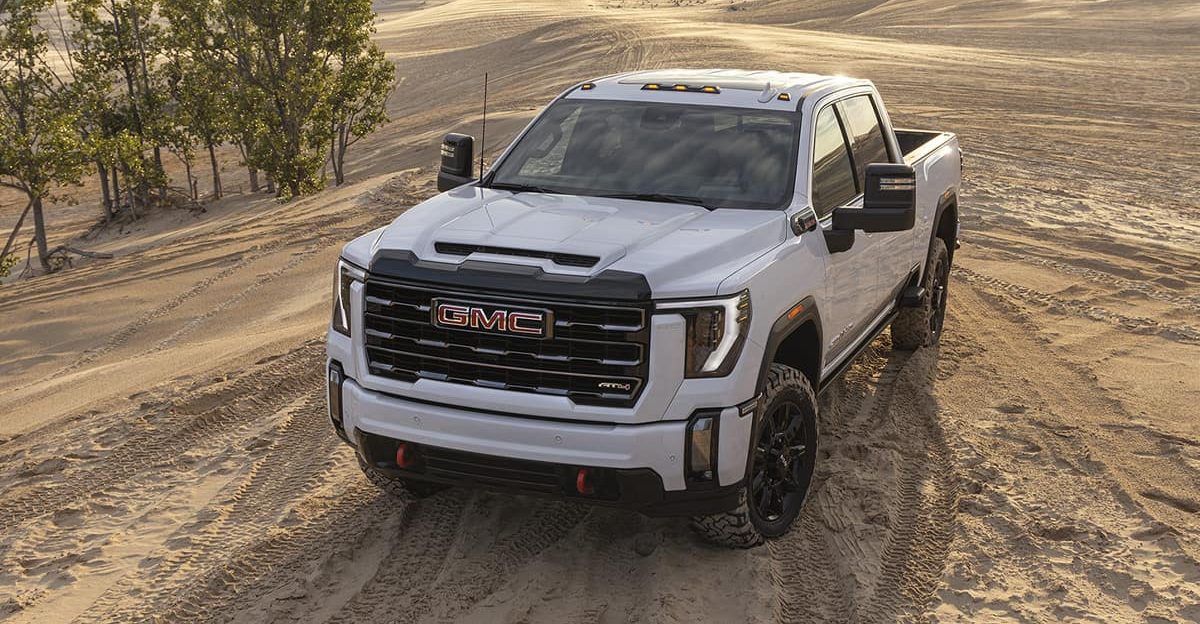
GM and its brand portals are pushing owner messaging to drive recall completion rates. If stall incidents increase before enough trucks get repaired, NHTSA’s campaign documents could be updated with an expanded scope or revised remedy details. The cascade is not finished. It moves from filing to notification to appointment to repair, and every stage leaks owners who do not act. The VIN lookup takes minutes. Chevrolet and GMC both host it. Knowing whether your truck is on that list is the difference between passive ownership and actual safety. Check the VIN.
Sources:
“Part 573 Safety Recall Report 26V129.” National Highway Traffic Safety Administration (NHTSA), March 5, 2026.
“GM Recalls Nearly 12,000 Pickup Trucks Over Engine Stall Risk.” LiveNow Fox, March 10, 2026.
“Chevy Silverado HD, GMC Sierra HD Recalled For Engine Stalling.” GM Authority, March 9, 2026.
“GM Recalls Silverado and Sierra HD Trucks That Could Stall Unexpectedly.” Autoblog, March 8, 2026.