GM Pours $1.54B Into 72-Year-Old V8 While 28,000 Complaints And 12 Crashes Haunt Current Fleet
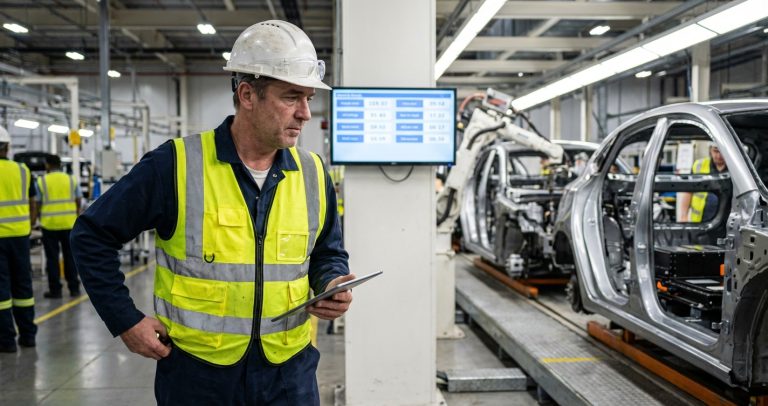
Somewhere inside the Tonawanda Propulsion plant, a 90-year-old engine facility in western New York, workers prepared tooling for a V8 that General Motors called the future. The sixth generation of the Chevrolet Small Block, a family stretching back to 1955 and spanning over 100 million units sold. An “exciting new chapter,” the plant director said in May 2025. Outside those walls, 721,000 vehicles sat under a global bearing-defect recall, and federal investigators had already started asking uncomfortable questions about whether GM’s fix actually worked.
The Price Tag Nobody Expected
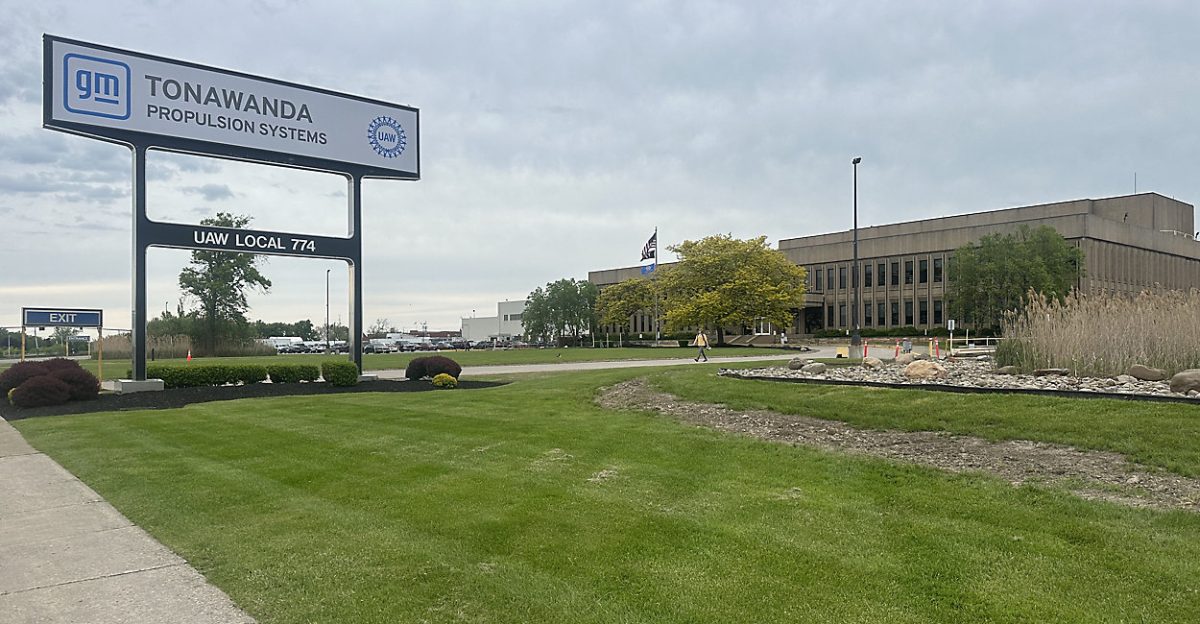
GM committed $888 million to Tonawanda alone, the largest single engine-plant investment in company history. Add $579 million previously allocated to Flint Engine and $150 million announced for Saginaw Metal Casting in April 2026, and the total reaches $1.617 billion for one engine generation. That represents roughly 17 percent of GM’s approximately $9.3 billion actual 2025 capital spend and around 14 to 16 percent of its original $10 to $11 billion guidance, concentrated on naturally aspirated V8 technology while the rest of the auto industry chased electrification. Three core plants. One bet. And a 2027 production deadline already ticking.
What Went Wrong First
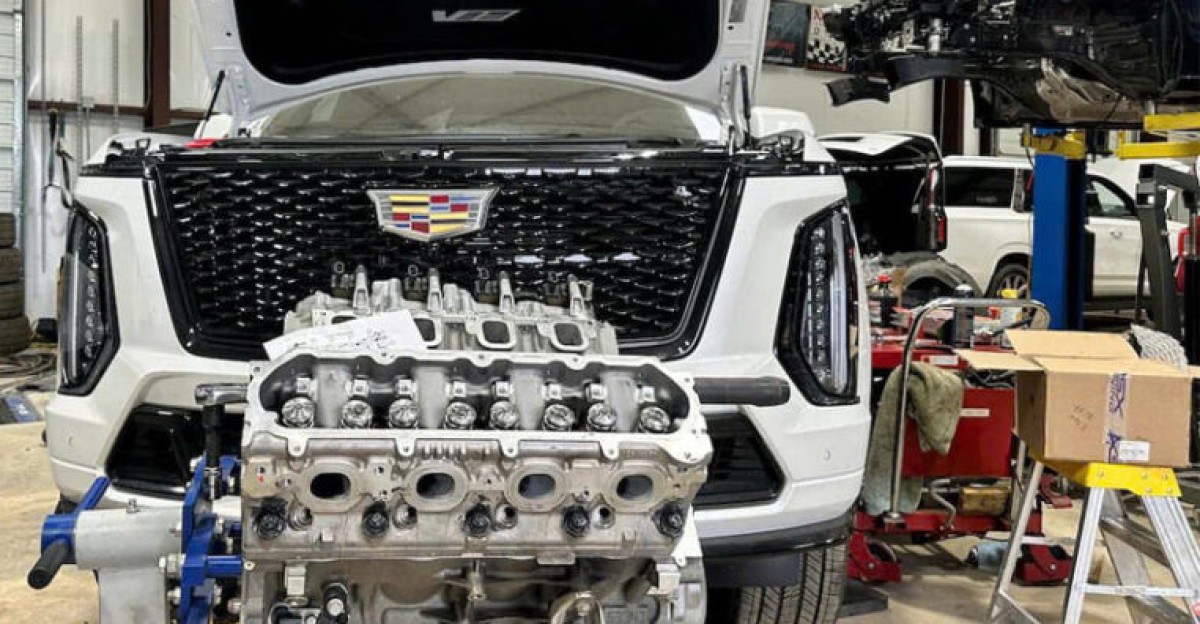
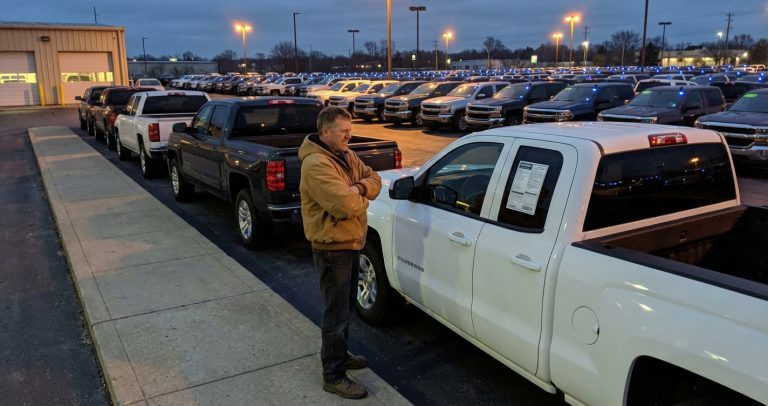
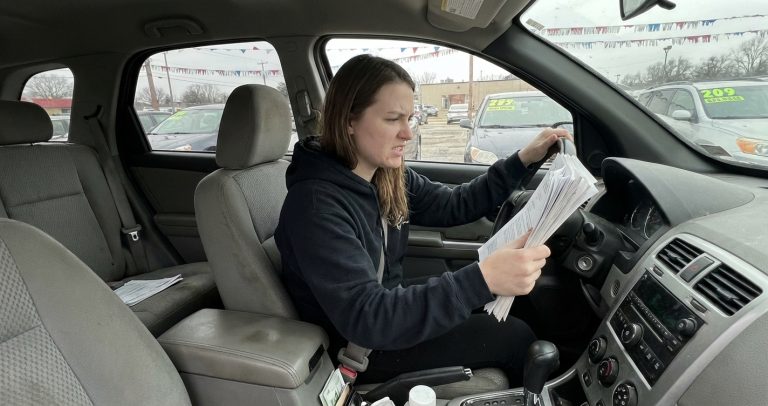
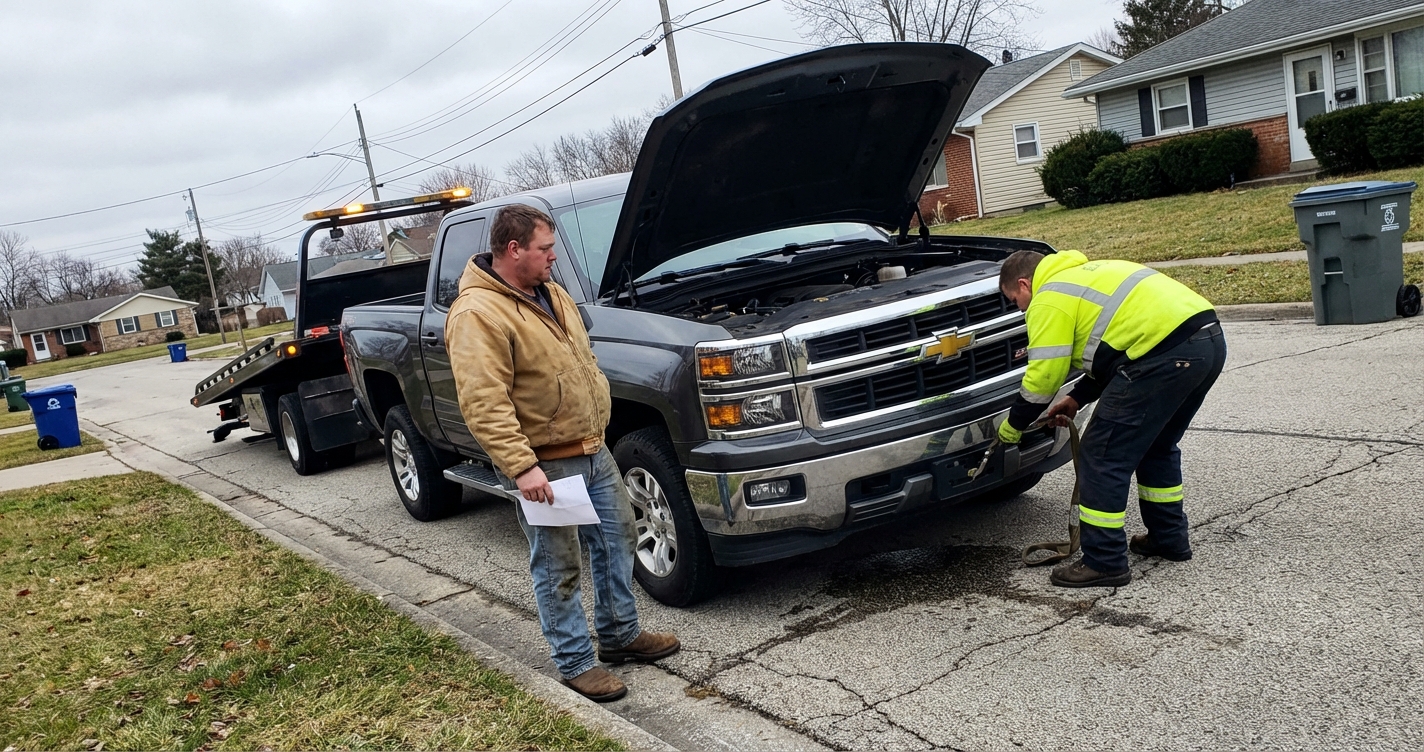
Between March 2021 and May 2024, GM’s fifth-generation 6.2L V8 engines developed bearing defects tied to manufacturing contamination and dimensional errors. Field complaints piled up: 28,000 documented reports of mechanical failure since 2021. Twelve crashes. Twelve injuries. The April 2025 recall covered nearly 598,000 SUVs and pickups in the U.S., with the global figure reaching 721,000 vehicles. Anyone who assumed the recall closed the chapter missed the fine print. NHTSA opened its own defects investigation on January 16, 2025, questioning whether GM’s fix was adequate.
The Quote That Said Everything
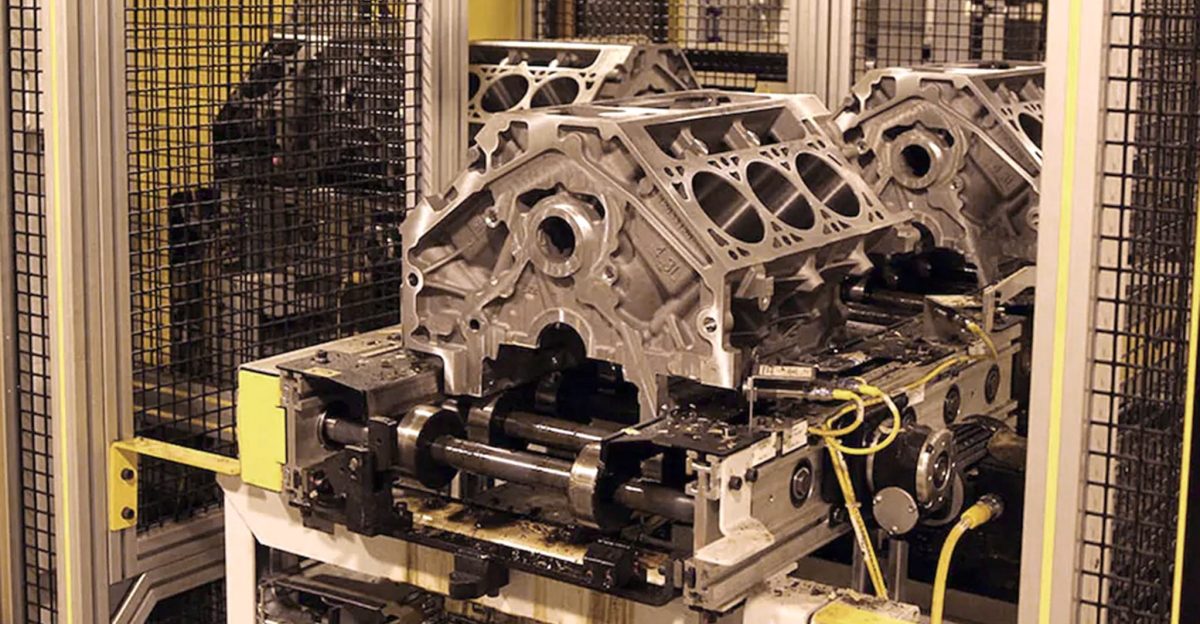
Tonawanda plant director Tara Wasik declared, “This investment marks an exciting new chapter for our plant.” She said it in May 2025. The same month 721,000 vehicles worldwide carried active recall notices. The same window NHTSA investigators probed whether prior bearing fixes held. Either that is forced optimism from a company managing crisis optics, or genuine confidence that the engineering overhaul resolves systemic failures. The $888 million check cleared during an open federal investigation. That timing tells you everything about the pressure GM faced to rewrite this story fast.
Engineering the Apology
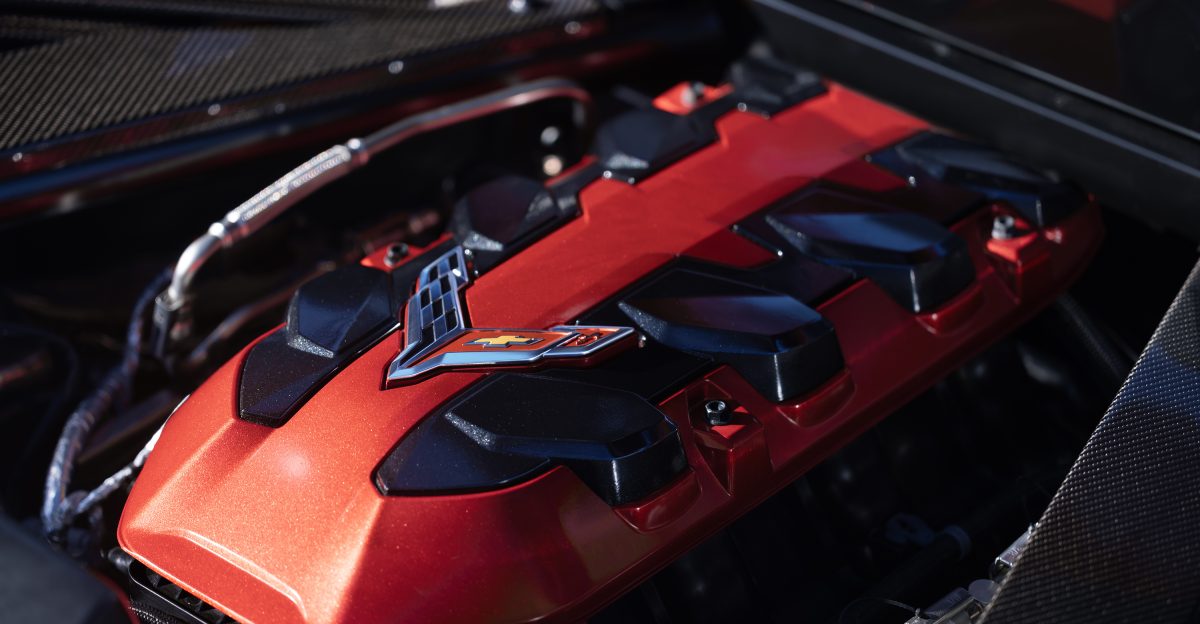
The new LS6 Corvette V8 runs a 13.0:1 compression ratio, the highest ever fitted to a production Corvette engine. That is Formula 1 territory on pump gas. It works because of a dual-injection system combining direct and port injection, called PDI, which manages fuel delivery with enough precision to prevent detonation at those pressures. The engineering is real. But the system also compensates for the exact kind of manufacturing tolerance failures that produced 28,000 complaints. GM built a brilliant engine partly because the old production line proved it couldn’t maintain precision without one.
The Numbers Behind the Muscle
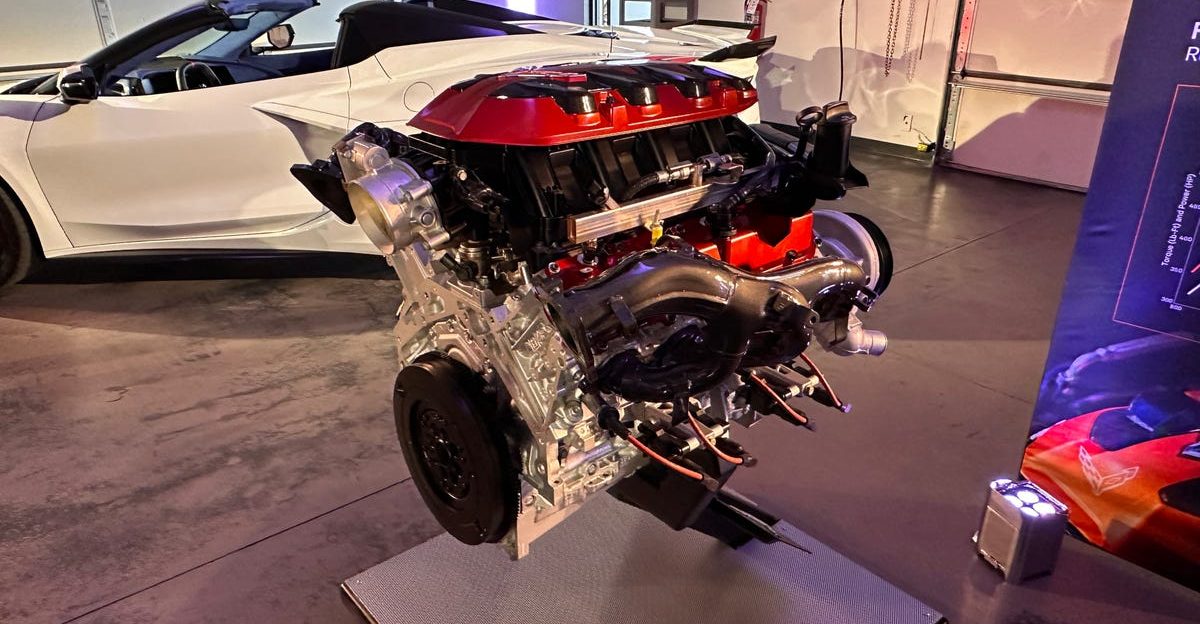
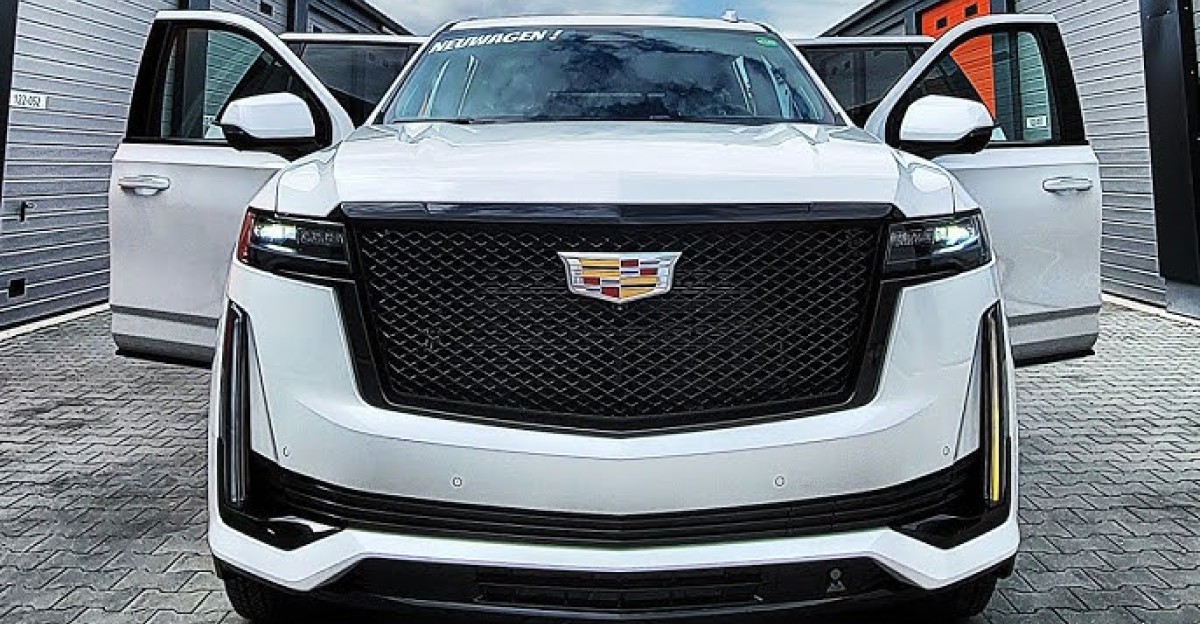
The Corvette LS6 produces 535 horsepower at 6,100 rpm and 520 lb-ft of torque at 4,600 rpm, the highest naturally aspirated V8 torque figure in production history. Silverado and Sierra buyers get different versions: 5.7-liter and 6.6-liter variants for light-duty trucks, with the 6.6L replacing the outgoing 6.2L as the flagship option and output figures not yet officially confirmed by GM. GM withheld the full 6.7-liter Corvette engine from trucks entirely. That split likely protects Corvette’s premium positioning, though the difference amounts to a 2mm stroke adjustment, suggesting engineering decisions may be as much a factor as marketing ones. Six vehicle platforms receive the new V8: Silverado, Sierra, Tahoe, Suburban, Yukon, and Escalade.
Who Feels It Next
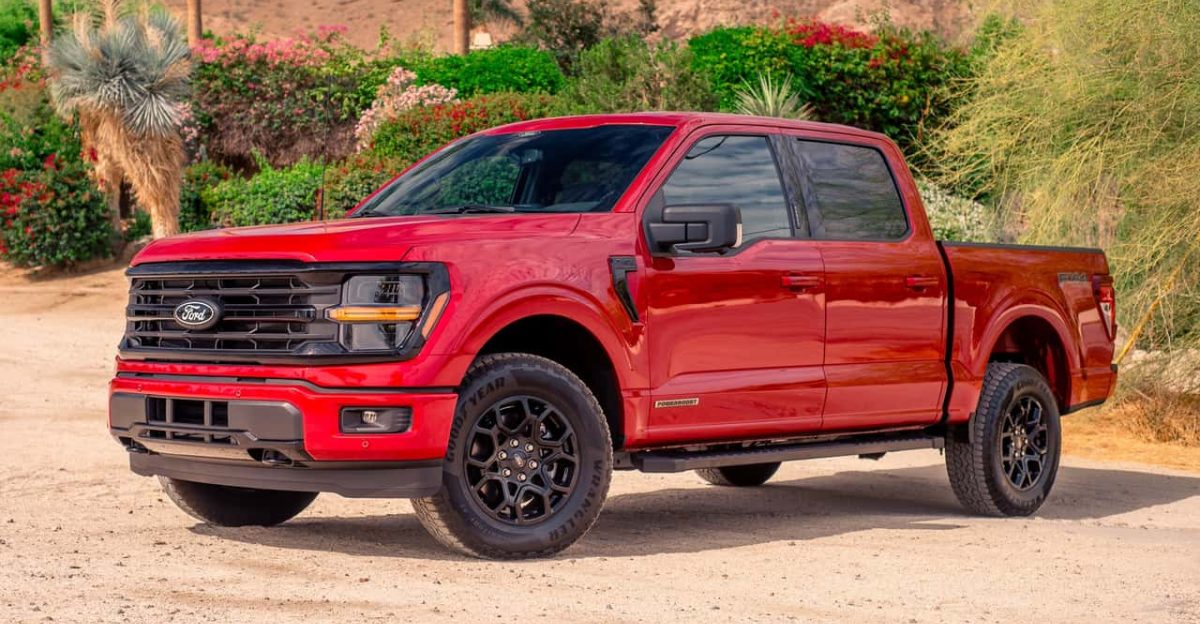
Ford already deploys its own combined port and direct injection (PFDI) system across its EcoBoost engine lineup, meaning GM’s PDI system enters a dual-injection market rather than defining one. Ram reversed course in 2025, bringing the existing 5.7-liter HEMI back in the 2026 Ram 1500 after customer backlash, the same engine and not a new generation, while its longer-term roadmap points toward hybrid powertrains. A naturally aspirated V8 gap in the full-size truck market still exists, and GM is positioned to own it. If the dual-injection system proves reliable through 2027 to 2030, it becomes the industry benchmark for ICE truck powertrains. UAW workers at Tonawanda, Saginaw, and Flint have job security tied directly to V8 production volume. Full-size trucks still generate among the highest profit margins in the automotive industry, and GM just locked that cash engine through 2035.
The Calendar Nobody Mentions
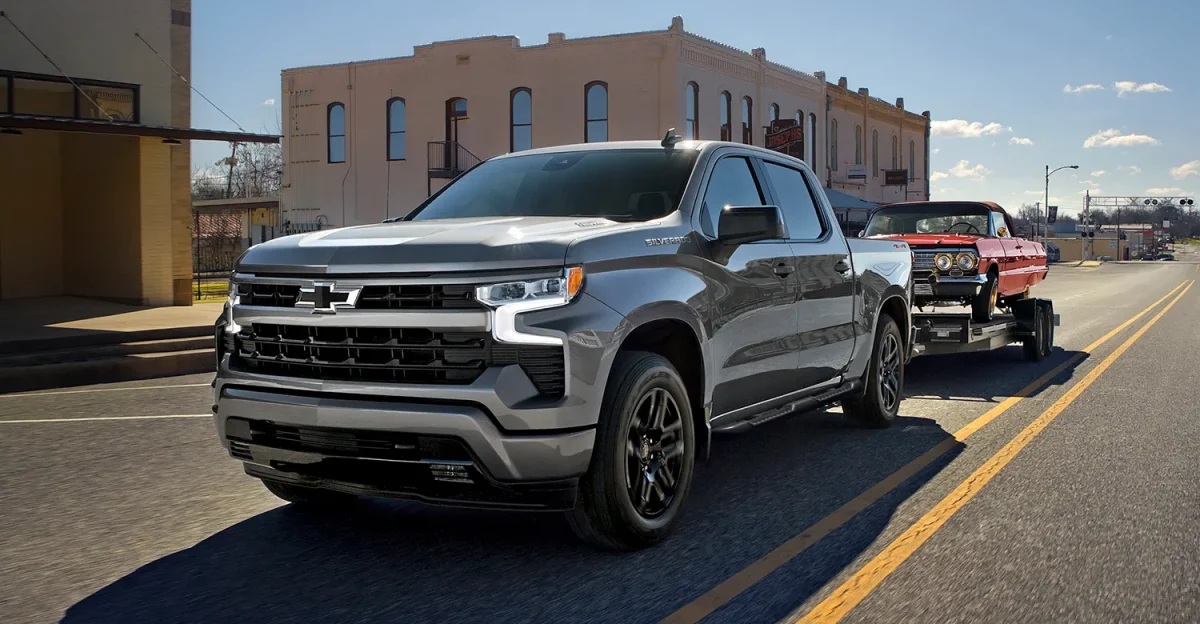
NHTSA’s active Engineering Analysis, opened in October 2025, carries an 18-month completion window pointing toward April 2027. GM announced the $150 million Saginaw investment in April 2026, well ahead of that deadline. The Silverado reveal is expected late 2026. Once you see the calendar, the strategy crystallizes: GM locked in every major investment announcement and product reveal before federal investigators could issue findings that might force an expanded recall or reshape the narrative. This is the 72-year-old Small Block’s sixth generation. It is also a regulatory chess move disguised as an engineering celebration.
The Bet That Can’t Be Unwound
If NHTSA clears GM’s June 2024 manufacturing fix, the April 2026 Saginaw announcement looks like proactive genius. If investigators find systemic defects persisting, the entire $1.617 billion narrative collapses into damage control. The 2027 Silverado launch locks the production pipeline through 2028 and 2029 model years. Should EV adoption accelerate faster than projected, V8 inventory risk grows with every unit built. GM contributed $50 billion directly to U.S. GDP in 2024. Walking away from V8 profitability was never an option. Walking toward it with 28,000 unresolved complaints trailing behind takes a different kind of nerve.
What Your Next Truck Knows That You Don’t
Competitors are already responding. Ford’s PFDI dual-injection system is already deployed across its lineup. Ram has returned the HEMI to its 2026 1500 under customer pressure, though its long-term powertrain path remains hybrid-oriented. Truck buyers and enthusiasts will likely adopt a wait-and-see posture through 2028, watching whether the sixth-generation V8 holds past 100,000 miles before committing. The V8 is not dead. GM just spent $1.617 billion proving that. But the real test arrives when NHTSA publishes its findings, the first warranty claims roll in, and 72 years of Small Block heritage either survives its worst chapter or gets defined by it.
Editor’s Note (April 2026): Since this article was written, NHTSA’s regulatory actions have escalated on two fronts. In October 2025, the agency upgraded its investigation to a full Engineering Analysis (EA25007) covering 286,000 additional vehicles outside the original recall scope. On January 16, 2026, NHTSA opened a separate Recall Query (RQ26001) investigating whether GM’s recall remedy itself is effective, after 36 owners reported engine failure following completed recall repairs.
Sources
“GM to Invest $888 Million in Tonawanda Propulsion Plant.” General Motors Newsroom, May 2025.
“GM to Invest $579M at Flint Engine Operations to Build Next-Generation V8.” GM Authority, January 2023.
“GM to Invest More Than $150 Million in Saginaw Metal Casting Plant.” General Motors Newsroom, April 2026.
“GM Recalling 721,000 Vehicles Over Engine Issue.” Reuters, April 2025.
“Deep Dive: The 2027 Chevrolet Corvette’s All-New, Next-Generation V8.” Chevrolet Newsroom, March 2026.
“ODI Resume: Preliminary Evaluation PE25001.” National Highway Traffic Safety Administration, January 2025.