GM Patents Chain-Charging Tech as 47% of Americans Fear Running Out of Power
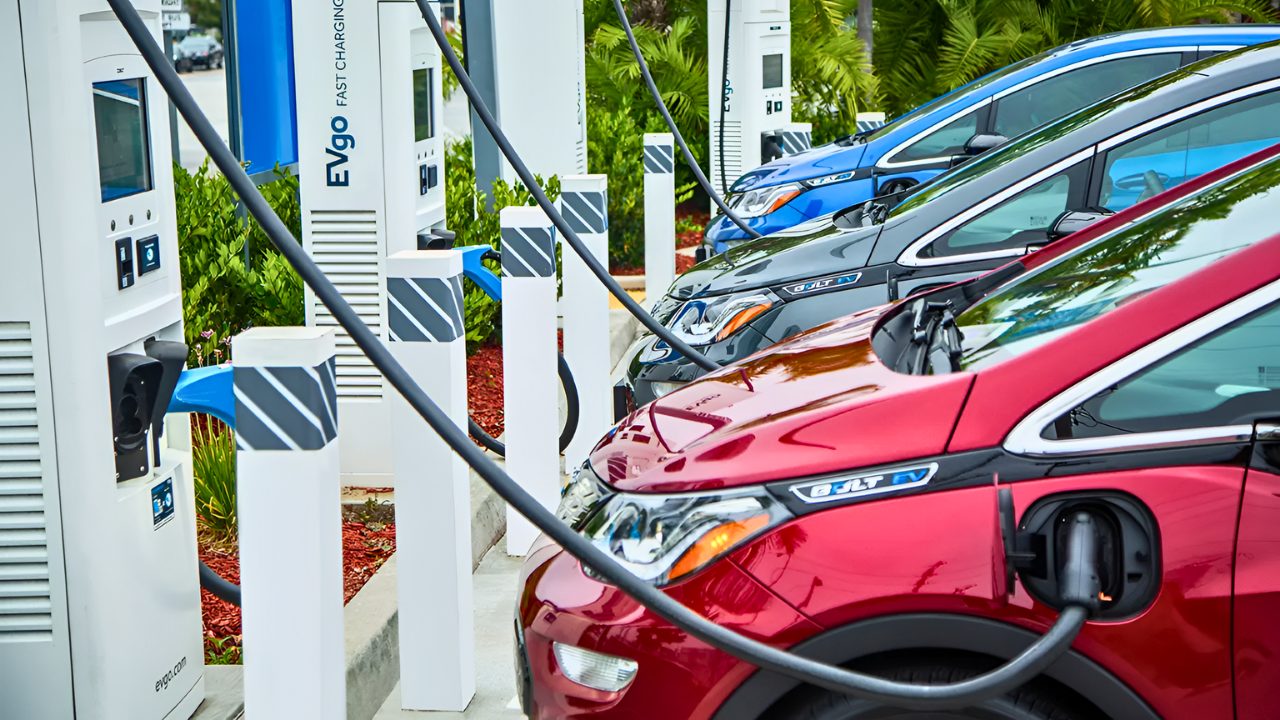
General Motors filed a patent for what amounts to a “daisy chain” charger, a setup that lets one charging station feed multiple electric vehicles at once. Not one car per plug. Multiple cars, powered by a single power source, chained together. The filing lands in the middle of the problem EV drivers complain about most: uncertainty at the charger. You pull up, every stall is taken, and your battery is draining. In a recent national survey, 47% of Americans said they worry about running out of charge before they can plug in, a fear that keeps many from buying an EV at all. The GM filing doesn’t erase that fear overnight, but it shows where the engineering effort is now pointed.
The Bottleneck
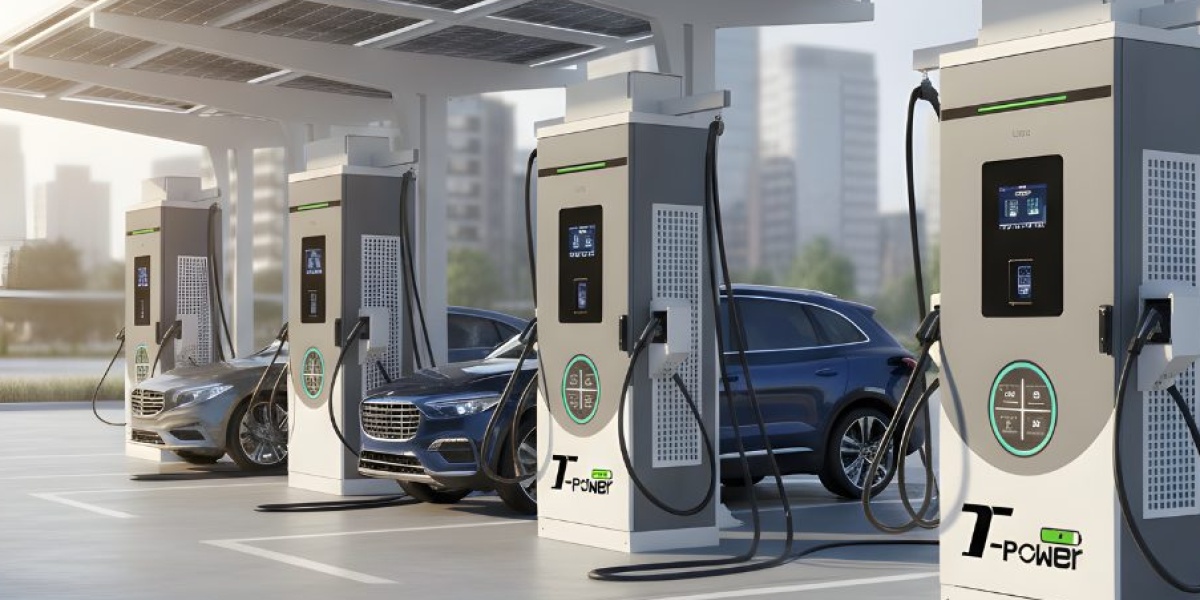
The reason this patent matters goes beyond clever engineering. America’s charging problem was never really about parking spots with plugs. The NEVI program, the federal highway initiative funding EV charger buildouts along major corridors, sets requirements for station deployment. But those requirements focus on stall counts and locations. Power allocation, how kilowatts actually move from grid to battery, gets treated as an afterthought. GM’s filing targets that gap directly: throughput, not headcount. One feed, managed across multiple vehicles. The cause of every charging line you’ve ever seen is architectural, not numerical.
Line Anxiety
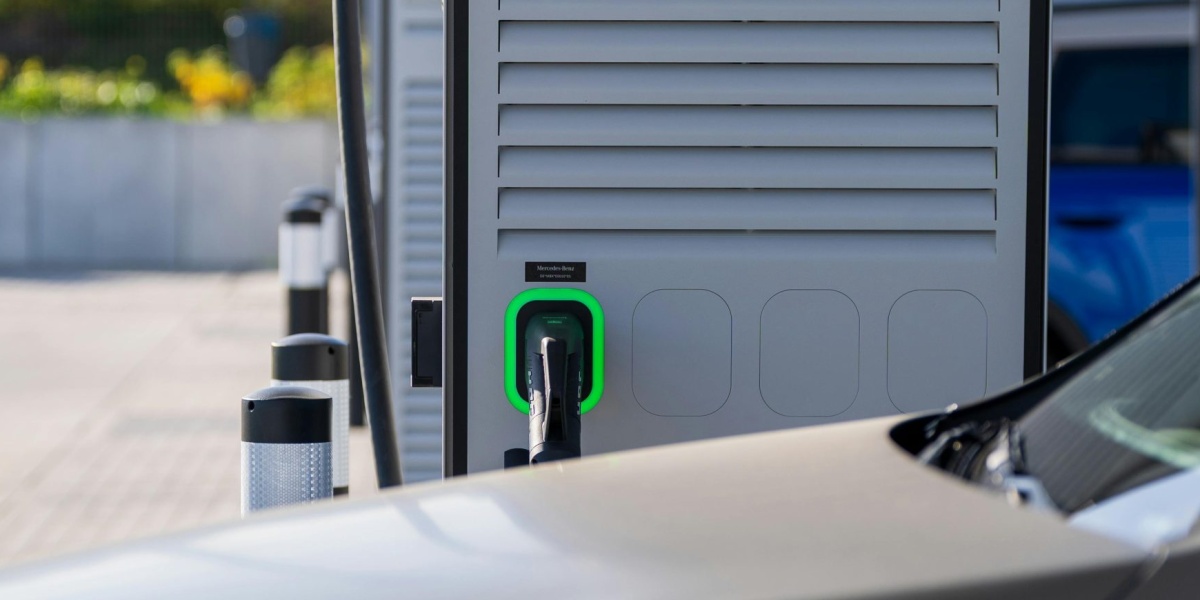
The direct hit lands on families. Picture a holiday road trip, two kids in the back seat, and a long wait at a rest stop because every charger has a car on it. A daisy-chain setup could, in concept, let two or more vehicles draw from the same source simultaneously. That changes queue dynamics overnight. Instead of waiting for a stall to open, you plug in behind someone already charging. The wait shrinks. The anxiety shrinks. That’s one way to chip at the 47% of Americans who say they worry about running out of charge before they can find a working station. The tradeoff is what nobody’s discussing yet.
Network Math
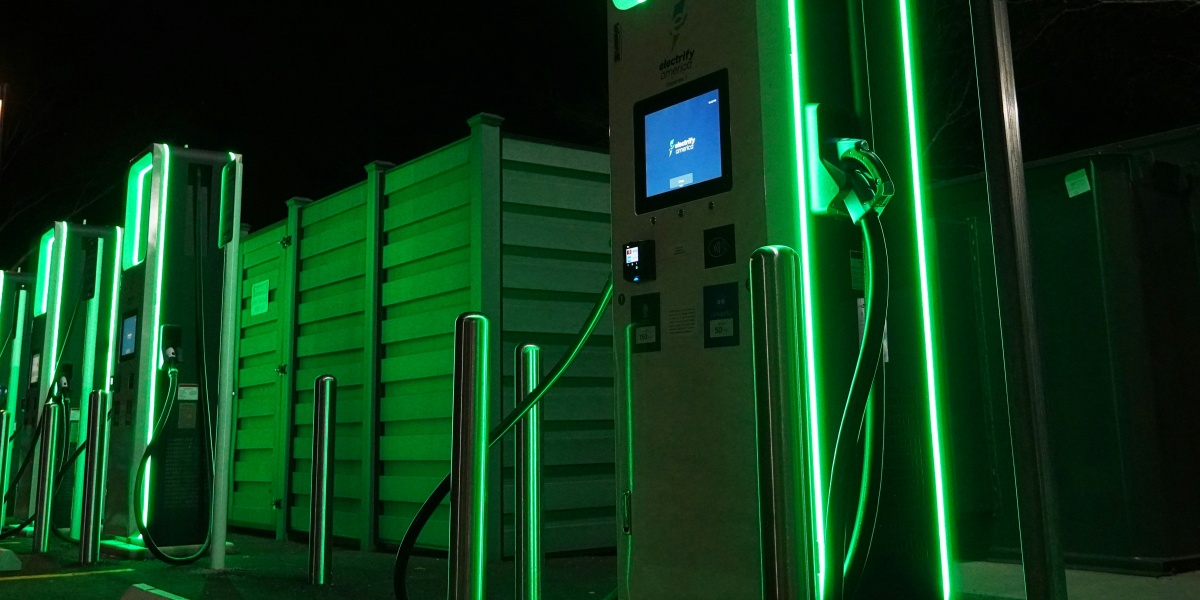
Charging networks like Electrify America build stations around a simple model: one dispenser, one car, one transaction. Daisy-chaining breaks that model completely. If multiple vehicles share a power feed, billing gets complicated fast. Authentication, too. Who gets priority? Who pays for what percentage of the kilowatts? Networks would need entirely new software stacks to manage shared sessions. The business case for chained hardware only works if the software behind it can handle fairness at scale. That’s an engineering problem dressed up as a customer service nightmare.
Surprise Domain
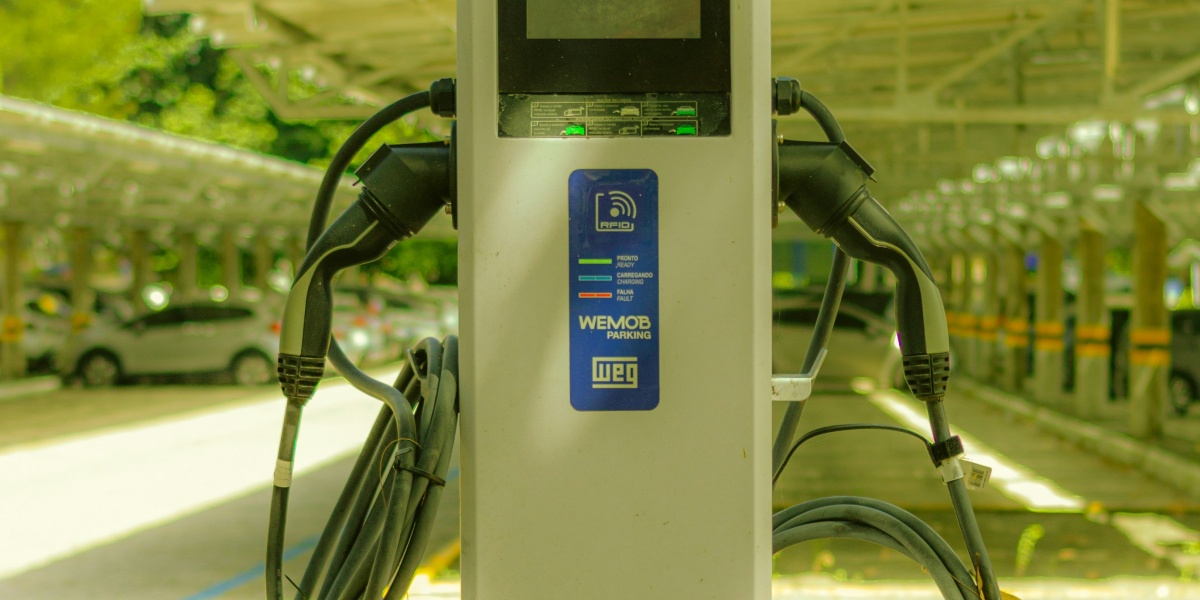
Here’s where it crosses a line nobody expected. Plug standardization was supposed to simplify everything. SAE J3400, the formal standard behind the NACS connector, unified the physical plug across brands. But a unified plug says nothing about station architecture. Two stations can use the exact same connector and deliver wildly different experiences depending on how power is allocated behind the wall. Standardizing the plug without standardizing throughput governance created the illusion of parity. GM’s patent exposes that gap. Same plug, completely different ride.
Hidden Wiring
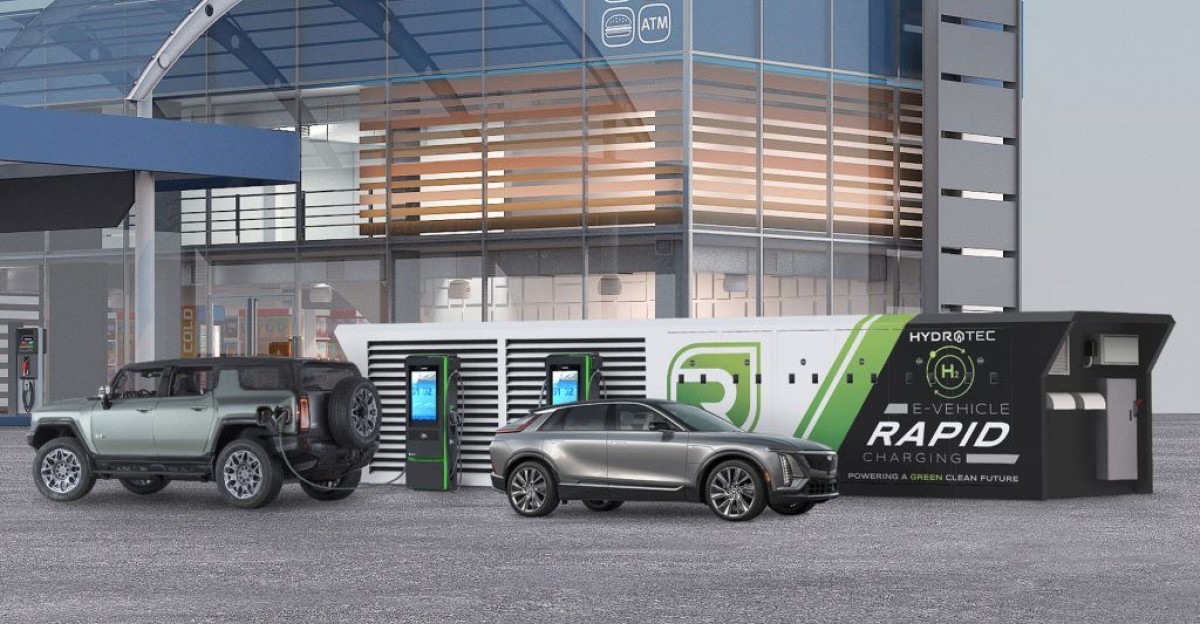
Power delivery. Standards compliance. Federal funding rules. Three separate systems, all shaping the same charging experience, none of them coordinated by the same authority. NEVI sets where stations go. SAE defines the connector. Nobody governs how power moves between vehicles at a single site. That’s the hidden wiring connecting every frustration EV drivers report. Federal dollars flow to stall counts. Stall counts get ribbon cuttings. Ribbon cuttings don’t measure kilowatts delivered per hour. The station opens. The line forms. Same bottleneck, shinier paint. Your family still waits.
Human Cost
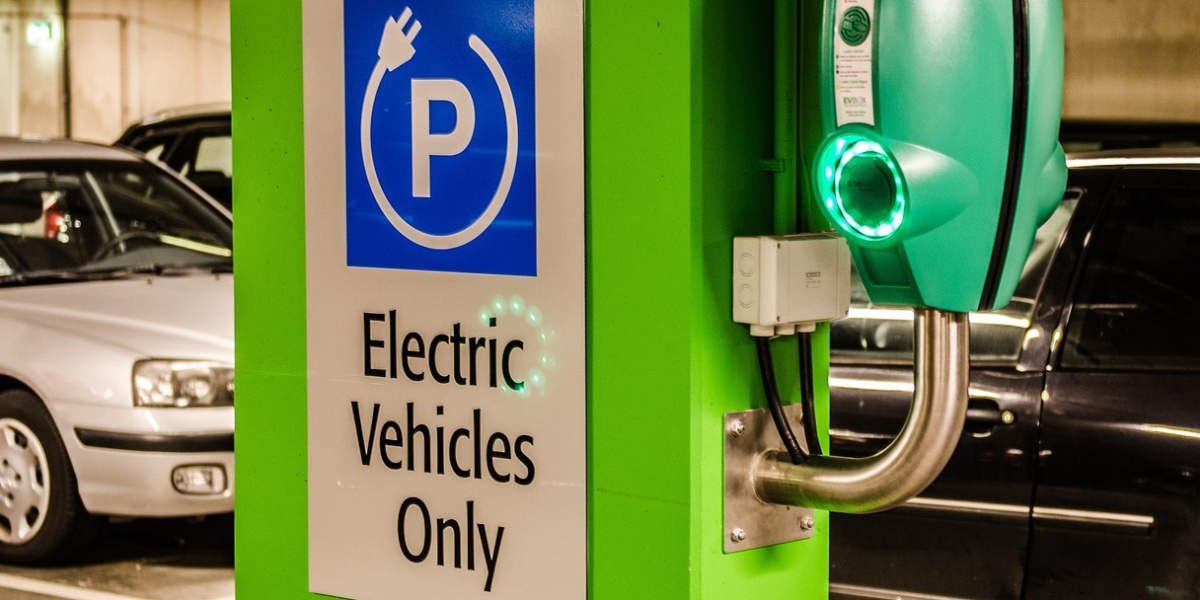
The fear is specific and physical. Being stranded with your family in a parking lot, watching your battery percentage tick down while three cars sit ahead of you at a broken charger. That fear keeps people from buying EVs at all, and it’s exactly what shows up in that 47% number: nearly half of Americans say they worry about running out of charge before reaching a reliable plug. The filing lands in the middle of that problem. It’s the same dread, getting stuck at a full station, that this chained setup tries to blunt. A patent filing sparks debate, not products. But the engineering attention tells you where the pain is loudest. And it’s loud.
Rules Shift
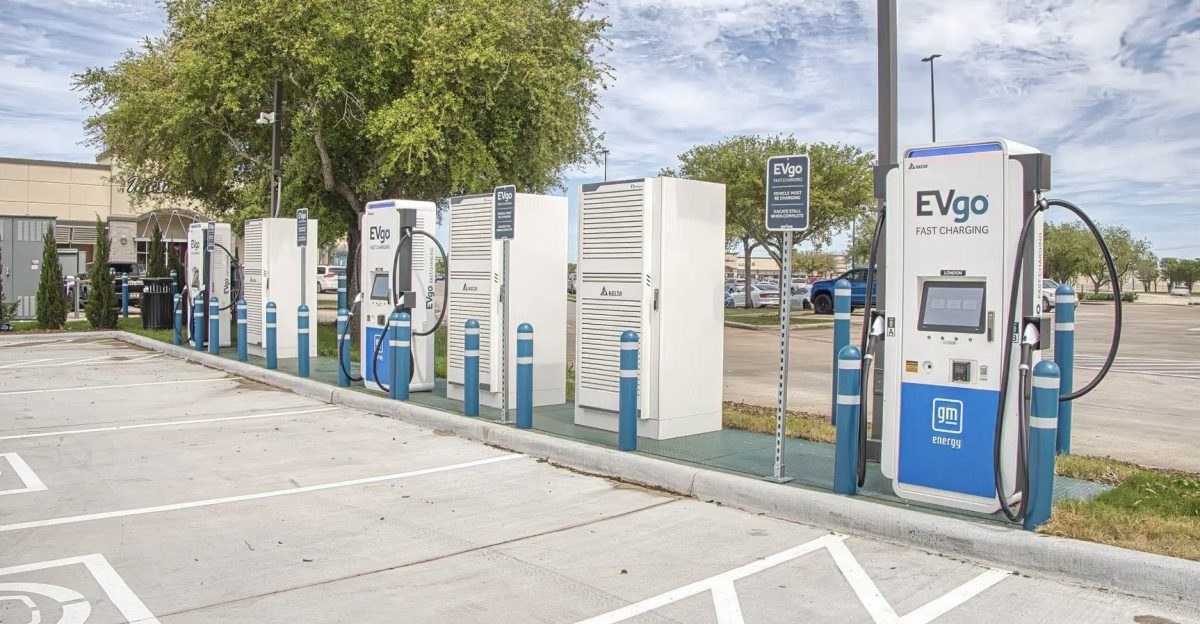
NACS becoming the formal SAE J3400 standard marked a turning point: proprietary tech became an open standard. That precedent accelerates competition on station design, not just connector shape. If daisy-chain architectures prove viable, federal funding criteria could evolve to reward throughput efficiency over raw stall numbers. Design choices made now, during the biggest infrastructure buildout since the interstate highway system, lock in the user experience for a generation. The rules of the game are still being written. GM just submitted a draft that redefines the playing field entirely.
Winners and Losers
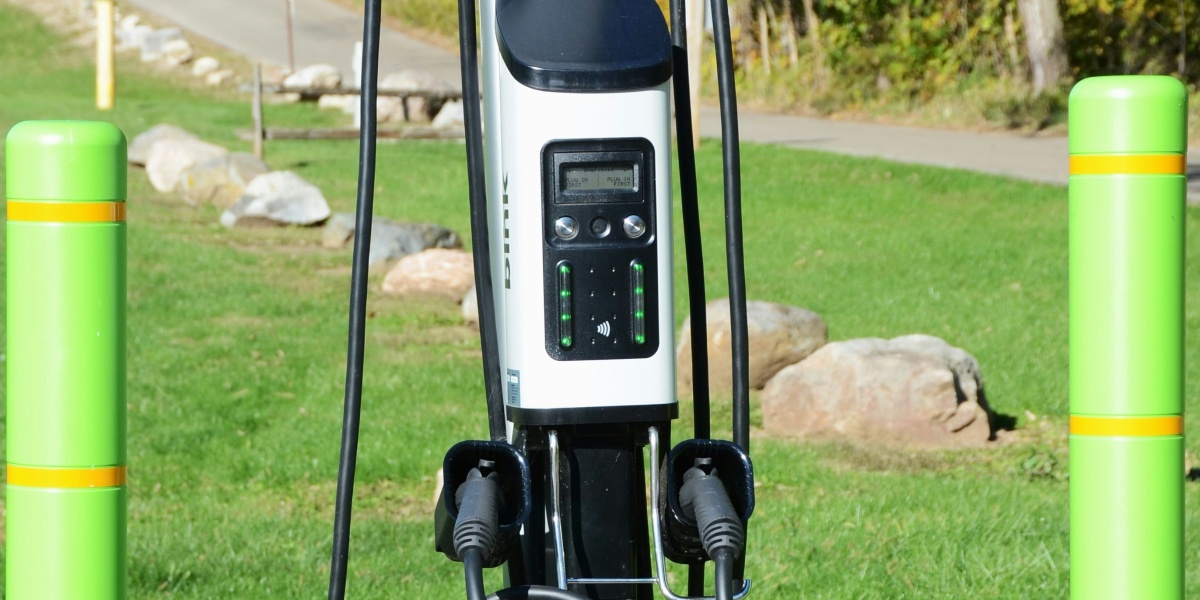
Networks selling stall counts win under the current model. Politicians cutting ribbons at new stations win. Drivers expecting full-speed charging lose if power-sharing means everyone gets a slower session. The irony is brutal: a “faster future” for EVs may involve sharing, not exclusivity. Whoever controls the software that governs power allocation, prioritization, and dynamic pricing holds the real leverage. Hardware is a commodity. Software is the tollbooth. Drivers who understand that distinction before it becomes mainstream will make smarter purchasing decisions starting now.
Ongoing Cascade
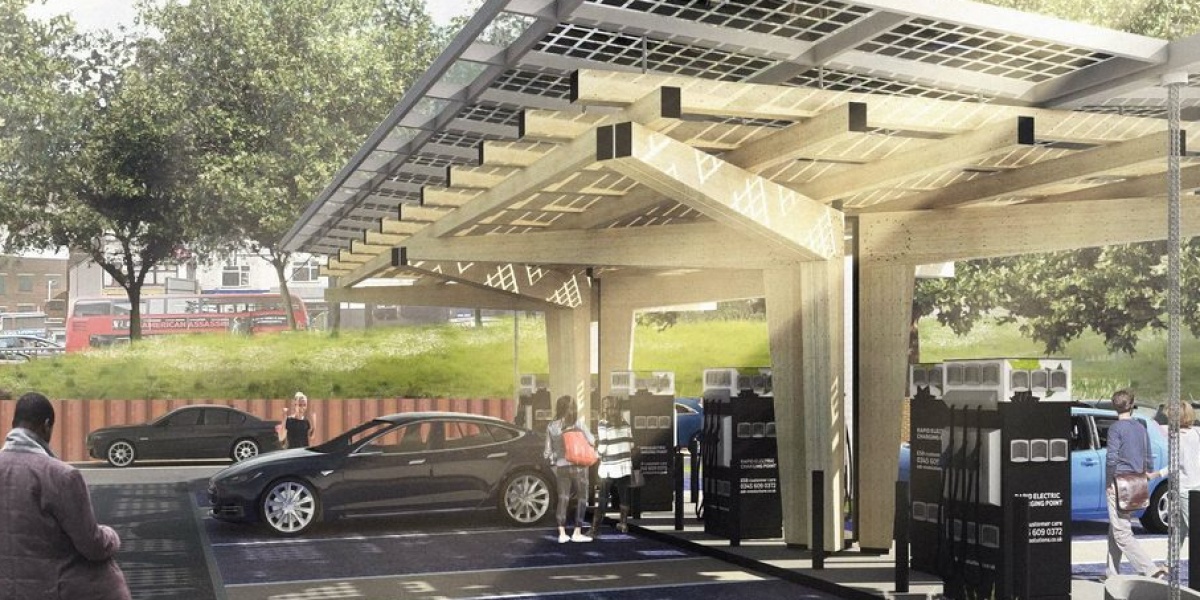
Networks aren’t sitting still. The counter-move is already forming: emphasize reliability, uptime, and simpler layouts over novel chaining. More software-defined charging is coming regardless. Reservations, dynamic pricing, and managed prioritization. The charging station of 2030 will look nothing like today’s. GM’s patent is one filing, not a product. But it exposed the real metric everyone should be tracking: usable kilowatts delivered per hour, not stalls painted on asphalt. Carry that lens into every EV decision you make. For the 47% worried about running out of charge, and everyone else who just wants the car to work, the cascade from this single patent is just getting started.
Sources:
“GM Patents A ‘Daisy Chain’ Charger To Juice Up Multiple EVs At Once.” Jalopnik, 21 Mar 2026.
“Fast Chargers Are Expanding Quickly, but American EV Drivers Still Fear Running Out of Juice.” Associated Press / AP‑NORC & University of Chicago EPIC, 31 Oct 2025.
“National Electric Vehicle Infrastructure (NEVI) Formula Program.” Federal Highway Administration, U.S. Department of Transportation, 2024–2025.
“SAE Released Its J3400 NACS Recommended Practice Document.” SAE International / evchargingstations.com summary, 3 Oct 2024.