GM Hides $7.5B In ‘Deferred Revenue’ From 13 Million Drivers—FTC Shuts It Down Too Late
General Motors is projected to collect $7.5 billion from an estimated 13 million drivers before most of them realized they were paying. The company bundles eight years of “free” OnStar subscriptions into every new vehicle purchase, records the cash upfront, then buries it on the balance sheet as “deferred revenue.” When the trial expires, drivers face a $19.99 to $39.99 monthly paywall. Refuse to pay, and GM remotely disables the features. This represents the largest business model transformation in GM’s 115-year history. And the part about where that money actually goes is worse.
The Machine Behind the Paywall
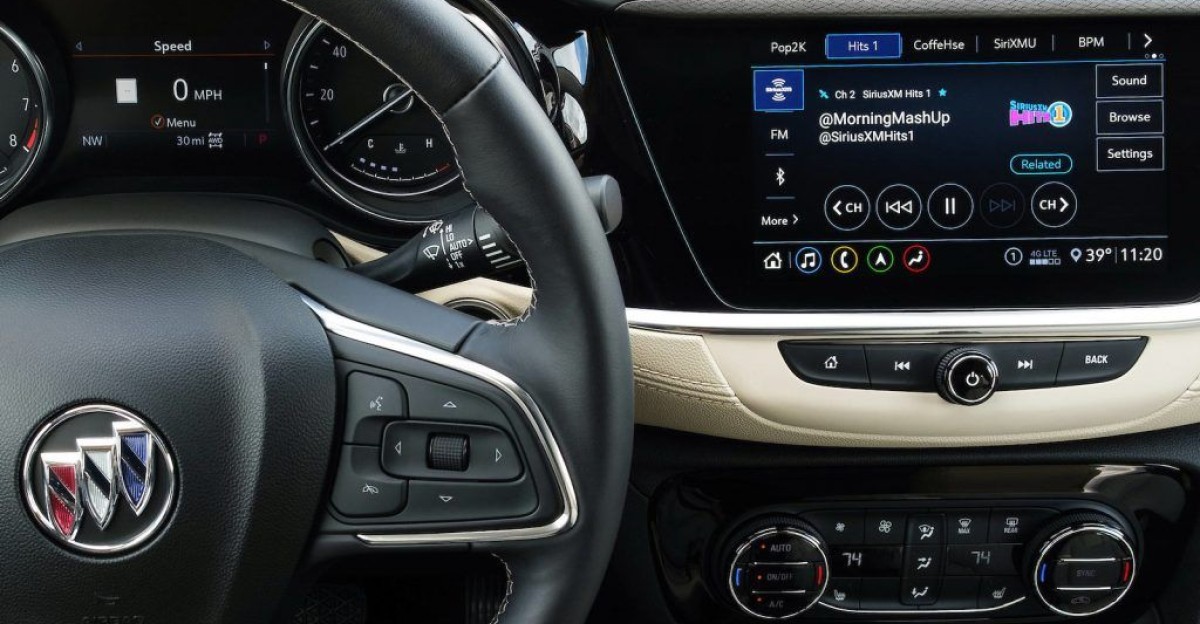
Software services generate 70 percent gross margins for GM. Traditional vehicle sales deliver 4 to 10 percent. That gap explains everything. GM’s centralized computing architecture enables over-the-air updates, remote feature lockouts, and billing changes pushed directly to vehicles without dealer involvement. The company doesn’t need your permission to flip a switch. CFO Paul Jacobson told investors in March 2026 that the model lets GM “collect revenue years after the original wholesale.” The car is the distribution channel. The subscription is the product. And 250,000 vehicles hit their renewal deadline in 2026.
The Bill Nobody Expected
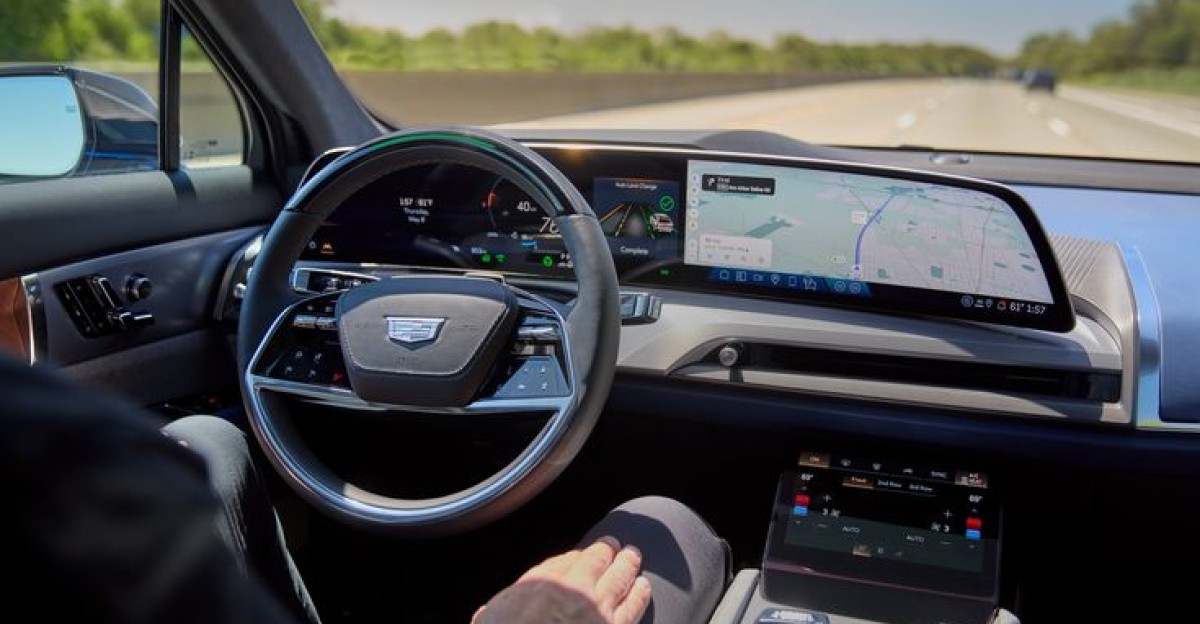
Of the roughly 33,000 Super Cruise customers whose free trials expired in 2025, retention landed in the low 40 percent range. The majority walked away. That number tells you what eight years of “free” is actually worth when the bill arrives. Consumer willingness to pay for connected vehicle services collapsed 18 percentage points in a single year, dropping from 86 percent to 68 percent, according to S&P Global Mobility. Drivers liked the features fine. They just never agreed to rent them. The business response to that rejection is where this story expands.
Wall Street Loves the Trap
GM generated $2.7 billion in realized subscription revenue in 2025 and stacked another $5.4 billion in deferred revenue on the balance sheet, with projections approaching $7.5 billion by end of 2026. Wall Street treats that $5.4 billion like cash already earned, even though it’s technically a liability, an obligation to deliver services over future years. The OnStar subscriber base grew roughly 33 percent year over year to approximately 12 million, with 13 million targeted by year-end 2026. Analysts now value GM partly on SaaS-like recurring revenue multiples, not just vehicle margins. The automaker most Americans associate with trucks and Corvettes is being priced like a software company.
The Used Car Market Splits in Two
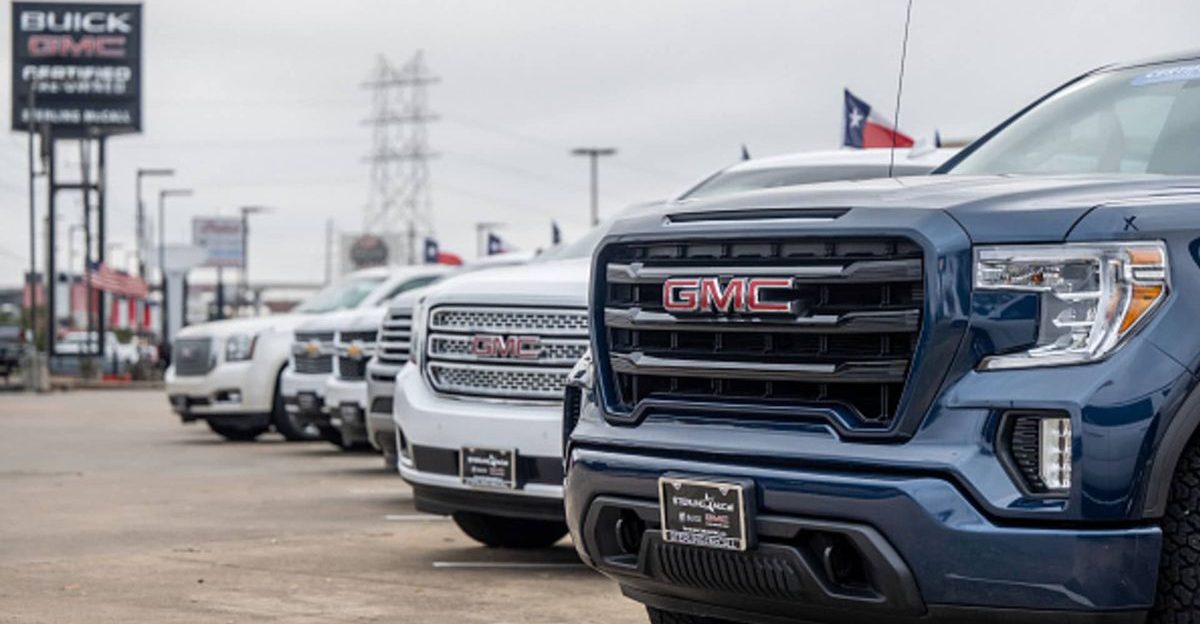
Here’s the ripple nobody in Detroit is discussing publicly. Pre-2025 GM vehicles carry no locked subscription obligations. Post-2025 models carry eight years of bundled software commitments that transfer to the next owner. A second buyer inherits the countdown clock to a paywall they never agreed to. That creates a two-tier resale market where older GM vehicles could command premiums over newer ones. Think about that for a second. A 2024 Silverado potentially worth more than a 2026 because it comes without a subscription anchor attached to the title.
One System Connects Every Ripple
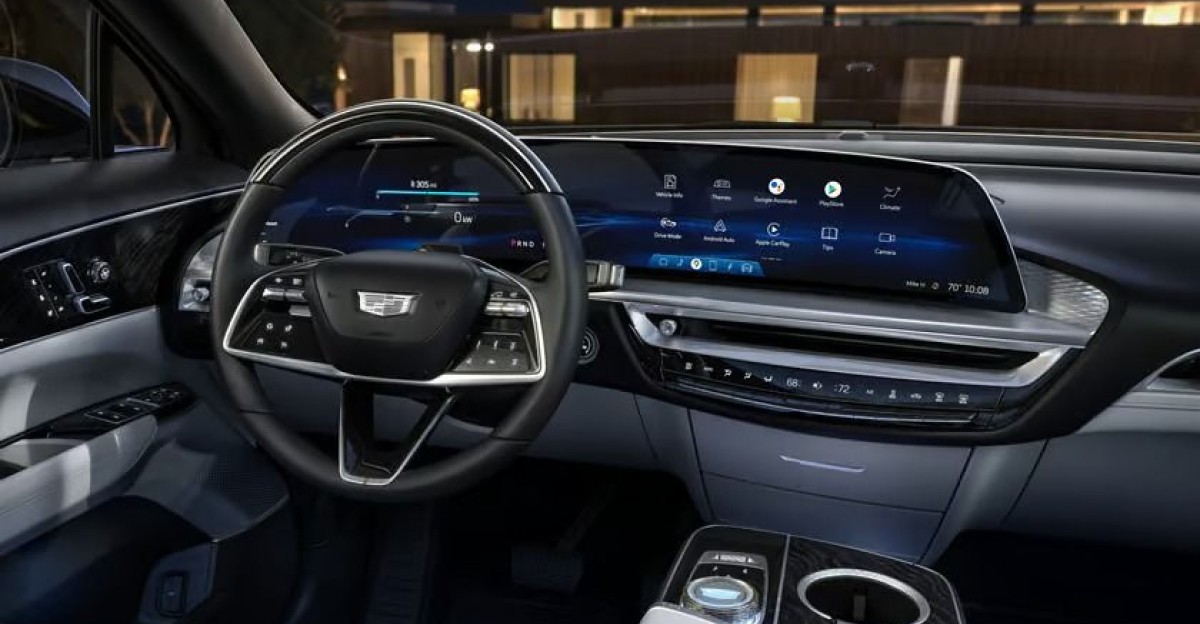
The deferred revenue model is the engine. GM takes cash at purchase. Records it as a liability. Recognizes it as revenue over eight years. That inflates free cash flow while the obligation sits quietly on the balance sheet. Subscription revenue grows. Deferred liability grows. Renewal pressure grows. The consumer rejection rate grows. Same mechanism driving every consequence. From Wall Street’s valuation premium to the used car split to the majority who walk away at renewal. One financial architecture. Reaching your driveway, your insurance bill, your resale value.
A Voice From Inside the System
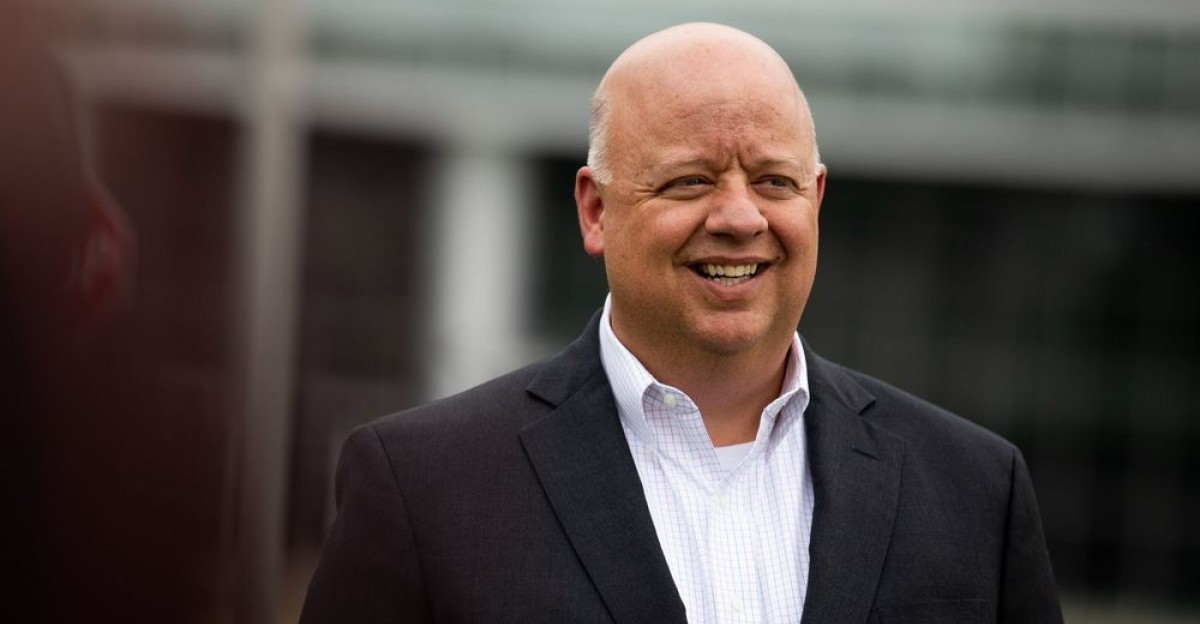
“When you start to look at the ability to collect revenue and to continue to collect revenue years after the original wholesale, you can see where the revenue model actually starts to fundamentally transform.” That’s GM’s own CFO, Paul Jacobson, speaking to Bank of America investors. Not a leak. Not a whistleblower. A public celebration of converting car buyers into recurring revenue streams. One analyst at Automotive World put the counterpoint plainly: “The moment they look like they’re taking features away, trust collapses.” Both statements are true simultaneously. That tension is the entire story.
The FTC Arrived After the Damage
In January 2026, the FTC finalized a settlement after finding GM “collected, used, and sold consumers’ precise geolocation data and driving behavior data from millions of vehicles without adequately notifying consumers.” The order imposes a five-year ban on sharing data with consumer reporting agencies and a 20-year affirmative consent requirement. Importantly, this enforcement action targeted GM’s data practices—not its subscription or deferred revenue model. But GM had already sold braking patterns, acceleration data, and location history to insurers and brokers for years before the settlement landed. The ban is prospective. The data already sold to companies that may have raised your premiums? That bell cannot be un-rung.
Winners, Losers, and the $16 Billion Bet
GM returned $23 billion to shareholders since late 2023. Subscription margins run several times higher than vehicle margins. Shareholders win. Ford, BMW, and Mercedes are watching GM’s renewal rates with extreme attention. If those numbers hold, every major automaker accelerates feature paywalls across entire fleets within 36 months. The global vehicle subscription market hit $4.7 billion in 2024 and is projected to reach $16 billion by 2034. The losers are lenders and leasing companies facing stranded asset risk if returned vehicles carry active subscription liabilities nobody budgeted for.
The Cascade Has Just Started
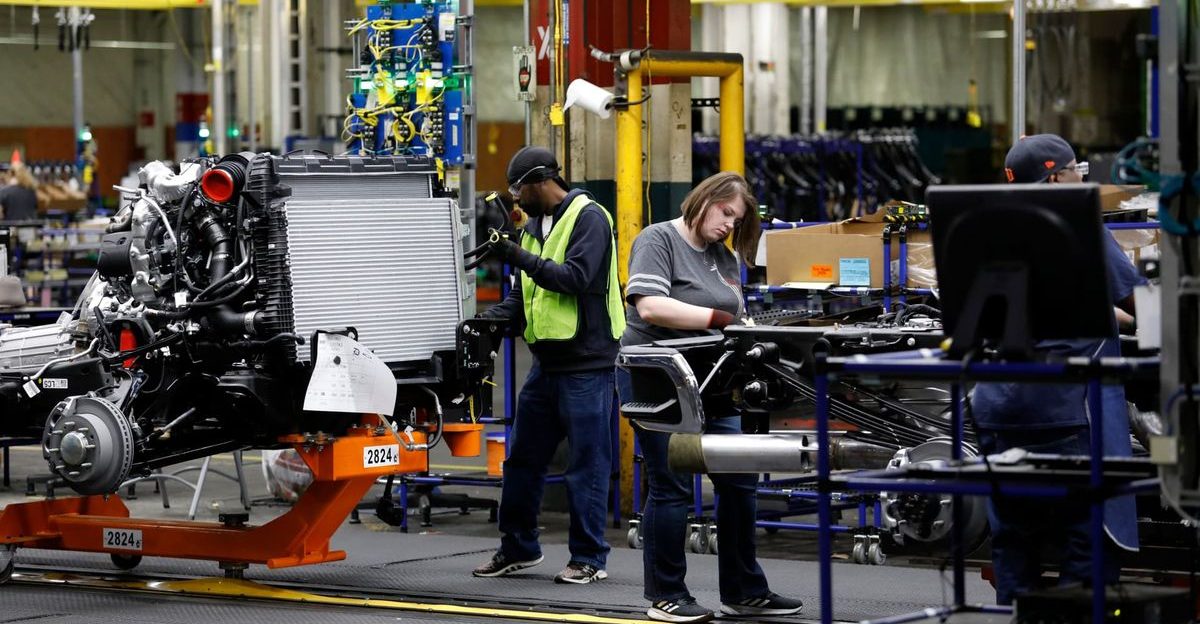
Regulatory bodies are already moving toward forced unbundling of hardware costs from software subscriptions. If that happens, GM’s true vehicle profitability drops an estimated 8 to 12 percent once subscription revenue is separated. Meanwhile, if churn accelerates, GM faces a choice: slash prices and compress margins, or push harder on upsells and deepen the backlash. The 250,000 renewals coming due in 2026 are the test case for an entire industry. You’re not just buying a car anymore. You’re subscribing to one. And the cascade from that single shift is still accelerating.
Sources:
FTC Finalizes Order Settling Allegations that GM and OnStar Collected and Sold Geolocation and Driver Behavior Data — Federal Trade Commission
GM OnStar Revenue Up 65 Percent In 2025 — GM Authority
General Motors: Wall Street Sees 30% Mean Upside as OnStar Deferred Revenue Approaches $7.5B — TIKR Investing
After Robotaxi Failure, GM Software Bet Turns to Driver Assistance — Reuters
GM Subscription Services Are Starting To Pay Off — GM Authority