GM Hid 19,117 Backup Camera Complaints For 14 Months—Blind In Reverse
Picture backing out of your driveway, kids on bikes somewhere behind you, and the screen where your rearview camera should be showing nothing. Just black. No warning light. No alert.
You trust the screen because the law says it has to be there. Somewhere in Detroit, General Motors already knew about the problem. Had known for months. Had a file with thousands of owners reporting the exact same blank screen. And chose to watch the numbers pile up instead of picking up the phone.
Eight Parts Started the Clock
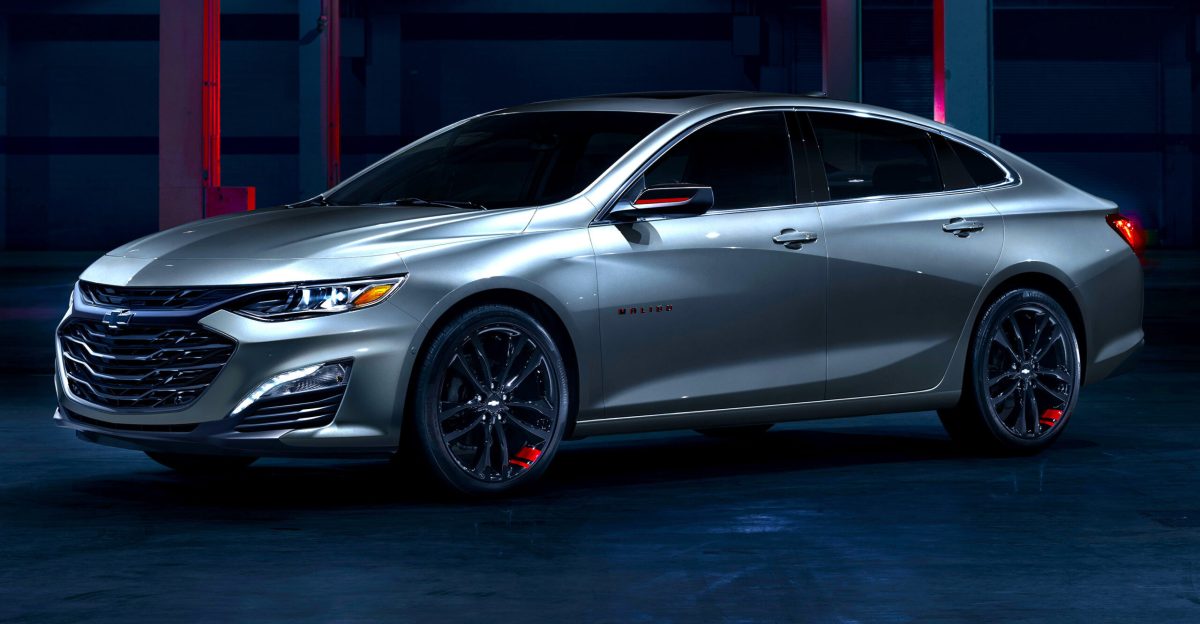
On February 2, 2025, Sharp Electronics flagged eight faulty rearview camera assemblies returned from Chevrolet Malibu vehicles. Eight parts. That was GM’s first documented alert that a bonding process defect allowed moisture to seep into camera housings and jeopardize the display image. Complaints had already been flowing since November 2022, with thousands per year. The supplier identified the failure.
GM’s response: monitor field data every six months. Not investigate urgently. Not escalate quickly. Monitor. That six-month cadence would define everything that followed.
The Complaints NHTSA Didn’t Have
Most people assume federal regulators track vehicle complaints in real time. That NHTSA has some dashboard blinking red when thousands of owners report the same failure. They don’t have that kind of instant, universal view into every manufacturer’s internal system.
Manufacturers are allowed to monitor and investigate before they declare a safety defect and file a formal report. During those months of GM’s internal monitoring, NHTSA did not receive GM’s internal complaint tallies about this Malibu camera issue until GM chose to initiate the recall process. Consumers can file complaints directly with NHTSA at any time, but the bulk data sitting inside GM’s own system stayed there until GM acted. The safety net everyone imagines exists had a significant delay built into it.
19,117 Voices in a Closed Room
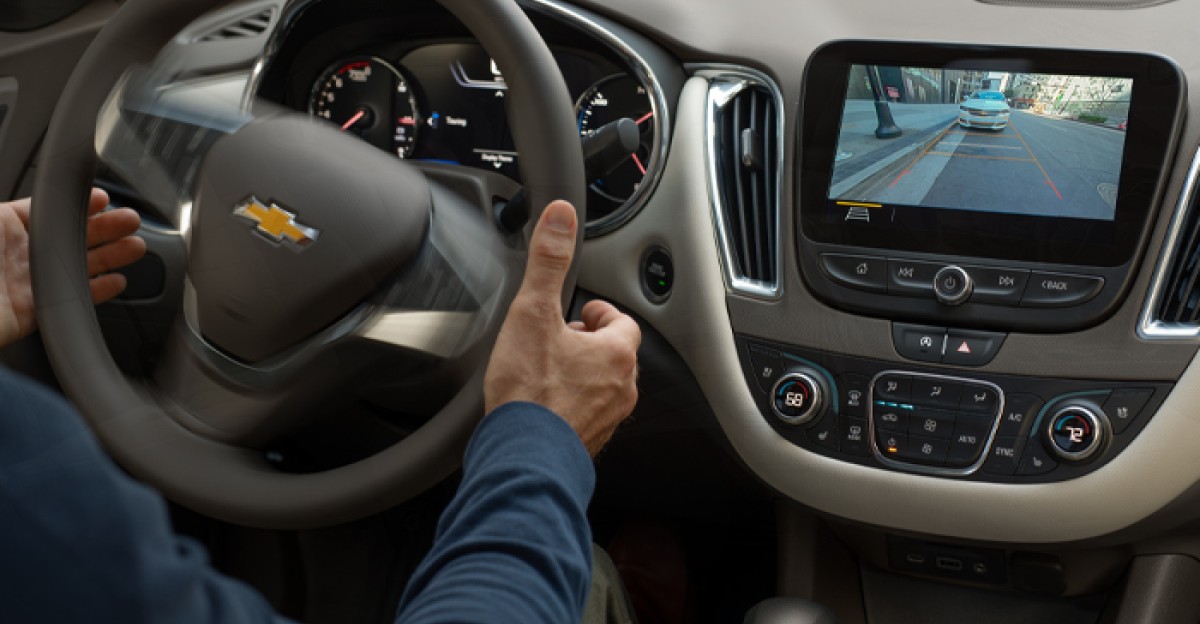
On February 20, 2026, GM completed a field-data analysis. The result: 19,117 potentially related complaints received between November 22, 2022, and January 29, 2026, all describing distorted or blank rearview camera displays on 2023–2025 Chevrolet Malibus. Roughly a year after learning about those eight bad parts. Nineteen thousand complaints later. A separate six-month review followed on February 25, 2026.
A recall decision came on March 26, 2026, and GM filed its Part 573 defect report with NHTSA as Recall 26V212. Dealers were notified April 2. Owner notification letters are scheduled to begin May 18. That’s the timeline. Eight parts triggered monitoring. Monitoring produced delay. Delay produced 19,117 people potentially backing up with cameras that could go dark.
Moisture Defeats a Billion-Dollar System
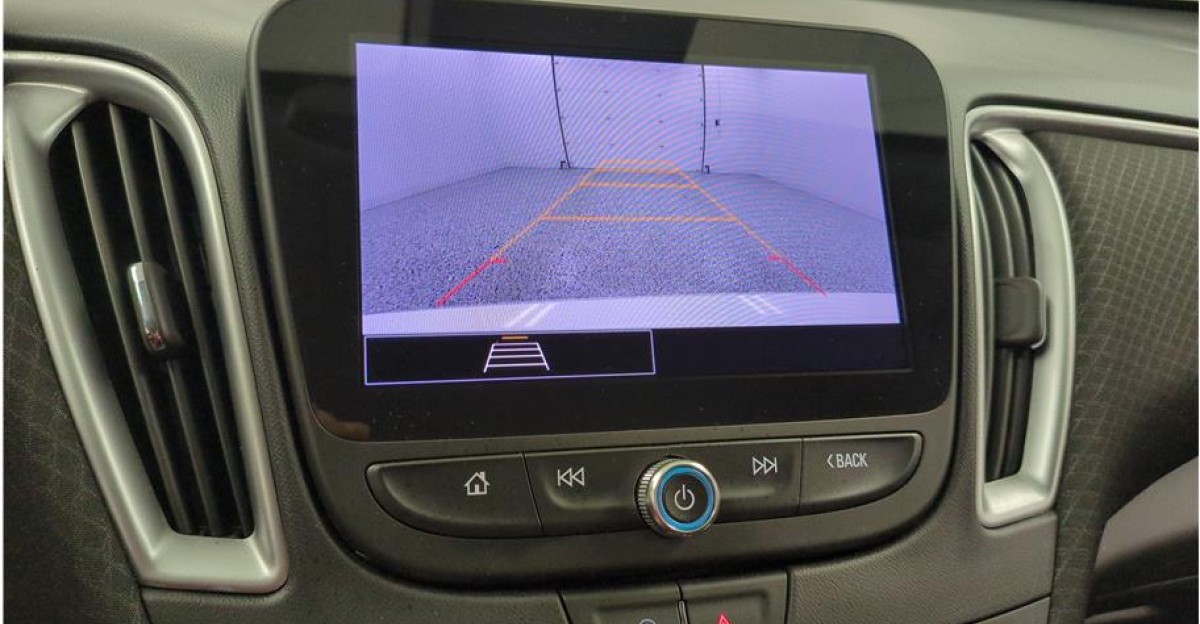
The defect itself is almost insulting. Sharp Electronics used a bonding process on camera housings that weakened the adhesive seal on some units. Water got in. The display went dark or showed a distorted image.
Moisture, a problem engineers solved in wristwatches decades ago, defeated a federally mandated safety system in vehicles rolling off the line between May 26, 2022, and December 20, 2024. Backup cameras became a federal requirement on May 1, 2018, under FMVSS 111, specifically because they reduce backing incidents. A camera that silently fails is worse than no camera at all, because the driver trusts a screen that may suddenly show nothing behind them.
The Math That Stings
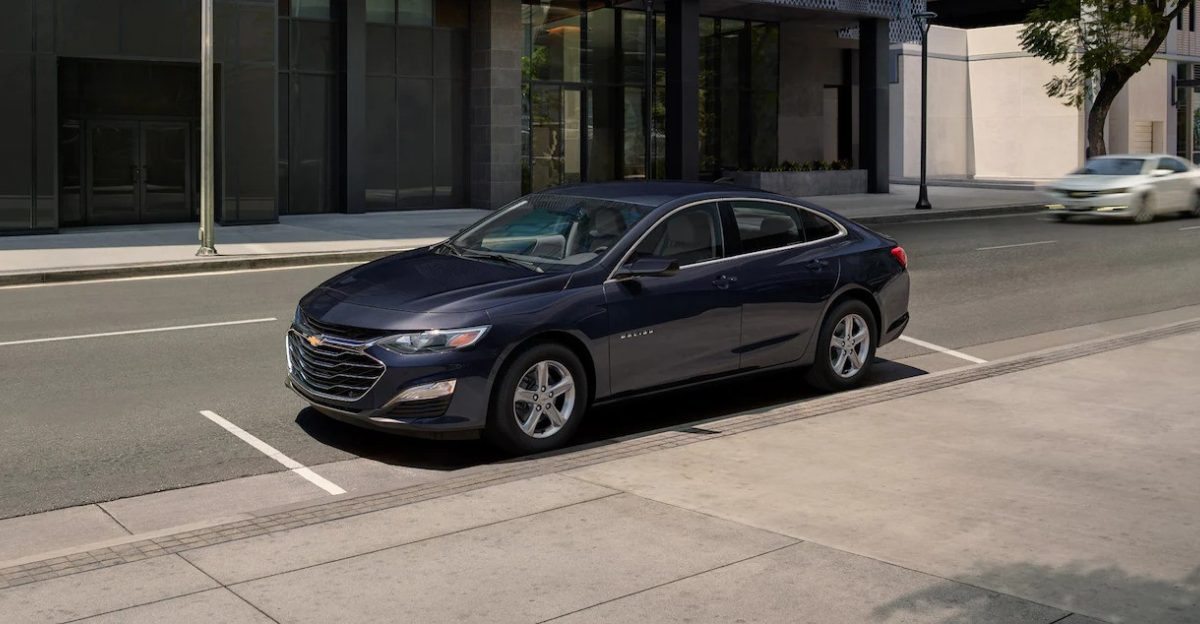
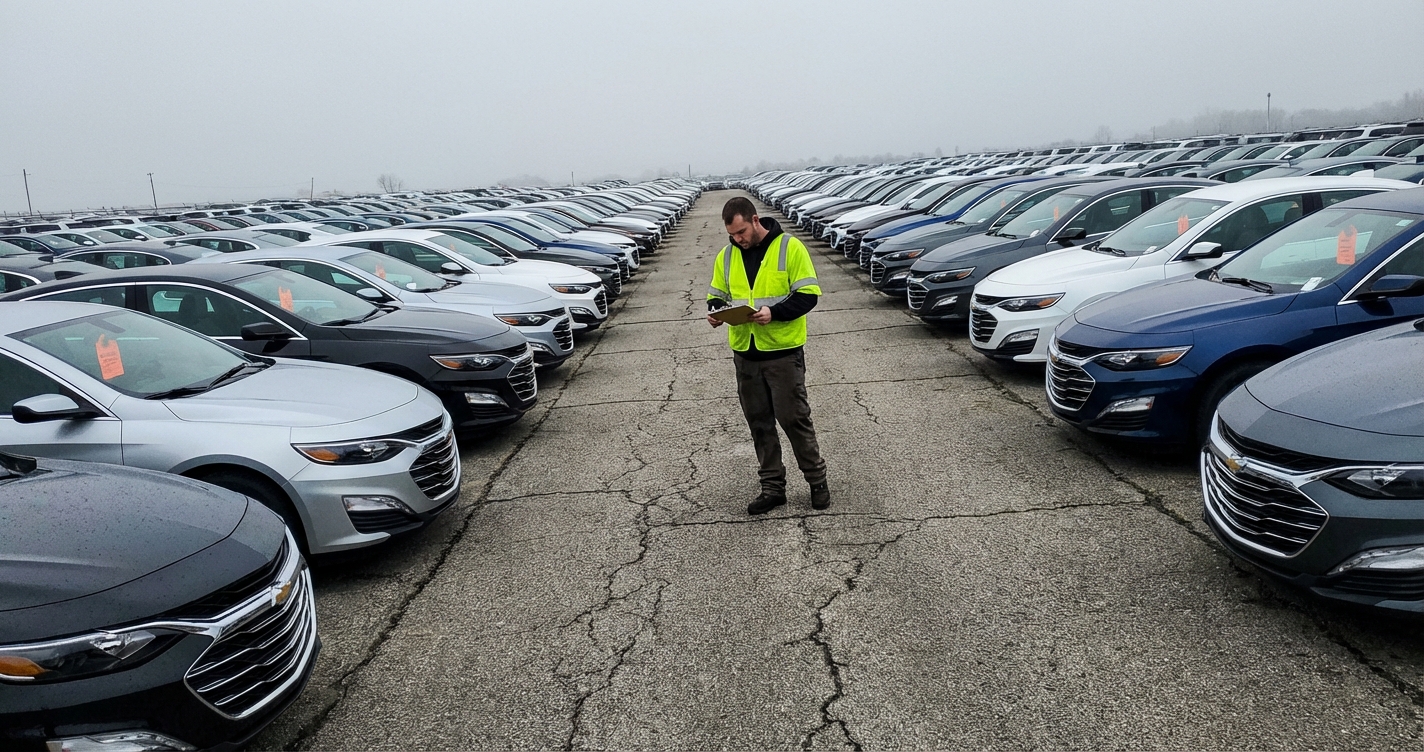
The recall covers 271,770 Chevrolet Malibus built for the 2023, 2024, and 2025 model years. GM estimates that only about 6 percent—roughly 16,300 vehicles—are likely to have the actual defect. That means approximately 255,000 owners will haul their cars to dealerships for a camera that may still work when they arrive.
NHTSA’s own filing states that if the rearview camera is not functioning properly, “rear visibility is reduced, increasing the risk of a crash during a backing event.” Yet GM reports zero crashes, zero injuries tied to this defect at the time of the filing. That zero sits next to 19,117 complaints and dares you to feel comfortable.
271,770 Appointments, One Summer
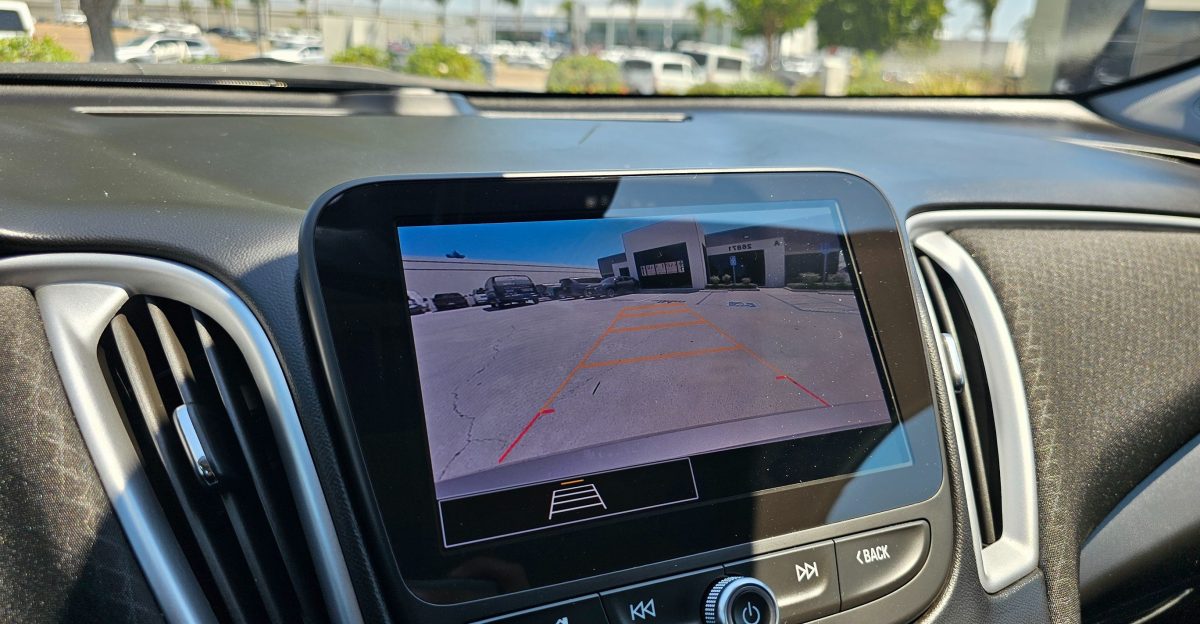
Owner notification letters start mailing May 18, 2026. Every one of those 271,770 Malibu owners will be asked to schedule a dealer appointment for a free camera replacement with an updated part built outside the suspect manufacturing window. Dealerships already juggling service backlogs now face a compressed wave of recall traffic through summer 2026.
Other safety recalls and routine repairs could get pushed further out on the calendar. And Sharp Electronics, the supplier whose bonding process failed, faces quality audits and potential contract consequences across every automaker it supplies. One adhesive failure at one factory ripples outward through an entire service infrastructure built on trust.
A Pattern With a Decade-Old Echo
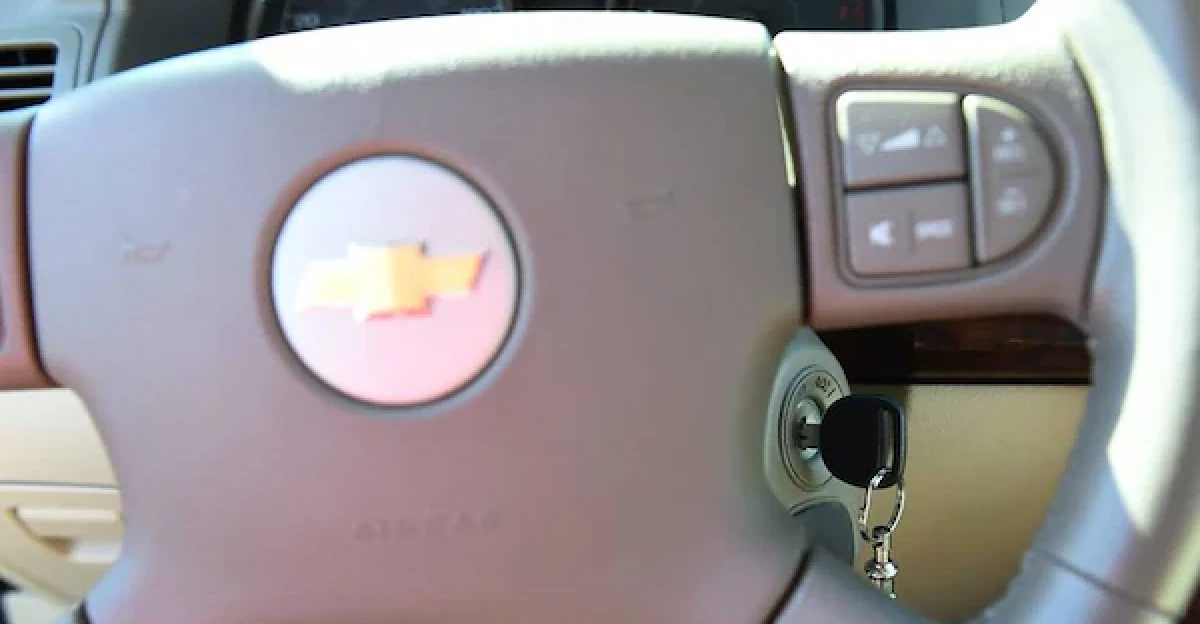
GM has been here before. The 2014 ignition switch scandal involved a known defect linked to at least 124 deaths, concealed for over a decade before a massive recall. The Malibu camera delay is measured in months, not years. Nobody has been confirmed dead because of this specific defect.
But the architecture feels uncomfortably familiar: internal awareness, extended monitoring instead of rapid action, and disclosure only when internal analysis and regulatory obligations forced the company’s hand. Camera and electronic-display recalls have surged across the industry in recent years as more safety-critical functions move onto screens and sensors. This pattern of manufacturer-controlled timelines isn’t GM’s problem alone. It’s becoming the new normal.
The Lawsuits Waiting to Happen
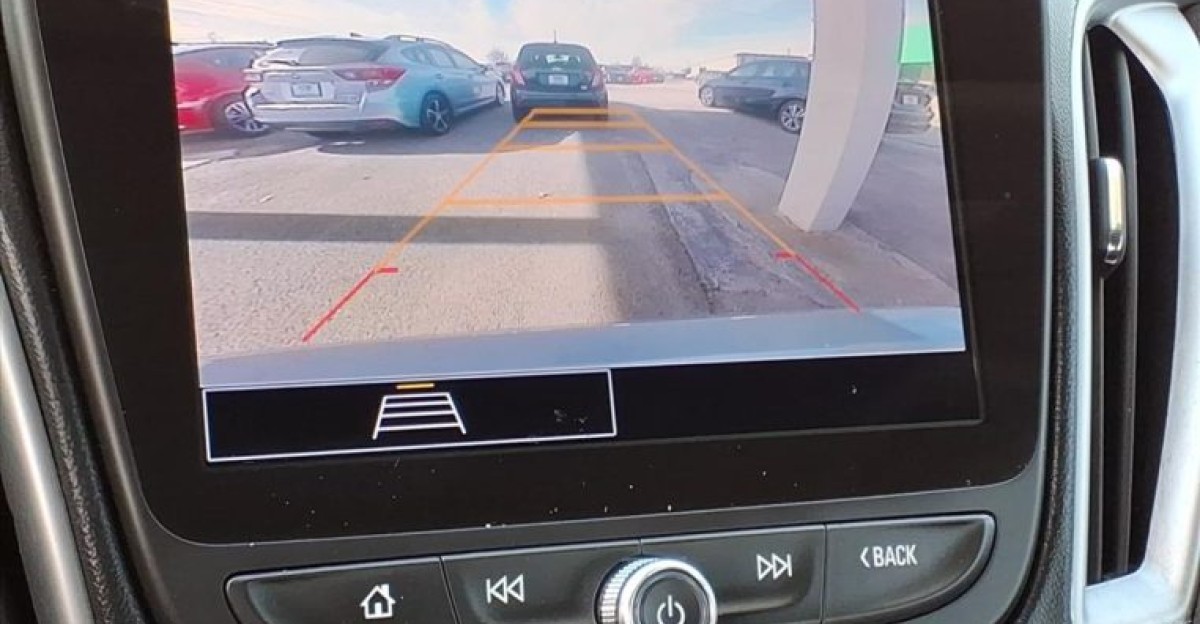
If a single backing incident surfaces during the remedy lag between now and late summer 2026 and is linked to a failed Malibu camera, plaintiffs’ attorneys will argue GM negligently delayed full-scale action on a known defect. Legal discovery could expose internal emails weighing repair costs against lawsuit risk, just as prior auto-defect cases have done. Congress may push NHTSA to tighten real-time complaint and field-data reporting instead of letting manufacturers rely on six-month monitoring cycles before declaring a defect.
The Malibu is being discontinued after 2025. This recall is one of its final chapters. But the regulatory questions it raises will outlive the car by years.
What Your Car Isn’t Telling You
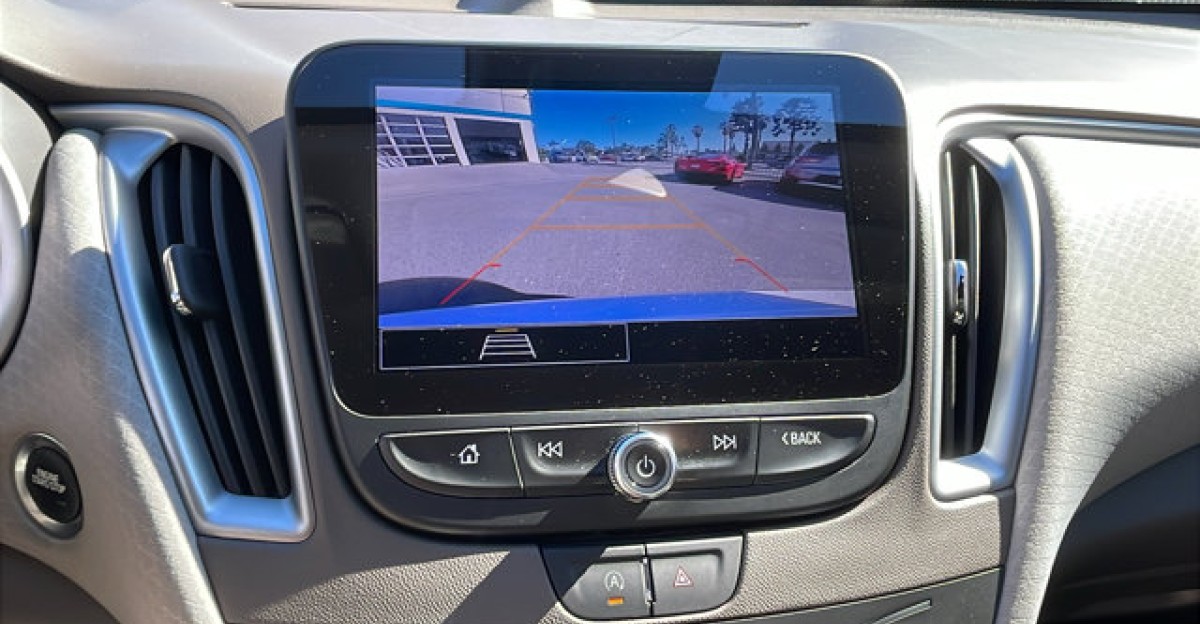
Here is what most people will never learn from this recall: no consumer petition or external NHTSA defect investigation forced GM into this decision. GM analyzed its own data, identified the defect, and filed a voluntary safety recall as required by law once it concluded a safety-related problem existed.
That sounds responsible until you realize it means every other automaker with a mounting complaint file can do the same math on a similar timeline before telling anyone. Ford recalled about 1.4 million vehicles for rearview camera failures in separate campaigns in 2025. The question every Malibu owner should carry to the dealership: what else is being monitored right now that nobody has decided to tell them about yet?
Sources:
NHTSA – Part 573 Safety Recall Report 26V212, Chevrolet Malibu Rearview Camera Display Issue – Submission Date April 2, 2026
CarScoops – GM Sat On 19,117 Malibu Camera Complaints For A Year Before Issuing A Recall – April 8, 2026
CBS News – GM recalls more than 270,000 cars in U.S. over rearview camera risk – April 7, 2026
FOX Local / FOX10 Phoenix – GM recalls over 270K Chevrolet Malibu cars for rearview camera issues – April 8, 2026
Forbes – GM Recall Impacts Over 270,000 Chevrolet Malibu Cars – April 8, 2026
FMVSS 111 / 49 CFR § 571.111 – Standard No. 111; Rear Visibility – Federal Register / CFR publication, rear‑visibility requirement effective May 1, 2018