GM Forces 4,200 Workers Into Mandatory Overtime To Build 50,000 More $70K Trucks
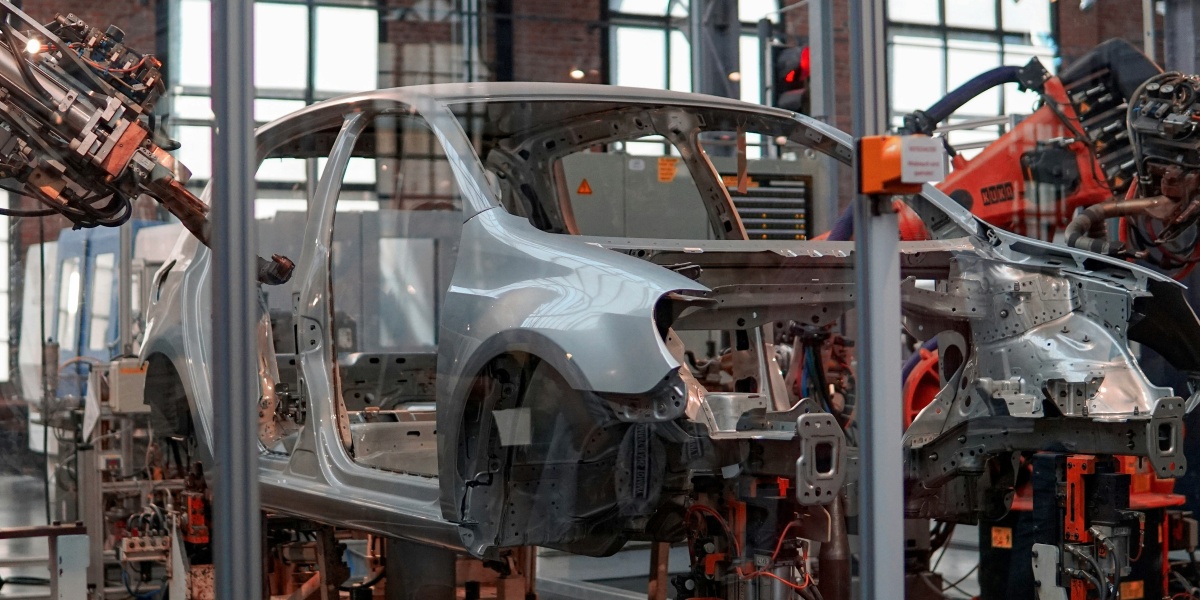
Flint Assembly runs three shifts, five days a week, pushing 1,100 heavy-duty Silverado and Sierra trucks out the door every 24 hours. Starting June 2026, that schedule stretches to six days. There will be no new hires or additional headcount. Just 4,200 hourly workers absorb the load through mandatory overtime at a plant that opened in 1947 and hasn’t expanded to a sixth production day since the months before the 2008 financial crisis. The last time GM ramped Flint like this, truck sales collapsed 40% within a year.
The Numbers Behind the Bet
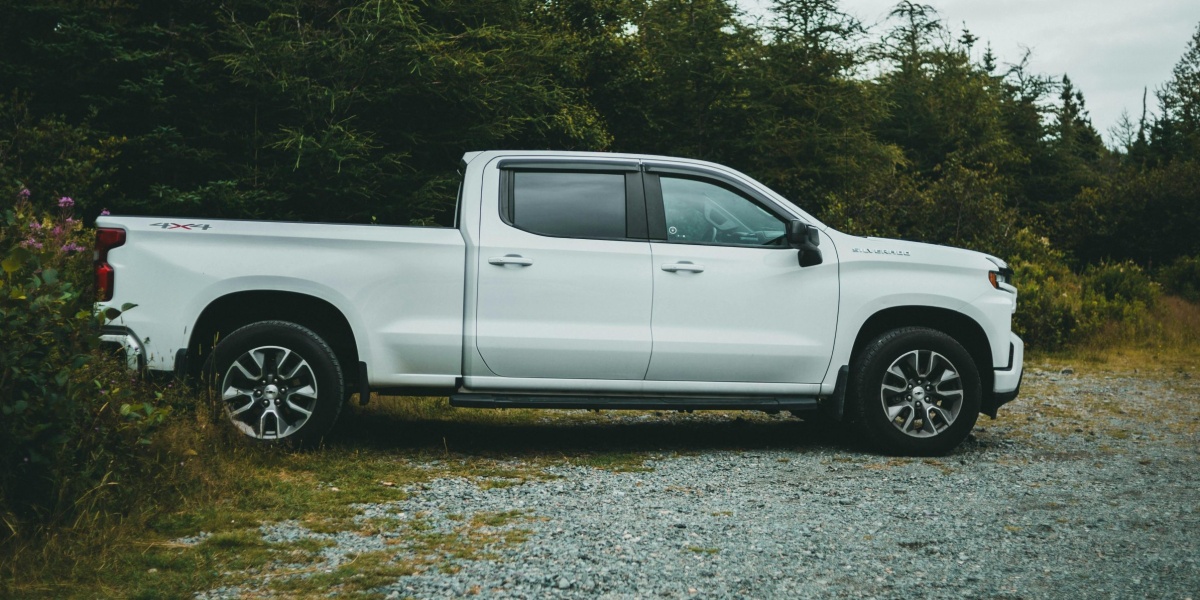
GM sold 917,000 full-size trucks in 2025, its sixth consecutive year as America’s pickup leader. Silverado alone moved 588,709 units. Heavy-duty Silverado sales climbed roughly 9%, Sierra roughly 12%. Barclays analysts estimate the sixth day could add 40,000 to 50,000 trucks annually on top of Flint’s roughly 250,000-unit baseline. That kind of volume, at heavy-duty margins of 8-10%, represents billions in additional gross revenue. GM guided 2026 profit at $13-15 billion EBIT-adjusted and authorized a fresh $6 billion stock buyback to match.
Strong Demand, or Something Else
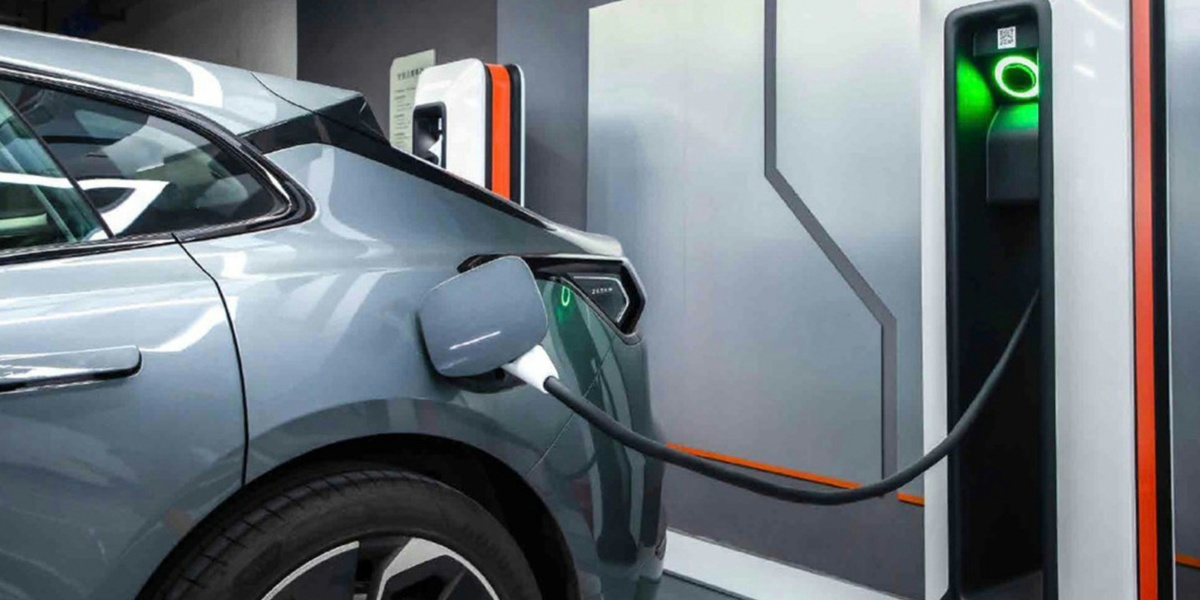
GM’s official line called the expansion “strategic adjustments to align with strong customer demand.” Sounds clean. But the same company closed a third shift at its Oshawa, Canada, plant, slashed EV production, and idled battery operations. Commercial truck demand forecasts actually show an 18% decline for 2026. Tariffs cost GM $3.1 billion in 2025, with $3-4 billion expected in 2026. Every move points in one direction: domestic production arbitrage under tariff protection, dressed up as a demand story.
The CFO Said the Quiet Part
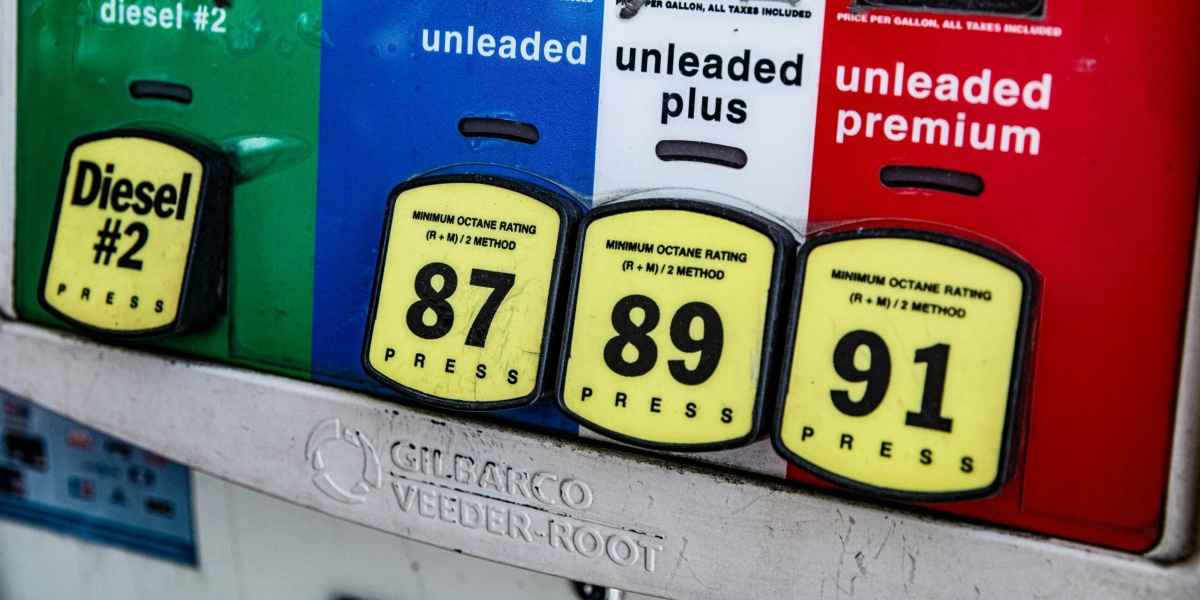
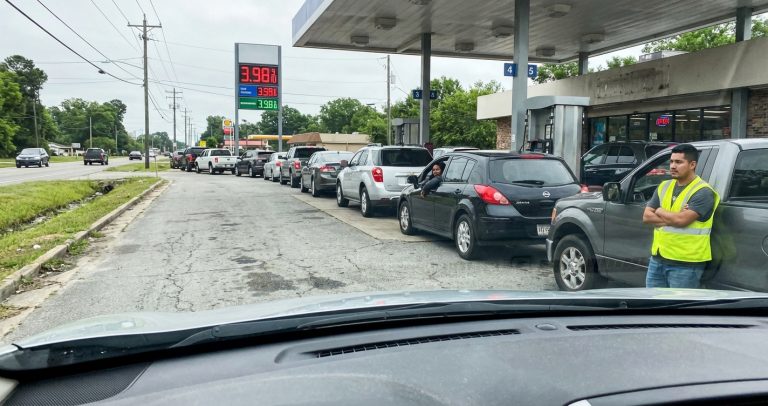
At a Bank of America conference in March, CFO Paul Jacobson addressed gas price concerns: “Usually it takes four to six months of sustained, high oil prices before people start to think, ‘Maybe I should go for less mileage, or maybe I should buy down,’ I don’t think we see that.” Gas nationally had surged 27% to $3.72 per gallon. GM’s entire profit guidance depended on buyers continuing to absorb $70,000 trucks averaging 12-15 mpg. Jacobson acknowledged the cliff exists. Then bet the company it wouldn’t arrive.
Who Can Actually Afford These Trucks

Average new-vehicle transaction prices hit $49,191 in January 2026, the highest January on record. Heavy-duty pickups averaged above $70,000 for five straight months. One in five new auto loans now carries payments of at least $1,000 per month, and that share could double by year’s end. No new vehicle sells for under $20,000 in America anymore. The affordable car segment is extinct. GM’s “strong demand” is real, but it comes exclusively from affluent buyers insulated from the affordability crisis crushing everyone else.
The Price of the Sixth Day
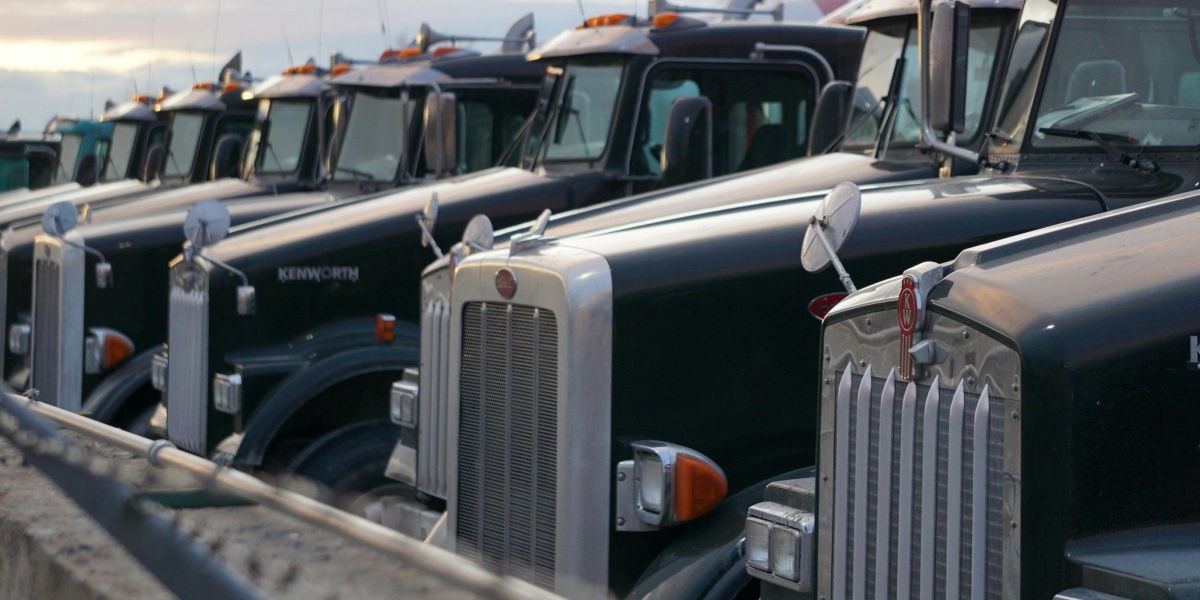
Vehicle prices have jumped 30% since 2019. Real wages rose roughly 5%. That math never closes. Affordability ranks as the number-one obstacle for buyers in TransUnion surveys, yet GM’s profit guidance keeps climbing because heavy-duty truck margins pull the industry average upward. Silverado averages above $60,000, Sierra above $70,000. At those prices, a heavy-duty truck costs nearly the entire median household income. GM built a profit model that thrives precisely because most Americans can no longer participate in the new-vehicle market.
Workers Absorb What Shareholders Won’t
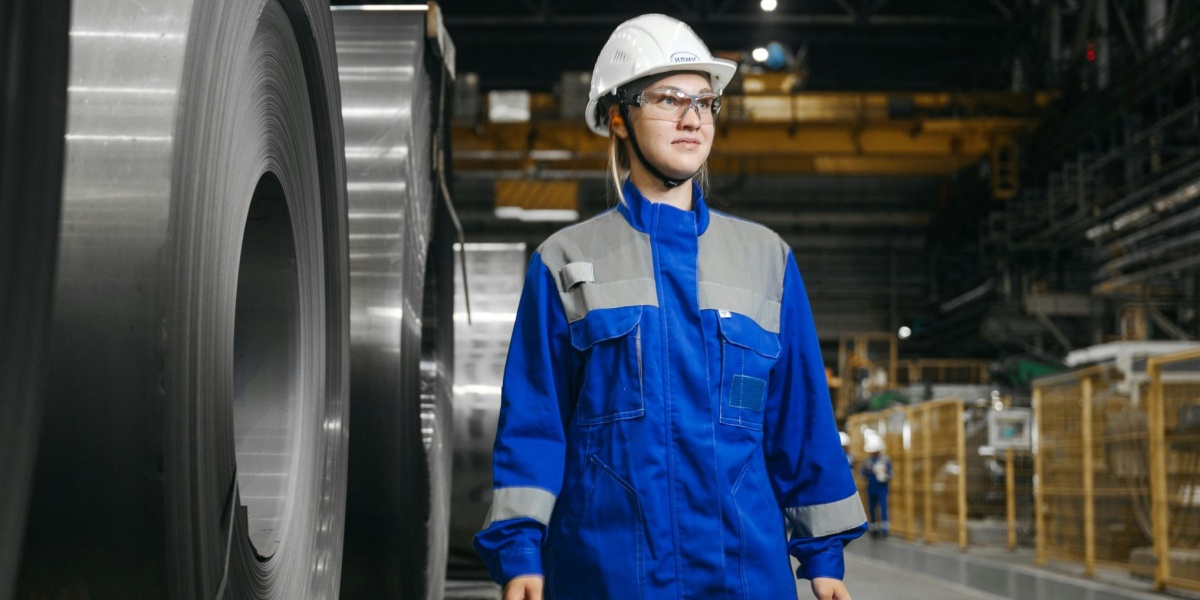
U.S. manufacturing shed tens of thousands of jobs in 2025 while production held steady. That means zero buffer. Every absence, every injury, every burnout-driven mistake at Flint cascades through a system running with no slack. The 4,200 workers mandated onto six-day schedules face unpredictable overtime in an industry that already eliminated its safety margin. Meanwhile, GM authorized $6 billion in stock buybacks. The workers produce the trucks. The shareholders collect the margin. That disproportion is the entire business model now.
The Pattern Nobody Wants to Name
Canadian shift closure, U.S. plant expansion, EV workforce layoffs, battery facility idling. All announced within 90 days. All tariff-policy adjacent. Tariff costs of $3-4 billion annually now exceed many automaker profit margins, forcing production geography to follow trade policy instead of customer demand. Once you see it, every GM press release about “strong demand” reads differently. The Flint expansion, the Oshawa closure, the EV retreat: each one traces back to the same tariff calculus. This is industrial policy reshaping an industry in real time.
What Breaks First
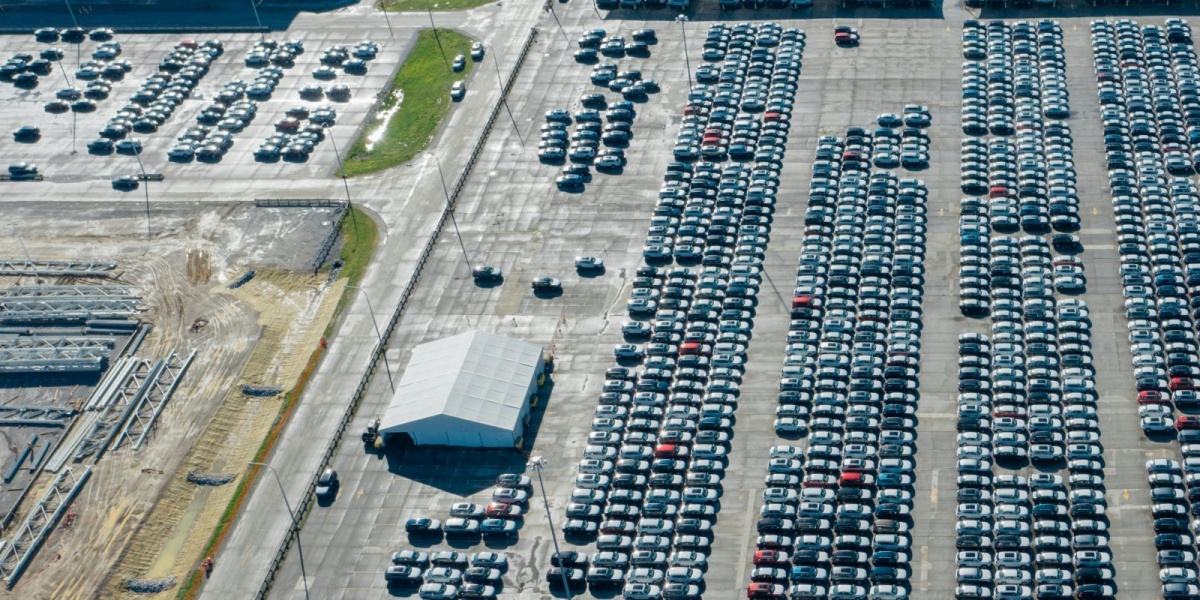
If tariffs reverse, Flint’s sixth day becomes instant overcapacity, and those 4,200 workers face layoffs within 18 months. If recession hits, demand for $70,000 trucks contracts overnight, and the $13-15 billion profit guidance evaporates. If oil spikes past current levels, the four-to-six-month window Jacobson himself described kicks in, and buyers finally downshift. Ford and Stellantis face pressure to match or lose share. Lenders are already tightening auto credit as delinquency rates spike toward pandemic levels.
The Bet Against Its Own Workers
Chinese EV makers are already pursuing tariff workarounds through Mexico and Canada production bases. The UAW faces mounting pressure to negotiate overtime protections before June. Congress has begun scrutinizing auto tariff impacts. And GM’s own CFO admitted the demand cliff has a timer on it. The company that built Flint Assembly during the Truman administration is now running it like a sprint: maximum extraction, minimum hiring, zero margin for error. Most people see a production boost. The 4,200 workers living it know what it actually costs.
Sources:
“GM Makes Drastic Decision Pickup Lovers Will Enjoy.” TheStreet, 30 Mar. 2026.
“GM Increasing Chevy Silverado HD, GMC Sierra HD Production at Flint Plant.” GM Authority, 30 Mar. 2026.
“GM Adds Sixth Day at Michigan Plant to Boost Heavy-Duty Truck Output.” Reuters, 30 Mar. 2026.
“GM Releases 2025 Financial Results and 2026 Guidance; Board Declares Dividend at 20% Higher Quarterly Rate, and Approves New $6.0 Billion Share Repurchase Authorization.” PR Newswire / General Motors, 27 Jan. 2026.