GM Collapses 9.7% And Buick Implodes 32.6% As $30B Tariff Backfire Destroys Detroit
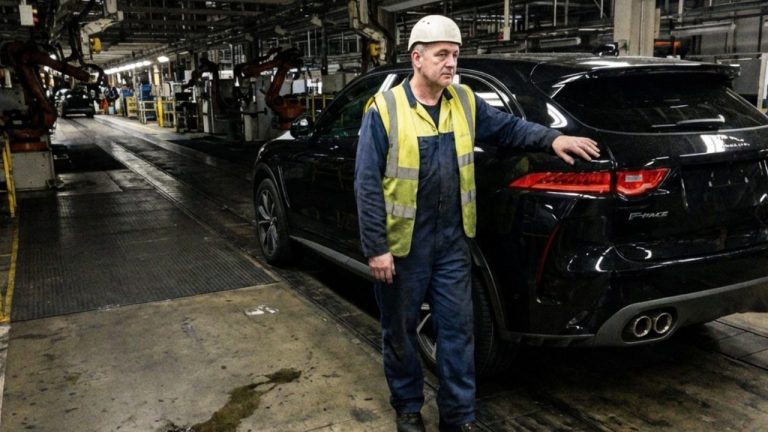
Somewhere on a dealer lot in Michigan, a row of Buick Envisions sits untouched. Sticker prices climbed $3,000 overnight thanks to tariffs on Chinese-built vehicles. The customers those SUVs were built for stopped showing up. Across the country, Q1 2026 new vehicle sales dropped 6.3% to 3.69 million units, roughly 248,000 fewer than the same quarter last year. General Motors absorbed the worst of it. But the brand bleeding hardest wasn’t Chevrolet or Cadillac. The damage concentrated somewhere nobody expected to look.
Detroit’s Worst Quarter in Years

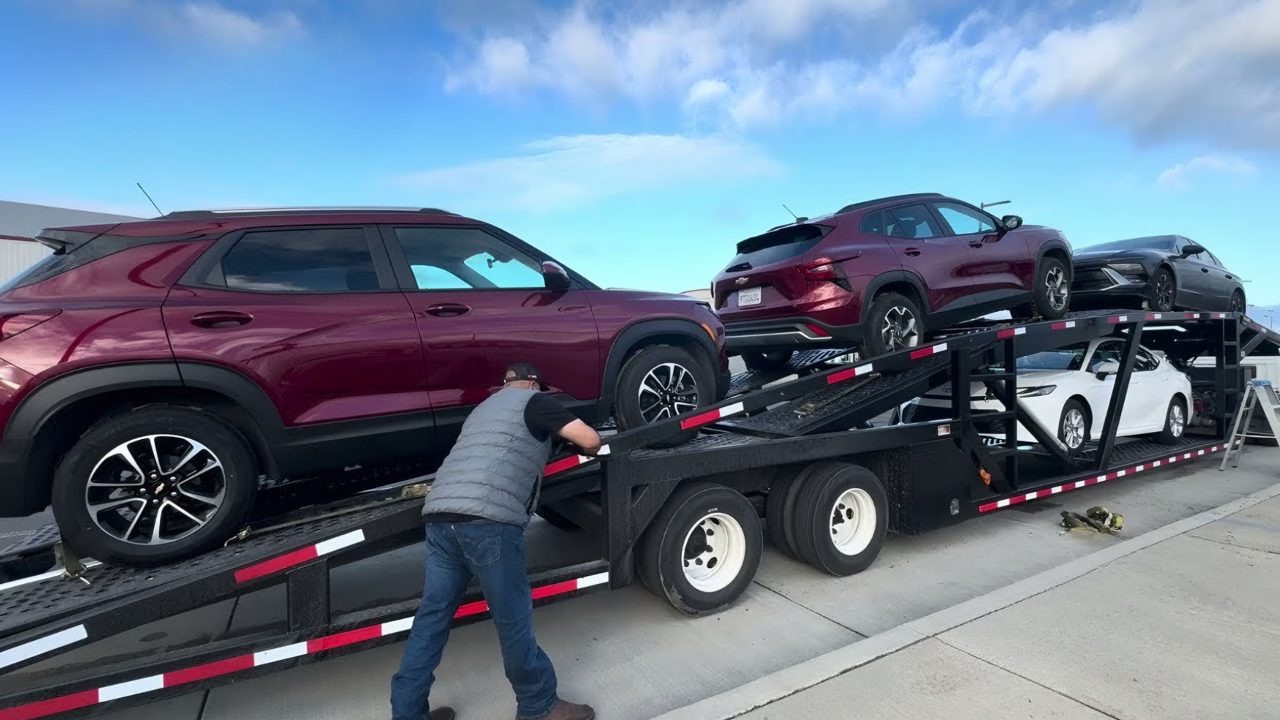
GM posted Q1 2026 sales of 626,429 units, a 9.7% collapse from 693,363 the prior year. Ford reported a comparable decline of 8.8%. These weren’t small brands absorbing a bad month. These were the two pillars of American automaking, crumbling during what should have been a tax-refund-fueled buying season. Average new-vehicle transaction prices reached $51,288 in January, marking ten consecutive months above $50,000. Monthly payments hit $756. The affordability wall was already built before the tariffs finished raising it higher.
The Tariff Promise That Cracked

The pitch was straightforward: tariffs protect American manufacturing and save Detroit jobs. Cox Automotive estimated those tariffs cost the automotive industry $30 billion in 2025, with automakers absorbing roughly $3,800 per vehicle. Imported vehicles saw $5,000 to $8,900 in price increases. Even domestic models climbed $1,600 to $2,000 from tariffs on steel and aluminum alone. Meanwhile, Hyundai reported Q1 sales up 1%. FCA posted a 4% increase to 305,902 vehicles, with Ram surging 20%. The brands tariffs were supposed to disadvantage gained ground while Detroit bled out.
Buick’s $3,000 Death Sentence
Buick deliveries plunged 32.6% to 41,654 units, among the steepest major-brand quarterly drops in modern automotive history. The Envision, built in China and slapped with a $3,000 tariff-driven price hike, collapsed 71% to just 4,485 units. That model existed specifically for budget-conscious buyers. Tariff policy priced out the exact consumer it claimed to protect. One vehicle. One price increase. Seventy-one percent gone. The $30 billion tariff burden accumulated through 2025 crystallized into this single result: the brand built for middle America became unaffordable for middle America.
The Two-Tier Market Nobody Admits

Here is the mechanism hiding beneath the sales numbers: no automaker builds affordable new vehicles anymore. Every production line optimizes for the $50,000-plus price point where margins survive. Tariffs didn’t protect Detroit. They protected Detroit’s profit margins by ensuring only wealthy buyers could still afford new cars. The mass market collapsed 6.3%. Luxury held steady. Hyundai’s hybrid sales jumped 61%. Toyota dipped just 0.1%. The companies serving affluent buyers thrived. The companies serving working families cratered. That split reveals a market reorganizing around income, not brand loyalty.
The Numbers That Bury the Myth
More than 75% of American car owners now drive a used vehicle. Younger millennials have watched monthly payments rise 60% since 2019. The vehicle affordability index requires 35.6 weeks of median income to buy the average car. Gas prices hit $4 per gallon in early April after a 35% spike tied to the Iran conflict. That is a financial vice tightening from every direction simultaneously. New EV sales fell 28% to 212,600 units after the $7,500 federal tax credit expired on September 30, 2025. Even the escape hatch slammed shut.
The Vehicles That Vanished
Automakers responded to the affordability crisis by abandoning affordable cars entirely. The Nissan Versa, the last small sedan under $19,000, was discontinued for 2026. Chevrolet killed the Malibu, leaving virtually no sedans except the two-seat Corvette. Acura ended sedan production. Cadillac axed the XT4 and XT6. Chevrolet’s Blazer EV plummeted 82.6% to 1,077 units. Used EV sales, meanwhile, surged 12% to 93,500 units as prices fell within $1,300 of gas cars. Buyers wanted EVs. They just refused to pay new-car prices for them.
The Precedent Already Set
The EV credit expiration proved the federal government can destroy a nascent market overnight with a single policy reversal. EV market share fell from a 7.5% peak in Q3 2025 to 5.8% in Q1 2026, erasing years of adoption gains in months. EV inventory ballooned to 130 days’ supply, 46% higher than combustion vehicles. Once you see the pattern, it reframes everything: when FCA celebrates 4% growth in a collapsing market, that is not strength. That is exclusivity. The industry chose margin preservation over volume, and only the wealthy benefit.
What Falls Next

Cox Automotive projects 15.8 million new-vehicle sales for full-year 2026, down 2.6% from 2025’s 16.2 million. If the Iran conflict pushes oil to $5 or $6, sales could fall an additional 10-15% by mid-year. Roughly 50,000 EV lease returns per month will flood the used market through 2026, further undercutting new EV pricing power. Tier 2 suppliers face margin pressure as production cuts accelerate. Dealership employees face reduced volume. Jeff Kommor at FCA called it “strong momentum.” The industry he is celebrating is shrinking beneath his feet.
Who Wins When Everyone Loses
GM blamed winter storms for the slow start. “Momentum in March helped results partially recover from a slower January and February,” the company stated. That framing hides a 9.7% quarterly collapse behind one decent month. The real framework for understanding this market: tariffs function as a regressive wealth transfer disguised as industrial policy. They eliminated affordable new car access for the middle class while protecting margins for companies selling to the affluent. Automakers will lobby for tariff exemptions. Fintech lenders will expand subprime auto loans. The new car market now serves the top income tier, and everyone keeping a 13-year-old car running already knows it.
Sources:
“Buick Rolled Over And Played Dead, So Did Sales.” Carscoops, 1 Apr 2026.
“New EV Sales Drop 28% in Q1 2026, but Used EVs Surge 12% to Near Parity with Gas Cars.” Electrek, 27 Mar 2026.
“Auto Tariffs Add $30 Billion in Costs as Vehicle Prices Climb 10.4%.” CBT News, 31 Mar 2026.
“US Auto Sales On Track To Fall 6.3% In Q1, With One Detroit Brand Posting the Ugliest Numbers.” Carscoops, 30 Mar 2026.