Georgia Waives $400M in Gas Taxes Over 60 Days After War Shock Hits Drivers at the Pump
Georgia became the first U.S. state to halt its gasoline tax as pump prices jumped more than a dollar per gallon following the outbreak of the U.S.-Iran conflict in late February 2026. Governor Brian Kemp signed the emergency measure on Friday, March 20, freezing the state excise tax for 60 days to give drivers immediate relief at the pump.
The move marks the fourth time Kemp has used such authority in recent years, but it is the first statewide gas-tax holiday directly tied to the Middle East war. By acting swiftly, Georgia aims to blunt the sting of a fuel surge that has lifted regular unleaded from $2.71 to $3.79 a gallon in just one month.
Tax Holiday Saves Drivers About 33 Cents Per Gallon on Gas, 37 Cents on Diesel
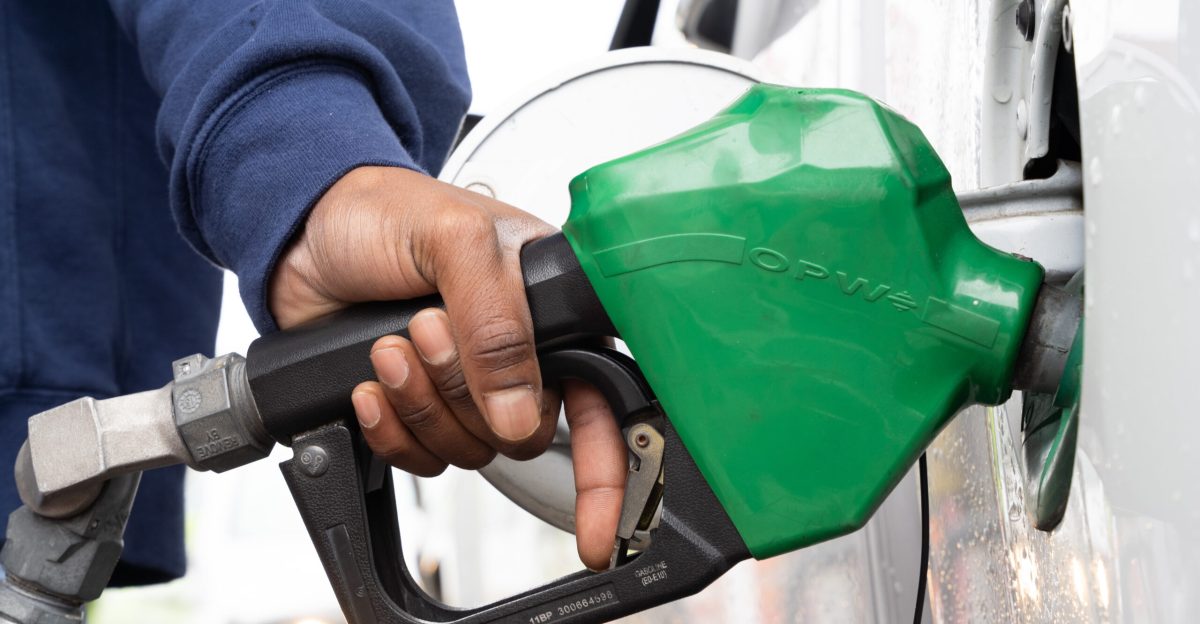
Under the suspension, Georgia motorists will see the state’s 33.3-cent-per-gallon gasoline tax and 37.3-cent-per-gallon diesel tax removed from their bills for two months. Analysts estimate the average driver will save roughly $5 per tank, translating to noticeable household savings amid rising fuel costs.
The relief is expected to appear at gas stations within a few days as wholesalers adjust their posted prices to exclude the levied taxes. Officials stress that the cut applies to both unleaded and diesel fuels, benefiting commuters, truckers, and agricultural operations across the state.
State Faces Up to $200 Million Monthly Revenue Loss, Covered by Reserves

The Georgia Department of Revenue projects the gas-tax suspension will cost the state approximately $200 million in lost revenue each month, or about $400 million for the full 60-day period. Governor Kemp’s administration says the shortfall will be met by drawing on the state’s growing reserve fund, which has accumulated billions of dollars in recent years.
Road-maintenance budgets that normally rely on fuel-tax receipts will be supplemented from those reserves, ensuring that infrastructure projects continue uninterrupted. The state intends to restore the tax once the suspension period ends, unless further legislative action is taken.
Bipartisan Legislature Passes Measure with Overwhelming Support
The Georgia House of Representatives approved House Bill 1199 by a vote of 163-4, while the Senate passed it unanimously, 51-0, sending the bill to Kemp’s desk for his signature. Lawmakers from both parties emphasized the urgency of delivering relief as fuel prices climbed sharply amid the Iran conflict.
The swift, near-unanimous approval underscored a rare moment of bipartisan agreement in an otherwise polarized legislative session. The bill’s rapid progression, from introduction to governor’s signature in under a week, reflects the heightened pressure on elected officials to act on pocketbook issues.
Rep. John Carson Calls Relief “Well-Received” for Taxpayers Ahead of Summer

State Representative John Carson (R-Marietta) praised the tax suspension as timely assistance for Georgians preparing for summer travel and higher fuel demand. Carson said the measure would be well-received relief for constituents and taxpayers, particularly as families head into the summer season for purchasing gasoline.
He noted that the holiday arrives just as families begin planning vacations, road trips, and seasonal activities that typically increase gasoline consumption. The representative urged swift implementation so that savings appear at the pump before peak travel months begin.
Senate Minority Leader Harold Jones II Voices Democratic Support

Senate Minority Leader Harold Jones II (D-Augusta) acknowledged that Democrats had urged the governor to act on rising fuel costs and welcomed the bipartisan outcome. “I think this is needed for the people of Georgia. So, we’re happy to support that,” Jones stated, underscoring the policy’s broad appeal across the aisle.
He emphasized that the relief targets working-class families disproportionately affected by the price spike, especially those relying on long commutes. The senator urged continued monitoring of fuel prices to assess whether further action might be necessary after the 60-day window ends.
House SpeaDker Jon Burns Praises Timely, Meaningful Relief for Millions
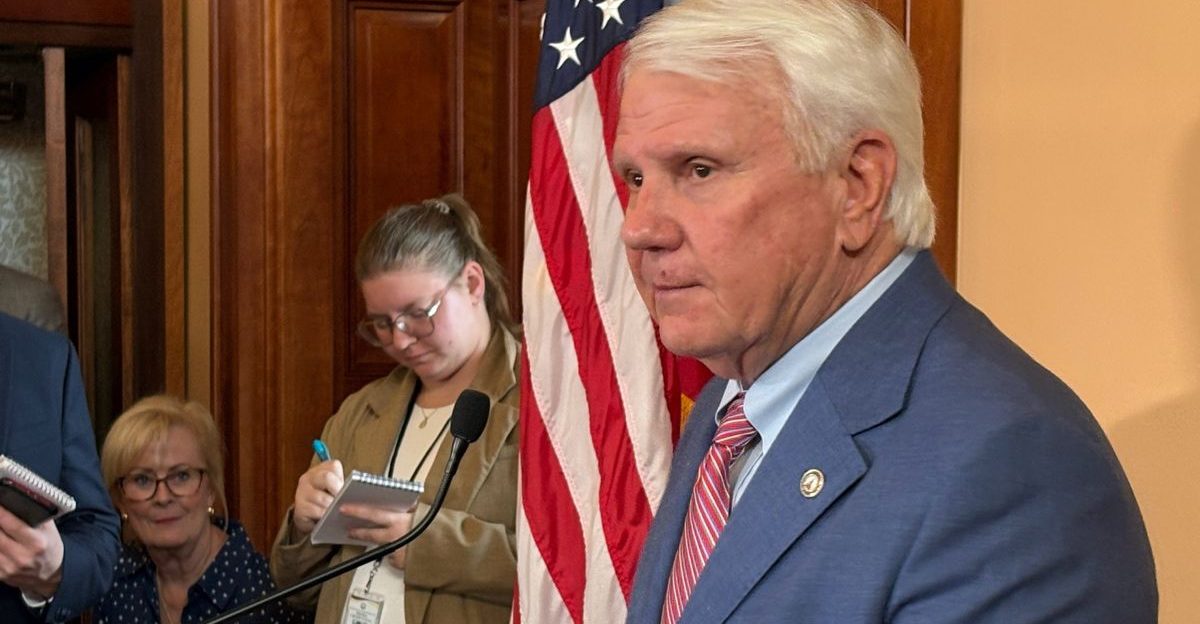
House Speaker Jon Burns (R-Newington) hailed the legislation as a direct reflection of the House’s commitment to addressing affordability for Georgians across the state. “The House knew that we couldn’t wait to ease the burden on countless Georgia families, citizens and businesses across this state,” Burns declared.
He added that the measure delivers meaningful, timely relief to millions of Georgia drivers and families when and where it is needed most. The speaker concluded by thanking both parties for setting aside partisanship to deliver concrete help at the pump.
Governor Kemp’s Office Stresses Commitment to Hardworking Georgians
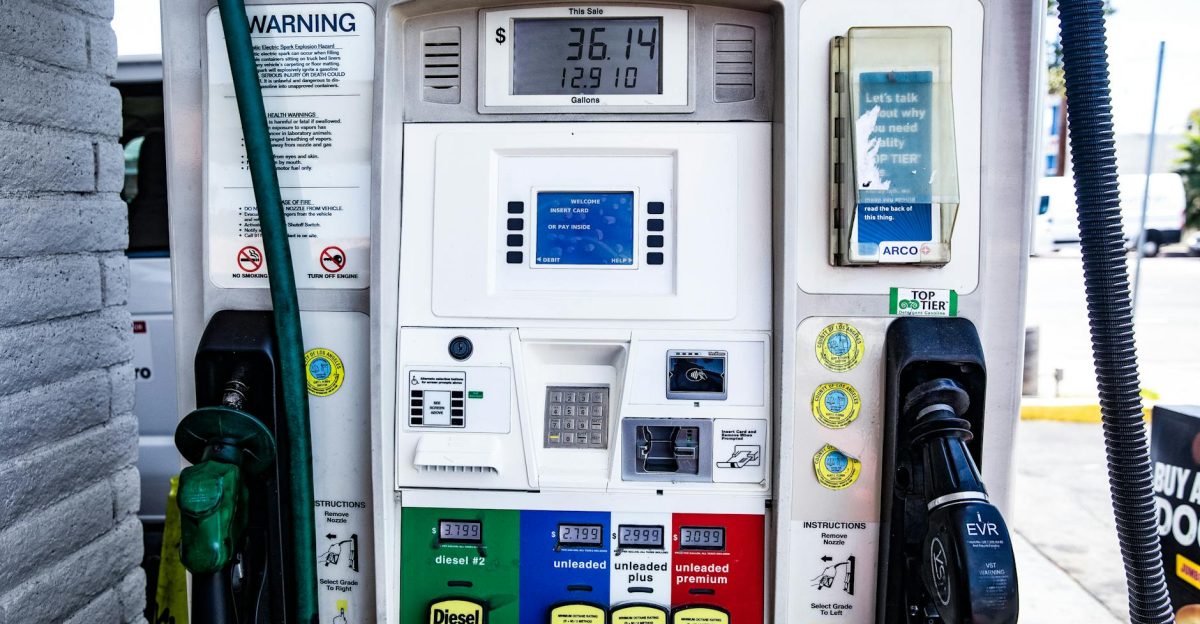
A spokesperson for Governor Brian Kemp reiterated that the governor remains focused on finding ways to put money back into the pockets of hardworking Georgians, including this step alongside the legislature. Kemp himself noted at the signing ceremony that billboard prices will no longer include the 33-cent gasoline excise tax or the 37-cent diesel tax as retailers receive new fuel shipments.
He framed the suspension as a return of taxpayer money where it belongs, directly to consumers coping with wartime fuel shocks. Kemp’s office stressed that the action is temporary, targeted, and fully funded by existing reserves, avoiding long-term fiscal harm.
Historical Context Shows Repeated Use of Gas-Tax Suspensions Under Kemp
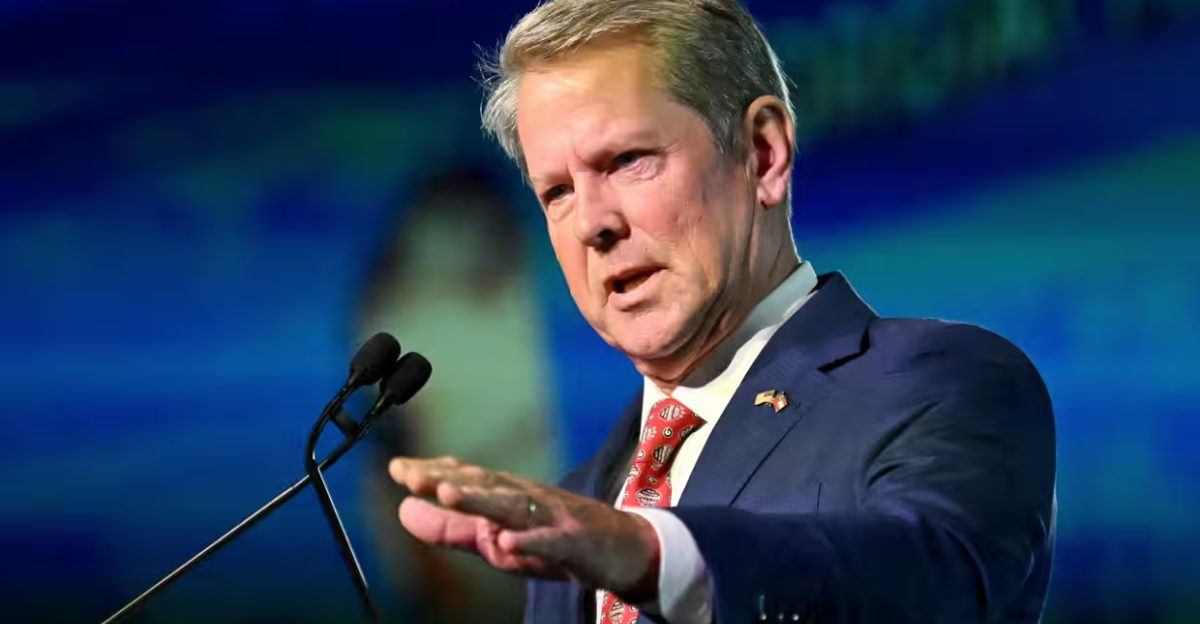
This current suspension is the fourth time Governor Kemp has halted the state gas tax in recent years, each instance responding to a distinct crisis. The first came in 2022 amid fuel-price surges linked to Russia’s invasion of Ukraine, the second followed inflation-driven price increases in 2023, and the third was enacted after Hurricane Helene devastated parts of the state in 2024.
Fiscal experts note that Georgia’s healthy reserve balance has enabled such flexibility without compromising bond ratings or essential services. The pattern underscores the governor’s preference for targeted, temporary fixes over permanent tax cuts during emergencies.
National Fuel Prices Climb, Offering Context for Georgia’s Decision
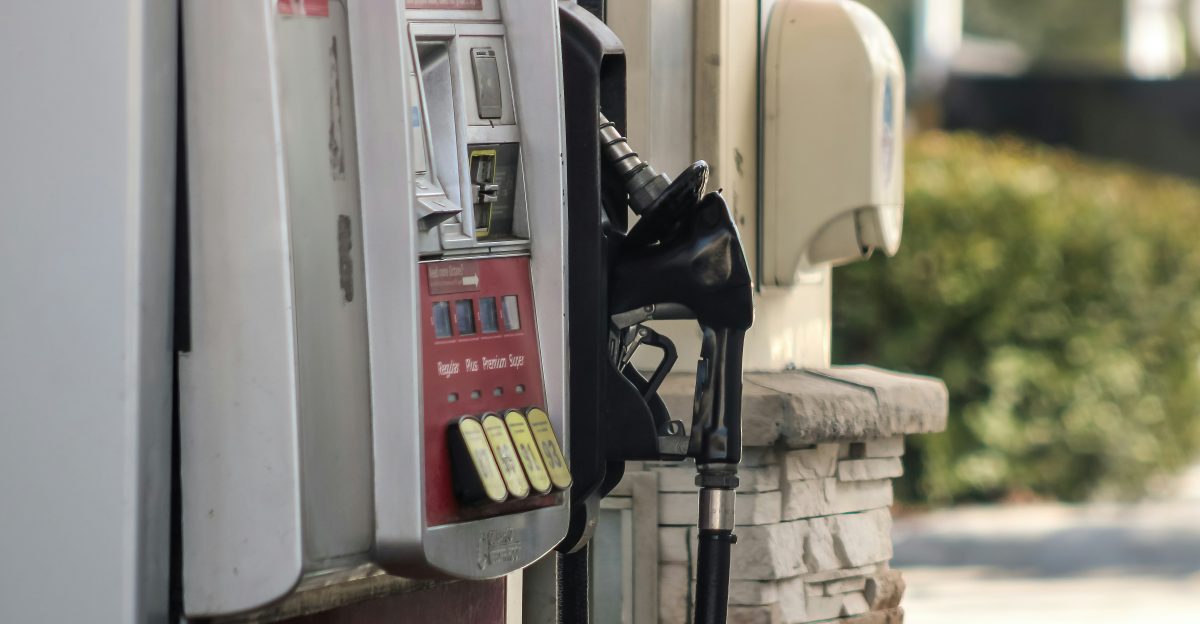
Nationally, the average gasoline price rose from $2.93 per gallon on February 20 to $3.91 per gallon by March 20, 2026, according to AAA, reflecting the broader impact of the Iran conflict on energy markets. Diesel prices have also spiked, pushing Georgia’s diesel average to approximately $5.15 per gallon, while the national diesel average has risen to around $4.50 per gallon.
Analysts warn that continued volatility in crude oil, currently hovering near $100 per barrel for Brent, could keep pump prices elevated for months. As the 60-day window approaches its end, officials will evaluate fuel-price trends to determine whether further action is warranted.
Sources
“Gov. Kemp Signs Major Tax Relief Bills for Hardworking Georgians.” Office of Governor Brian Kemp, March 20, 2026.
“2026 Suspension of Georgia Motor Fuel Taxes — Frequently Asked Questions.” Georgia Department of Revenue, March 2026.
“Kemp Signs 60-Day Georgia Gas Tax Suspension Amid Surging Prices.” CBS News Atlanta, March 2026.
“Kemp to Sign Georgia Gas Tax Suspension After Unanimous Senate Vote.” Fox 5 Atlanta, March 2026.