Gas Up 30% in 3 Weeks as Iran War Triggers Biggest Oil Disruption in History
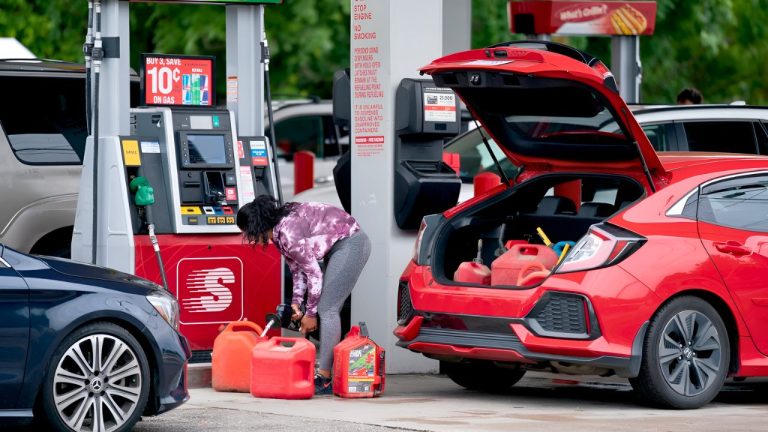
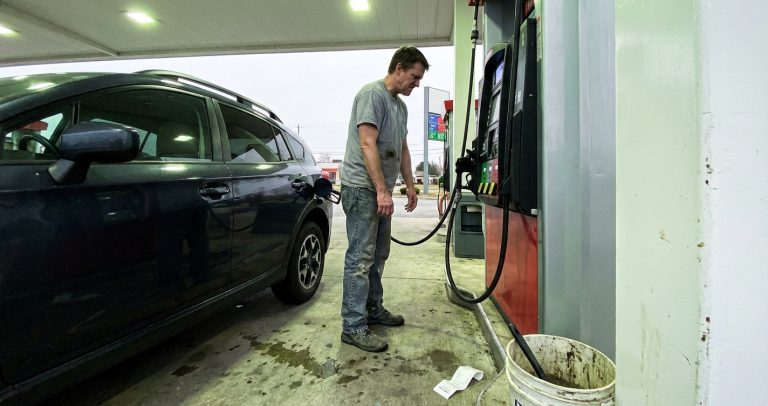
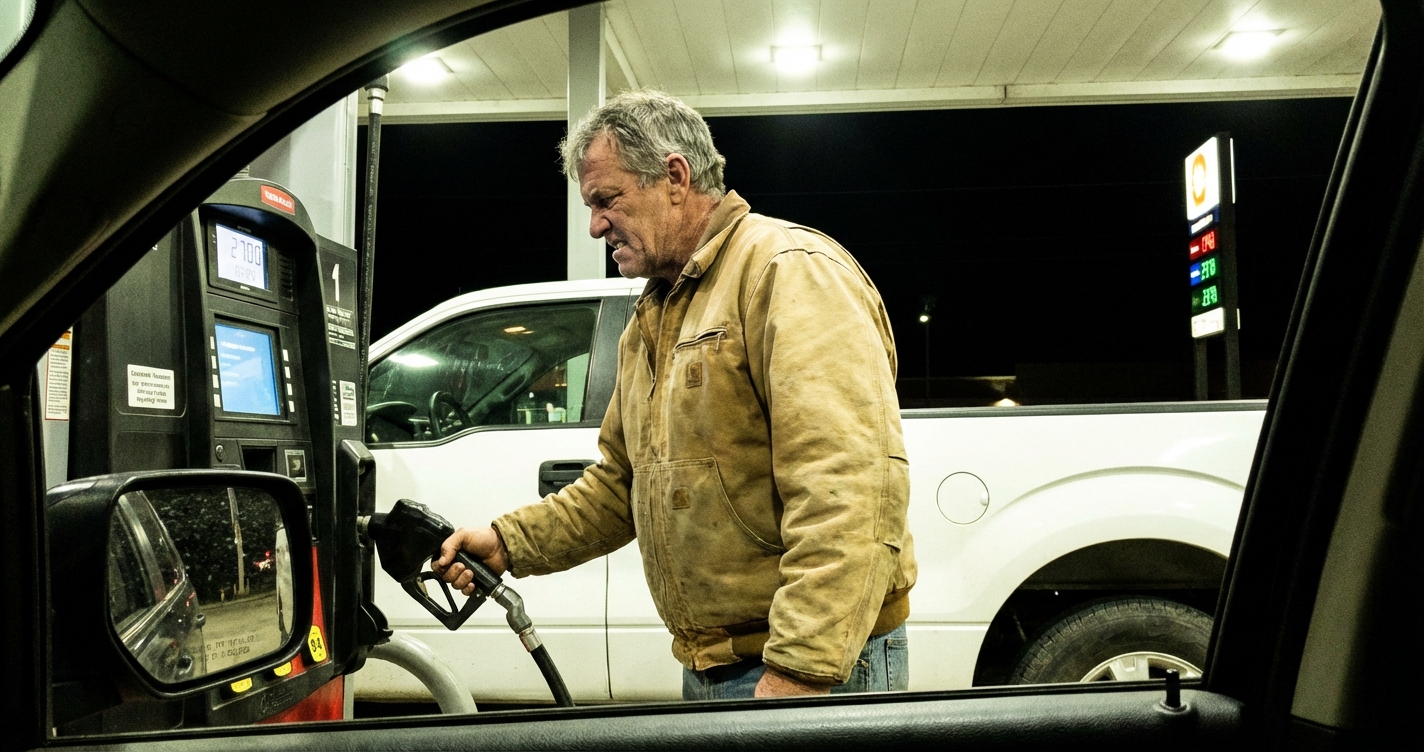
The number on the gas pump didn’t make sense. Drivers across the country felt the shock. Same tank, same routines. Suddenly, prices soared before their eyes. There is no subscription to cancel, no way around it. Just a receipt that stings a little more every week, ever since war in the Middle East shook up the world’s oil markets.
The national average keeps creeping up, monitored every day by AAA and every week by the EIA. Something is off in the system. Every fill-up is a reminder.
Sticker Shock at the Pump
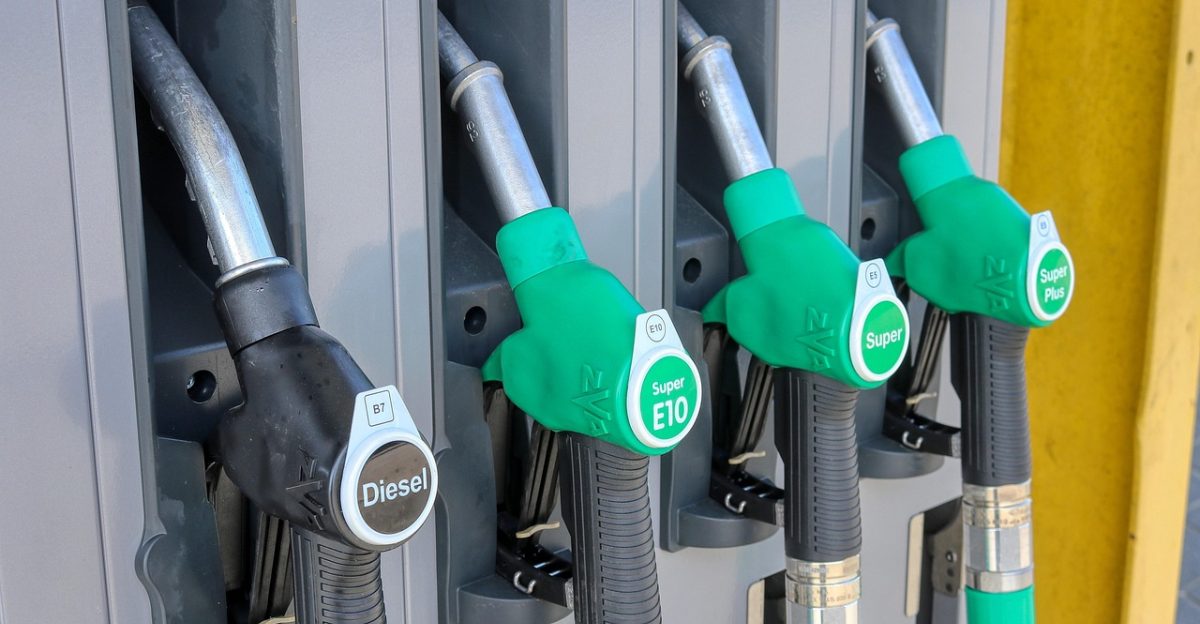
According to the Honolulu Star-Advertiser, U.S. gas prices have jumped 30% since the Middle East war began. Thirty percent. This is an expense families can’t skip. The national average was $2.91 per gallon at the end of February, says the Bureau of Transportation Statistics. By mid-March, it reached about $3.91.
The $50 fill-up turned into $67. That hits commuters, delivery drivers, and small business owners without warning and with no room to negotiate. The EIA’s weekly reports confirm the trend, and AAA’s daily tracker shows the climb as it happens.
What Drives the Price Up

Most people connect war and rising gas prices: crude oil climbs, so gas gets more expensive. Crude is the biggest part of what drivers pay at the pump, according to the EIA. This is only part of the story. Daily spot prices for WTI and Brent crude set the background. Brent crude was $73 a barrel on February 28 before the strikes and shot up to nearly $120 within two weeks.
The price at the neighborhood gas station tells another story. The gap between those two numbers is where the real pain appears. Almost nobody tracks that gap.
How Gas Prices Are Built
Gas prices depend on the whole system that gets fuel to the pump. The EIA breaks down retail gasoline into four main parts: crude oil costs, refining, distribution and marketing, and taxes. Each step adds friction. Any one of them can spike.
War adds a risk premium to crude oil prices. That can push futures up even before a single barrel is lost. If refineries are stretched, prices climb higher. Distribution costs add more. Taxes usually stay put, but everything else can change quickly. In this case, the war set things in motion. The rest of the system followed.
How Markets Move Faster Than News
RBOB gasoline futures, traded by the CME Group, set the tone for what gas stations will charge next. These futures sometimes jump before retail prices change. Wall Street’s predictions for gasoline costs affect prices at the pump. In the week after February 28, the average U.S. gas price jumped by 48 cents. This happened before most people realized there was a war. It feels like a sudden hit, but it comes from a chain of markets and logistics, starting with global crude prices and ending with the nozzle at the local station.
Focusing on crude oil alone is like watching lumber prices to guess what a house will cost. It matters, but there is more to the story.
Where the Bottlenecks Begin
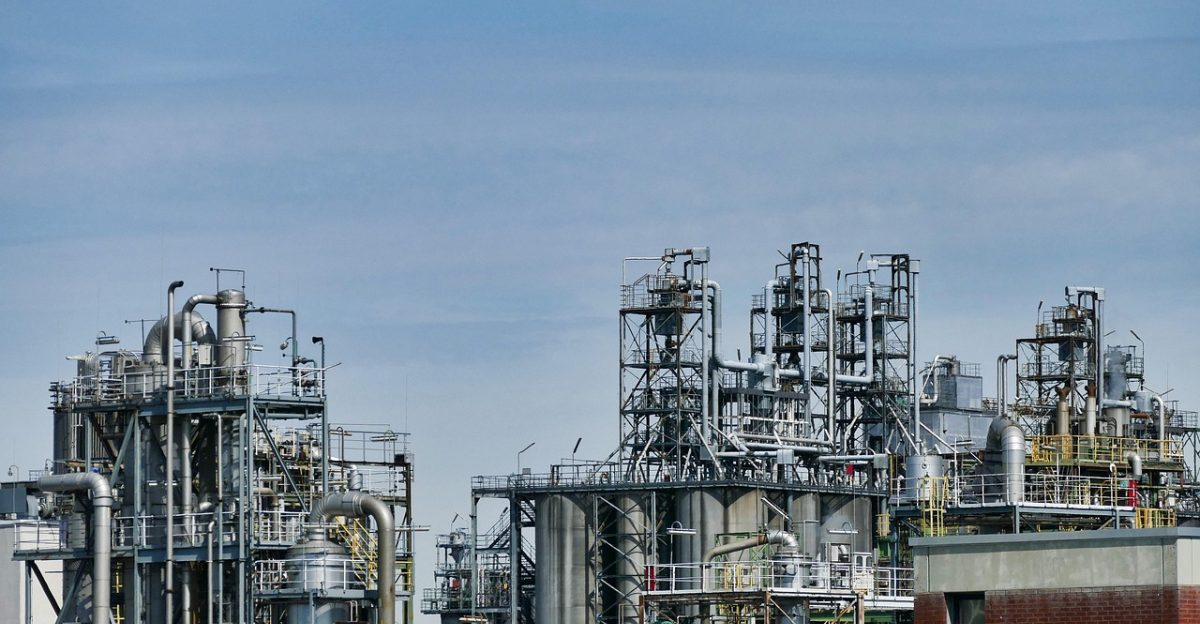
The EIA’s Weekly Petroleum Status Report tracks how much crude oil the U.S. has and what refineries are doing. Sometimes, the numbers tell a different story than the headlines about “shortages.” Refineries may be working overtime, but product inventories still tighten. This creates a bottleneck unrelated to how much crude is in storage.
The IEA’s Oil Market Report links global risks directly to the narratives about supply and demand. Both agencies’ data point to the same result: the bottleneck, not the barrel count, sets the pain level at the pump.
When Gas Prices Spread Everywhere
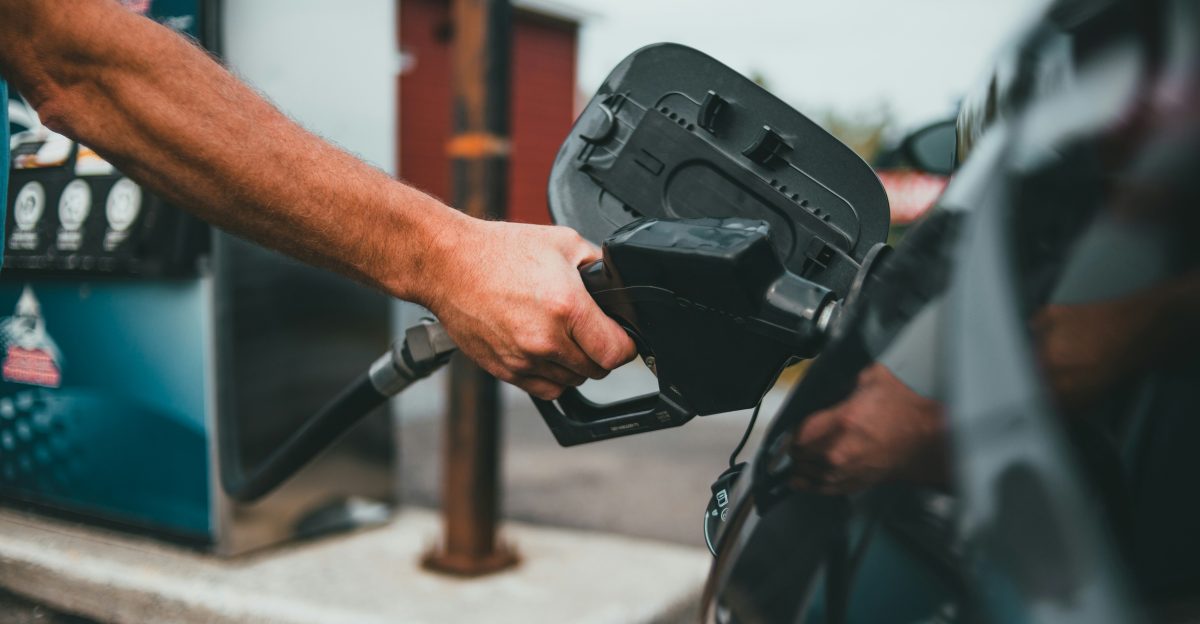
A 30% spike in gas prices hurts more than the fill-up. It spreads into freight costs, delivery fees, and grocery prices since nearly everything rides on diesel trucks at some point. Higher gas prices fuel inflation and squeeze family budgets. Long-distance commuters feel it first, then small businesses with fleets of vehicles.
Data from the EIA and FRED show how quickly a gas price spike ripples into the wider economy. One chain reaction spreads everywhere. The family filling up on the way to work is only the first domino.
A New Way to Read the Market
This is not a one-off. Geopolitical risk can push energy prices up quickly through changes in benchmarks and futures. The EIA’s long-term data allows comparisons with past shocks. Global benchmarks like Brent matter. They set the tone because oil is bought and sold everywhere, even if gasoline gets refined locally. The real insight comes from looking at which part of the supply chain actually causes the spike.
Many people used to think crude oil prices explained everything. Now, the real challenge is to find the bottleneck. That clue is easy to miss.
What to Watch for Now

As of late March, Brent crude is around $113 a barrel. This is down from the $120 spike and still 55% higher than before the war. If crude prices climb again or refineries hit snags, prices at the pump will follow. That possibility remains. AAA’s daily updates mean the next jump could appear overnight, both in the news and on receipts. RBOB futures are already moving, hinting that more changes might arrive before gas stations update their signs.
The EIA’s weekly reports will show whether falling inventories or refinery changes can ease the pain. So far, every shock has been passed through the system quickly and without mercy.
How to Spot the Next Spike
Tonight, someone at a bar will say, “the war raised gas prices.” That is only the headline. The person who checks EIA’s weekly data, watches RBOB futures, and reads about refinery bottlenecks knows which lever moved. This is the difference between feeling at the mercy of prices and understanding what drives them.
Four parts make up every gallon sold. This time, the war pulled one. Next time, the spike could come from somewhere else entirely.
Sources:
Bureau of Transportation Statistics — Motor Fuel Prices – February 2026 — March 2, 2026
Honolulu Star-Advertiser — U.S. Gasoline Pump Prices Have Jumped More Than 30% This Month — March 20, 2026
Fortune — Iran War Has Caused the Biggest Oil Disruption in History, IEA Says — March 13, 2026
NPR — Gasoline Prices Rise as the Iran War Stretches Into Its Third Week — March 16, 2026
CBS News — Oil Only Accounts for Half the Cost of a Gallon of Gas — March 12, 2026