Gas Up $1 in 30 Days Forces Uber, Lyft and DoorDash Into Emergency Mode
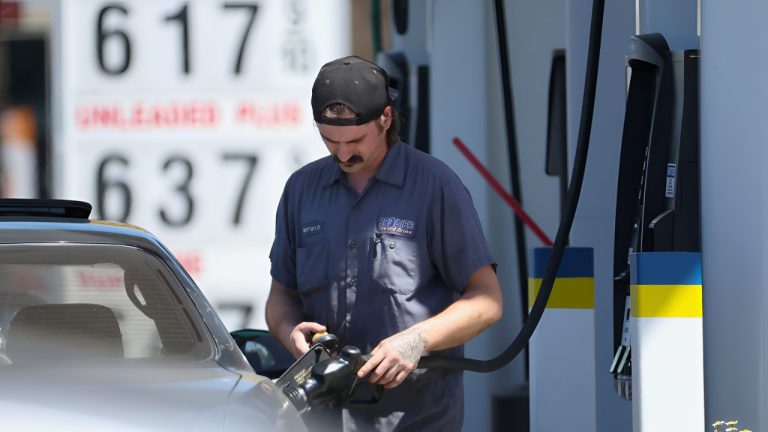
From February 26 to March 26, the national average for a gallon of regular gas climbed from $2.98 to $3.98. That’s one dollar in thirty days. The Middle East conflict pushed oil near $120 a barrel, and the shockwave hit every driver filling up a tank in America. Uber, Lyft, and DoorDash all announced emergency relief programs within days of each other, offering cash back, mileage payments, and fuel discounts through late May. Three competitors are moving in lockstep. That alone tells you how severe the pressure got. The relief sounds generous until you do the math.
Why Platforms Couldn’t Sit This Out
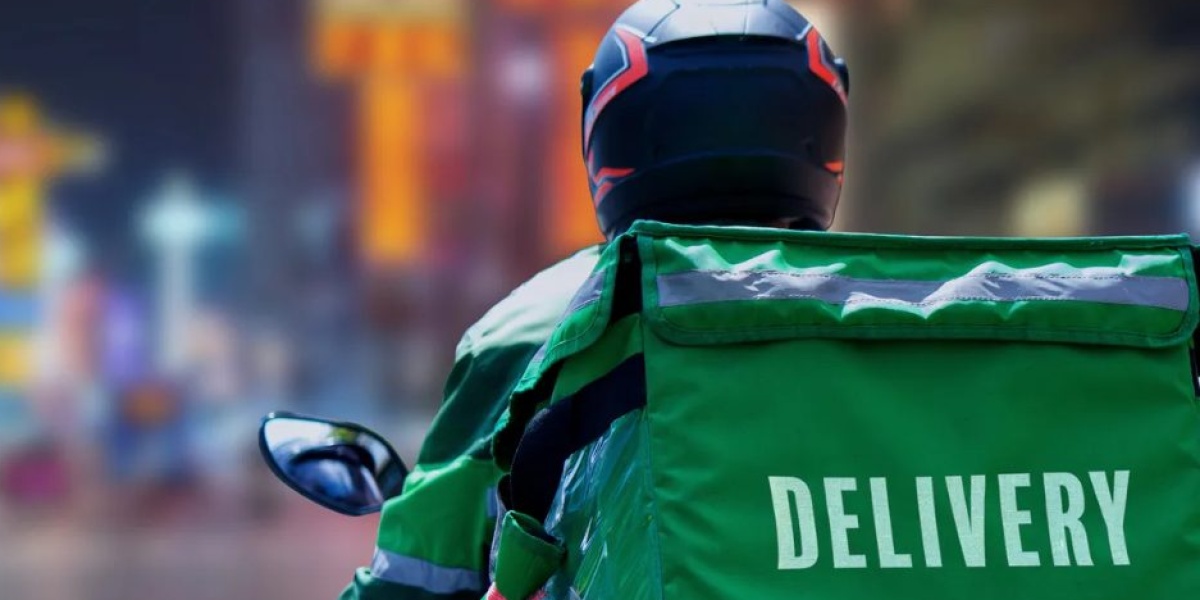
Drivers started getting selective. With gas eating deeper into every fare, gig workers began rejecting low-margin routes and short deliveries that no longer pencil out. That behavioral shift threatened the entire supply model. Platforms depend on a massive pool of willing drivers accepting rides and deliveries at compressed pay rates. When drivers stop accepting, wait times spike, customers leave, and the whole machine stalls. The platforms framed their response as generosity. The structure tells a different story: this was a supply-chain triage to keep the network from collapsing.
What $1.90 a Gallon Actually Buys
DoorDash claims drivers can save between $1.40 and $1.90 per gallon by stacking its 10 percent Crimson card cash back with weekly mileage payments of $5 to $15. Uber tops out around $1.44 per gallon through Upside, Shell discounts, and its Pro Card. Lyft trails at roughly 98 cents per gallon for top-tier drivers. Run those numbers for a full-time driver filling up twice a week, and the maximum monthly relief lands somewhere around $100 to $150. Meanwhile, 95 of 127 surveyed gig workers reported they couldn’t afford housing last year. A hundred bucks a month doesn’t fix that.
The Debit Card Catch
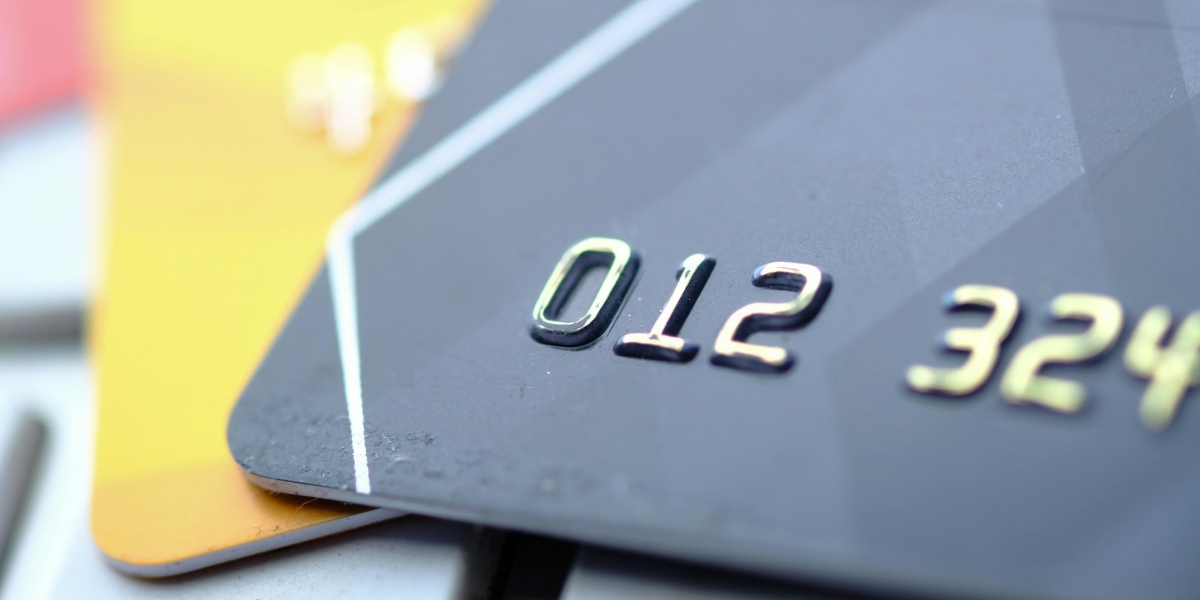
To access maximum savings, drivers must use company-branded debit cards: DoorDash’s Crimson card, Uber’s Pro Card, Lyft’s Direct card. More than half of DoorDash drivers already carry the Crimson card. The relief programs accelerate the adoption of the rest. Every swipe routes financial activity through the platform’s ecosystem, generating transaction data and deepening the relationship between driver and company. The crisis created an opening, and platforms used it to lock drivers further into proprietary financial products. Other gig platforms may face pressure to match these programs or risk losing drivers to competitors offering relief.
Where the Cascade Crosses Industries
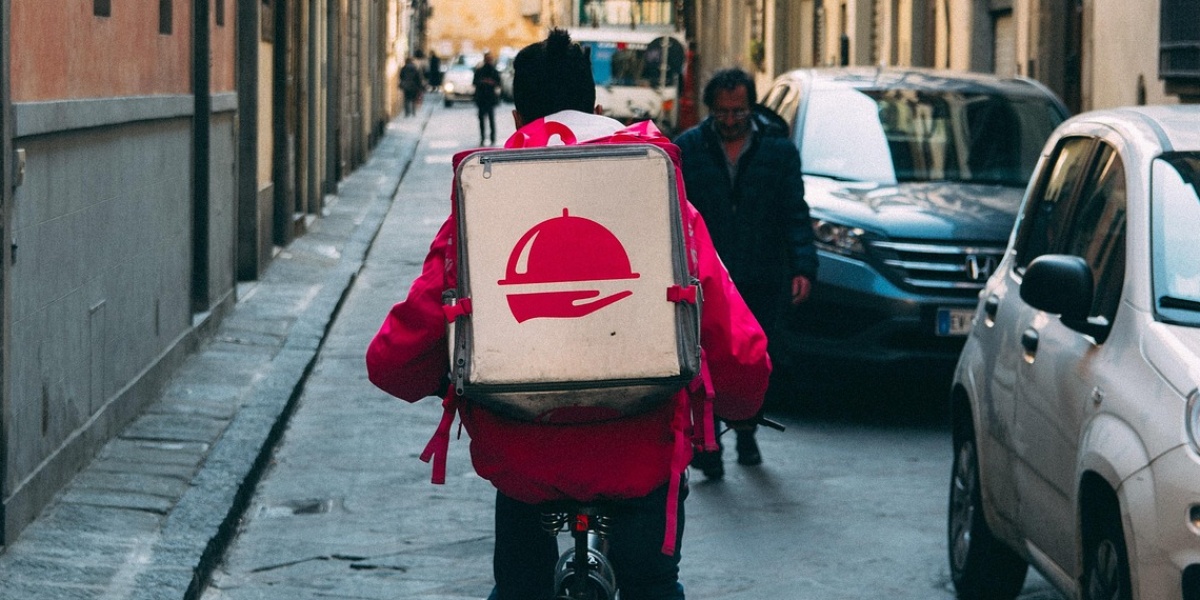
Delivery costs don’t stay in the delivery business. When gig drivers absorb higher fuel expenses, platforms face a choice: eat the margin or pass costs downstream. Analysts expect higher delivery fees and increased surge pricing as platforms protect their numbers. Restaurants relying on DoorDash for same-day orders absorb those fee increases or raise menu prices. Consumers ordering groceries, prescriptions, or dinner through apps pay more per transaction. One oil shock in the Strait of Hormuz. Commodity markets in Houston. Surge pricing on your phone. Same chain, three weeks apart.
The Machine Behind the Curtain
Every one of these ripples traces back to the same structural failure. Platform economics depend on compressed driver wages. When an external shock hits, workers absorb it because base pay is already razor-thin. DoorDash cut its minimum base pay to $2 per order back in 2021. Fifty percent of delivery workers’ pay comes from customer tips, not the platform. The model runs on margins so tight that a $1 gas increase becomes an existential threat to driver participation. Platforms don’t raise base pay. They launch 60-day programs. The system stays intact. The vulnerability stays permanent.
An Analyst Calls It What It Is

“In many cases, these programs simply extend existing benefits rather than meaningfully improving driver earnings.” That assessment, from an industry analyst cited in Business Insider, landed the same week platforms were promoting their relief as bold action. Lyft VP and Head of Driver Yuko Yamazaki acknowledged that “drivers are feeling the cost of rising gas prices, which ultimately impacts their earnings.” Feeling the cost. Impacting earnings. The language stays careful, stays soft. Nobody in a boardroom is saying the word “insufficient.” But 95 of 127 workers struggling to afford housing say it’s for them.
The 2022 Playbook, Repeated

In 2022, Russia’s invasion of Ukraine sent gas prices surging. Platforms rolled out nearly identical emergency relief programs. Temporary. Expiring. Designed to hold driver supply together through the crisis window. When prices stabilized, the programs disappeared. Wages stayed compressed. No structural reform followed. Now it’s 2026, a different war, the same oil shock, and the same playbook. This pattern establishes a precedent that should concern every gig worker in America: crisis relief has become the substitute for permanent wage reform. The cycle resets every time a geopolitical shock hits energy markets.
Who Wins, Who Loses, What to Watch
Platforms win twice: they retain driver supply through the crisis and deepen financial ecosystem lock-in through branded debit cards. Shareholders win because temporary margin compression replaces permanent wage increases. Drivers lose: relief maxes out around $150 monthly, while housing costs run $800 to $2,000. Consumers lose next, absorbing higher delivery fees and surge pricing as platforms protect margins. The number to watch is oil. If prices hold above $100 per barrel past May, the math breaks for everyone. Worker advocacy groups are already framing these programs as proof that platforms can afford to pay more permanently.
May 27 and the Earnings Cliff
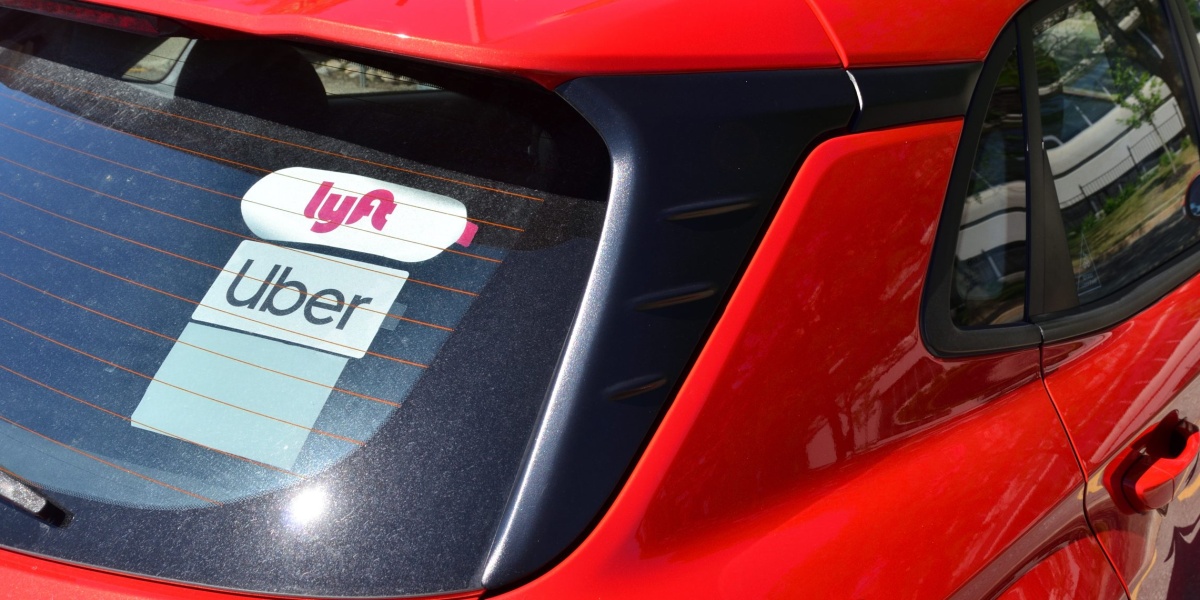
Every program expires by late May. Uber and Lyft sunset on May 26. DoorDash wraps April 26. Unless oil prices collapse, drivers face an earnings cliff with no safety net beneath it. The independent contractor classification that keeps gig workers off company payrolls also denies them wage protections when relief programs vanish. If enough drivers exit, the supply disruption hits consumers directly: longer waits, higher prices, fewer options. The cascade started with a war overseas. It ends in your delivery app. And the platforms already know the next crisis will trigger the same temporary fix all over again.
Sources:
“National Gas Average Jumps One Dollar in One Month.” AAA Gas Prices, 26 Mar. 2026.
“Uber, Lyft, DoorDash Offer Incentives As Gas Prices Squeeze Drivers.” Business Insider, 27 Mar. 2026.
“DoorDash Introduces Relief Payments for Drivers as the Iran-US War Drives Up Gas Prices.” TechCrunch, 23 Mar. 2026.
“Lyft Is Bringing Driver Relief for Rising Gas Prices Through Rewards for 60 Days.” Lyft Newsroom, 25 Mar. 2026.