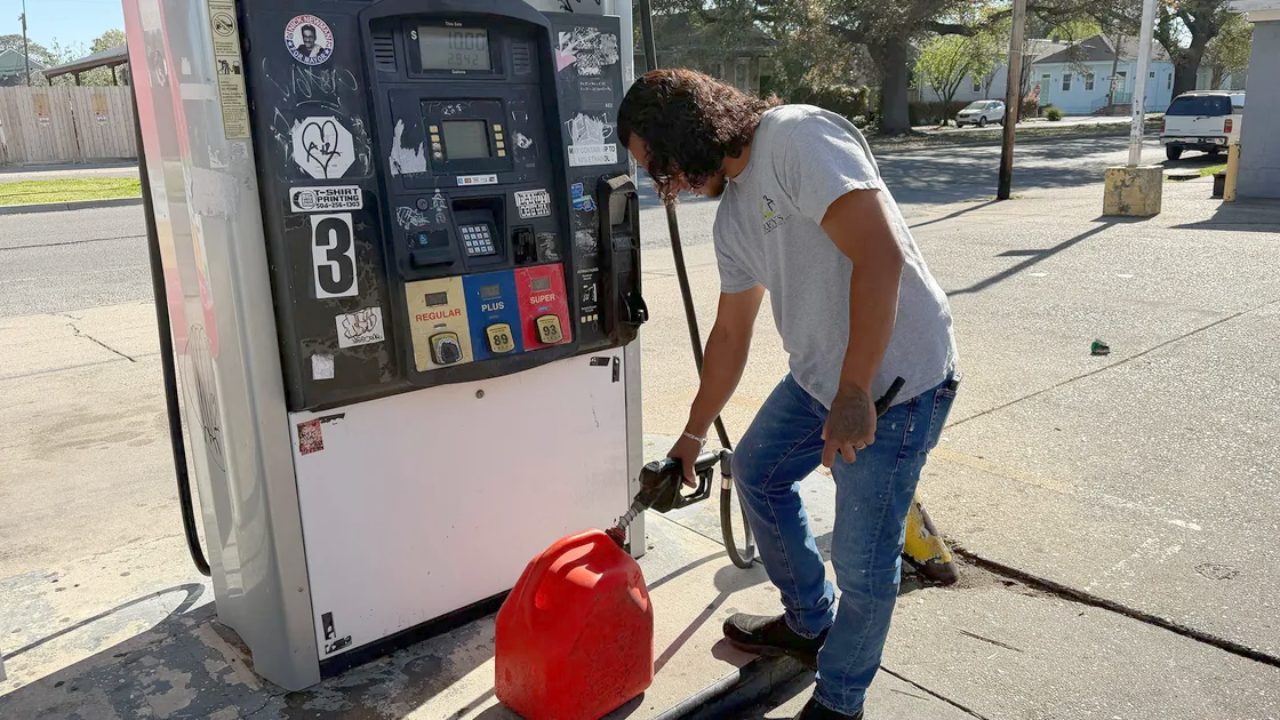
Gas Up $0.90 in 3 Weeks—IEA Releases Record 400M Barrels to Stop Historic Price Spiral
Gas prices across the U.S. South and Southwest have surged more than 30% in just two weeks, marking one of the fastest increases in recent memory. The jump follows the escalation of the Iran conflict in late February, which triggered missile attacks and the closure of the Strait of Hormuz, a vital route for global oil shipments. “Gas prices have risen more than 30% in some states in weeks,” the New York Times reported on March 22, highlighting the abrupt impact on consumers.
States Feel the Pinch
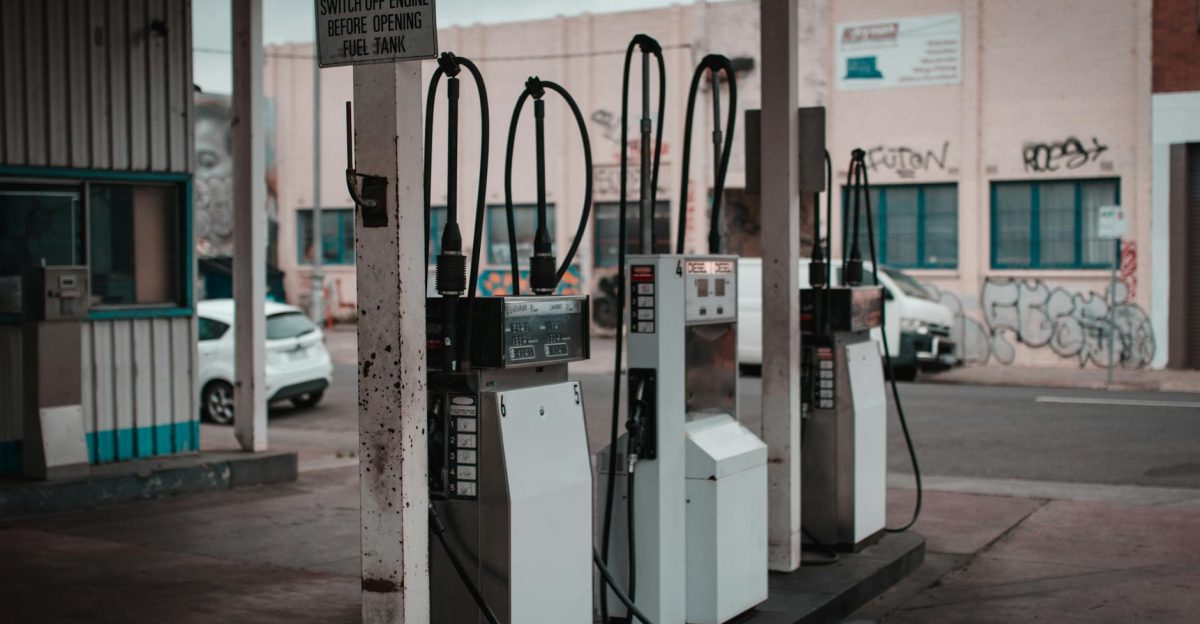
By mid-March, Louisiana, Mississippi, Oklahoma and Texas each saw prices climb about one-third, while Colorado’s average rose 35% and New Mexico’s increase edged just under 40%. At Birdie’s gas station in New Orleans’ Seventh Ward, the price per gallon jumped to $3.22 from an average of $2.50 a month earlier. “I now expect to spend $200 per fill-up compared to the usual $150,” driver Charles McThomas told the Times, underscoring the sudden strain on household budgets.
Global Oil Flow Disrupted
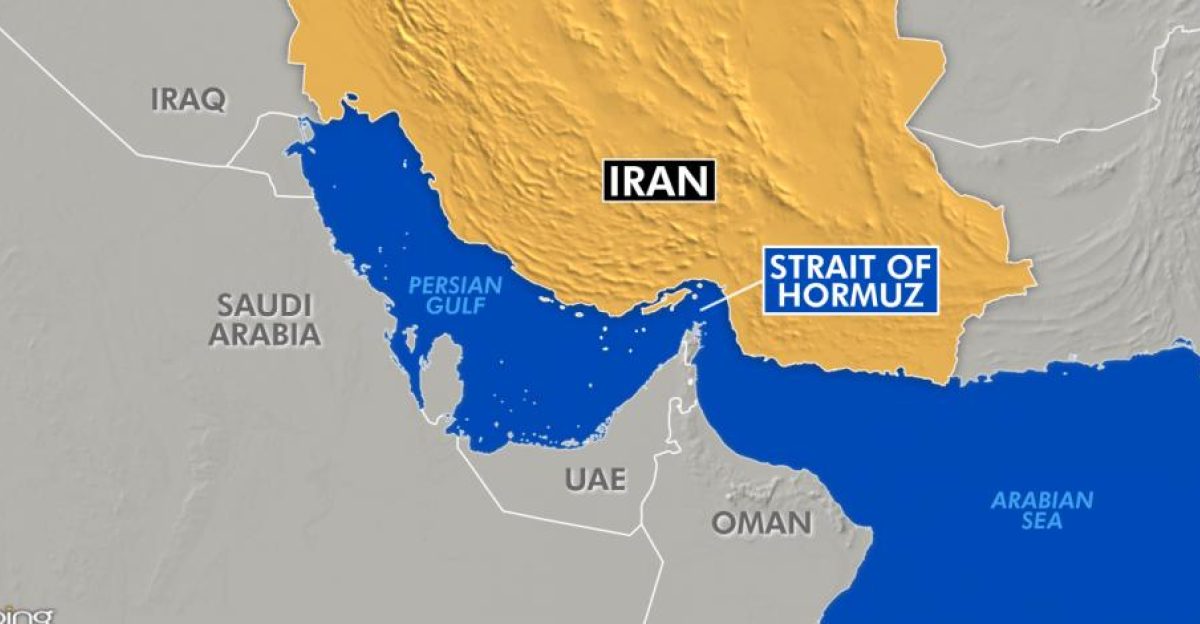
The Strait of Hormuz, through which roughly 20% of the world’s oil travels, was shut down after Iran’s response to the U.S.-Israeli strikes, immediately constraining supply. Energy analysts warned that even a brief interruption in this choke point can ripple through global markets, pushing up benchmark crude prices. “The closure of the Hormuz Strait removes a critical conduit for crude, and markets react swiftly to any perceived threat to flow,” an oil-industry expert told the New York Times, explaining the rapid price jump.
Administrative Response
In reaction to the spike, the Trump administration announced it would release oil from the Strategic Petroleum Reserve and ease sanctions on certain Russian crude shipments, while also allowing some Iranian oil already en route to reach U.S. ports. Officials said the moves aim to cushion the market and prevent further price acceleration. “We are tapping reserve supplies and adjusting sanctions to keep gasoline affordable for American families,” a senior White House aide told the New York Times, describing the temporary relief measures.
Consumer Reaction at the Pump

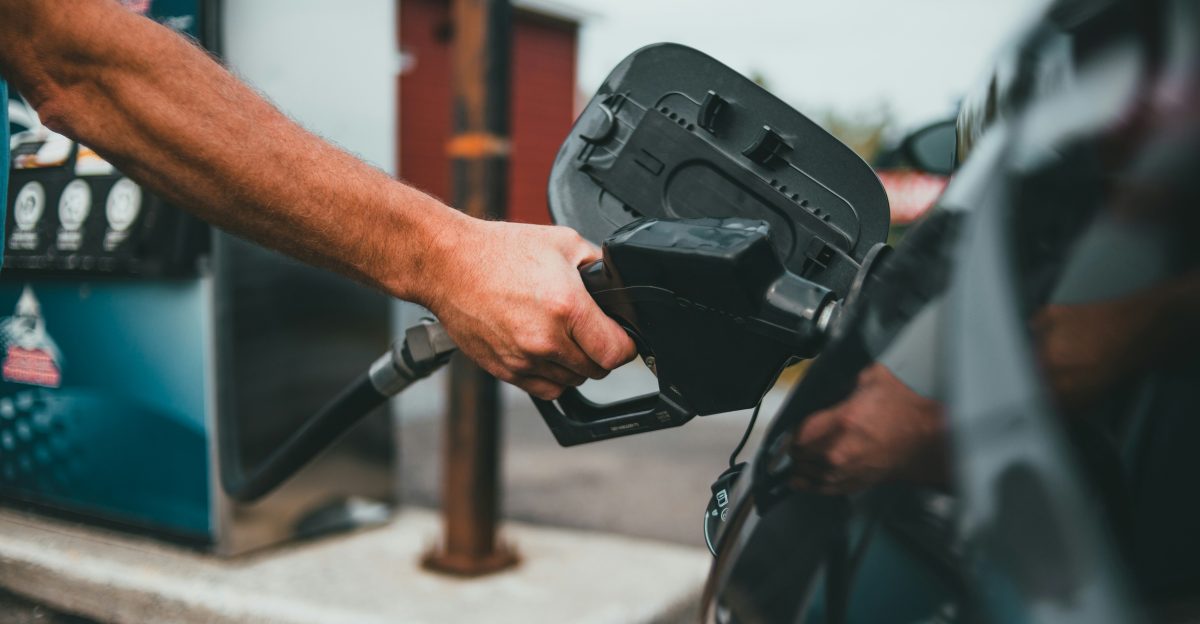
Motorists across the region are adjusting to the new reality at the pump, with many reporting that a full tank now costs what used to cover two fill-ups. Some commuters are car-pooling or cutting discretionary trips, while others worry about the impact on household budgets. “Filling my SUV used to cost $60; today it’s over $100, and I’m thinking twice about weekend drives,” said Jay Robinson, a 42-year-old Dallas insurance adjuster, whose comments were featured in the New York Times’ on-the-ground reporting.
Economic Ripple Effects

Economists caution that sustained high gasoline prices could feed into broader inflation, raising costs for transportation, goods and services, and potentially squeezing consumer spending elsewhere. The Federal Reserve is watching the trend closely, as energy costs remain a key component of its inflation gauges. “When fuel prices rise sharply, they tend to lift prices across the supply chain, and that can complicate monetary policy decisions,” an economics professor told the New York Times, noting the downstream risks.
Market Outlook Uncertain
Analysts say it is still unclear how long the Iran-related disruption will persist or how high prices might climb before any relief takes effect. The situation remains fluid, with diplomatic efforts ongoing and the possibility of further escalation looming. “Markets dislike uncertainty, and until there is a clear path to restoring normal oil flows, volatility at the pump is likely to continue,” an energy market strategist told the New York Times, summarizing the prevailing view.
Historical Comparisons
The current jump echoes earlier oil-price shocks, such as the 2022 surge following Russia’s invasion of Ukraine, though the speed of this increase is notable. Unlike past episodes driven mainly by demand rebounds, this spike is rooted in a sudden geopolitical supply cut. “We haven’t seen such a rapid, conflict-driven jump in gasoline prices since the 1970s oil crisis,” an energy historian remarked in the New York Times, putting the event in context.
What Consumers Can Do

Experts advise drivers to combine errands, keep tires properly inflated, and avoid aggressive acceleration to stretch each gallon further. Some are exploring public transit, cycling or working from home when possible to reduce fuel use. “Small changes in driving habits can add up to meaningful savings at the pump, especially when prices are volatile,” a consumer-affairs representative told the New York Times, offering practical guidance.
Looking Ahead
Officials and market watchers will continue to monitor the Strait of Hormuz situation and any diplomatic breakthroughs that could restore normal oil flows. On March 23, President Trump issued a 48-hour ultimatum to Iran to reopen the strait, and separately placed a hold on further U.S. strikes targeting Iranian energy infrastructure, a move that prompted a pullback in oil prices. Until a resolution is reached, consumers should brace for continued price volatility and budget accordingly. “We remain vigilant and ready to act if the market requires additional intervention,” a Department of Energy spokesperson said in the New York Times, underscoring the administration’s readiness to respond.
Editor’s Note (March 23, 2026): Since this article was published, President Trump has issued a 48-hour ultimatum demanding Iran reopen the Strait of Hormuz, and has subsequently placed a hold on further U.S. strikes targeting Iranian energy infrastructure. Oil prices have pulled back on the news. The situation remains fluid and this article will be updated as developments warrant.
Sources
“Gas Prices Have Risen More Than 30% in Some States in Two Weeks.” The New York Times, March 22, 2026.
“US Pump Prices Jump 30% Since Middle East War Began, Headed Toward $4 a Gallon.” Reuters, March 19, 2026.
“US Lends Oil Companies 45.2 Million Barrels from Reserve, First Emergency SPR Release.” Reuters, March 20, 2026.
“Trump Removes Sanctions on Russia to Help Oil Flow During Iran Crisis.” The New York Times, March 12, 2026.
“How Iran Has Effectively Closed the Strait of Hormuz.” Bloomberg, March 23, 2026.