Gas Hits $4 A Gallon As U.S. Burns Through 40% Of Its Emergency Oil Reserve In One Month
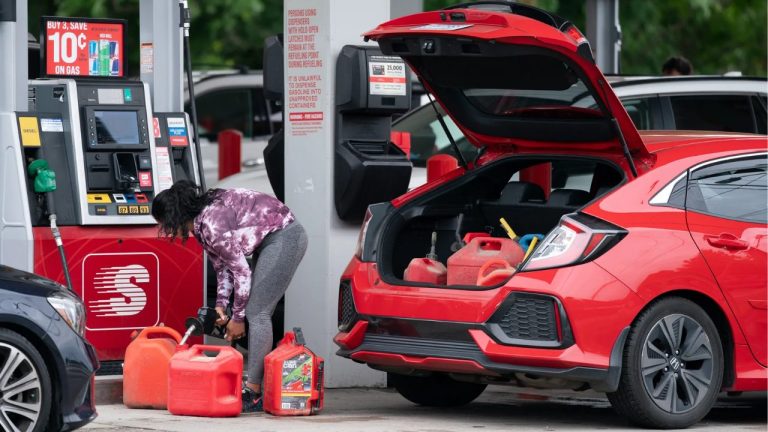
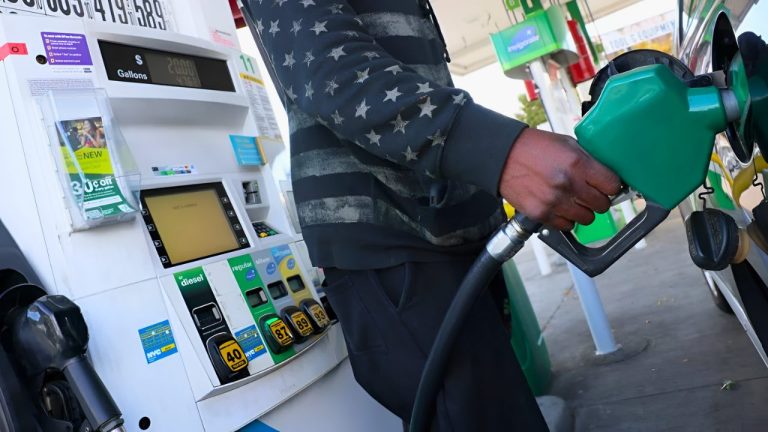
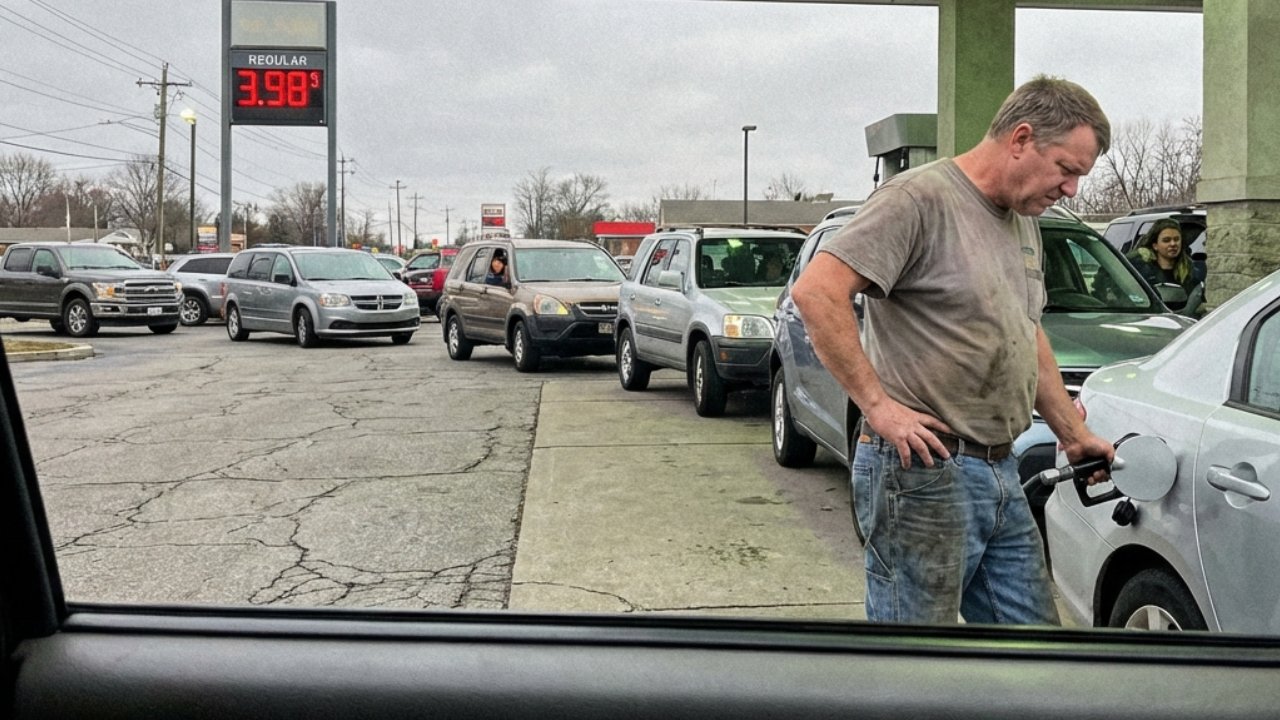
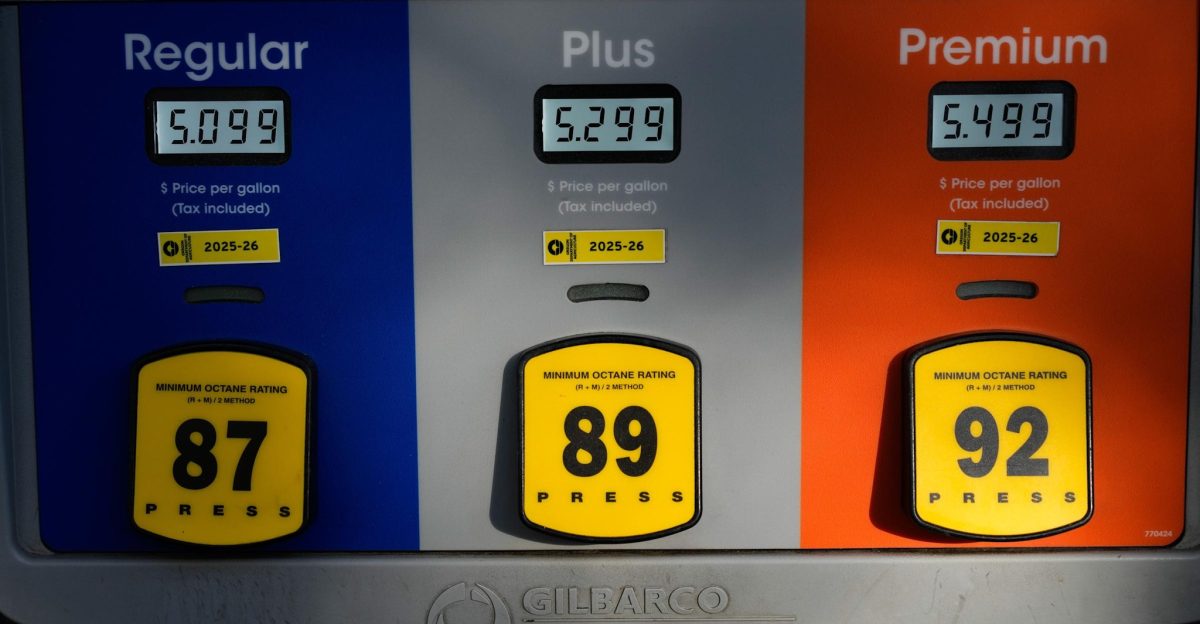
The number on the pump climbed again. By March 26, 2026, the national average for a gallon of regular gasoline reached $3.98, according to AAA. Four weeks earlier, it sat near $2.98. That’s roughly a 34% spike in the time it takes to get a single paycheck. Across the country, families watched the cost of filling a tank jump by about a dollar per gallon while a war most of them never asked for closed the world’s most critical oil chokepoint. The Strait of Hormuz went dark, and American wallets opened.
The War Nobody Priced In
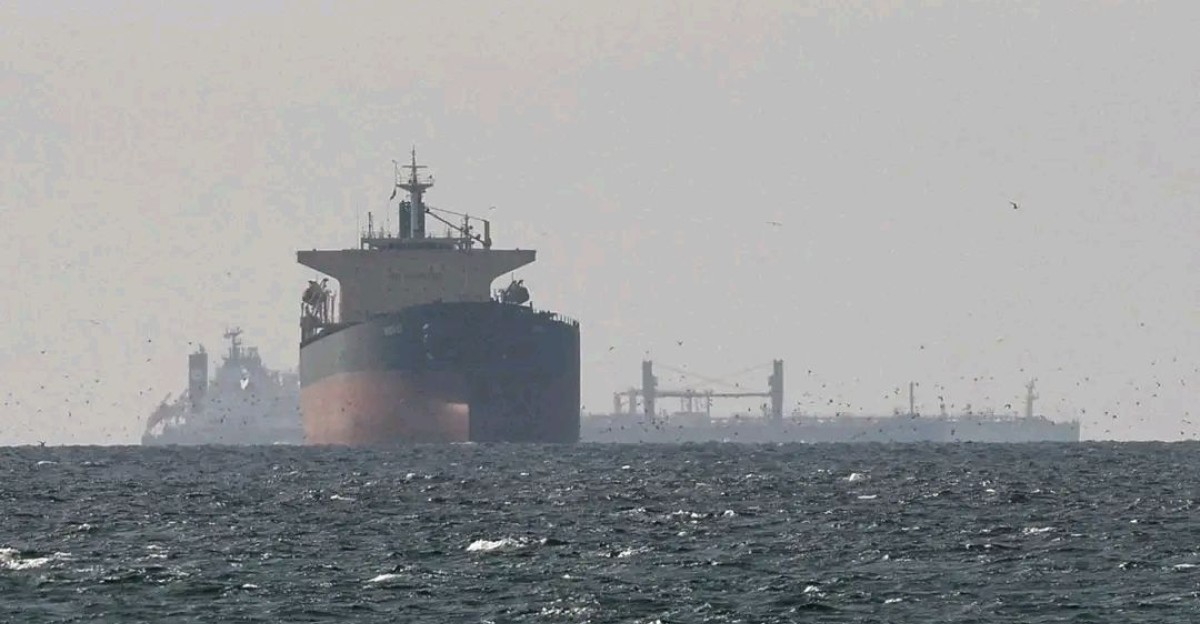
Operation Epic Fury launched February 28 with nearly 900 strikes in the opening hours, the largest joint U.S.-Israel military campaign on record. Iranian Supreme Leader Ali Khamenei was killed in the opening salvo. Over 10,000 military targets followed. Iran’s drone and missile launch rates dropped sharply. By every battlefield metric, the operation succeeded. But roughly 20% of global oil supply normally transits the Strait of Hormuz, and Iran shut it down. Brent crude surged from roughly $71 a month ago to above $105 per barrel. Diesel and jet fuel climbed alongside it.
The Myth of Surgical War
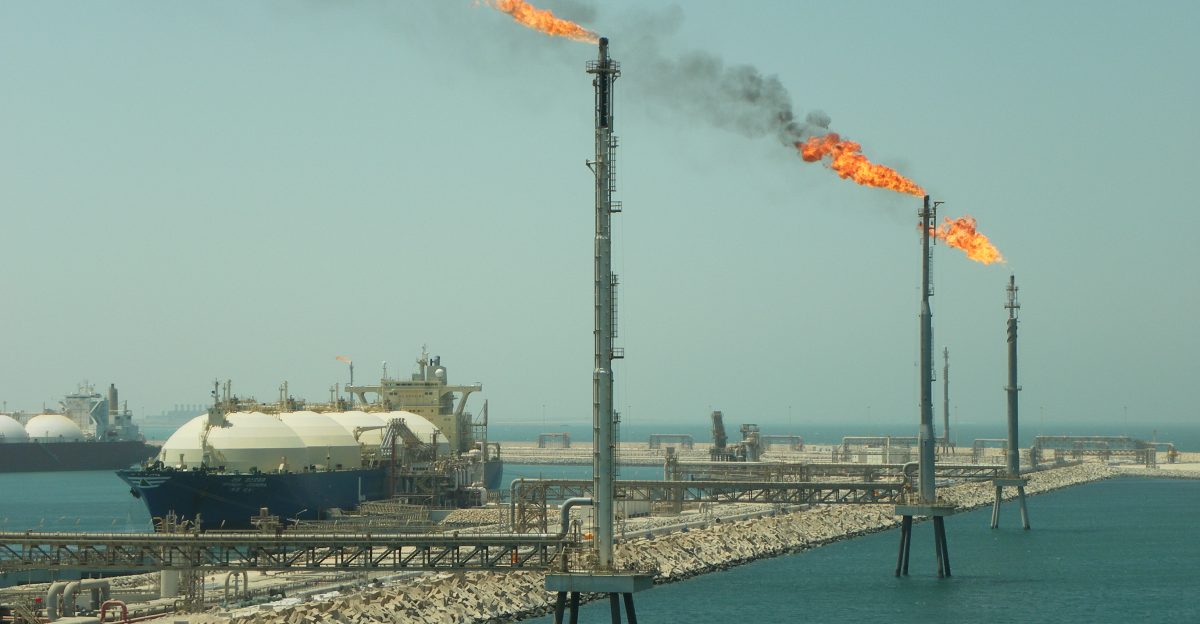
The assumption was familiar: precision strikes degrade enemy capability without wrecking global markets. That assumption died at the gas pump. Iran retaliated by hitting Qatar’s Ras Laffan LNG facility, a Saudi refinery near Yanbu, and energy targets across the Gulf. Qatar declared force majeure on LNG contracts. One oil industry source told Politico the fallout was “the worst I’ve seen.” Ten thousand targets struck, and the price at every American gas station still climbed a dollar.
The Quote That Broke the Story
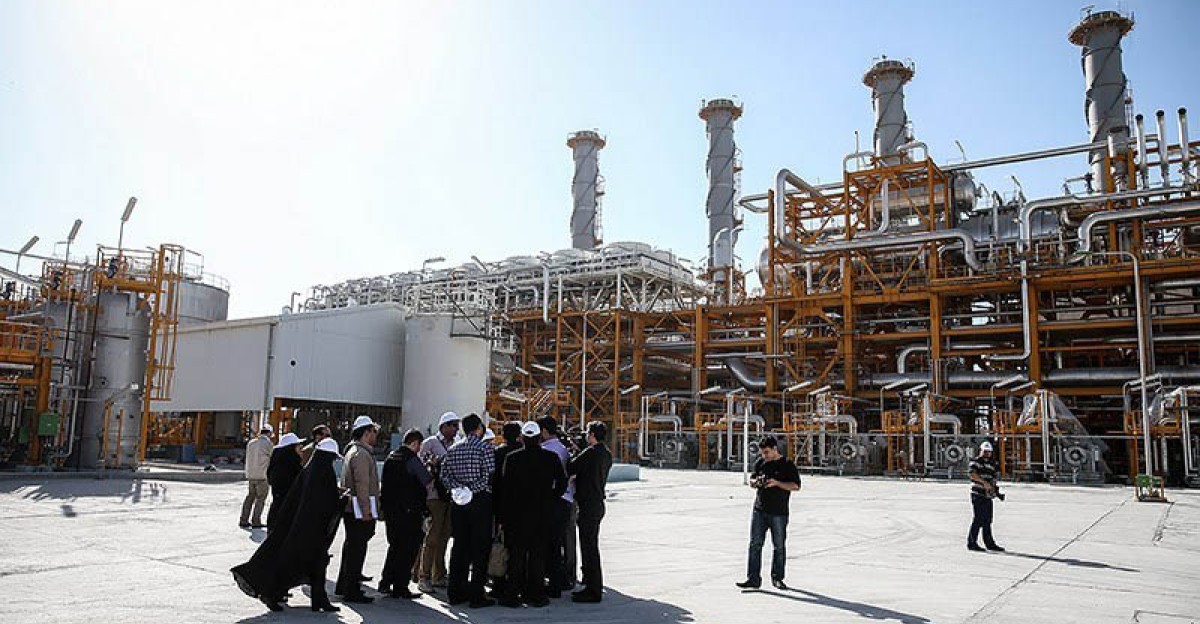
Trump publicly stated he would not allow Israel to strike Iranian energy infrastructure again. Days later, Israeli forces hit South Pars, one of the world’s largest gas fields. Trump’s response didn’t distance itself from the strike. He threatened to “massively blow up the entirety of the South Pars Gas Field”. The same facility. The one he said he would not allow Israel to hit again. Israeli officials confirmed coordination with the administration. The credibility gap fits in a single sentence: he distanced himself, then threatened to do it on a bigger scale.
How the Hidden System Broke
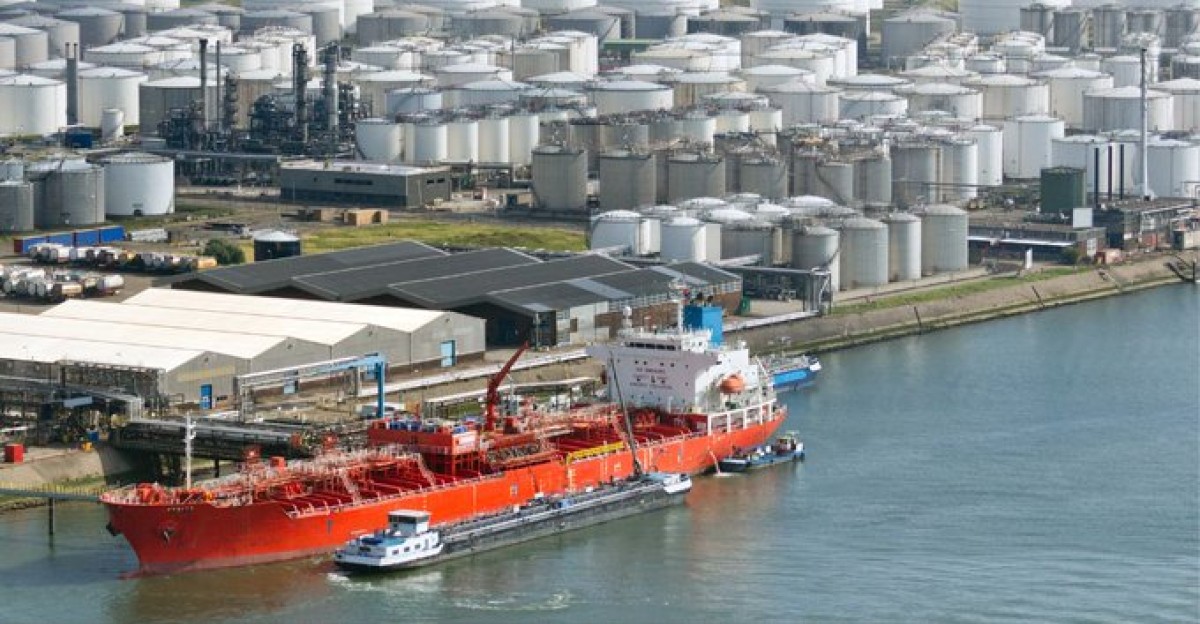
Saudi Arabia rerouted crude exports to its Yanbu Red Sea port. That sounds significant until you compare it to the roughly 20 million barrels per day that normally flow through Hormuz. The bypass covers only a fraction of the gap. War-risk insurance premiums surged, functioning like a toll on every barrel shipped. Meanwhile, LNG cargos originally bound for Europe diverted to Asia, where buyers paid premiums. Europe got outbid for its own energy.
The Numbers That Hit Home
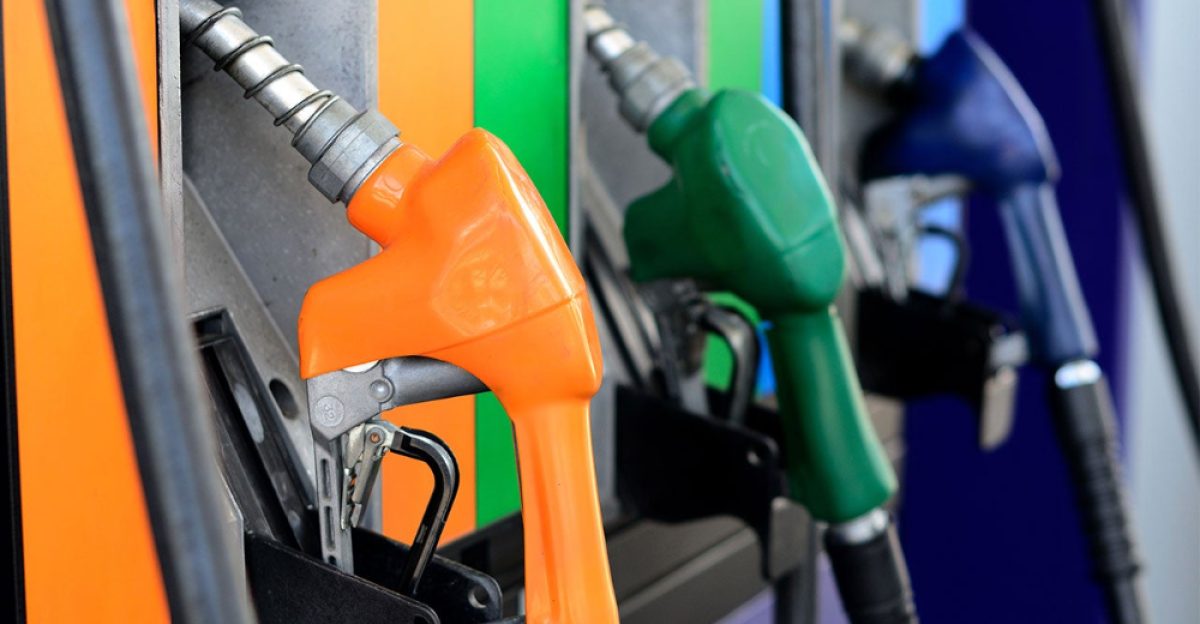
American drivers are paying roughly $34 extra per month nationwide due to the dollar-per-gallon increase. In the South, that number is higher, given longer average commutes. Airfares have climbed. Airfreight capacity between Asia and Europe has dropped. Every supply chain touching the Gulf now carries war-risk surcharges. The pump price is just the visible wound.
The Reserve Question
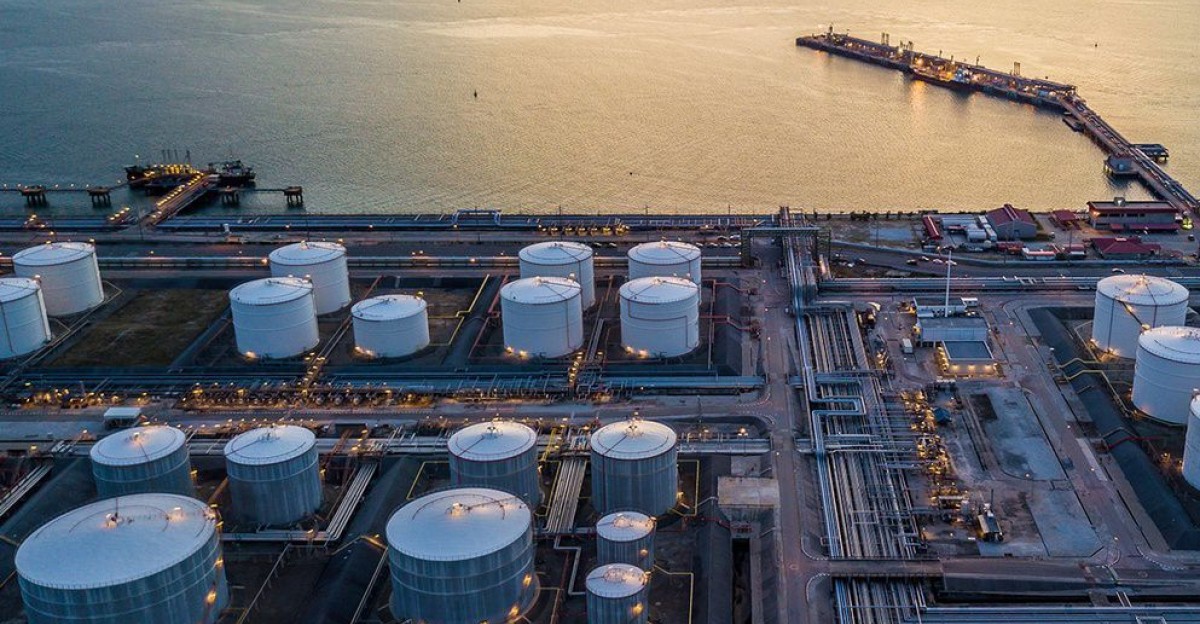
The Strategic Petroleum Reserve held approximately 415 million barrels before the crisis and remains near that level as of late March. Congress had already preauthorized the sale of hundreds of millions of barrels over the past decade as a budget offset, leaving the reserve well below its 714-million-barrel capacity. The SPR sits at roughly 58% of capacity — the emergency fund was already partially spent before the emergency arrived. Russia simultaneously lost a significant portion of its oil export capacity due to Ukrainian strikes, further tightening global supply.
Tactical Victory, Strategic Pressure
Here is the number that reframes everything: 10,000 targets struck, sharp drone reduction, major Iranian military facilities destroyed. And Trump’s approval rating has fallen to between 37% and 42%, depending on the poll. Military success correlates with political pressure. Oil analysts project Brent crude could remain elevated through Q2 2026. Economist Mark Zandi has warned that sustained oil prices above $125 per barrel risk triggering recessionary mechanisms. The pattern is clear: tactical wins measured in targets destroyed can breed strategic costs measured in household gas bills and midterm losses.
The Dominoes Still Falling

At least 13 American service members have been killed. Approximately 200 have been wounded. No clear exit strategy is visible. Historical patterns suggest the party in power pays a political price when presidential disapproval is elevated heading into midterms. The war was designed to degrade Iranian capability. It succeeded. The part nobody planned for was the bill arriving at every kitchen table in America.
The Price of Knowing
Saudi Arabia can partially bypass Hormuz, but the gap remains enormous. The SPR is well below full capacity, with no rapid replenishment plan in place. European allies are losing energy auctions to Asian buyers willing to pay more. And the administration that publicly distanced itself from targeting energy infrastructure privately coordinated with the strike that triggered the spiral, then threatened to finish the job. The question heading into summer isn’t whether gas prices stabilize. It’s whether the reserve, the approval rating, or the House majority runs out first.
Sources:
AAA Gas Prices, “Month: March 2026,” March 19, 2026
Al Jazeera, “Qatar says Iran attack caused significant damage at Ras Laffan gas facility,” March 18, 2026
Times of Israel, “As Iran strikes Gulf energy sites, Trump says Israel won’t hit its gas field again,” March 18, 2026
CNBC, “Trump warns U.S. will ‘blow up’ South Pars gas field in Iran if strikes continue,” March 18, 2026
New York Times, “Trump Says U.S. and Qatar Not Involved in Strike on Iran’s South Pars,” March 19, 2026
Rigzone, “How Full Is the USA Strategic Petroleum Reserve?,” February 23, 2026