France Kills Gas Cars In 11 Days Without A Single Ban
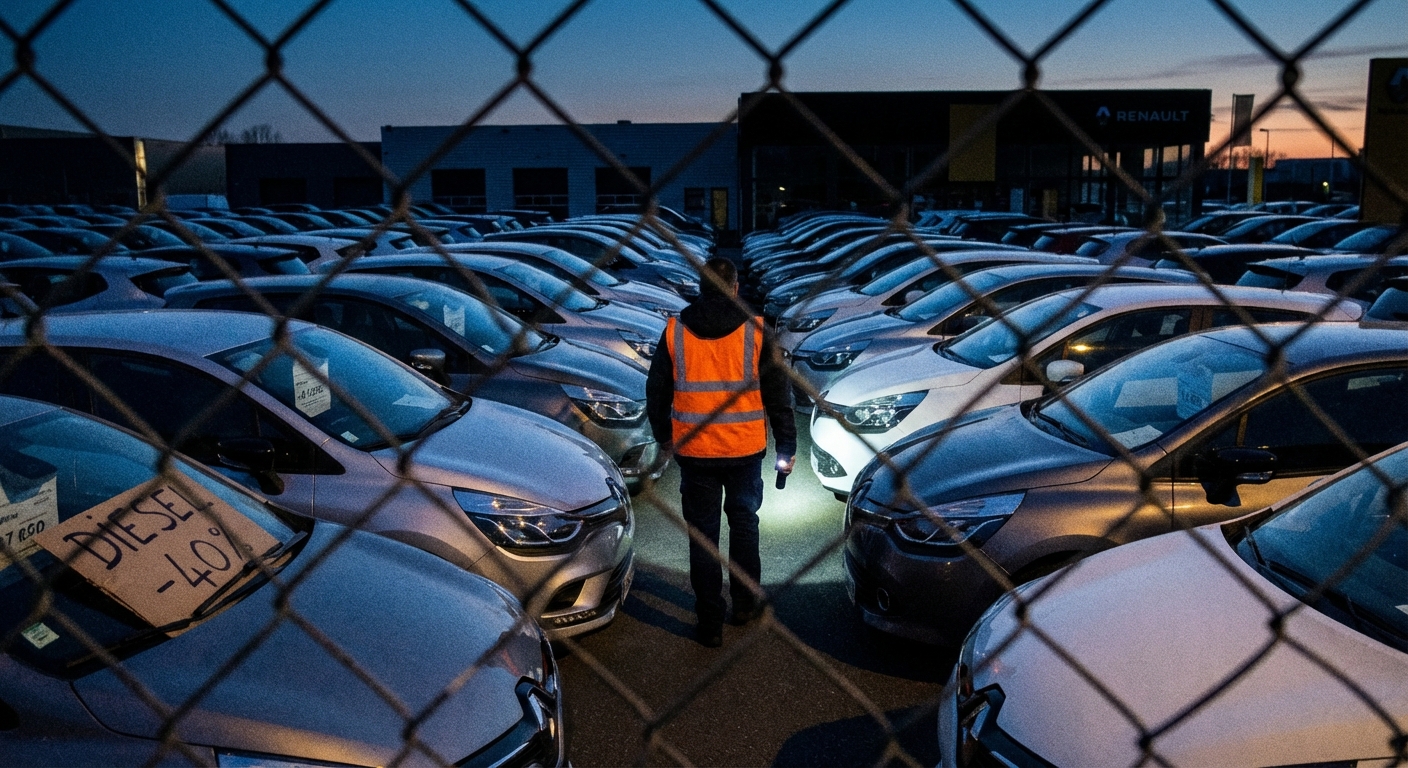
French petrol registrations fell 48.9% year over year in January 2026, making it the steepest monthly decline in recorded EU data. No law prohibited a single gasoline purchase. Instead, France stacked penalties: CO₂ malus lowered to 108 g/km, weight threshold cut to 1,500 kg, an 18% corporate EV quota enforced with €4,000 fines per missing vehicle, and the home charger tax credit expired December 31, 2025. The math made gas cars irrational, and the result looked identical to a ban. That 48.9% number only covers consumers. Corporate fleets absorbed a different shock entirely.
Eleven Days

On December 16, 2025, EU Executive Vice-President Stéphane Séjourné announced the bloc would weaken its 2035 zero-emission target from 100% to 90%. He said the Commission had “chosen an approach that is both pragmatic and consistent with its climate objectives.” Eleven days later, on December 27, France announced domestic penalties so severe that they effectively required 100% compliance for new vehicles. The 108 g/km CO₂ threshold is impossible for non-hybrid combustion engines to meet. France didn’t publicly reject the EU’s compromise; it simply rendered it irrelevant before the ink dried. The mechanism behind that speed matters more than the timeline.
Kitchen Table
EU-wide BEV market share hit 19.3% in January 2026, up from roughly 14.6% a year earlier. That nearly five-point jump sounds abstract until you price it out. The traditional bonus écologique was restructured through a CEE energy-certificate system in July 2025. Lower-income households still qualify for up to €4,000 toward an EV. Everyone else gets €3,100. Meanwhile, the home charger tax credit expired on December 31, 2025. So the subsidy shrank, the penalty grew, and the affordable gas sedan at 1,500 kg now triggers a weight surcharge automatically. That squeeze hits working families first, while businesses absorb the same pressure at a completely different scale.
Fleet Panic
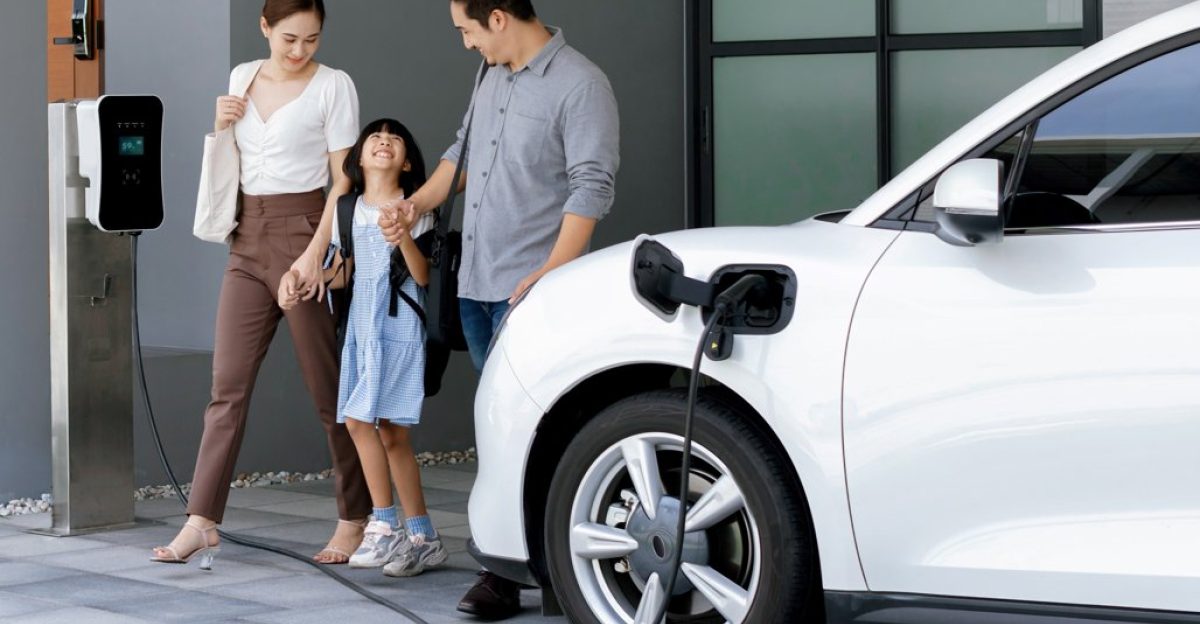
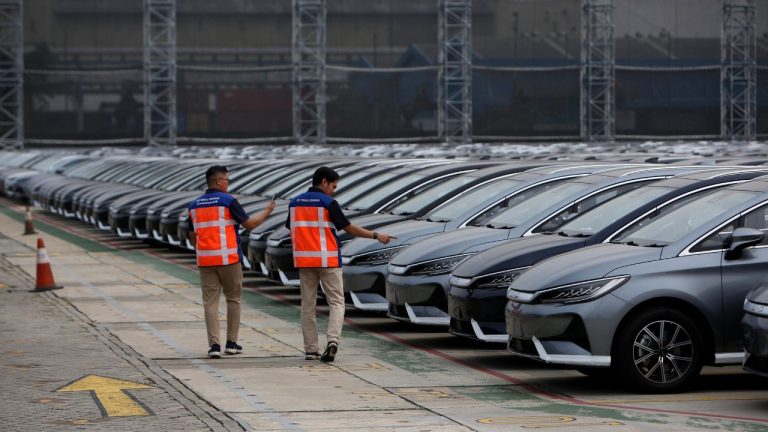
Corporate vehicles represent roughly 60% of new car sales across the EU. France now requires any fleet over 100 vehicles to reach an 18% low-emission share by January 1, 2026. If they miss the target, they pay €4,000 per vehicle short. A 300-vehicle fleet falling 50 cars short faces €200,000 in penalties. On January 1, 2026, fleet managers got a compliance deadline despite the Finance Bill’s provisions having been debated since Q4 2025, triggering a Q1 2026 EV buying surge that inflated prices and strained supply chains. Small delivery companies with 200 to 500 vehicles face exposure between €144,000 and €360,000 annually at full noncompliance, before CO₂ and weight surcharges. The penalty pressure didn’t stay inside corporate budgets.
Battery Passport
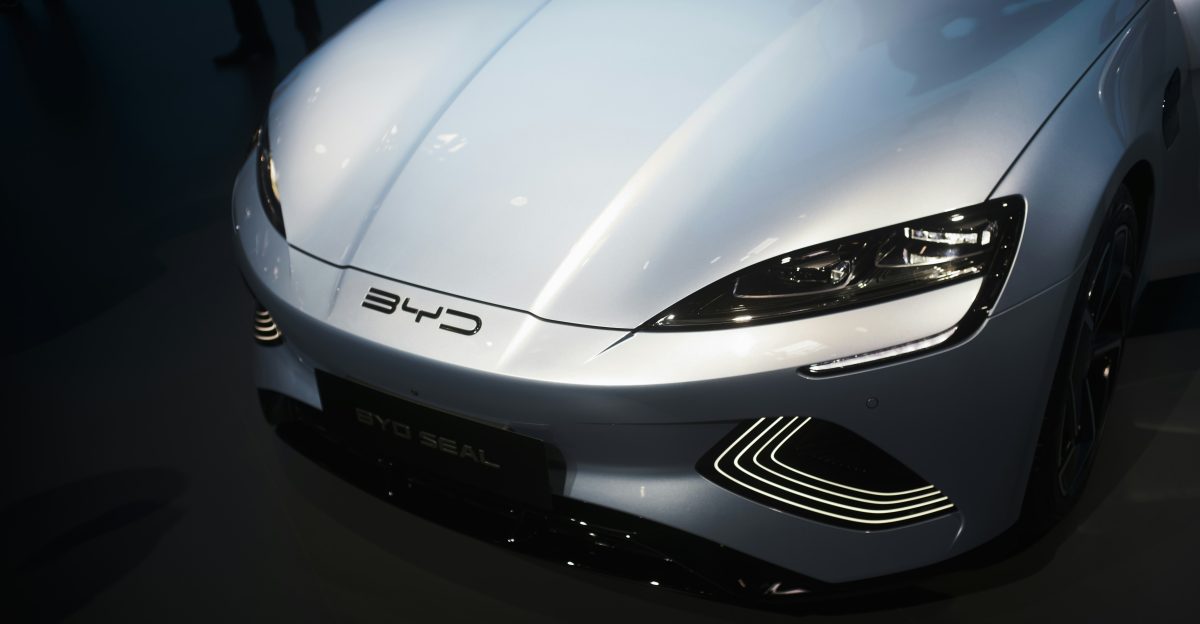
Here’s where the cascade crosses a border nobody expected. France’s environmental score system evaluates manufacturing CO₂, battery production origin, transport logistics, and material sourcing. Cheap Chinese EVs don’t qualify. A company can’t dodge the €4,000 penalty by importing a budget BYD. The score functions like a tariff without the tariff label, forcing compliance through EU-sourced batteries. France’s environmental scoring system contributed to a sharp decline in Chinese EV imports in 2024. One policy change, and now battery supply chains from Shenzhen to Stuttgart are rerouting around French customs.
Two Layers
The system clicks into focus once you see both layers working together. Layer one: corporate mandates and €4,000 penalties create captive demand for EVs. Layer two: environmental scores and weight penalties ensure that demand flows to EU-manufactured batteries, not Chinese imports. France removed consumer choice through subsidy elimination. It removed corporate choice through quota enforcement. What remains is state-directed supply-chain positioning dressed in climate vocabulary. Battery gigafactories received state subsidies. Those investments need sustained EV demand to generate returns.
Death Throes
Netherlands journalist Nick Augusteijn put it bluntly: “Delaying the inevitable will only push more legacy automakers into the death throes. They would fall even further behind the Chinese in the development of ultra-fast-charging BEVs with good range.” Legacy manufacturers like Volkswagen, Renault, and Stellantis now face an 18-to-36-month R&D lag before competitive EV models reach the market. The EU auto sector employs 13.6 million people, 6.9% of total EU employment. And it gets worse. Those workers aren’t losing jobs to climate policy. They’re losing jobs to a country that weaponized climate policy first.
Cracked Union
The 2035 zero-emission target was adopted in 2023 as a binding climate milestone. December 2025’s rollback to 90% marked the first formal weakening of a binding EU transport decarbonization target since the 2035 target was adopted in 2023. France’s unilateral acceleration, 11 days later, cracked something deeper: the assumption that EU climate policy is harmonized. Belgium’s 2021 fiscal reform drove 13-to-15-percentage-point annual ZEV growth. Denmark achieved comparable 12-to-15-percentage-point growth. France achieved 7 points in one year. The template exists. Expect Germany, Italy, and Spain to announce competing national penalty structures by 2027, fragmenting the single market into rival climate-industrial regimes.
Winners, Losers
Greenpeace Germany Executive Director Martin Kaiser called the EU rollback “an early Christmas present for Chinese electric car manufacturers, putting millions of European lives and jobs at risk.” The irony: France’s penalty system was designed to block exactly that gift. Winners: French battery manufacturers locked into captive demand. EU assembly plants are receiving redirected investment. Losers: small fleet operators absorbing six-figure penalties. Working-class buyers are watching affordable sedans vanish. Rural consumers in charging deserts where EV ownership remains irrational. The EU still spends an estimated €42 billion annually subsidizing fossil fuel company cars. Someone profits from every link in this chain.
Not Over
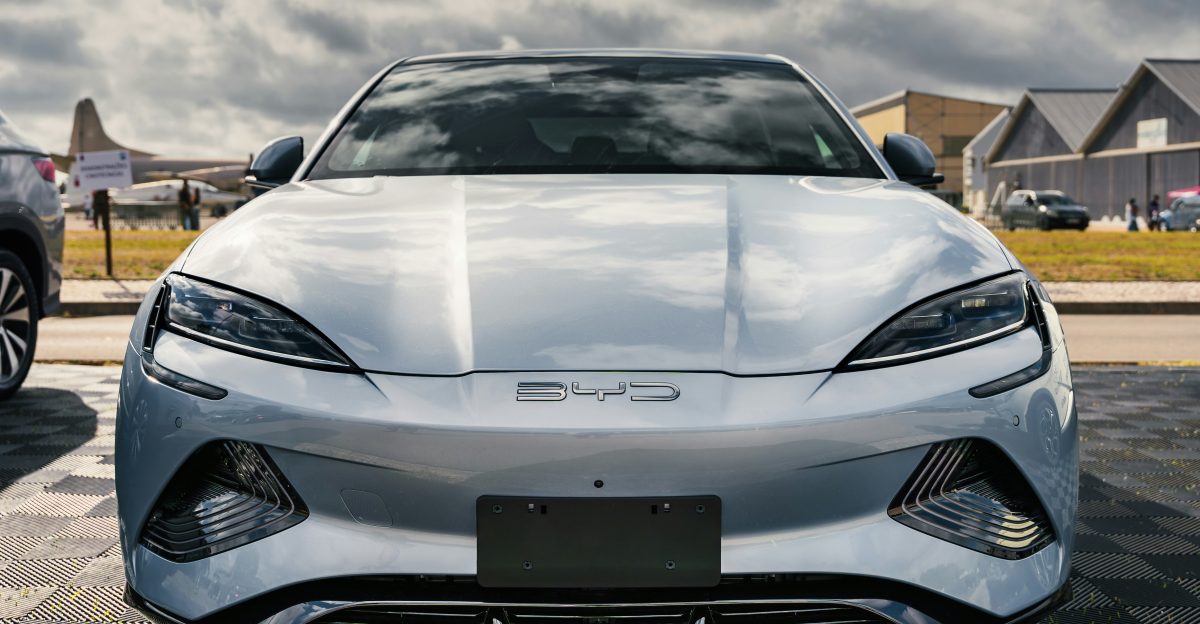
Chinese manufacturers are already planning EU assembly operations in Poland, the Czech Republic, and Hungary to sidestep France’s environmental scores. By 2027, Geely and BYD joint ventures could shift EV profits from Western Europe to Eastern Europe, hollowing out the manufacturing advantage France just engineered. Petrol and diesel combined fell to 30.1% of EU sales in January 2026, down from 39.5% a year earlier. The cascade that started with one country’s penalty stack now reshapes continental supply chains, trade flows, and the price of everything that moves on four wheels. And it accelerates from here.
Sources:
“New Car Registrations: −3.9% in January 2026; Battery-Electric 19.3% Market Share.” European Automobile Manufacturers’ Association (ACEA), 23 Feb 2026.
“Electric Car 2026: Weight Penalty, End of Charging Station Tax Credit, Ecological Bonus — New Laws.” Go-Electra, 30 Dec 2025.
“Subsidies for Petrol and Diesel Company Cars Cost EU Taxpayers €42 Billion Every Year.” Transport & Environment, Oct 2024.