Former CEO’s $1B Alleged Fraud Scheme Sparks South Texas Plant Worker Layoffs
Shifts ended without warning at South Texas auto-parts plants connected to First Brands Group. Workers walked out after learning their jobs had vanished. No farewell meeting. No transition plan. Layoffs landed on people who build brake pads and filters for a living.
These are people who budget groceries by the pay period. Far from the factory floor, federal prosecutors unsealed charges describing an alleged multibillion-dollar fraud scheme. Paychecks disappeared first.
Collapse at the Plant
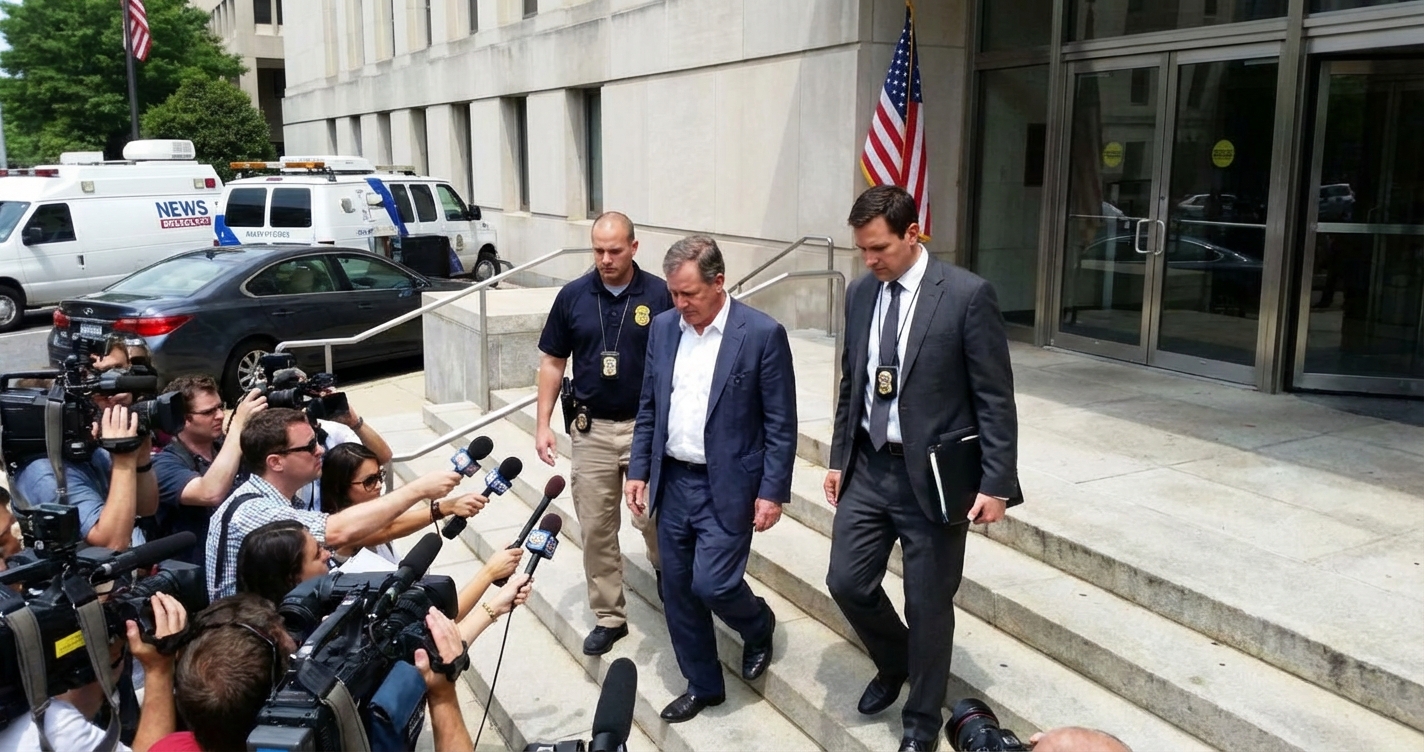
Those South Texas plants didn’t collapse because demand vanished overnight. They operated under a corporate umbrella now soaked in federal scrutiny. The U.S. Department of Justice announced criminal charges against the former CEO and a former senior executive of an auto-parts manufacturer, alleging a multibillion-dollar fraud scheme targeting lenders.
Regulators have also opened related probes into financial institutions that dealt with the company. One criminal case in New York, parallel regulatory scrutiny in Washington, both aimed at untangling the same balance sheet. Meanwhile, the workers who actually made the products learned their fate after the decisions landed.
False Comforts About Layoffs

Most people hear “layoffs” and think weak sales, slower orders, or a demand problem. That explanation shields executives, making job cuts seem as unpredictable as the weather. These job losses landed alongside allegations of financial deception affecting lenders and other business partners, not a collapse in market demand.
The Department of Justice described an organized scheme. When leadership allegedly manipulates company numbers, trust within the business erodes quickly, even before any verdict.
Trust Disappears, Jobs Follow

Federal prosecutors say the alleged scheme traces back to the company’s founder and former CEO. That title carries weight because credibility acts as a form of currency in business. Lenders extend credit based on trust. Customers place orders based on trust. When the Department of Justice alleges multibillion-dollar deception, that trust disappears.
Public charges can make lenders and customers reconsider, and that pressure often leads to job cuts. A multibillion-dollar fraud allegation and a federal indictment led to pink slips in South Texas. The fraud turned real when it started costing people their homes.
Payroll Becomes the Pressure Point

Picture a bank finding out mortgage paperwork was faked. Credit disappears immediately. The same logic applies in business.
When credibility breaks down, payroll becomes the first line item companies cut to steady the books. Inventory sits in storage. Executive bonuses often stay untouched. Payroll takes the hit. As federal prosecutors press charges and regulators investigate company lenders, instability grows. Workers absorb the cost of a crisis they did nothing to cause.
Advance Notice Fails Many
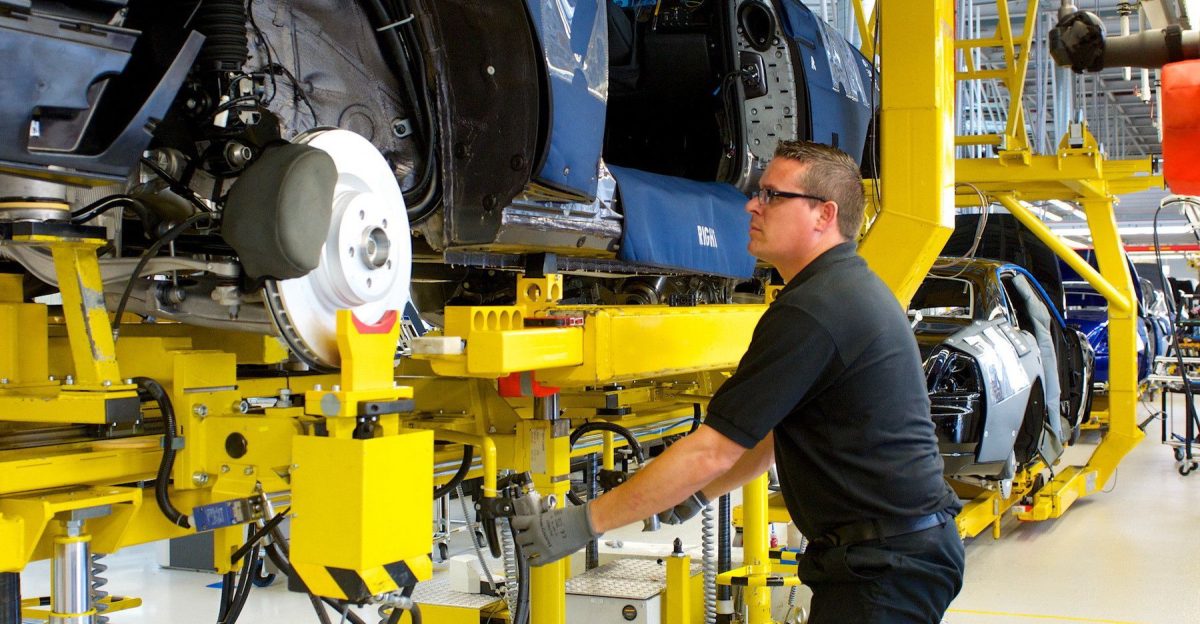
Federal law requires some employers to provide advance notice of mass layoffs through the WARN Act. WARN only applies above specific workforce numbers, like a storm warning that ignores anything below hurricane speed. Texas has its own WARN notice portal through the Texas Workforce Commission. These filings become public only if employers actually submit them.
Some First Brands cuts in South Texas were announced through WARN notices weeks in advance. Others, like earlier layoffs in Harlingen, hit immediately when the company cited unforeseen business circumstances. The system designed to protect workers has gaps wide enough to drive a layoff through without everyone seeing it coming.
Shockwaves Through the Local Economy
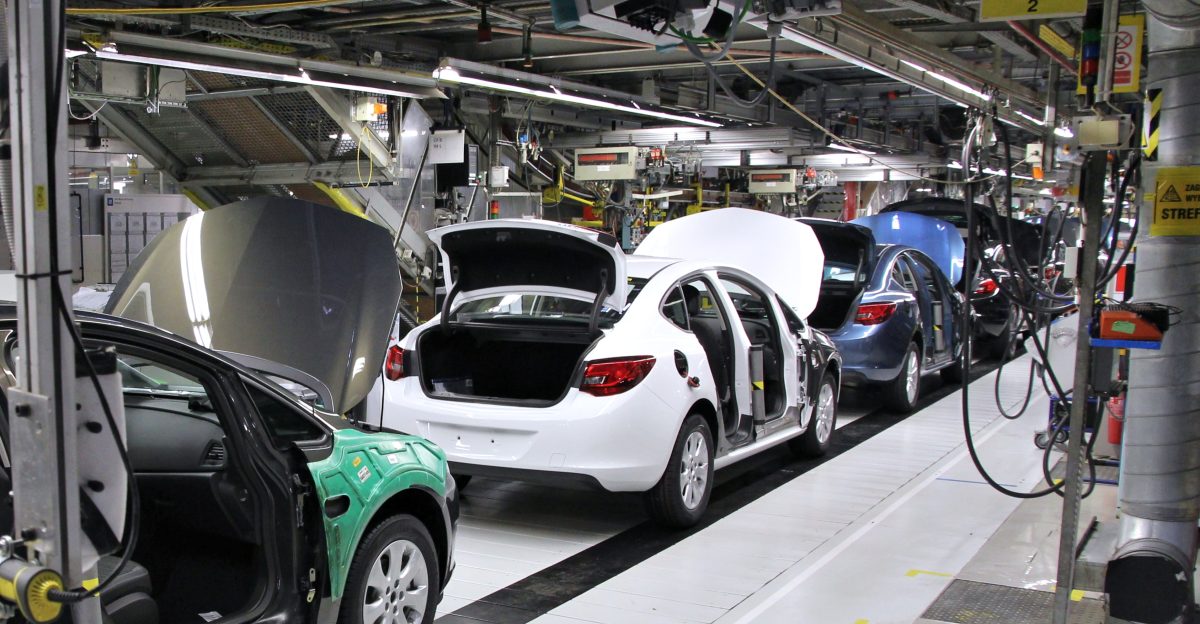
The damage spreads. When plant paychecks shrink, local spending falls. Contractors, suppliers, and small businesses that depend on those wages feel the strain. Customers and suppliers of the manufacturer reassess their risk.
One alleged fraud scheme, driven by a former executive team, shakes an entire regional economy. Workers filing for unemployment start the first wave. The second wave reaches every business nearby.
Fraud Redefines the Rules

This story starts in one town but sets a wider pattern. A federal fraud indictment against a former CEO, followed by bankruptcy and sweeping layoffs, shows how corporate fraud causes consequences across many fronts, long before any trial. Allegations alone changed credit, contracts, and jobs.
That shift recasts every future fraud case. The belief that fraud is victimless until conviction ended in a South Texas parking lot where workers cleaned out their lockers.
Future at Risk for Remaining Workers

If financing or orders tighten further, more layoffs and closures follow. That escalation path sits wide open. The company may restructure, sell business units, replace leadership, or pursue settlements, but none of those moves restore the paychecks already lost. Every week the legal cloud lingers, the pressure on remaining operations grows.
The workers still holding jobs at those plants now carry a weight their predecessors never did. Their employment depends on courtroom outcomes and creditor decisions far beyond their control.
What the Workers Learned
Most people overlook this: layoffs often happen because trust collapses, not just because of falling demand. Fraud allegations tighten capital, capital pressure hits payroll, and hourly workers feel the shock while executives negotiate legal strategies.
People in those South Texas plants now understand something Wall Street always knew. Credibility works like financing. When leadership allegedly destroyed trust, the cost landed on the people working the line.
Sources:
U.S. Department of Justice, SDNY — First Brands Executives Charged With Multibillion-Dollar Fraud — January 28, 2026
mySA / San Antonio Express-News — Layoffs rock South Texas auto parts plants amid CEO’s billion-dollar fraud charges — March 11, 2026
Reuters — First Brands founder indicted for fraud after bankruptcy that wiped out lenders — January 29, 2026
Texas Workforce Commission WARN Notice Database — First Brands Group LLC layoff filings, Brownsville and Harlingen facilities — March 4–5, 2026
U.S. Department of Labor, Employment and Training Administration — Employer’s Guide to Advance Notice of Closings and Layoffs (WARN Act) — regulatory reference