Ford’s $30K EV Truck Beats Every Rival By 15%—F1 Engineers Cut 146 Parts Down To 2
A $30,000 electric pickup claiming 15% better aerodynamics than every truck on sale sounds like startup hype. It is not. Ford Motor Company says Formula 1 engineers helped slash 146 structural parts down to 2, while investing $5 billion in new U.S. production. CEO Jim Farley called the platform “one of the most audacious and important projects in Ford’s history.” With production set for next year, the company is betting its EV future on radical reinvention.
A $30,000 Truck That Rewrites The Rules
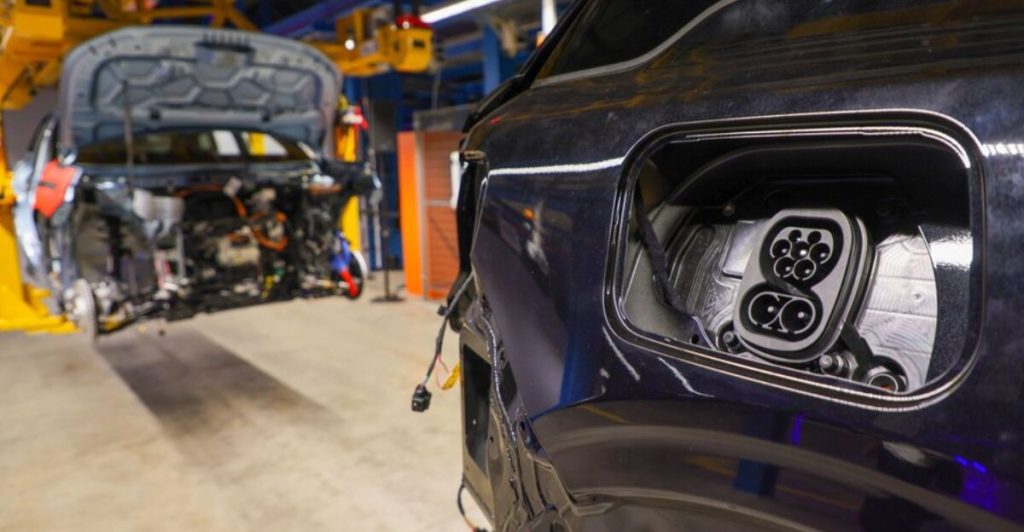
Ford Motor Company just shook the pickup world. Its upcoming mid-size electric truck on the new Universal EV Platform targets about $30,000, undercutting the F-150 Lightning by up to 54% and the Chevy Silverado EV by roughly 47%, depending on trim, according to Electrek on Feb. 17, 2026. “The UEV is one of the most audacious and important projects in Ford’s history,” CEO Jim Farley said in Ford’s Feb. 17, 2026 announcement. Behind the price sits Formula 1 aerodynamicists and a philosophy cutting 146 structural parts to 2. The path there meant dismantling 122 years of tradition.
Why Reinvention Became Mandatory
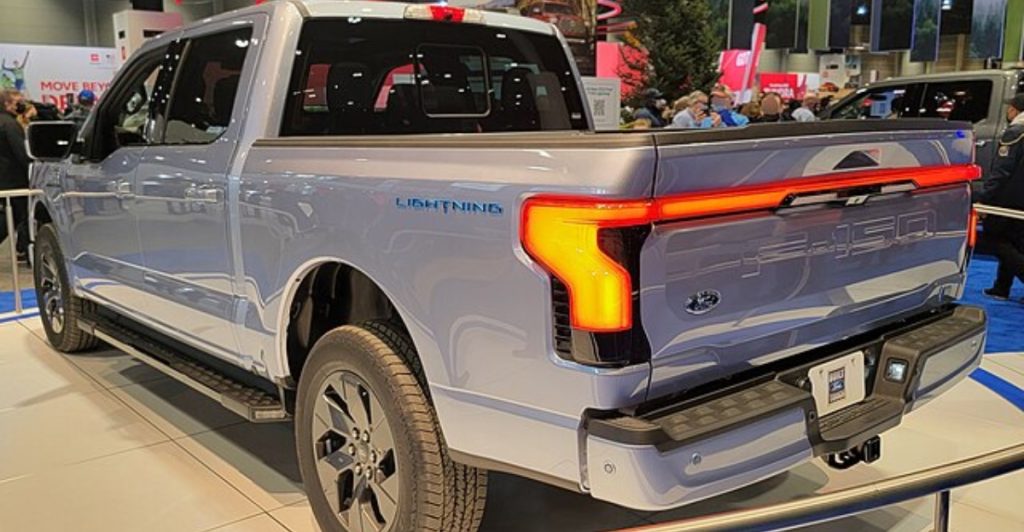
In December, Ford absorbed a $19.5 billion EV writedown and ended battery-electric F-150 Lightning production, TechCrunch reported on Feb. 17, 2026. “From Day 1, we knew there was no incremental path to success,” Farley stated in Ford’s Aug. 11, 2025 platform announcement. He added, “We empowered a tiny skunkworks team three time zones away from Detroit.” Roughly 450 engineers in Long Beach and 200 in Palo Alto joined from companies Tesla, Apple, Rivian, and Lucid. With BYD selling profitable EVs under $20,000, the old cost structure collapsed. A parallel system became the only option.
Formula 1 Minds Enter Detroit

More than half of Ford’s aerodynamics team came from Formula 1, the company confirmed in a Feb. 17, 2026 blog by Saleem Merkt. They applied a “fail fast, learn faster” mindset, moving wind tunnel testing to the start of design. Engineers built modular test vehicles using thousands of 3D-printed components accurate within fractions of a millimeter. “To the air, it is no longer a truck, but a sleek, aerodynamic silhouette,” the team wrote. A teardrop roofline now guides airflow over the bed. The measurable gains changed everything.
15% More Efficient Than Rivals
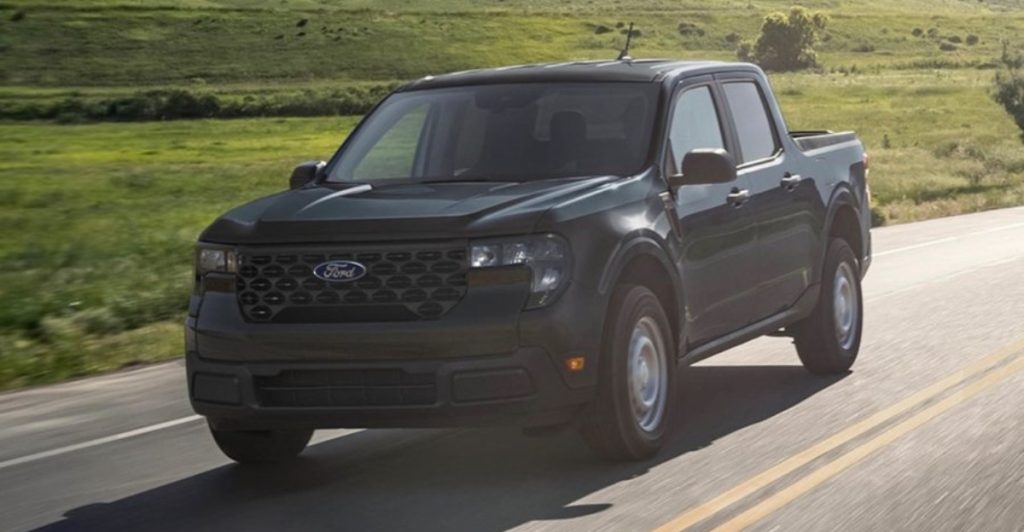
Internal testing shows the truck is more than 15% more aerodynamic than any pickup currently sold, benchmarked against the 2025 Ford Maverick and 2022 Hyundai Santa Cruz. That delivers nearly 50 extra miles of range, or 30% better efficiency at highway speeds, Electrek reported. “It’s a platform that is built around efficiency,” project lead Alan Clarke said on Feb. 17, 2026. He added it was “Built around affordability to be able to make long-range electric vehicle travel affordable to more people.” Even mirror redesign added measurable range. Engineers then monetized every millimeter.
The $1.30 Per Millimeter Rule
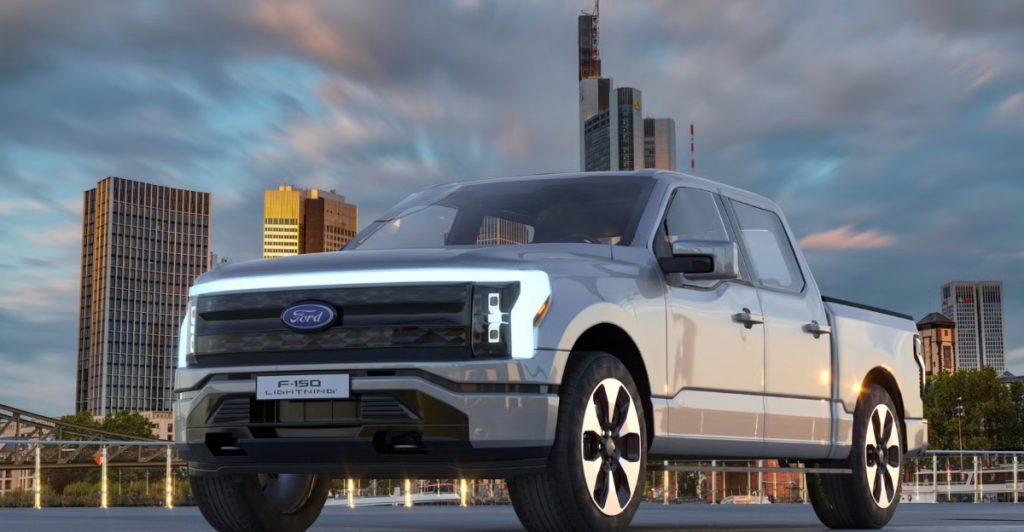
Ford introduced an internal bounty system tying design decisions directly to battery cost and range. Adding 1 millimeter to roof height cost $1.30 in battery expense, or 0.055 miles of range, Carscoops reported on Feb. 19, 2026. “We’ve been very focused on making sure that the cost that we’re moving from the product doesn’t remove value,” Clarke told TechCrunch. Regenerative braking alone saved about $100 in battery costs. With batteries representing 40% of EV cost and 25% of weight, smaller packs became essential. The obsession extended to structure.
146 Parts Reduced To 2
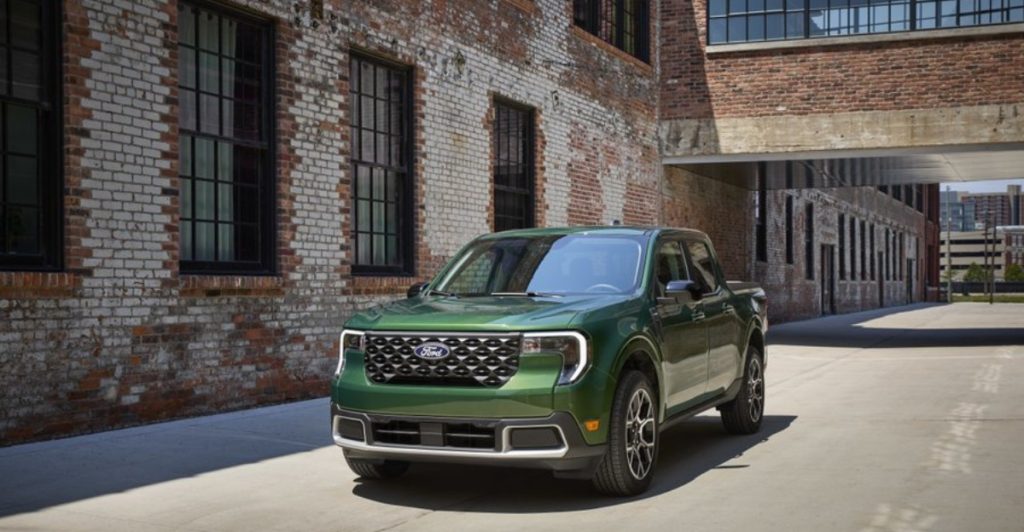
The Ford Maverick uses 146 structural components for its front and rear sections. The new platform replaces them with 2 aluminum unicastings, a 98.6% reduction confirmed by PCMag on Feb. 19, 2026. The castings are over 27% lighter than rivals using similar technology. “We put our employees at the center and re-created the factory from scratch,” said Bryce Currie in Ford’s Aug. 11, 2025 announcement. Overall, the platform carries 20% fewer parts and 25% fewer fasteners. Simplifying the truck forced a rethink of assembly itself.
The Assembly Line Gets Rewritten
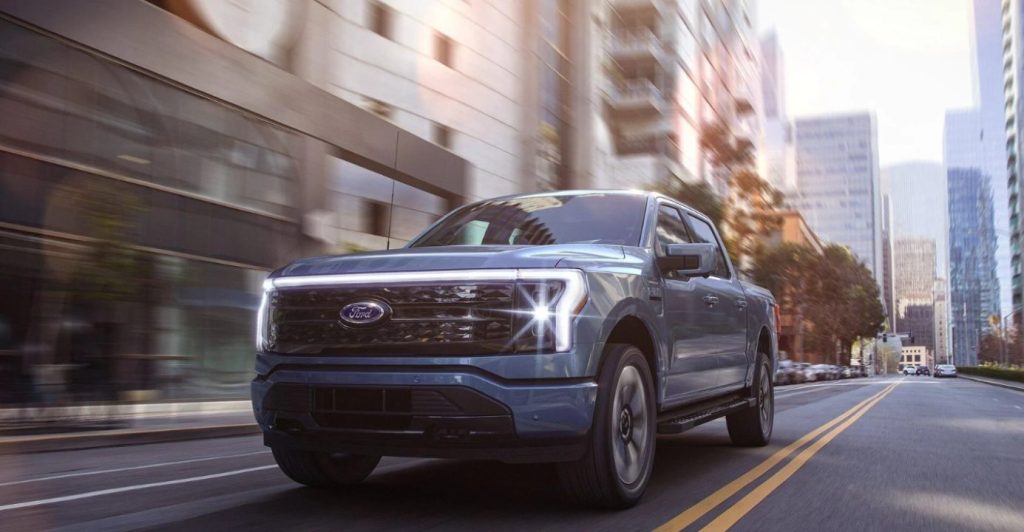
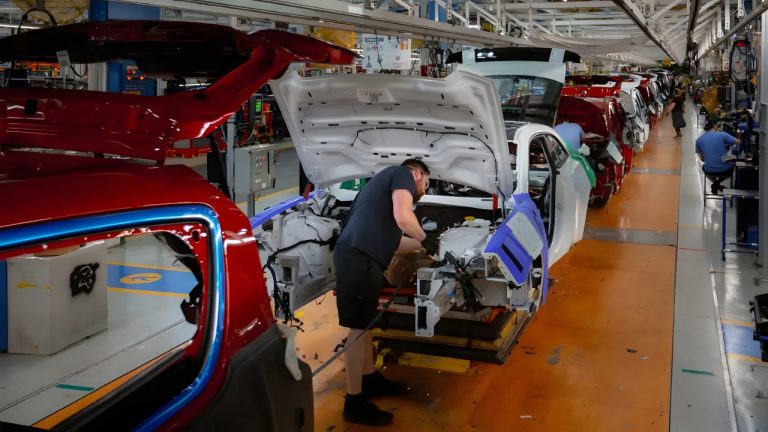
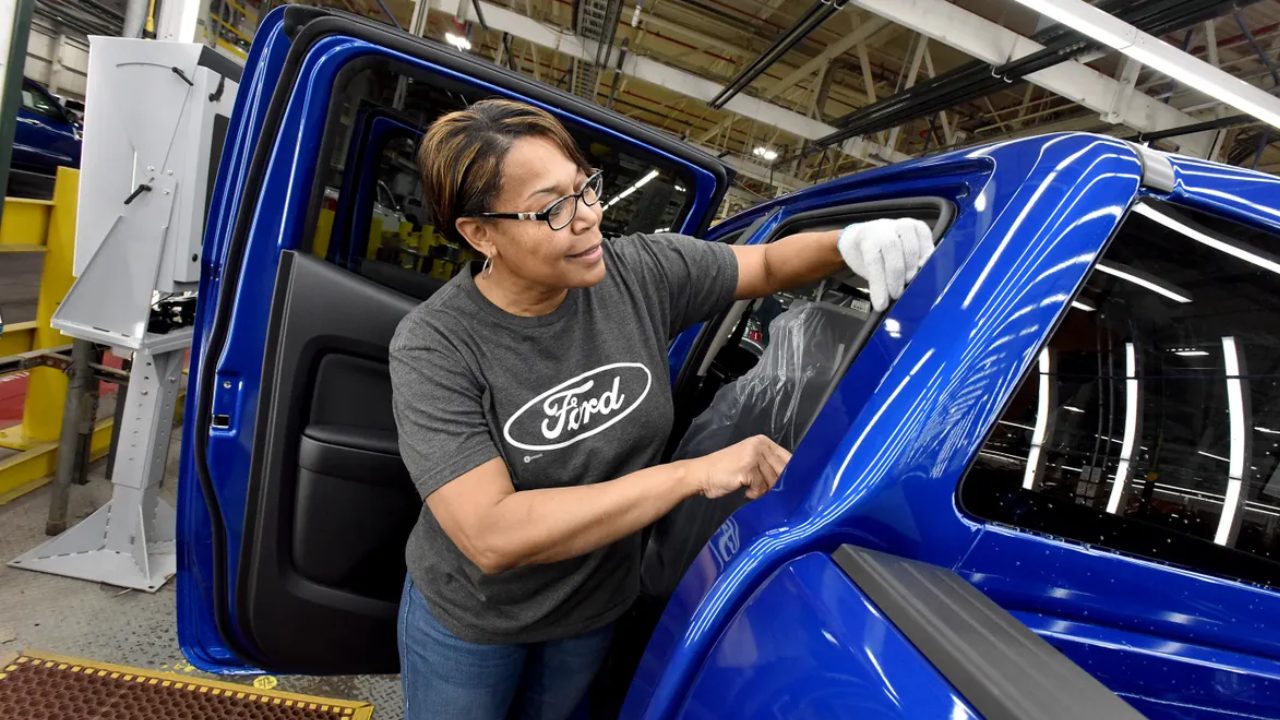
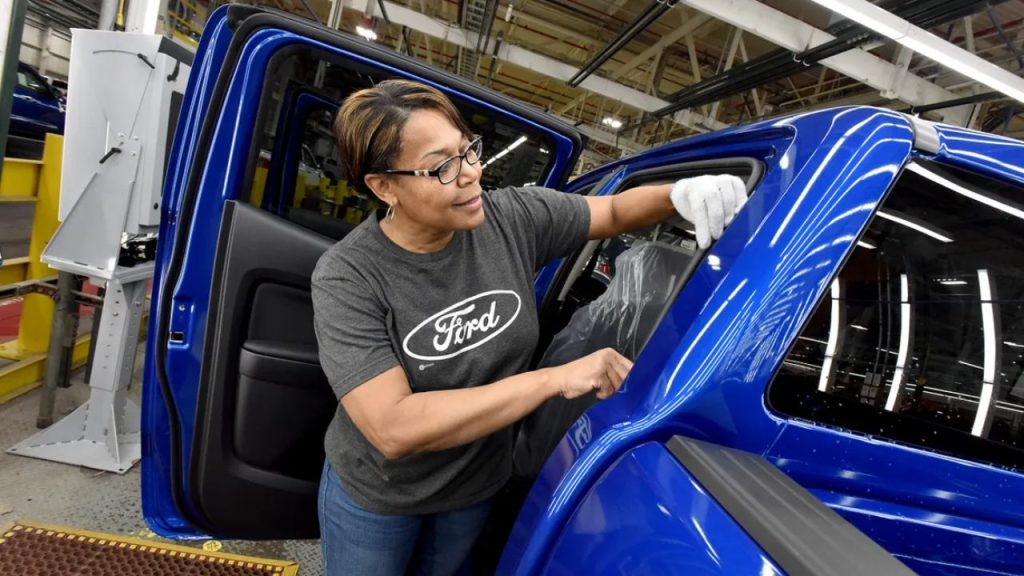
More than a century after Henry Ford pioneered the moving line, Ford replaced it with an “assembly tree.” Three sub-assemblies build simultaneously before merging into one vehicle. Assembly could be 40% faster, yielding a net 15% improvement after quality reinvestment. “We took inspiration from the Model T — the universal car that changed the world,” said Doug Field in Aug. 2025. Wiring shrank by 4,000 feet and 22 pounds. Only 5 zonal control units replace 30 in typical EVs. Billions now hinge on this system.
$5 Billion And 4,000 Jobs
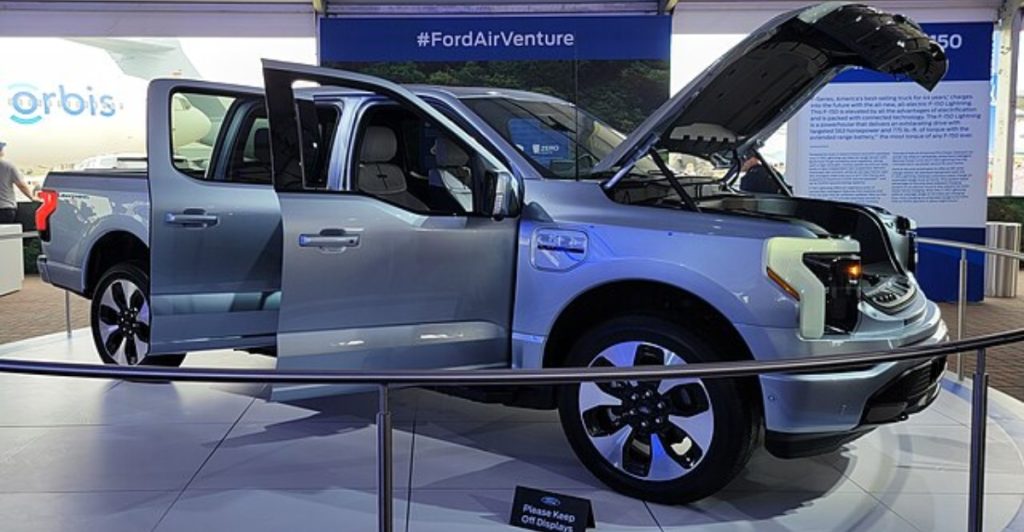
Ford is investing about $5 billion across 2 U.S. facilities: $2 billion for Louisville Assembly Plant and $3 billion for BlueOval Battery Park Michigan. The plan creates or secures nearly 4,000 direct jobs, including 2,200 hourly roles in Kentucky. “Today, Ford and Team Kentucky are introducing the world to the future of automotive production,” Gov. Andy Beshear said on Aug. 11, 2025. The company will build prismatic lithium iron phosphate batteries domestically using CATL-licensed technology. Can a lower ownership cost than a used Tesla Model Y sway buyers?
What $30,000 Actually Buys
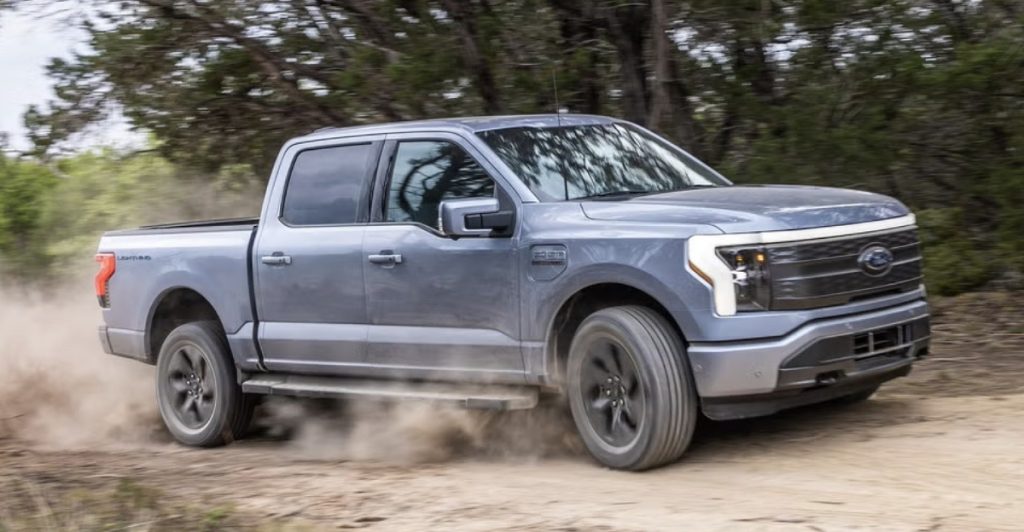
At about $30,000, the mid-size 4-door pickup promises more passenger room than a Toyota RAV4 before counting the frunk and bed. Acceleration targets 0-60 in roughly 4.5 seconds, comparable to a Mustang EcoBoost. The 400-volt system supports bi-directional charging and BlueCruise hands-free driving at launch, with Level 3 targeted for 2028. “We assembled a really brilliant collection of minds across Ford and unleashed them to find new solutions to old problems,” Field said in Aug. 2025. The final name and EPA range remain undisclosed. The broader wager becomes clearer.
A Gamble That Reshapes Ford
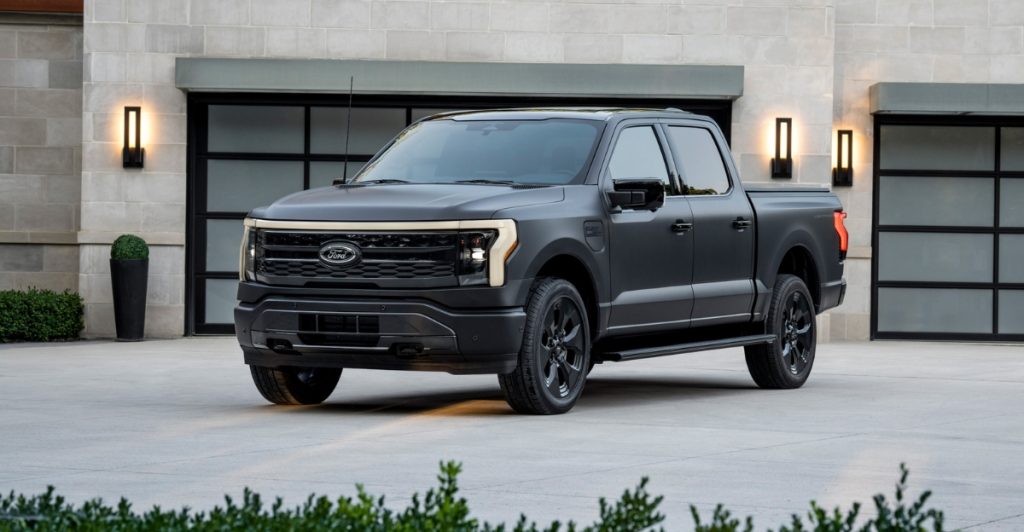
If successful, the Universal EV Platform expands into sedans, crossovers, 3-row SUVs, and commercial vans, reshaping Ford’s lineup. Failure would extend EV losses after Lightning and Mach-E struggles, putting $5 billion and credibility at risk. The global EV pickup market is projected to grow from $4.50 billion in 2025 to $7.12 billion by 2032. “We have all lived through far too many ‘good college tries’ by Detroit automakers to make affordable vehicles that ends up with idled plants, layoffs and uncertainty,” Farley warned in Aug. 2025. Production begins next year in Louisville, and Detroit is watching closely.
If you enjoyed this article please like and follow us here on MSN! Thank you for reading and have a great day!
Sources:
Ford’s $30,000 EV pickup beats every other truck in one key area. Electrek, February 17, 2026.
How Formula 1 Expertise is Shaping Our New Family of Electric Vehicles. Ford From the Road Blog, February 17, 2026.
Ford turns to F1 and bounties to build a $30,000 electric truck. TechCrunch, February 17, 2026.
Ford’s $5B Bet on America: Innovation Meets Efficiency in New EV Platform. Ford From the Road Blog, August 11, 2025.
Ford’s Affordable EV Will Have Just 2 Structural Parts. PCMag, February 19, 2026.
How Ford’s Bounty Hunters and F1 Engineers Are Improving Efficiency. Jalopnik, February 17, 2026.