Ford Trapped In $9B Fraud Collapse As 17,000 Auto Workers’ Paychecks Came From Fake Invoices
First Brands collapsed into Chapter 11 in September 2025, carrying more than $9 billion in liabilities. The cash on hand was $12 million. That ratio, 750 to 1, belongs to a company that never had a real financial foundation. Founder Patrick James and his brother Edward were indicted on nine federal counts, including a top charge carrying life in prison. Ford, the most exposed automaker to the fallout, now depends on a bankruptcy court to keep parts flowing to its assembly lines. The fraud built an empire. The collapse landed on Ford’s doorstep.
How It Worked
The James brothers faked and inflated invoices for accounts receivable, then pledged the same collateral to multiple lenders, sometimes double, sometimes triple. Fraudulently obtained funds never reached suppliers. Instead, prosecutors say “round trip” money cycled back to cover debt payments, rent, leases, and other operating costs. The company kept borrowing against assets that existed only on paper. Every quarter looked like growth. Financial statements were falsified. With only $12 million in real cash, First Brands survived on continuous deception. The scheme required each new lie to cover the last.
17,000 Families
At least 4,000 First Brands employees across North America have already lost their jobs. Another 13,000 remain on payroll, but that payroll survives week to week on a $48 million emergency lifeline funded by automakers paying for parts in advance. The math on those paychecks is brutal: a company with $12 million in legitimate cash and $9 billion in liabilities was not funding operations from real revenue. Every dollar workers earned came from accounts inflated by fabricated receivables. The workers built real parts. The money behind them was fiction.
Ford’s Bind
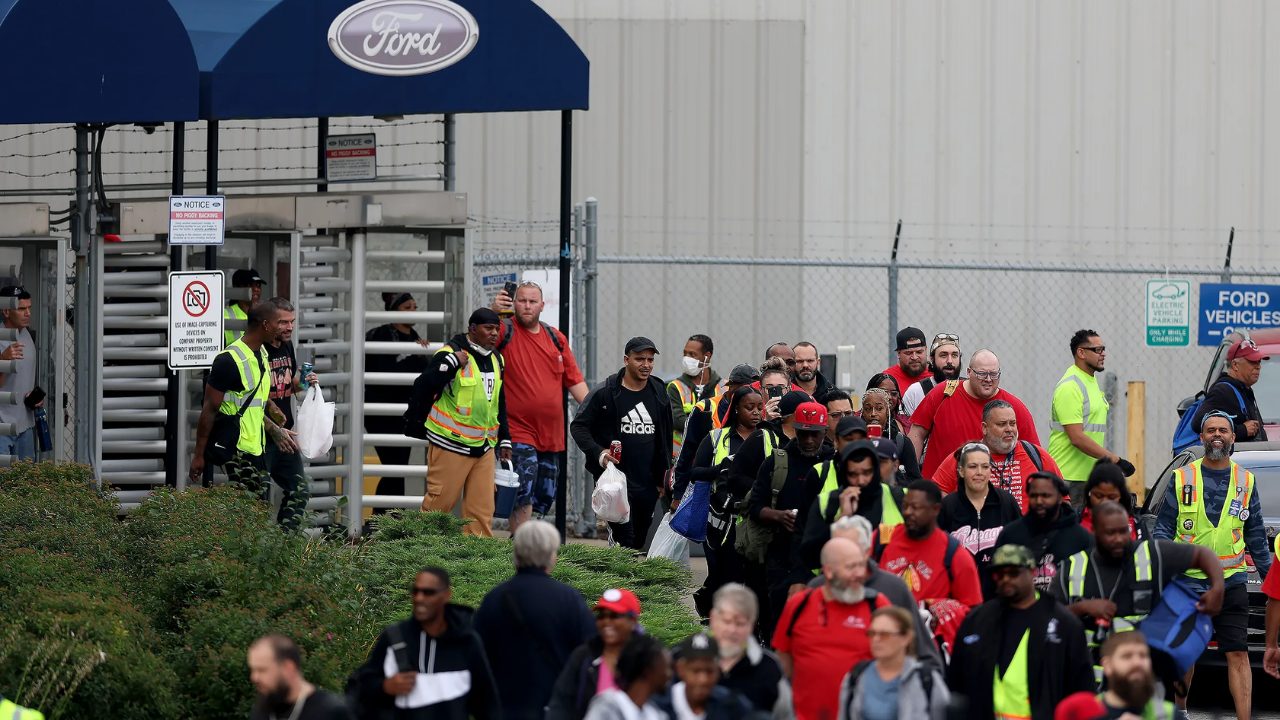
Ford finds itself in the most constrained position among automakers. Three potential buyers for First Brands’ assets are tied to Ford in what has been described as “the most expensive parts deal in history.” Walking away means losing a supplier embedded across production lines. Staying means funding the restructuring of a company whose entire financial basis was criminal. General Motors expressed concern about its own exposure, but Ford carries the heaviest burden. The automaker that built America’s best-selling truck now depends on a fraudulent bankruptcy to keep building it.
Lender Shockwave
The ripple most people missed: First Brands’ lenders face billions in losses. These aren’t small regional banks. The company’s fraud involved sophisticated inventory-backed obligations that First Brands “expressly disavowed” to senior lenders even as billions accumulated off the books. Now every auto-parts supplier in America faces tighter financing. Lenders are re-evaluating collateral, tightening covenants, and demanding audit rights they never required before. One fraud scheme at one supplier just rewrote the lending rules for an entire industry. Smaller suppliers with thin margins will feel that squeeze first.
The Machine
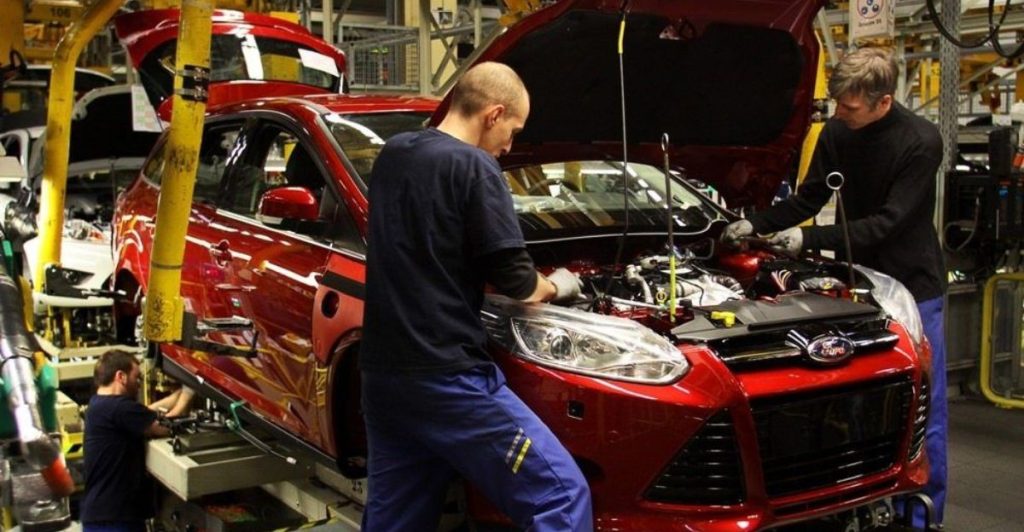
Here is the mechanism connecting every ripple: First Brands maintained the appearance of solvency through continuous fraud cycles. Fake invoices generated capital. Capital-funded operations. Operations produced parts. Parts sustained automaker relationships. Relationships attracted more lenders. Lenders provided more capital. The cycle fed itself until it couldn’t. Suppliers trusted invoices. Lenders trusted collateral. Automakers trusted delivery schedules. Ford trusted its supply chain. One fraudulent loop held together an entire production network. That loop broke. And now the consequences move outward: from lenders, to suppliers, to factories, to your dealership lot.
The Insider
Former First Brands executive Peter Brumbergs pleaded guilty and is cooperating with federal prosecutors. His cooperation exposed layers of the scheme. Restructuring advisors indicated the fraud was “more pervasive and damaging than initially realized.” U.S. Attorney Jay Clayton put it plainly: the James brothers “obtained billions for First Brands – and millions for themselves – by presenting their lenders with the impression of a successful, growing international business.” Meanwhile, Patrick James’ spokesman maintained: “He built First Brands from nothing into a global industry leader and has always been devoted to the success of the company.” Both statements describe the same company. Only one is true.
New Rules
This bankruptcy set a precedent that will outlast the criminal trial. Double- and triple-pledged collateral is now a documented risk category for industrial lenders nationwide. Auditors who missed the fraud face potential liability. Regulators are watching. OEMs like Ford and GM may soon demand real-time financial transparency and forensic audit rights from every supplier in their networks. The compliance costs alone could push smaller parts makers out of business. One criminal scheme in one company just forced an entire supply chain to rebuild its trust architecture from scratch.
Winners And Losers
The James brothers allegedly pocketed millions while 17,000 workers’ livelihoods hung on fabricated balance sheets. Lenders absorbed billions in losses. Ford absorbed the most exposure of any automaker. Communities where First Brands operated face a loss of tax revenue and payroll. The winners, for now, are competing suppliers positioned to absorb displaced contracts at premium prices, and restructuring firms billing historic fees on “the most expensive parts deal in history.” The losers are the workers who showed up every day, building real auto parts for a company that existed only on paper.
Still Breaking
The cascade continues. If restructuring fails, Ford and other OEMs face backward integration or alternative supplier development, both of which raise production costs and, eventually, sticker prices on the vehicles in your driveway. The criminal case against the James brothers is just beginning. Brumbergs is still cooperating. More charges could follow. The broader lesson reaches beyond auto parts: sophisticated fraud at an industrial scale hides behind the same invoices, collateral, and quarterly reports that signal legitimacy everywhere else. First Brands looked like a global leader. The system that lets it look that way hasn’t changed yet.
Sources:
“First Brands Executives Charged With Multibillion-Dollar Fraud.” U.S. Department of Justice, Southern District of New York, 29 Jan 2026.
“Founder of Auto Parts Maker Charged With Fraud That Wiped Out Billions.” ClaimsJournal / Bloomberg, 30 Jan 2026.
“Ford Most Exposed Automaker to First Brands Bankruptcy Fallout.” Ford Authority, Mar 2026.
“Ford, Not GM, Most Exposed to First Brands Bankruptcy Aftermath.” GM Authority, Mar 2026.