Ford Torches $19.5 Billion On EVs Then Blames Customers—F-150 Lightning Sales Crashed 60%
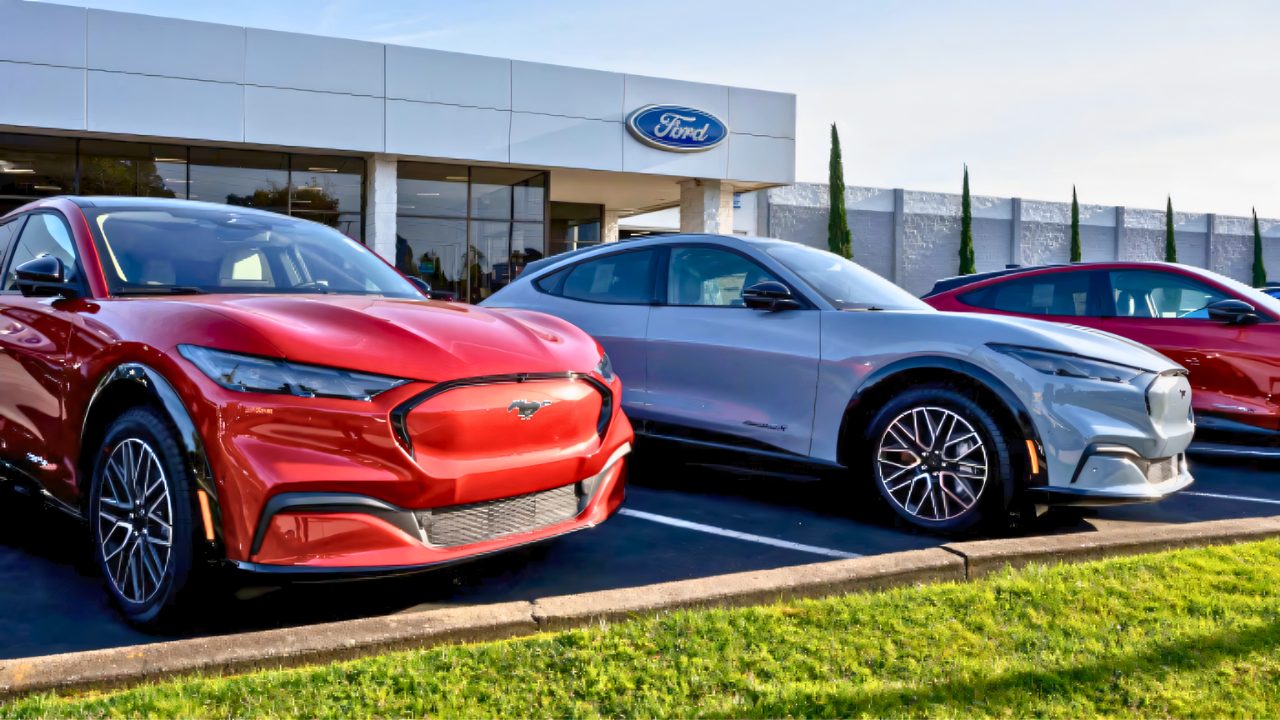
September 30, 2025. The $7,500 federal EV tax credit vanished overnight, and with it, the financial scaffolding propping up every electric truck and SUV on American dealer lots. Buyers who’d been circling F-150 Lightnings and Mustang Mach-Es walked away from showrooms within weeks. Not because they stopped wanting electric. Because the math stopped working. Ford’s CEO would eventually step to a microphone and blame those same buyers for leaving. He neglected to mention who removed the discount.
Loaded Bet
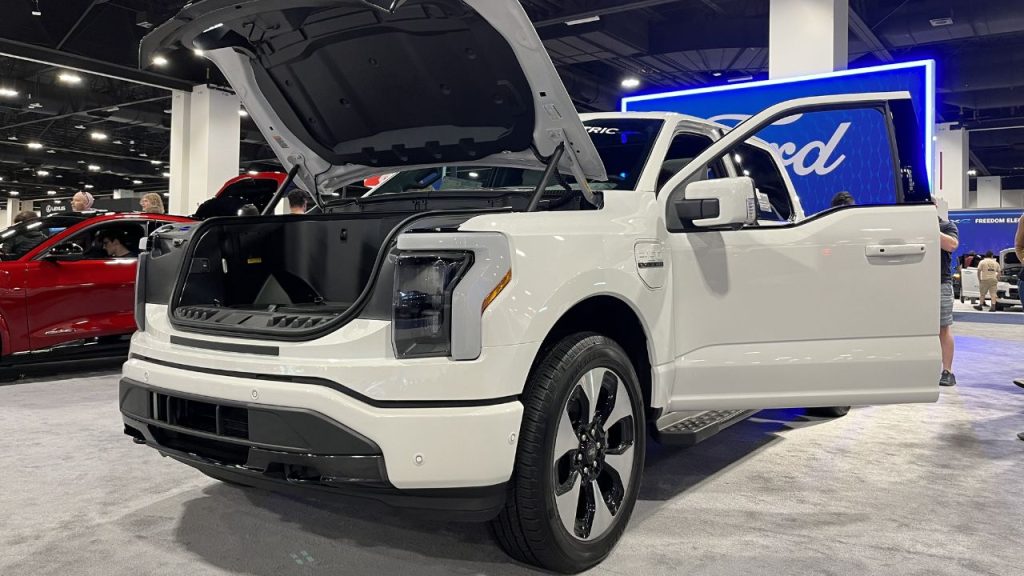
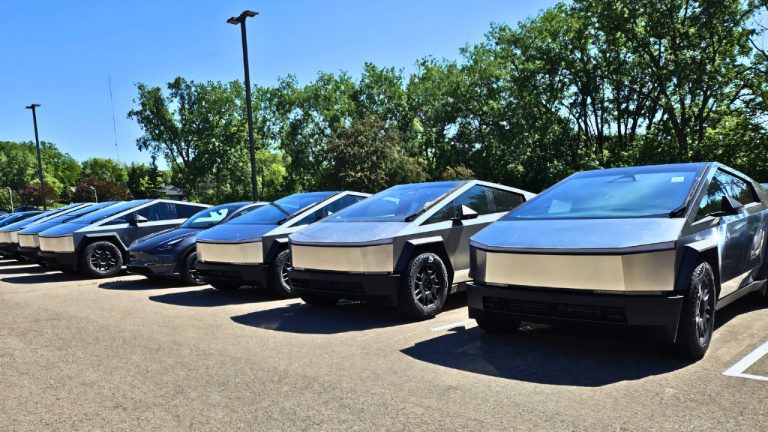
Ford had staked its future on electrification long before that September deadline. The company’s dedicated EV division, Model e, burned through $4.8 billion in 2025 alone, with leadership projecting another $4 to $4.5 billion in losses for 2026. Meanwhile, the F-150 Lightning sold just 27,307 units across the entire year, down 18.5% from 2024. Every truck rolling off the line bled money. Ford’s hybrid lineup, by contrast, hit a record 228,072 deliveries, climbing 21.7%. The profitable path was right there the whole time.
Myth Cracking
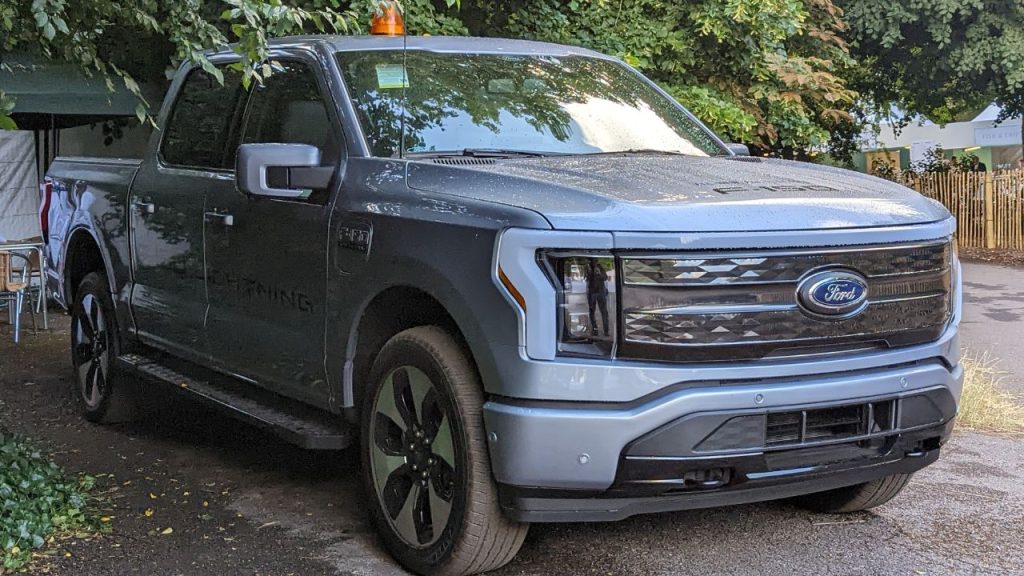
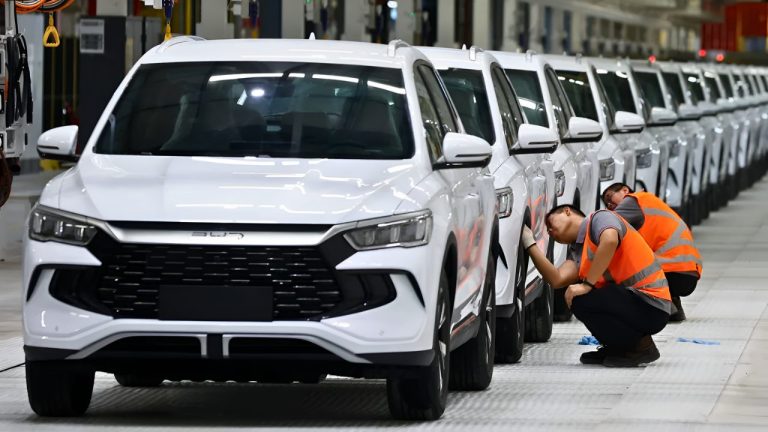
The comfortable assumption was that American buyers rejected EV technology. That they preferred rumbling V-8s on principle. Ford’s own numbers destroy that narrative. Hybrid sales surged because hybrids offered electrification at a price people could actually afford. EV sales cratered because, without a $7,500 rebate, a $55,000 Lightning competed against a $35,000 hybrid that got comparable range. Consumers didn’t reject the future. They rejected the price tag. China’s BYD proved the same technology thrives when built affordably. Detroit just couldn’t match the cost structure.
The Reversal
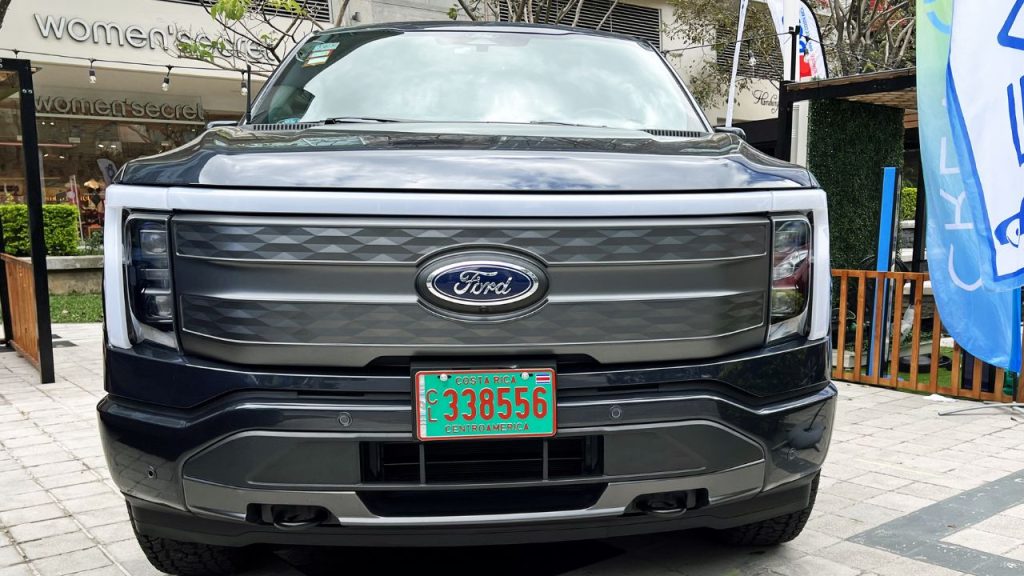
Jim Farley promised a “Model T moment” for electric trucks and teased a $30,000 EV. Months later, Ford announced a $19.5 billion charge and killed the F-150 Lightning entirely. Ford’s total EV sales collapsed 52% in Q4 year over year, falling to just 14,513 units. The Mustang Mach-E suffered steep Q4 declines, though full-year sales held near 2024 levels at 51,620 units. Ford posted an $11.1 billion quarterly loss, one of its worst quarterly results in modern history. One calendar year. From revolutionary promise to historic write-down. Then Farley told reporters that high-end EVs “just weren’t selling.” Twelve months of corporate whiplash, blamed on the buyer.
Hidden Machinery
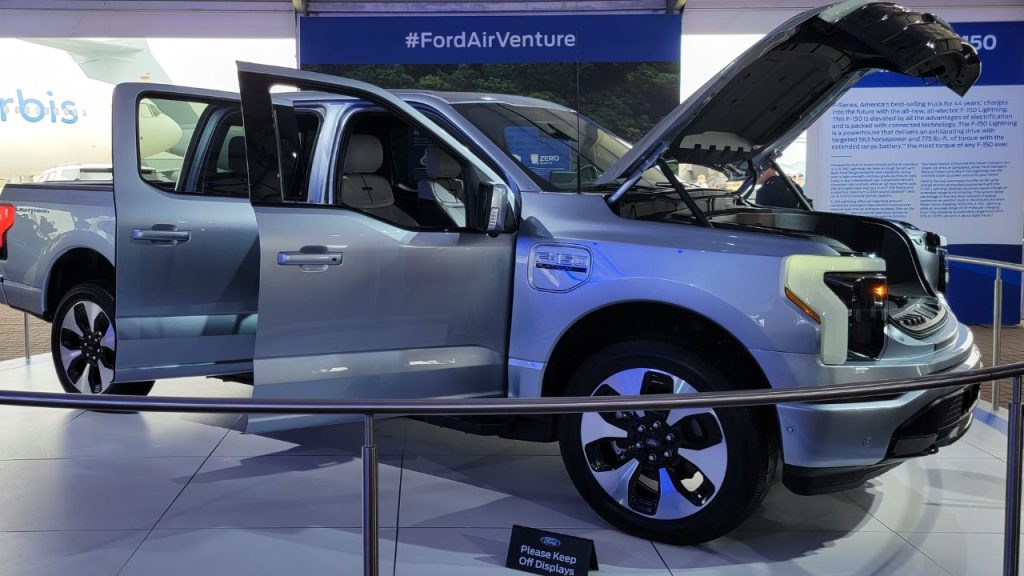
The collapse had nothing to do with battery chemistry or charging infrastructure. Ford’s entire EV strategy rested on a subsidy stack: the $7,500 consumer credit, regulatory credit sales, and CAFE penalty avoidance. When the Trump administration dismantled those mechanisms simultaneously, the economic foundation evaporated. One policy variable changed. No consumer sentiment survey showed an ideological shift away from electrification. The demand cliff was manufactured by Washington, not by buyers at dealerships.
The Wreckage
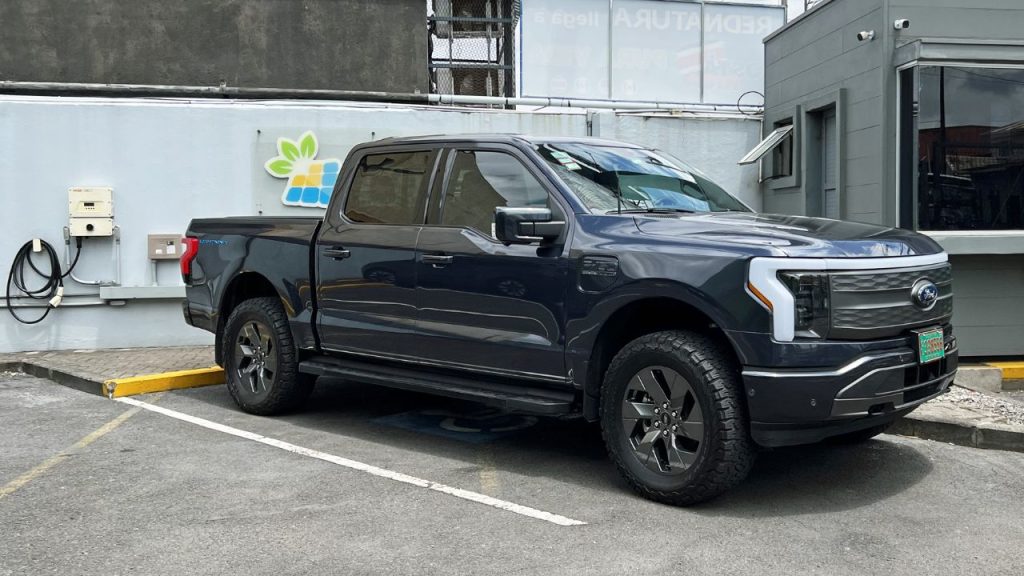
Ford wrote off $19.5 billion in total. Across the global auto industry, EV-related write-downs exceeded $50 billion: Stellantis absorbed $26.2 billion, GM took $7.6 billion. That tally exceeds the combined EV profit story anyone in Detroit expected to be telling by mid-decade. Honda axed the Acura ZDX after a single model year. That’s not a market correction. That’s a funeral.
Ripple Effect
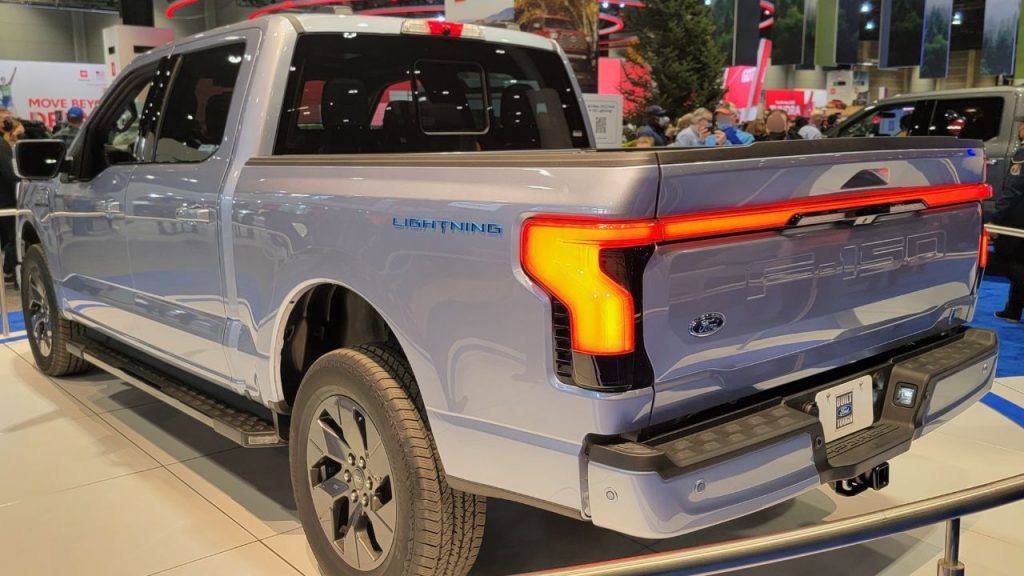
Ford also killed the Escape after a 25-year production run, with 132,471 units sold through November 2025. Dealers dependent on that entry-level crossover now face customer flight to competitors. Honda expects $4.5 billion in EV losses for fiscal 2026 after four consecutive quarters of auto division operating losses. Battery suppliers face demand destruction. EV charging operators like ChargePoint and Evgo lose their core growth driver. Detroit’s miscalculation didn’t stay in Detroit. It radiated outward into every supplier, dealer lot, and pension fund connected to the industry.
New Rule
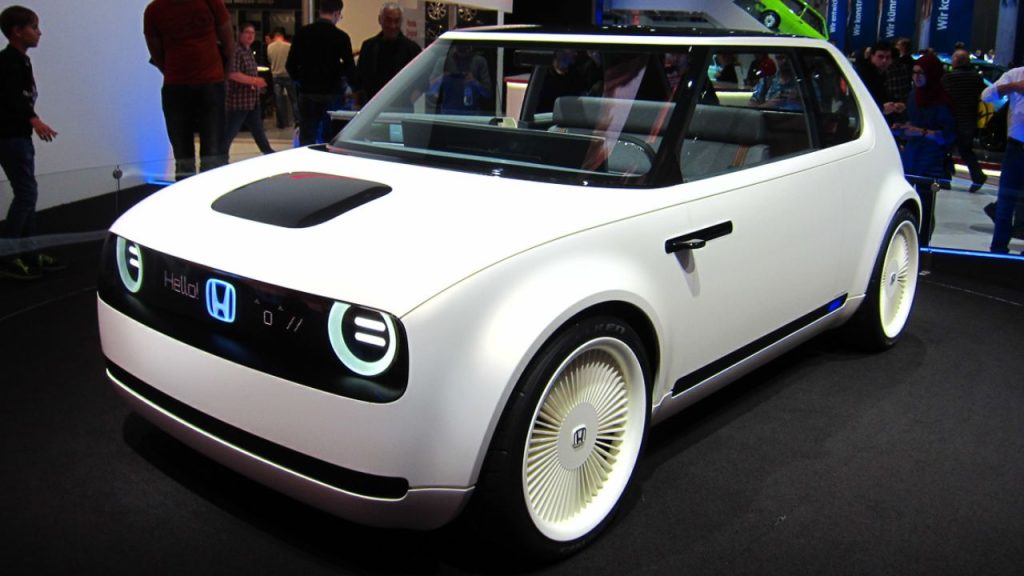
Honda had projected ambitious global EV sales targets for 2030 but has since scaled them back dramatically. That downward revision mirrors the broader reckoning. The Trump administration proved it will reverse EV policy as a political priority. Any future administration faces the same rollback risk as a baseline scenario. No automaker can justify decades of capital allocation on subsidies that shift with election cycles. This isn’t a bad quarter. It’s a structural retreat.
What’s Coming
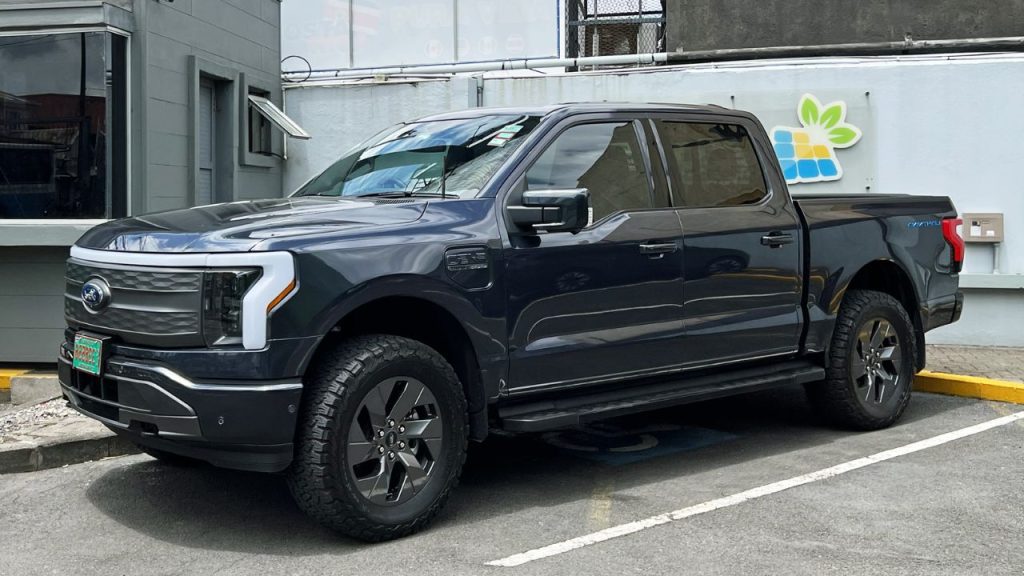
Ford doesn’t expect Model e profitability until 2029. Four more years of bleeding. If annual losses hold at $4 to $4.5 billion, cumulative Model e destruction could reach roughly $12 to $14 billion by 2027 alone. Meanwhile, Chinese automakers with vertically integrated battery supply chains produce competitive EVs at $20,000 to $30,000. American labor costs and overhead make that price point impossible without permanent government support. If tariff walls crack and BYD enters North America at scale, margin compression on Ford’s remaining profitable gas and hybrid lines accelerates within years.
The Framework
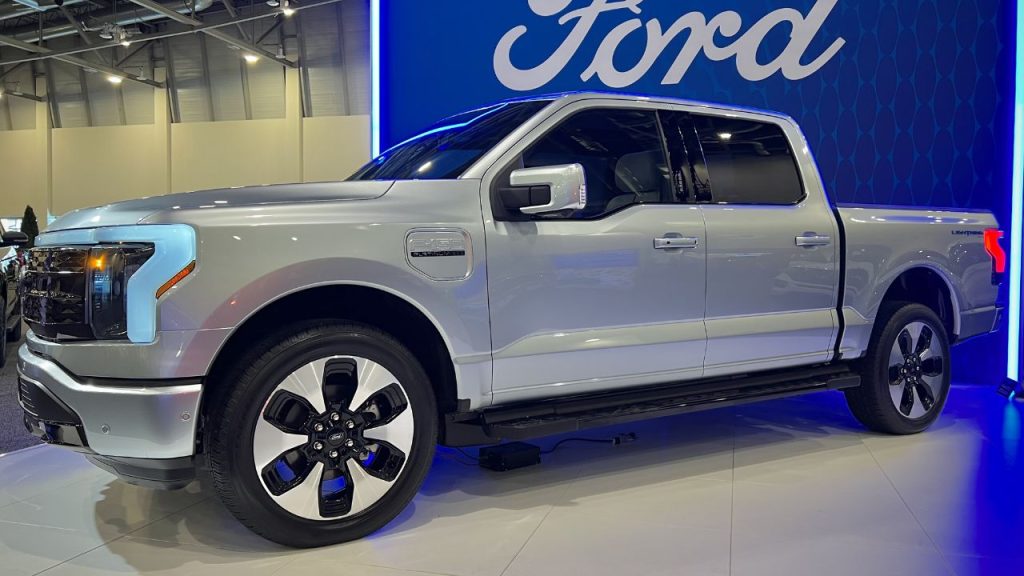
Legacy automakers will lobby for tariff protection, restored CAFE penalties, or new subsidies dressed up as national security. That’s the counter-move. But the framework every investor, worker, and buyer should carry out of this story is simple: Detroit lost over $50 billion not because Americans hate electric cars but because executives built $60,000 products that only worked with a $7,500 government crutch. The crutch broke. The products couldn’t stand. Everyone who read Farley’s “Model T moment” quote and believed it just learned what a $19.5 billion broken promise looks like.
Sources:
“Ford Reinvests in Trucks, Hybrids, Affordable EVs, Battery Storage.” Ford Motor Company (From the Road newsroom), 10 Feb 2026.
“2025 (Full Year) USA: Ford and Lincoln Car Sales by Model.” Best-Selling-Cars.com, 25 Jan 2026.
“Ford’s $19.5 Billion EV Writedown: Five Things to Know.” Reuters, 15 Dec 2025.
“Stellantis Takes $26B Write-Down Over EVs, Sells Stake in Battery JV for $1.” WardsAuto, 19 Feb 2026.