Ford’s EV Pickup Bet Backfires As CEO Admits F-150 Lightning Was A ‘Costly Lesson’
The F-150 Lightning was supposed to be the truck that proved Detroit could beat Silicon Valley at its own game. Ford’s electric flagship, built on the bones of America’s iconic pickup, carried the weight of an entire corporate pivot. Demand initially surged. The marketing push was massive. The message was clear: the future of trucks plugs in. But somewhere between the factory floor and the balance sheet, the math started bleeding. Ford CEO Jim Farley now frames that entire chapter differently.
Loaded Bet

Ford’s EV push required massive capital investment and multi-year timelines just to reach profitability, according to the company’s own financial disclosures. The Lightning sat at the center of that wager: a full-size electric pickup entering a market where battery supply chain costs set a hard floor under every unit built. Competitive EV pricing pressure was already compressing margins across the industry before Ford shipped its first crate of Lightnings to dealers. The bet wasn’t just on a truck. It was on costs falling fast enough to outrun losses.
Price War
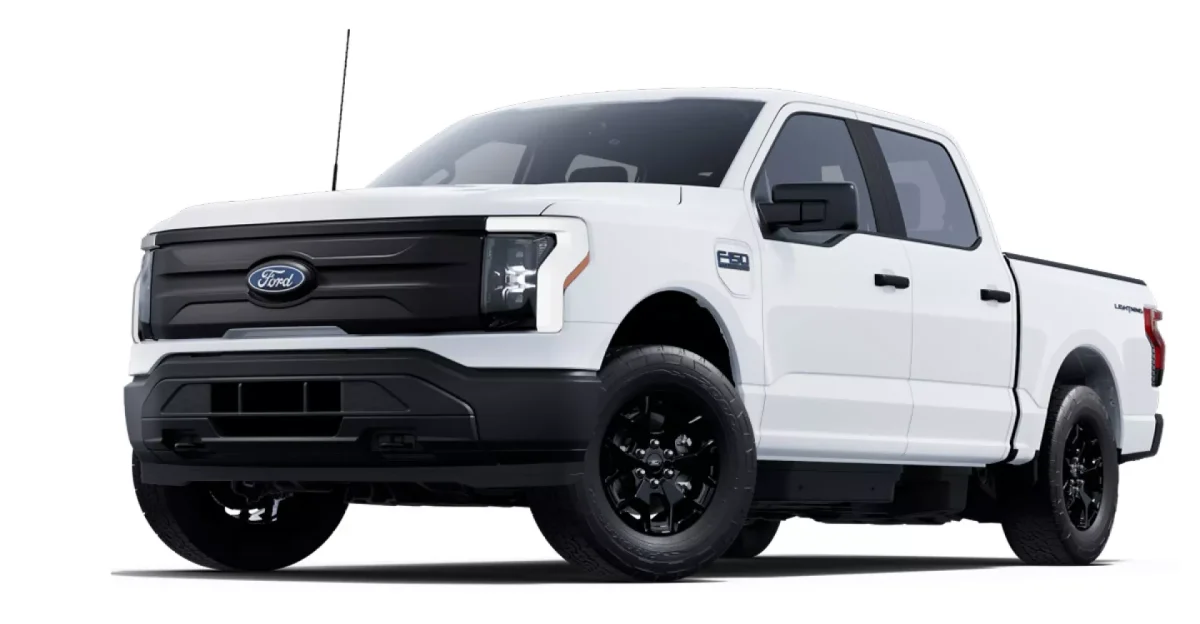
Then the EV price war hit. Ford made significant pricing moves on the Lightning, cutting sticker prices to stay competitive as rivals slashed their own. More trucks moved off lots. That sounds like progress. Except that price cuts can increase deliveries while reducing profit per vehicle, a dynamic that turned volume into a financial trap. Ford adjusted production cadence and slowed its EV expansion timeline.
Costly Lesson

Ford CEO Jim Farley described the F-150 Lightning experience as a “costly lesson,” tying it directly to EV economics and demand realities. The product meant to prove EV viability highlighted how scaling can deepen losses. Ford’s Model e division reported significant losses in official financial disclosures. Price cuts. Cadence adjustments. Strategy resets. All forced by margin math, not market rejection. The Lightning sold. It just didn’t profit. That single distinction rewrites the entire narrative around what “success” means in the EV transition.
Hidden Mechanism
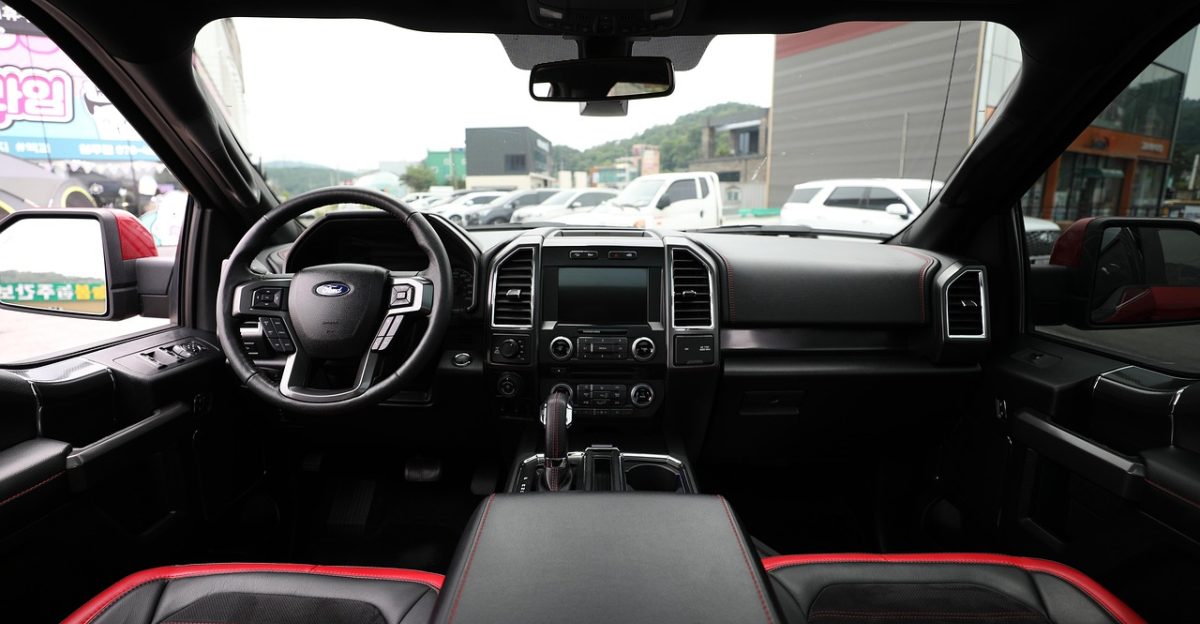
The real story isn’t about one truck. Battery supply chain costs and manufacturing scale constraints create a cost floor that doesn’t care about brand loyalty or dealer enthusiasm. Ford’s EV profitability challenge, discussed publicly in earnings coverage and management commentary, traces back to that floor. Like selling a house at a loss to keep comps up, Lightning price cuts protected market share while burning cash. Public-company reporting forced those EV losses into the open, shaping both investor pressure and internal strategy. The hidden system was always the battery math.
Buyer Math
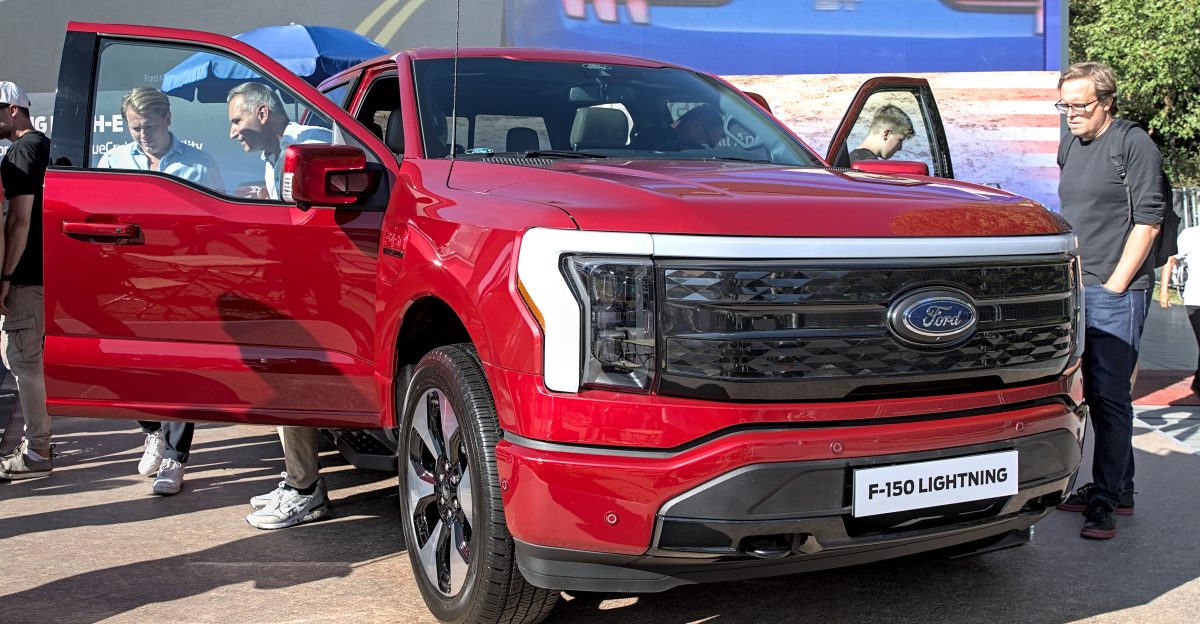
Consumer operating-cost comparisons between electricity and gasoline depend on energy prices and vehicle efficiency, which vary by region and time, according to the U.S. Department of Energy. That variability means the “cheaper to fuel” argument for EVs isn’t universal. For Ford, it meant demand projections built on favorable assumptions could shift with a single rate change. The Lightning’s economics looked different in cheap-electricity states than in expensive ones. Ford wasn’t just fighting competitors. It was fighting regional math that changed the buyer’s calculation county by county.
Ripple Cost
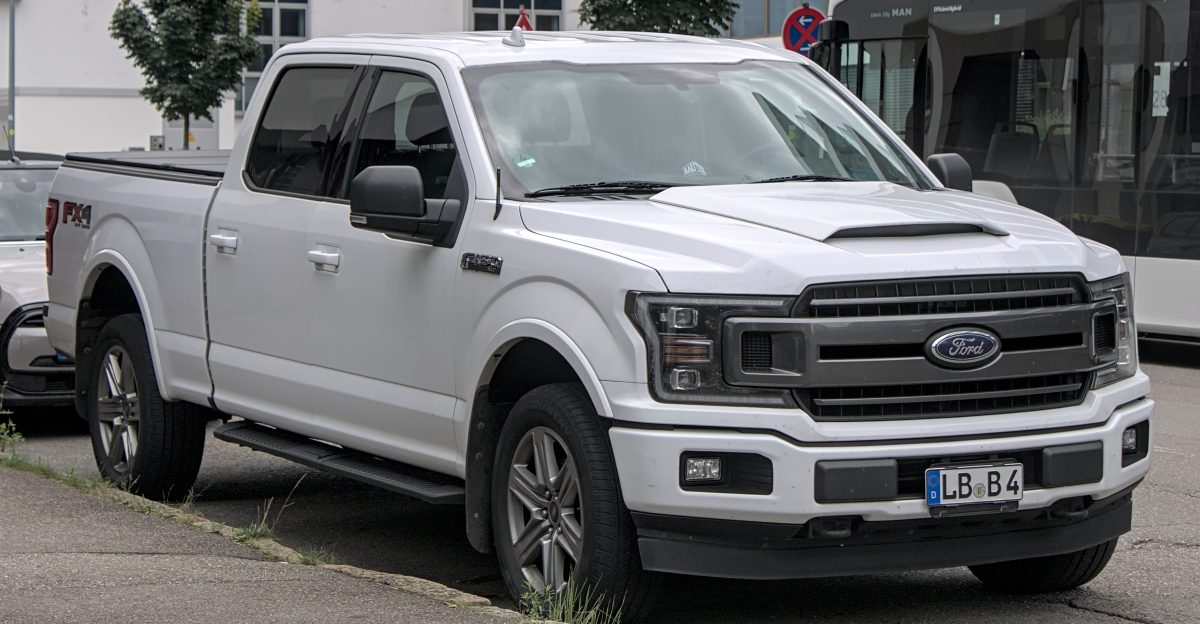
Ford’s strategy reset sends signals far beyond Ford’s headquarters. Supplier investment pacing shifts when OEM demand signals soften. Legacy automakers now emphasize hybrid and ICE profitability while waiting for EV costs to fall. High-cost EV trims and low-margin fleet deals face the chopping block next. The Lightning’s lesson isn’t contained to one nameplate. It reprices risk across every electric program at every legacy automaker, watching Ford’s quarterly numbers. One truck’s margin failure becomes an industry-wide recalibration of how fast the transition can actually move.
New Rule
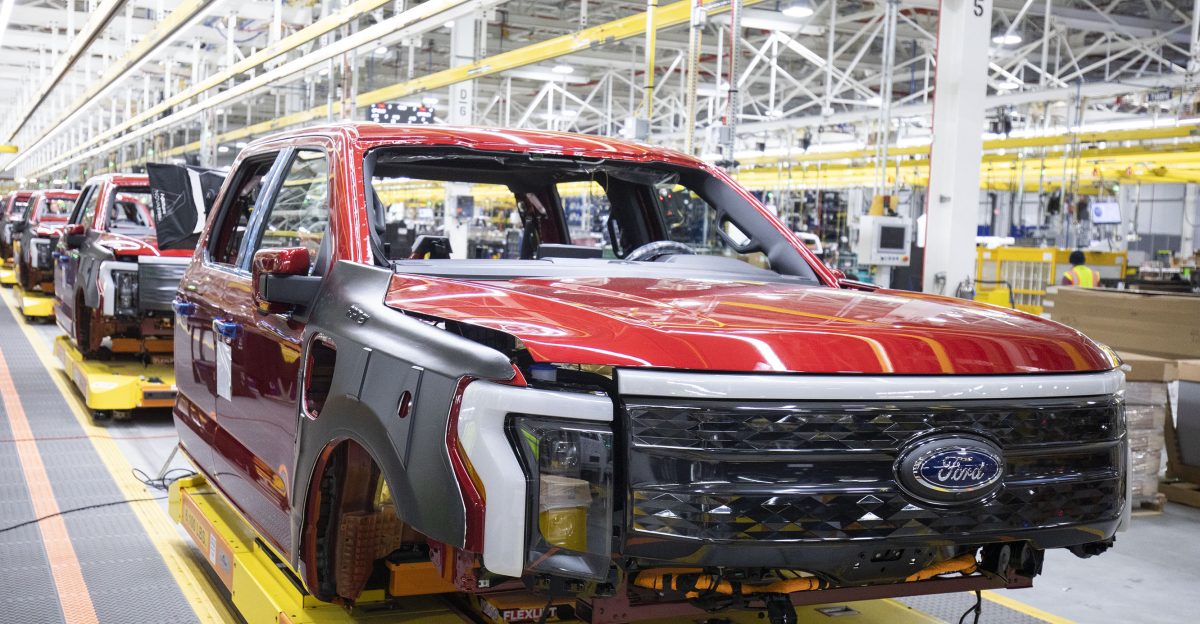
The precedent Ford just set changes how every EV program gets judged going forward. Deliveries alone no longer count as victory. Margin discipline is the new scoreboard. That reframe is the real “costly lesson,” bigger than any single truck. Once you see it, the entire EV conversation shifts: these aren’t cars with batteries. They’re battery supply chains with showroom wrappers. And until the supply chain economics break in the automaker’s favor, volume is a lever that pulls losses deeper, not a ladder that climbs toward profit.
Escalation Ahead

More incentives lead to lower residual values, which lead to tougher leasing economics. That spiral is already forming. Ford’s response includes cost-down redesigns, changes to battery sourcing, and platform consolidation, all disclosed in filings and earnings materials. The question isn’t whether Ford can build an electric truck people want. The Lightning proved it could. The question is whether anyone who hasn’t solved the economics of battery costs can survive selling one. Every month the cost floor holds, the early-mover advantage Ford banked on evaporates a little more.
Trap Door

Unit economics decide survival. Volume can be a trap. Those two sentences are worth more than every Lightning commercial Ford ever aired, and most people still haven’t absorbed them. The next time someone points to rising EV sales as proof the transition is working, remember what Ford’s own CEO called his flagship electric truck. The companies that win this race won’t be the ones who sold the most EVs first. They’ll be the ones who figured out how to stop losing money on each one.
Sources:
“‘We Totally Would’ve Done It Differently’: Ford CEO on the Failure of the F-150 Lightning.” Longbridge / PortAI summary of interview with Jim Farley, 3 Mar 2026.
“Ford Admits Its EV Division Will Keep Burning Billions for Years.” Carscoops, 11 Feb 2026.
“Ford Model e EV Division Losses Could Hit $4.5B in 2026.” EV.com, 20 Feb 2026.
“Ford Cuts Price on F-150 Lightning by Up to 17%.” Transport Topics, 16 Jul 2023.