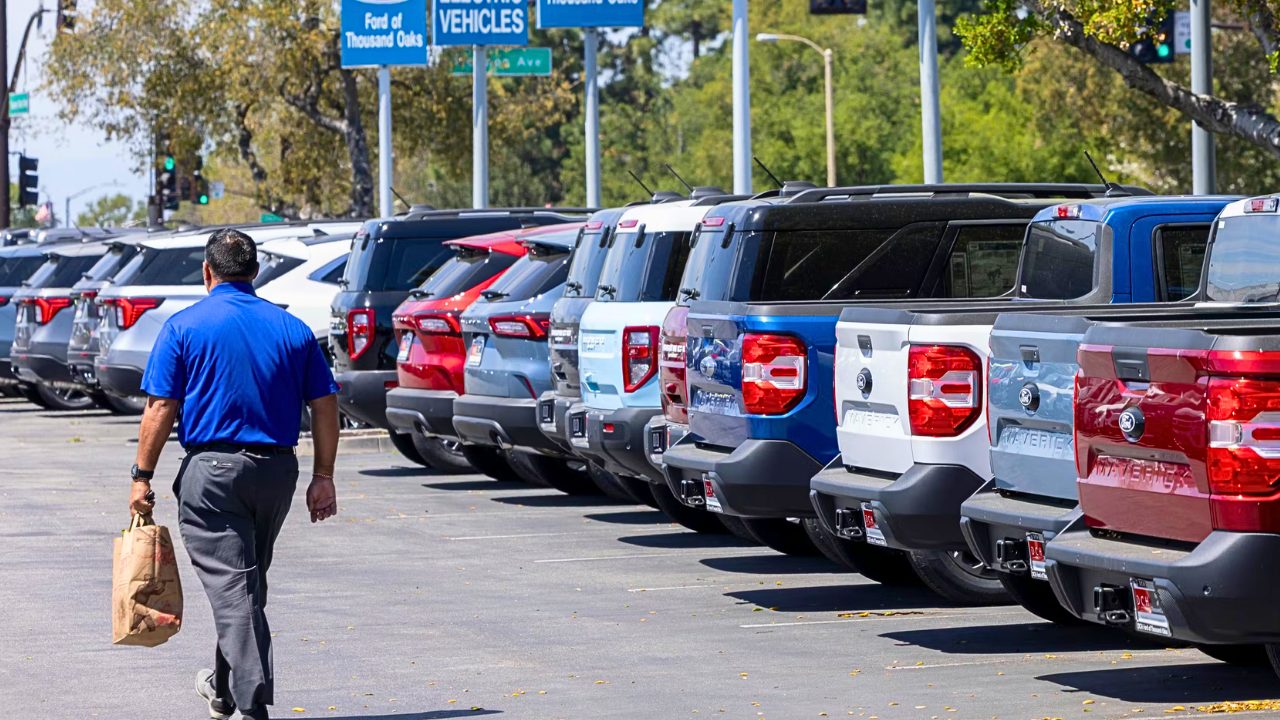
Ford Recalls Every Single Model Since 2020—All Except One
In 2025, Ford Motor Company shattered a record no automaker wants to hold. The Detroit giant issued 153 recall campaigns in a single year, nearly double the previous all-time high of 77, set by General Motors in 2014. Tens of millions of vehicles were affected across 16 models, spanning SUVs, trucks, performance cars, and commercial vans. The staggering volume of safety actions sent shockwaves through the automotive industry and raised urgent questions about quality control at one of America’s most iconic brands.
The One Model That Escaped
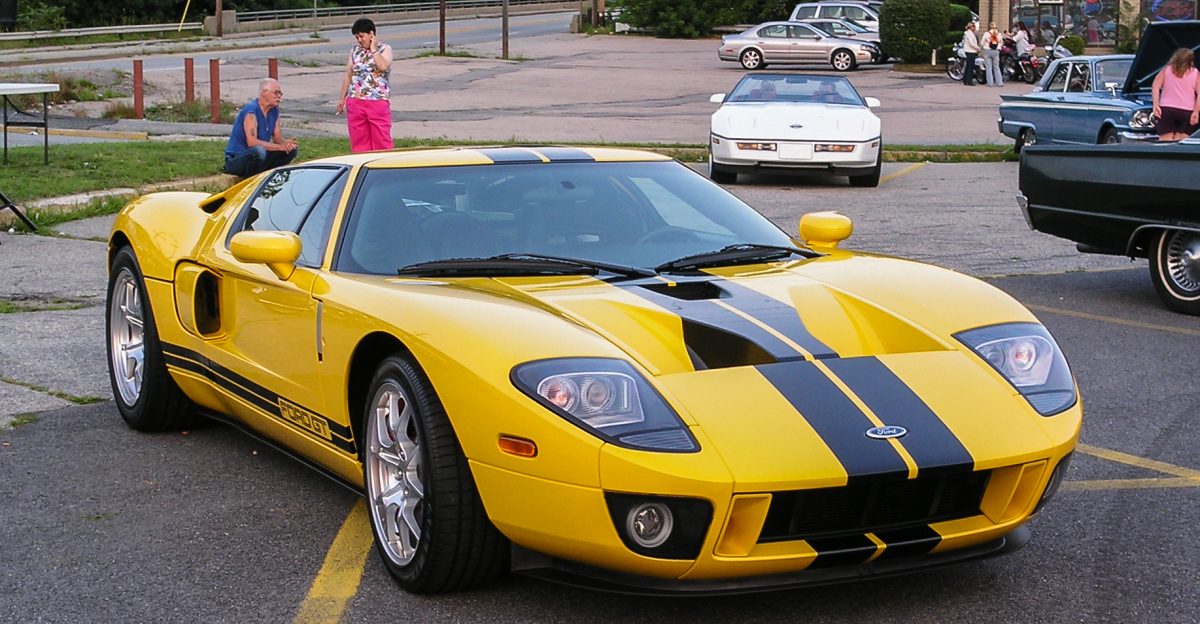
Amid the sweeping recall wave, only one Ford model emerged largely unscathed: the Ford GT, a mid-engine, two-seat supercar discontinued after 2022. Every other Ford model produced between 2020 and 2026 faced at least one recall. The GT, which paid tribute to the legendary Ford GT40 that dominated the 24 Hours of Le Mans in the 1960s, was not entirely without blemish. The first generation faced potential airbag concerns, and the second had possible hydraulic defects, but it largely avoided the widespread issues plaguing the broader lineup.
Ford’s SUVs: Camera Failures and Fire Risks
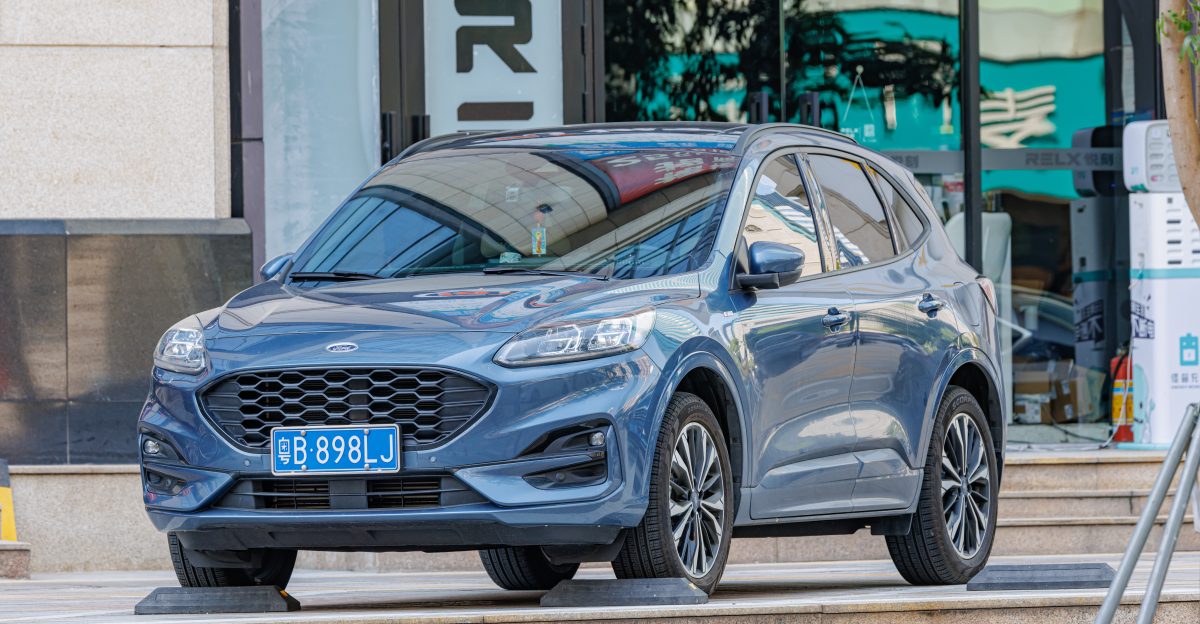
Ford’s seven SUV and crossover models, the Escape, Bronco, Bronco Sport, Explorer, Expedition, Mustang Mach-E, and Edge, each faced at least one recall during this period. Problems ranged from inverted or blank rearview camera images to cracked fuel injectors that posed fire risks. Software faults capable of triggering brake malfunctions and electronic door latch failures that could trap occupants or cause lockouts were also documented. Taken together, these issues represent significant safety liabilities for one of Ford’s most popular vehicle segments.
Trucks Hit Hard by Electrical Faults
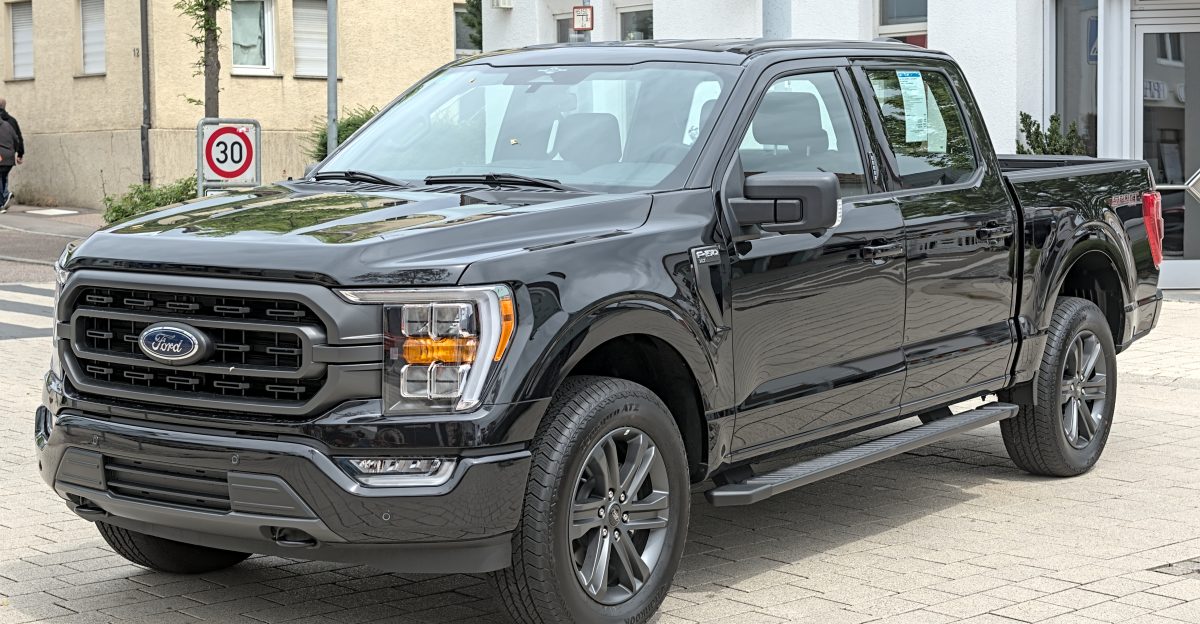
All five of Ford’s major truck and pickup models, the Maverick, Ranger, F-150, F-150 Lightning, and Super Duty, were drawn into the recall crisis. The most serious and widespread problems involved electrical faults that could disable trailer brake lights, turn signals, or braking functions while towing, substantially increasing the risk of rear-end collisions. Given that Ford’s F-Series trucks have been the best-selling vehicles in the United States for over four decades, the scale of these issues carries enormous consequences for millions of American drivers.
The Mustang and Commercial Vans Weren’t Spared
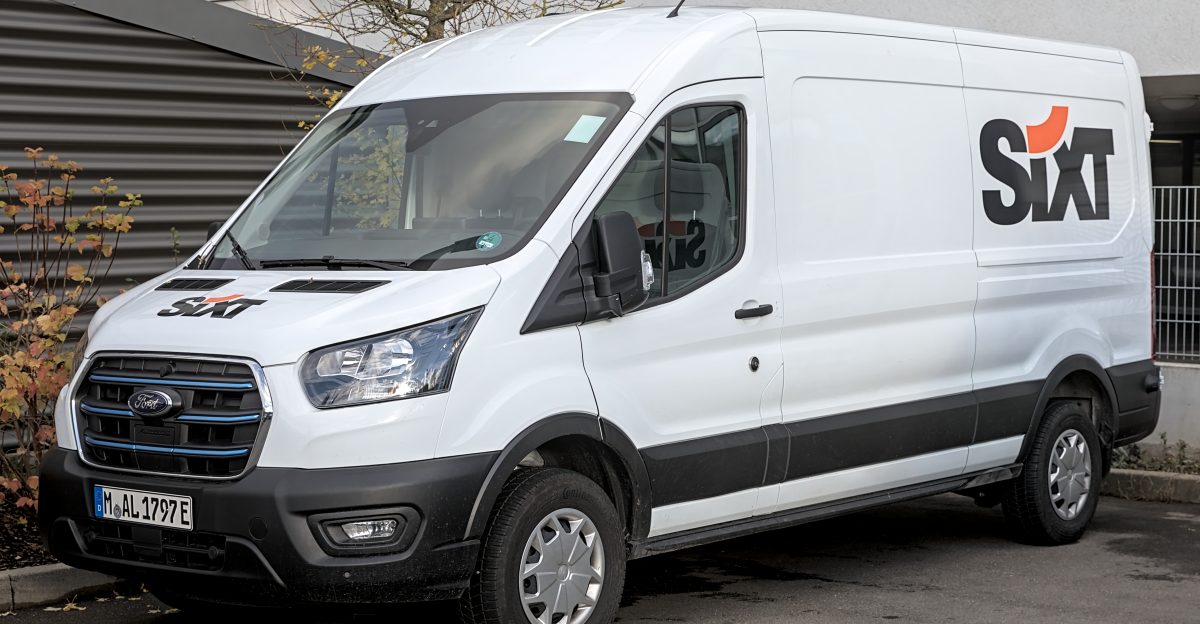
Ford has largely phased out traditional sedans, leaving the Mustang as its only remaining passenger car. Even this iconic model, produced since 2020, has been affected, primarily by rearview camera malfunctions. Ford’s commercial fleet, including the Transit, E-Transit, and Transit Connect vans, also faced multiple recalls involving braking systems, towing safety, electrical failures, and visibility concerns. The breadth of issues across both consumer and commercial vehicles underscores how deeply the quality problems penetrated Ford’s entire manufacturing ecosystem during this period.
Ford’s Explanation
Ford has pushed back against purely negative interpretations of the record-breaking recall numbers, framing the surge as a deliberate, safety-first strategy. “The increase in recalls reflects our intensive strategy to quickly find and fix hardware and software issues and go the extra mile to help protect customers,” the company stated in summer 2025. Ford added that it has more than doubled its team of safety and technical experts over the past two years, while significantly ramping up testing designed to identify failures in critical systems before vehicles reach consumers.
Regulators Imposed a Historic Penalty

Federal regulators were not satisfied with Ford’s explanation alone. In November 2024, the National Highway Traffic Safety Administration (NHTSA) imposed a $165 million civil penalty on the automaker, the second-largest in the agency’s history. The fine stemmed from allegations that Ford moved too slowly in responding to a rearview camera recall and submitted incomplete safety reports to regulators. The penalty served as a stark signal that federal authorities were monitoring Ford’s compliance closely and were prepared to hold the company financially accountable for delays in protecting the public.
Experts Weigh In on the Surge

Automotive safety analysts have noted that a high recall volume does not automatically signal poor engineering alone, as the timing and nature of the remedy matter equally. The broader expert consensus holds that a surge in recalls can reflect a company becoming more aggressive about surfacing and addressing problems, but it also confirms that those problems exist and were present in vehicles already on the road. For consumers, the distinction between proactive and reactive recalling is less important than whether their specific vehicle has an open safety action requiring a fix.
What Ford Is Doing to Fix the Problem

Beyond issuing recalls, Ford says it has fundamentally restructured its internal safety processes. The company reports significantly increasing testing protocols, specifically “testing to failure” on critical systems including powertrains, steering, and braking. Insights from this extreme testing are being fed back into current vehicle production. Ford has also expanded its safety and technical workforce substantially. Whether these measures will translate into fewer recalls in the years ahead, or whether they will continue surfacing previously undetected issues, remains a key question for the automaker and its customers.
What Ford Owners Should Do Now
Ford owners with vehicles manufactured since 2020 are strongly encouraged to check whether their vehicle is included in any open recall. The NHTSA maintains a free, searchable database at nhtsa.gov where owners can enter their Vehicle Identification Number (VIN) to identify any outstanding safety actions. Ford’s customer service line is also available at 1-866-436-7332. Recall repairs are performed at no cost to the vehicle owner. Notably, Ford has already issued 17 recall campaigns in early 2026, according to Motor Illustrated, a sign that the pace of safety actions shows no sign of slowing. Experts advise all affected owners to act promptly and not delay scheduling repairs.
Sources:
“Ford in Deep Water After Sweeping Recalls Hit Every Model Since 2020, With One Exception.” Fox Business, 2026.
“Ford Recalls Every Model Since 2020, Except One.” The Daily Caller, March 2026.
“Ford Issued 153 Recalls in 2025, More Than the Following Nine Brands Combined.” Motor Illustrated, 2025.
“Ford Posts Record 152 Recalls in 2025 but Says Vehicle Quality Is Improving.” CBT News, 2025.
“Ford’s Recalls: History Repeating Itself in 2026.” Motor Illustrated, March 9, 2026.