Ford Recalls 83,000 Over Dual Defects—Owners Must Check VIN Tonight
Driving home after dark, headlights cut through empty roads. Kids ride buckled in back. The engine hums. Lights work. No dashboard warning, no strange noise, no reason to worry.
That sense of normalcy hides a bigger issue. More than 83,000 Ford vehicles are flagged for defects invisible and silent from the driver’s seat. The danger comes without mechanical warning. The headline number includes two distinct problems, and one affects how headlights perform at night.
One Recall, Two Dangers
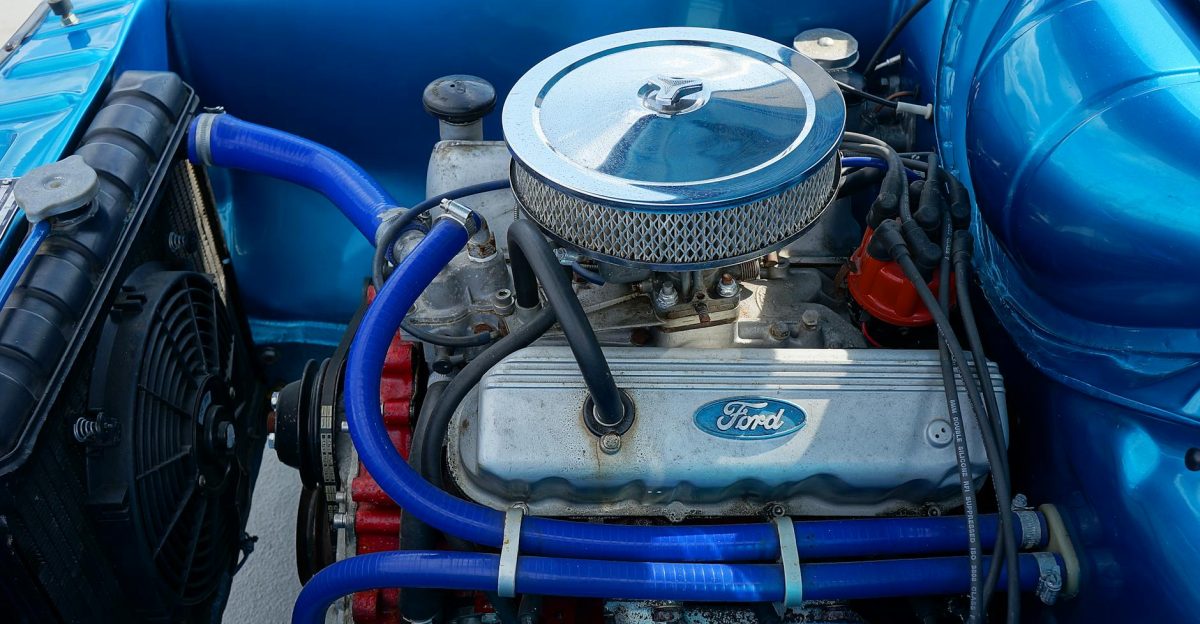
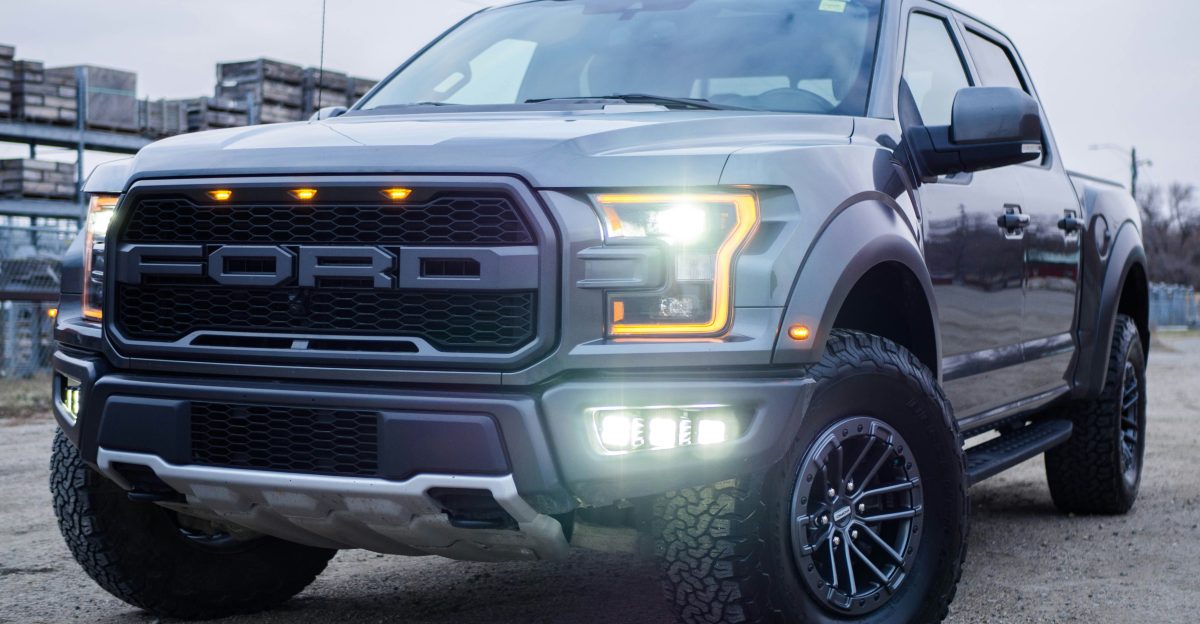
The recall covers headlights and engine valves, two unrelated systems. Lighting failures reduce nighttime visibility and can raise crash risk. Engine valve problems may cause sudden loss of drive power, usually at lower speeds.
Both are safety-related defects under federal standards, and both come with free repairs for owners. This is a two-problem alert: lighting on one end, valvetrain on the other. That combination across more than 83,000 vehicles points to widespread quality-control strain.
The Illusion of Safety
Many Ford owners assume, “If it was serious, I’d know.” That belief can be dangerous. A safety fix may be needed even when everything seems fine. Recall notices arrive by mail, often slowly. Some owners drive for months without repairs simply because they never check.
Every recall campaign is published there, supported by documents and searchable by anyone. Social media spreads the news. The federal database confirms if your vehicle is affected.
Only the VIN Knows

The 83,000-plus figure covers all affected vehicles, but the database breaks it down by specific models, years, and production windows. Only a VIN lookup reveals if a particular truck, SUV, or sedan falls within the recall. Ford and NHTSA both provide consumer recall-lookup tools.
The process takes about a minute, is free, and works from any device. The recall notice alone does not solve the risk. Change happens when owners check the database and act. Those who skip that step keep driving vehicles with known safety defects.
Three Steps to Safety
The recall process has three parts. NHTSA publishes the defect finding. Ford develops and supplies the remedy. The owner schedules the repair. If any part fails, the system breaks down.
Most people never notice how this works. The government finds the problem. The manufacturer builds the solution. Only the owner can complete the process by showing up at the dealership. Waiting for a letter means weeks of risk, while checking online brings answers in minutes.
Repairs Come Free, But Not Easy
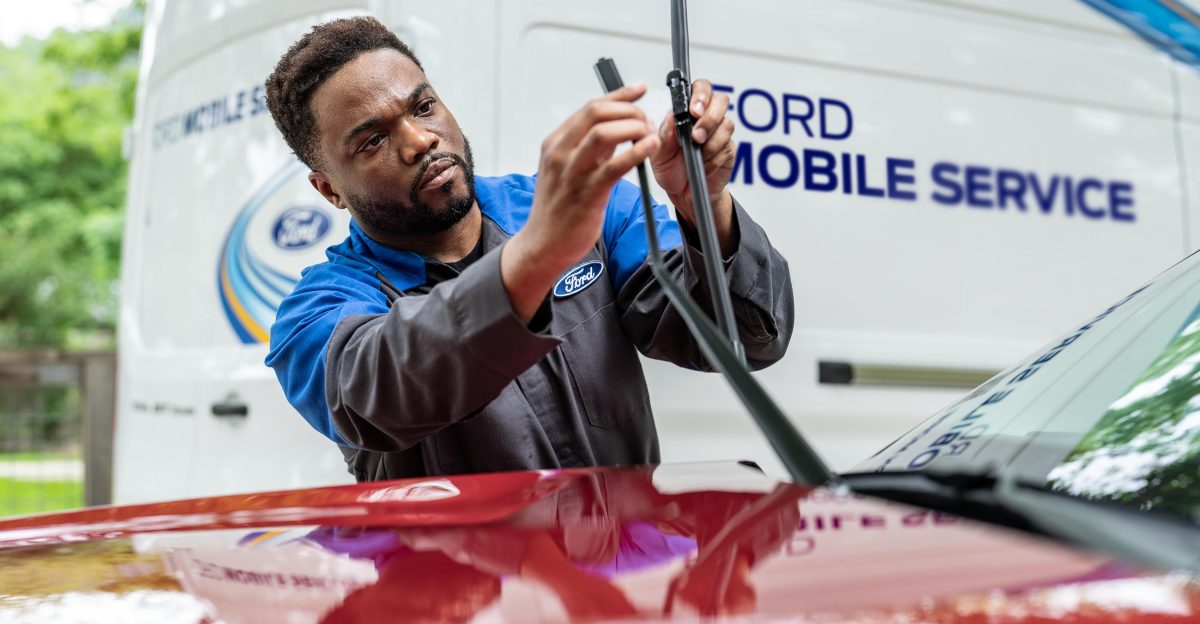
The repair is free. Federal recall rules require manufacturers to fix safety defects at no cost to the owner. Engine valve repairs that would cost hundreds at an independent shop are covered. Headlight Control Module software updates are also covered. They are available over the air or at any Ford dealer, with notification letters mailing March 23.
There are two timelines: the headlight software fix is available now, while the EGR valve remedy is still in development. Interim letters mail March 16, and the full repair is expected in September 2026. Free repairs still cost time. Scheduling the appointment, arranging transportation, and waiting at the dealership all require effort from the owner. Money is not the barrier. The remaining challenge is whether more than 83,000 owners take action or ignore the recall.
Unfixed Recalls Follow the Car
Safety defects that go unfixed remain with the vehicle, not just the owner. Recall status appears when buyers run VIN checks during private sales, and a clean recall history is now part of the resale conversation. Ignoring a recall notice risks both safety and resale value.
If remedy parts or software updates become limited, repair backlogs can grow, extending wait times for everyone. Modern vehicles can carry multiple safety-related defects, and the longer they go unaddressed, the more those costs add up.
Transparency Is Now Standard
This recall exposes more than a single manufacturer’s mistake. Public recall documents, including defect reports and owner notification letters, are stored in NHTSA’s open repository. Anyone can see exactly what went wrong, what the remedy includes, and when to expect notification.
Transparency allows independent scrutiny from mechanics, journalists, and buyers. Recall truth is no longer hidden behind corporate messaging. The official warning is available online. The VIN unlocks the details, and access has been open for years.
Waiting Raises the Stakes
Owners who ignore recall notices take the biggest risk. Every night, someone drives an affected Ford without checking, unaware that faulty headlights and a flagged engine valve system stand between them and the road. No warning light. No strange sound. Just a database entry left unread.
If repair capacity becomes limited, early responders get repaired first. Those who wait join a longer line with the same urgent need and fewer available appointments.
Action Belongs to the Owner
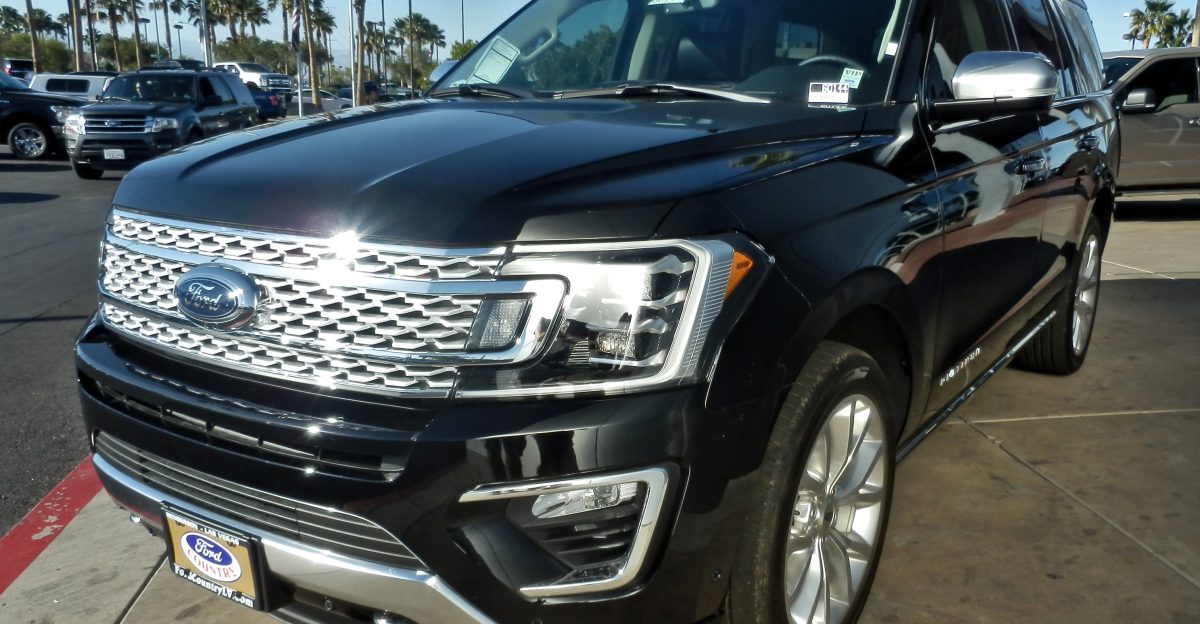
Check the VIN. Ford’s recall lookup tool and NHTSA’s database each take less than a minute. Save the result. If the vehicle is included in the headlight recall, schedule the free software update. It’s available over the air or at any dealer. For the EGR valve group, confirm recall status and watch for Ford’s remedy letter. The repair is expected in September 2026. Keep all paperwork for proof during resale.
More than eighty-three thousand vehicles are flagged for safety risks. The system issued the warning, the manufacturer created the fix for one issue and is finalizing the other, and the last step now belongs to the owner.
Sources:
NHTSA — Part 573 Safety Recall Report 26V121 (Dynamic Bending Light, Ford Explorer) — March 3, 2026
NHTSA — Part 573 Safety Recall Report 26V122 (EGR Valve / Loss of Drive Power) — March 3, 2026
Fox Business — Ford Recalls Over 83,000 Vehicles in Two Separate Safety Actions — March 9, 2026
Ford Authority — 48K 2025 Ford, Lincoln Vehicles Recalled Over EGR Valve Failures — March 10, 2026
New York Post — Ford Recalling Over 83,000 Cars Over Headlight and Engine Valve Issues — March 11, 2026