Ford Recalls 605,000 Vehicles Over Wiper Flaw That Blinds Drivers Mid-Storm
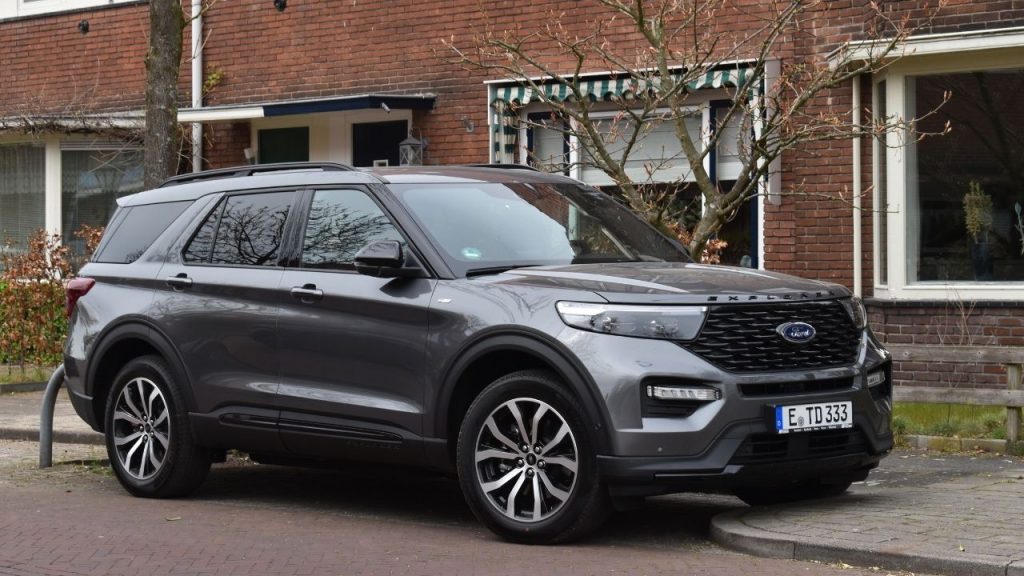
Picture this: heavy rain, headlights cutting through sheets of water, and the one thing standing between a driver and a total whiteout suddenly stops moving. Nearly 605,000 Ford vehicles carry a windshield wiper system that NHTSA flagged as a safety defect serious enough to trigger a federal recall campaign. Not an engine problem. Not brakes. The part that clears rain off glass. Most owners assume their car is fine. That assumption is exactly where the danger starts.
When Visibility Vanishes
A wiper failure at 70 mph in a downpour doesn’t give warnings. Forward visibility can drop to near-zero in seconds. The car still runs. The engine still hums. But the driver is effectively steering with reduced visibility. NHTSA documents the hazard as “reduced visibility,” not a mechanical breakdown. That distinction matters because it redefines the threat: this recall isn’t about something breaking under the hood. It’s about a driver losing the ability to see the road at the exact moment seeing the road matters most.
The Dangerous Assumption
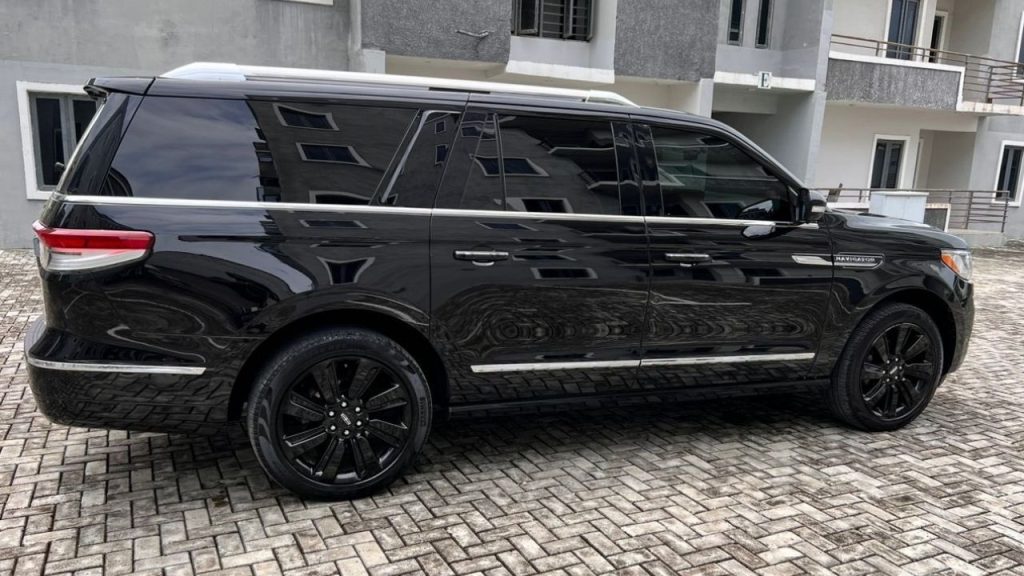
Most Ford owners affected by this recall will assume the same thing: “If it’s serious, I’ll get a letter.” That belief is comfortable. It’s also incomplete. Ford began mailing owner notification letters on March 9, 2026, with a final remedy notice expected by May 2026. NHTSA posts recall campaigns publicly, and vehicles remain on the road until owners act on the notice. No automatic fix arrives. The recall is public, but the protection is optional until someone checks a VIN and books an appointment. Roughly 604,533 wiper motor assemblies sit on affected vehicles right now, waiting for weather.
What Actually Failed
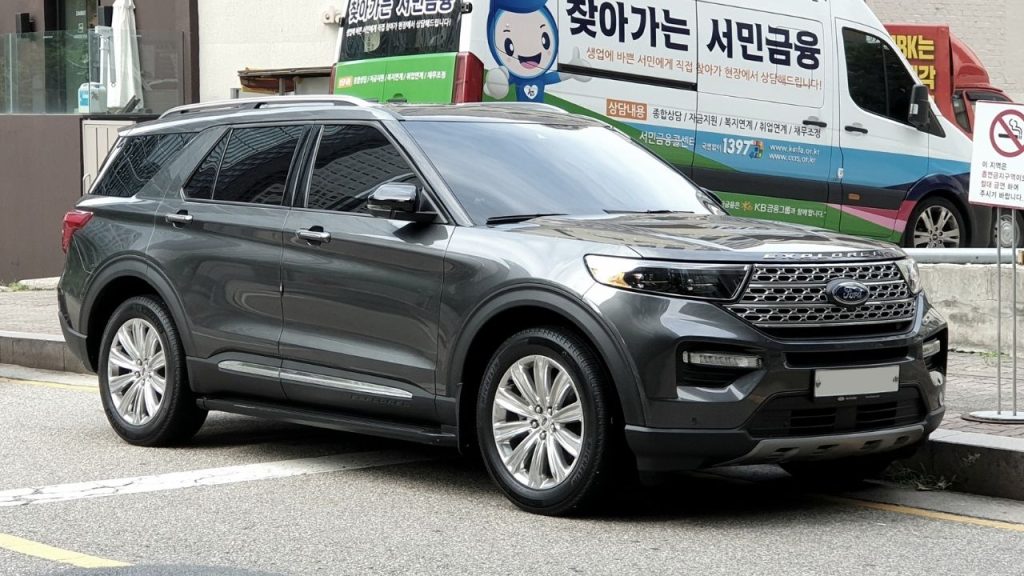
The wiper system itself isn’t the story. The story is what happens when it quits during a storm. NHTSA treats a wiper issue as a full safety recall because it can turn rain into a visibility emergency. Ford has confirmed no crashes or injuries linked to the defect as of the recall filing. Nearly 605,000 vehicles. A basic component. A federal campaign. That combination should shatter the assumption that recalls only happen for fires and engine failures. Non-powertrain parts can trigger massive nationwide actions. One simple part, failing at the wrong second, erases a driver’s ability to react.
How the System Works
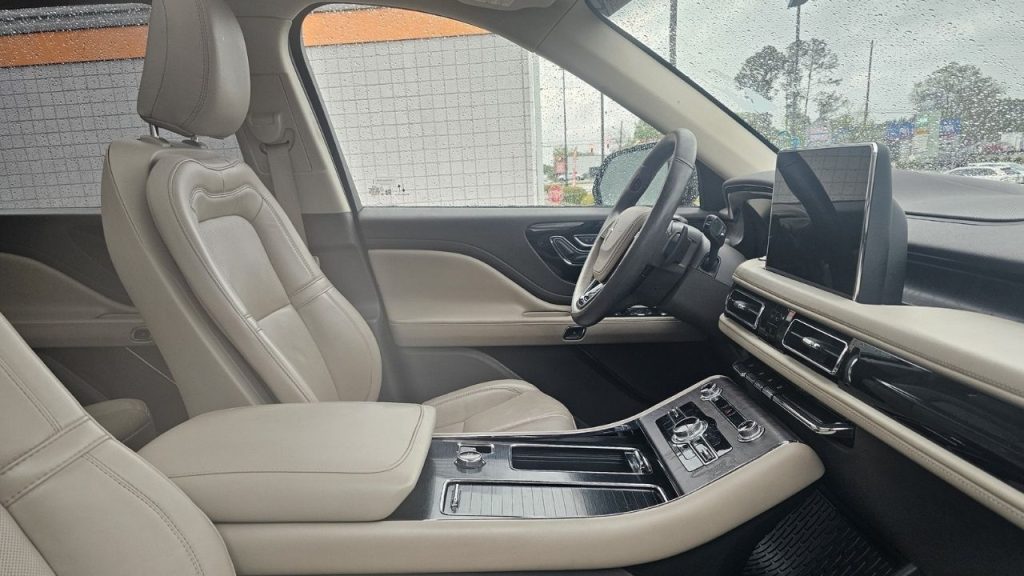
NHTSA’s recall infrastructure works like a public ledger. Every campaign gets documented. Every manufacturer filing becomes part of the record. Ford’s recall documents are accessible through NHTSA’s manufacturer communications pathways. Think of it as glasses randomly fogging mid-drive: the car still runs, but steering safely becomes impossible. The system identifies the problem. The system publishes the problem. The system does not, however, fix the problem. That last step belongs entirely to the person holding the keys.
The Scale of the Problem
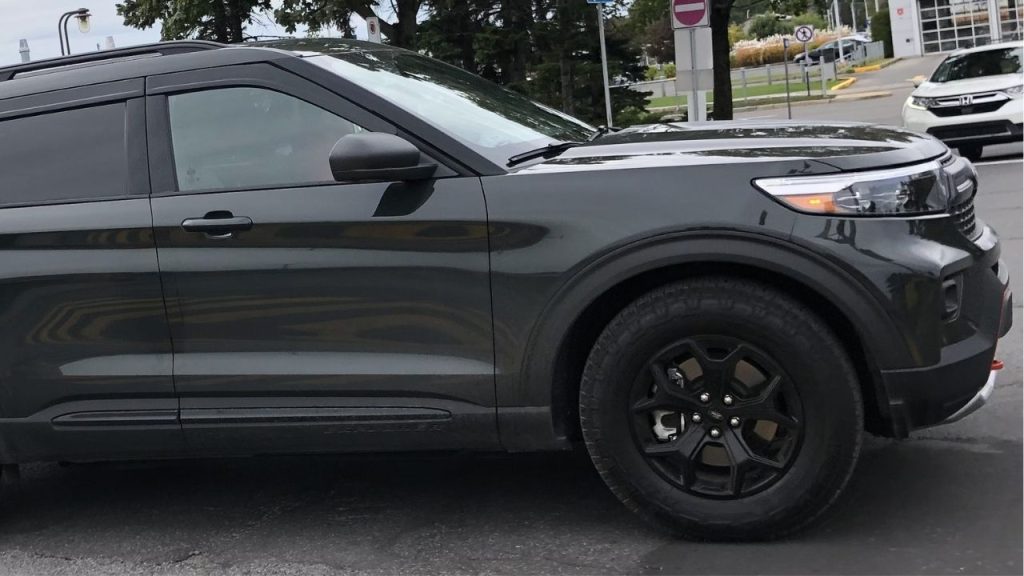
Nearly 605,000 vehicles in the United States. Each affected vehicle contains one wiper motor assembly, meaning 604,533 individual motor components are potentially compromised. Every one of those vehicles is VIN-specific, meaning the recall isn’t a blanket warning. Inclusion depends on your exact vehicle. NHTSA’s lookup tools let owners punch in a VIN and get a direct answer. That specificity is the system working. But specificity also means a headline won’t tell any individual driver whether their Ford is on the list.
The Real Cost of Waiting
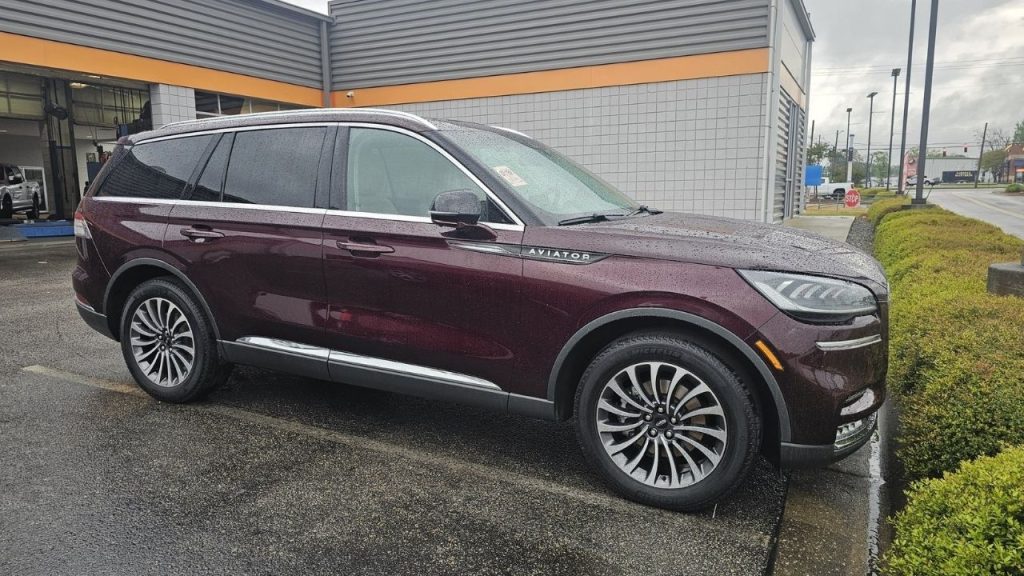
Owners who check their VINs and find a match face the next bottleneck: scheduling. Dealer service bays absorb recall-driven demand on top of regular maintenance, creating appointment pressure that can stretch timelines. The remedy is free, but the time cost is real: arranging transportation, waiting for parts, losing a vehicle for hours or days. Meanwhile, owners who ignore the notice and drive in severe weather become the population most exposed to the visibility hazard NHTSA already identified.
A Shift in Safety Thinking
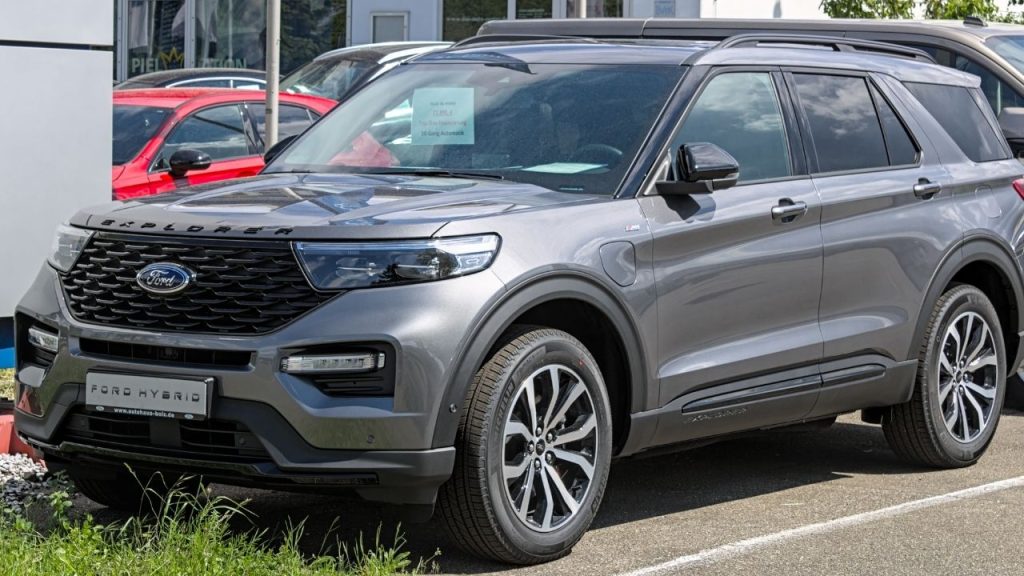
This recall reinforces a precedent that keeps expanding: non-powertrain components can trigger campaigns covering hundreds of thousands of vehicles. That reframes how drivers should think about safety. The old mental model sorted recalls into “serious” (engines, airbags) and “minor” (everything else). A 605,000-vehicle wiper campaign demolishes that sorting. Once you see it, the logic is inescapable. Recalls don’t fix cars. Owner behavior does. The campaign exists. The protection only arrives after the VIN check and the completed repair.
What Happens Next
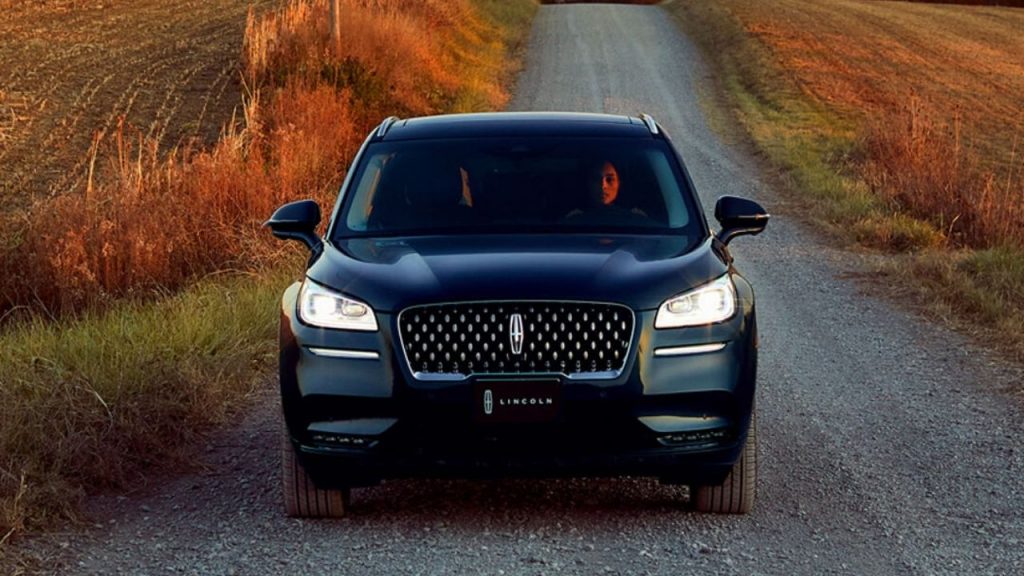
If incidents tied to the wiper defect emerge after the recall posts, NHTSA can expand the scope through amended campaigns. That escalation path means today’s 605,000 number isn’t necessarily the ceiling. Automakers, including Ford, have been pushing VIN-lookup tools and digital notifications to boost completion rates, because every unrepaired vehicle is a liability sitting in someone’s driveway. The recall is live. The clock is running. And every rainstorm between now and a completed fix is a window of exposure nobody should ignore.
The Choice Is Yours
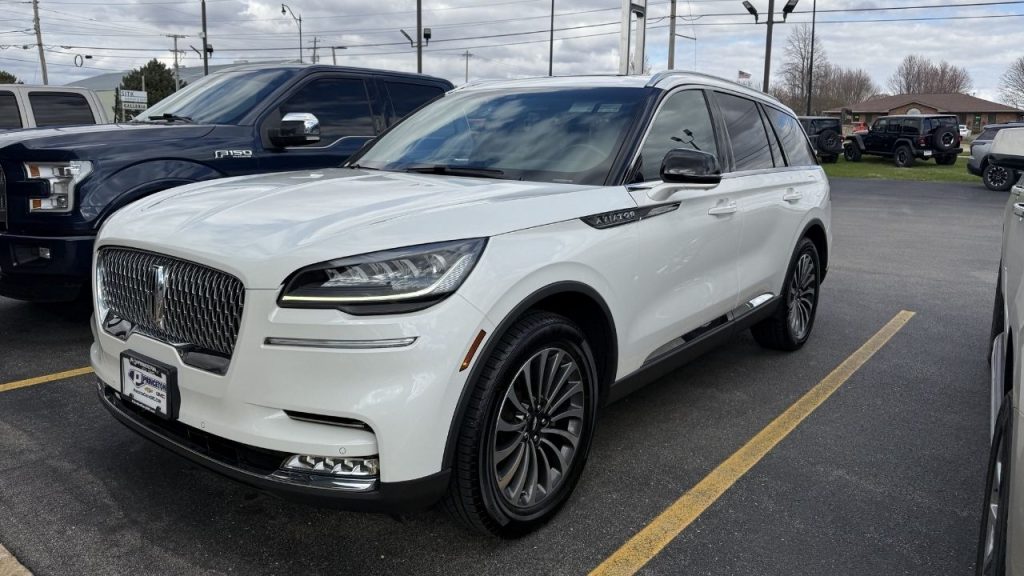
The person who checks their VIN today becomes the person who doesn’t white-knuckle through the next downpour wondering if the wipers will hold. NHTSA’s SaferCar app and recall lookup page give a direct answer in seconds. That’s the status upgrade most drivers skip: verifying by VIN, not by headline. Ford posted the campaign. NHTSA published the records. The only piece missing is 605,000 owners deciding the fix matters before the next storm decides for them.
Sources:
“Ford to recall nearly 605,000 vehicles in US over windshield wiper issue, NHTSA says.” Reuters, 5 Mar 2026.
“Part 573 Safety Recall Report, NHTSA Campaign Number 26V117.” National Highway Traffic Safety Administration, 2 Mar 2026.
“Ford and Lincoln SUVs recalled to fix windshield wipers.” Consumer Reports, 5 Mar 2026.
“Ford recalls more than 600,000 vehicles over wiper defects, affected models.” LiveNOW from FOX, 5 Mar 2026.