Ford Recalls 604K SUVs After Calling Same Wiper Defect ‘Low Risk’ For 4.5 Years
Picture a two-lane road in a downpour. Wipers slapping steadily, then stuttering. Then nothing. No warning light, no gradual fade. Just a windshield turning into a wall of water at 60 miles per hour. That scenario is now a documented possibility for owners of 604,533 Ford and Lincoln SUVs sold across the United States. The defect inside those wiper motors has existed since the vehicles rolled off assembly lines. Ford knew about it before most owners made their first oil change appointment.
Family Haulers
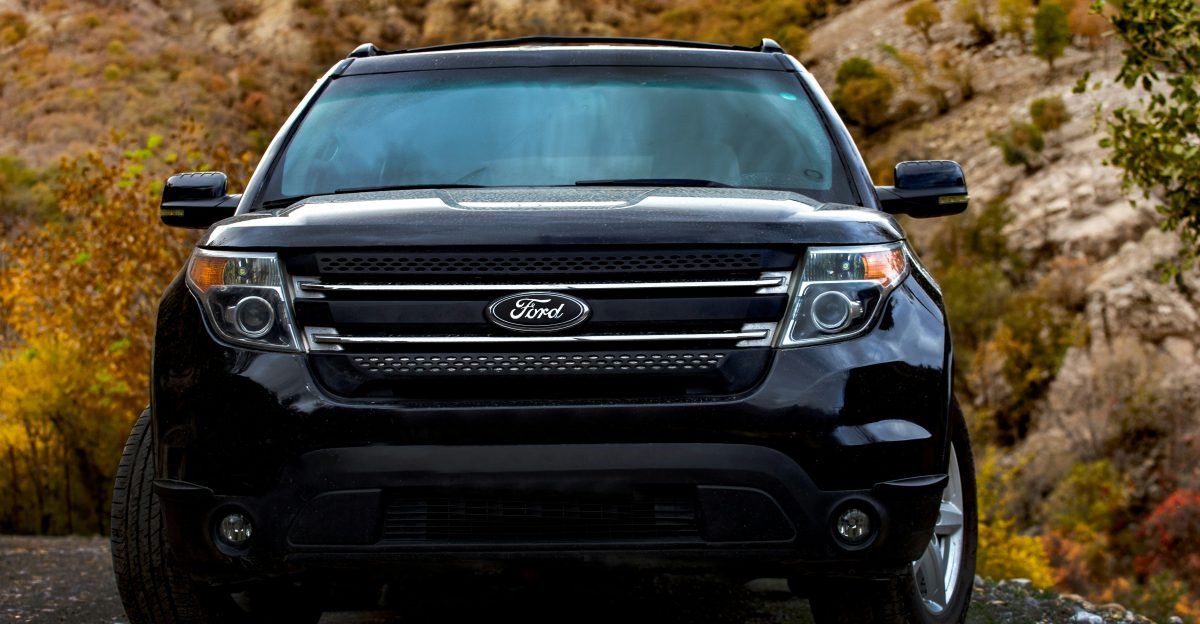
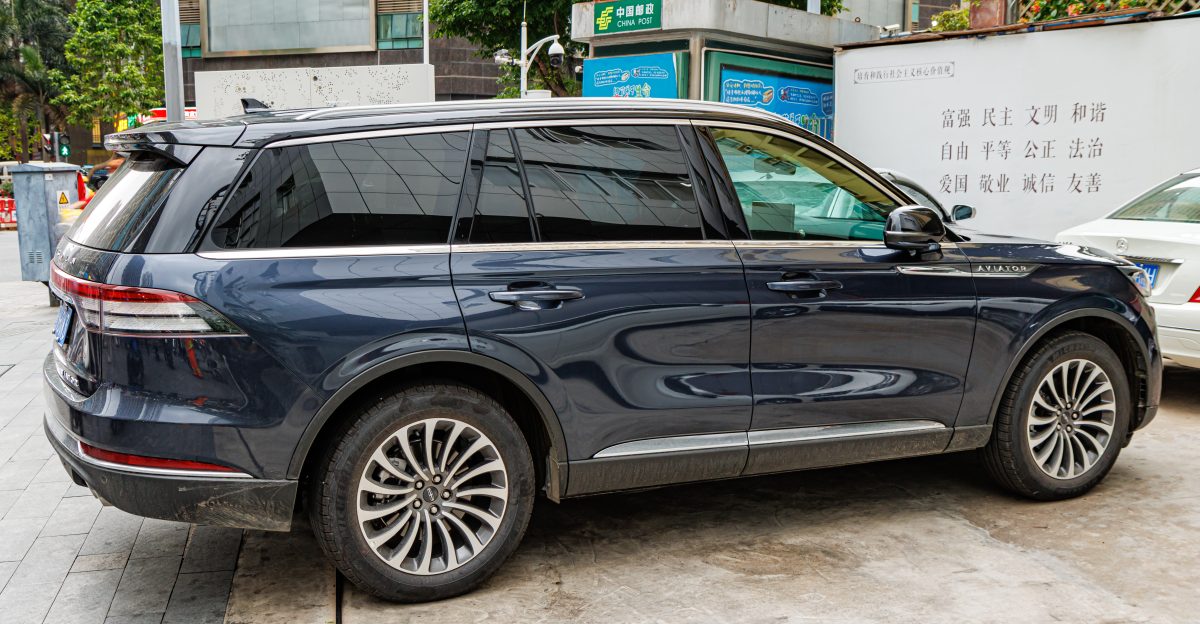
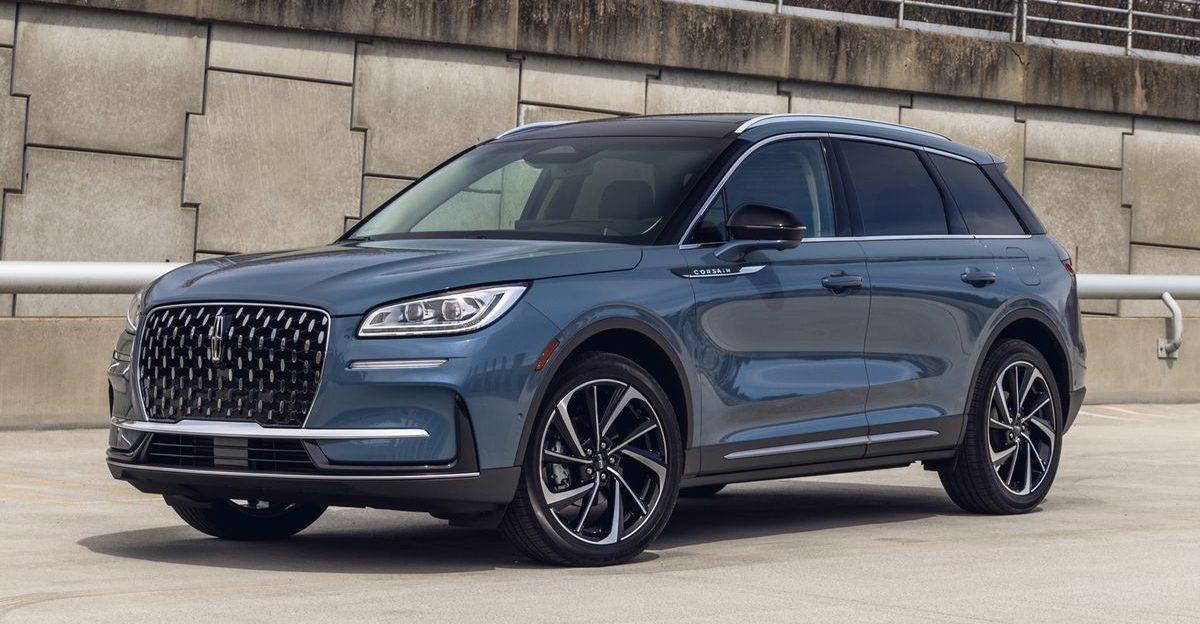
The affected models read like a suburban driveway census: 2020–2022 Ford Explorer, Ford Escape, Lincoln Aviator, Lincoln Corsair. Four of the most popular family SUVs in America were all manufactured between July 6, 2020, and December 15, 2021. Inside each one sits a Valeo-manufactured wiper motor, with the cover terminal slightly misaligned against the brush card terminal. That tiny gap creates a poor electrical connection that degrades over time, leading to intermittent wiper failure before progressing to a complete shutdown.
Early Warning
Ford’s Critical Concern Review Group opened a formal investigation on June 17, 2021, after warranty claims flagged the problem. Three months later, on September 28, 2021, the group closed the case. Their conclusion: the condition “did not pose an unreasonable risk to motor vehicle safety,” supported by a “low projected occurrence rate.” Vehicles stayed on the road. Owners never got a letter. Ford’s analysis was a statistical forecast built on optimistic assumptions.
The Reversal
On November 18, 2025, Ford reopened the identical investigation it had buried. The trigger: an “increased rate of occurrence,” the exact outcome the 2021 projections said was unlikely. By February 2026, Ford had logged 1,374 warranty claims for inoperative or intermittent wipers. Four and a half years of real-world data had overruled three months of modeling. The defect didn’t change. The terminals didn’t shift. Ford’s confidence did.
Broken Model
The failure pattern exposes how Ford decides what’s dangerous. The CCRG projects future occurrence rates from early warranty data, then bets those rates hold. When the 2021 numbers looked manageable, Ford closed the file. When years of heat cycles, vibration, and electrical stress pushed misaligned terminals past their tolerance, the claims piled up. Ford doesn’t catch defects before they multiply. It waits for the complaint pile to get tall enough to see from the executive suite.
The Numbers
The estimated defect rate is approximately 1% of the recalled fleet—roughly 6,054 vehicles with a safety-critical component that is already failing or is ready to fail. NHTSA states inoperative wipers “may result in reduced visibility, increasing the risk of a crash.” Ford reports zero crashes, zero injuries, and zero deaths tied to this defect. Zero incidents across 6,000-plus failing vehicles and four years of storms is either vindication or extraordinary luck.
Dealer Gridlock
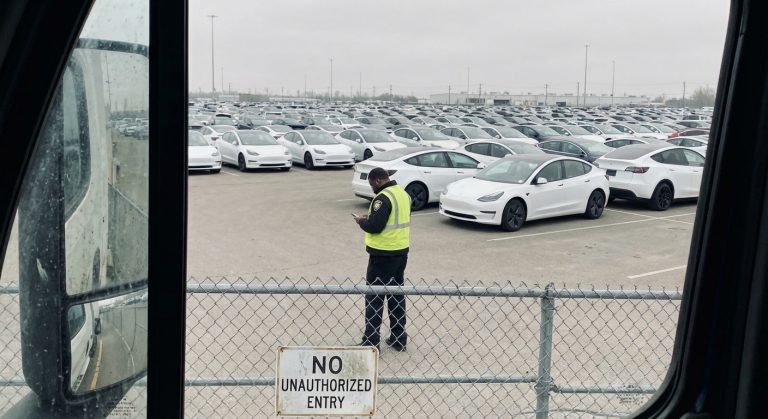
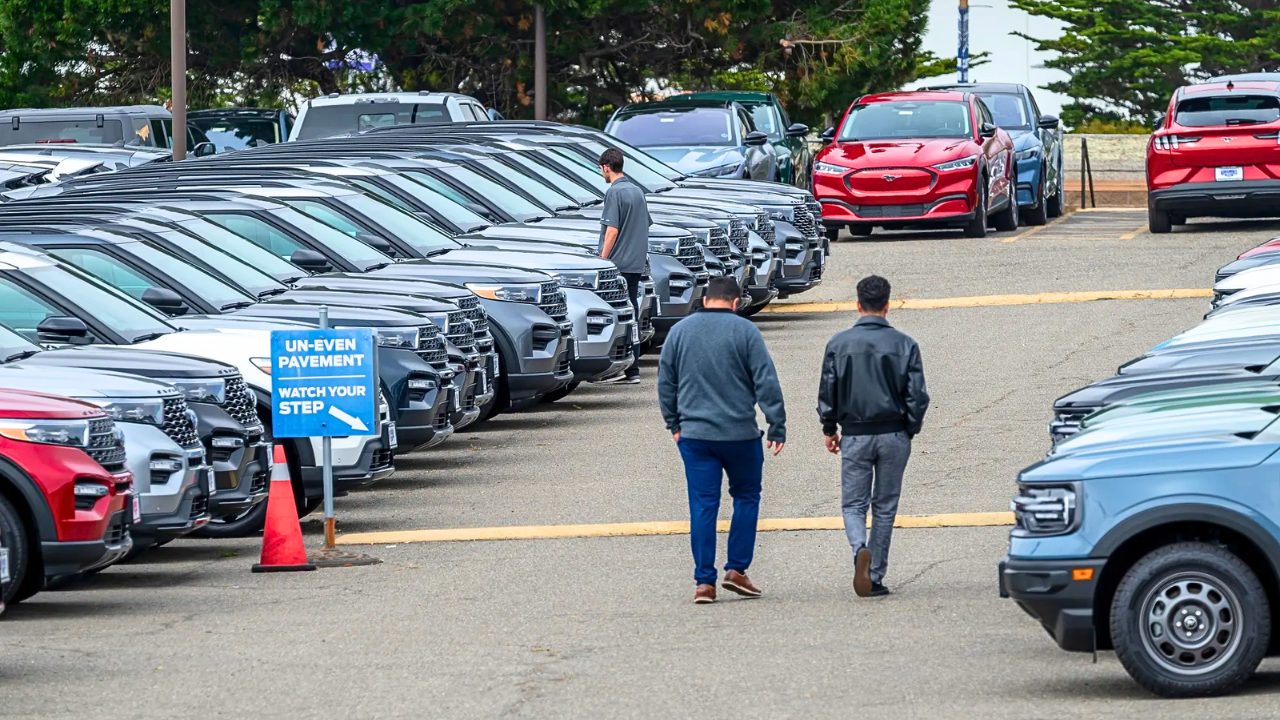
Ford notified dealers on March 4, one day before the public announcement. Federal law prohibits those dealers from delivering any in-stock vehicles covered by the recall until repairs are completed. Replacement parts won’t arrive until May 11–15. That creates a two-month window in which lots hold unsaleable inventory, and 604,533 owners drive vehicles Ford has officially labeled defective. Owners receive interim letters between March 9 and 13 explaining that the problem exists but can’t yet be fixed.
The Pattern
This recall is Ford’s largest single announcement of 2026 by unit count. It follows a 2025 in which Ford issued 152 separate recalls, the highest total of any major automaker in history, shattering GM’s 2014 record of 77. That volume reveals a systemic pattern: close investigations on optimistic projections, then reopen them years later when field evidence becomes undeniable. Once you see that pattern, every future Ford recall reads differently—not as a fix, but as an admission the forecast was wrong again.
Liability Window
The two-month gap between the announcement and the remedy is where legal exposure lies. If a weather-related accident involves a recalled vehicle with confirmed wiper failure before May, plaintiff attorneys will point to Ford’s 2021 decision to close the investigation. The company deployed AI-powered inspection tools across 27 plants in 2025, but that initiative launched after this defect had been circulating for four years. The technology arrived too late to catch the problem it was built to prevent.
What Owners Know
A recall doesn’t mean the automaker caught the problem. It means complaints got loud enough. Ford bet on a low occurrence rate in 2021 and lost that bet across 1,374 documented failures. The stock dropped 3.6% on announcement day, falling from $12.81 to $12.35. The question now: will Ford audit every investigation it closed between 2021 and 2025, or wait for the next pile of warranty claims to force its hand again?
Sources:
NHTSA Part 573 Safety Recall Report 26V117, March 3, 2026
Reuters, “Ford to recall nearly 605,000 vehicles in US over windshield wiper issue,” March 5, 2026
Fox Business, “Ford recalls more than 615,000 vehicles over wiper, driveshaft defects,” March 4, 2026
TFLCar, “Ford Recalls 604,000 Explorer, Escape, Lincoln Corsair and Aviator,” March 4, 2026
ConsumerShield, referenced for recall volume and pattern claims
MarketBeat, referenced for stock price data, March 5, 2026