Ford Opened Tesla’s Cars And Discovered Manufacturing Secret Worth Billions—’We Designed Cars Wrong’
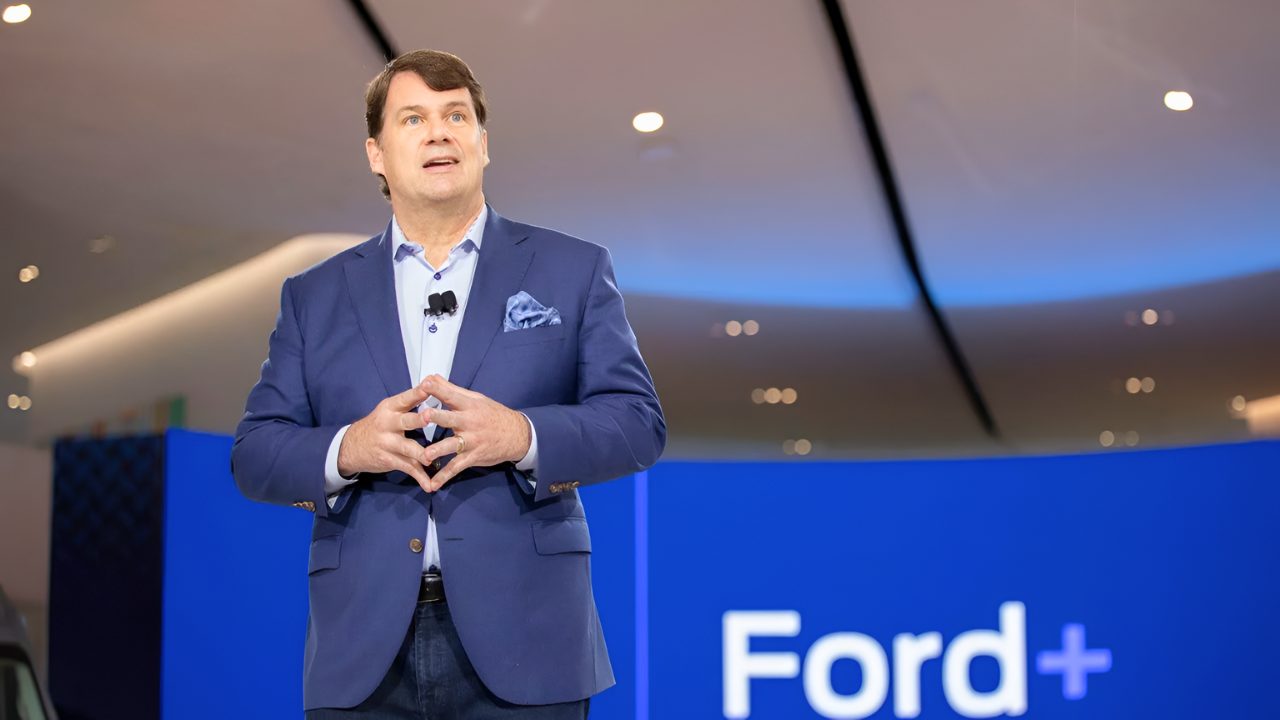
When Ford CEO Jim Farley sent his team to tear down a Tesla Model 3, the exercise was supposed to be routine competitive benchmarking. It wasn’t. Farley said he was “absolutely flabbergasted” by what they found inside, and in a recent interview, he admitted the teardown forced Ford to confront a painful truth about its own electric vehicles.
The wiring harness in Ford’s Mustang Mach-E weighed 70 pounds more and was 1.6 kilometers longer than Tesla’s. That single discovery unraveled years of assumptions about how Ford builds cars, and kicked off a reckoning that’s still playing out across Dearborn.
The Mach-E’s Wiring Harness Was a Mile Too Long
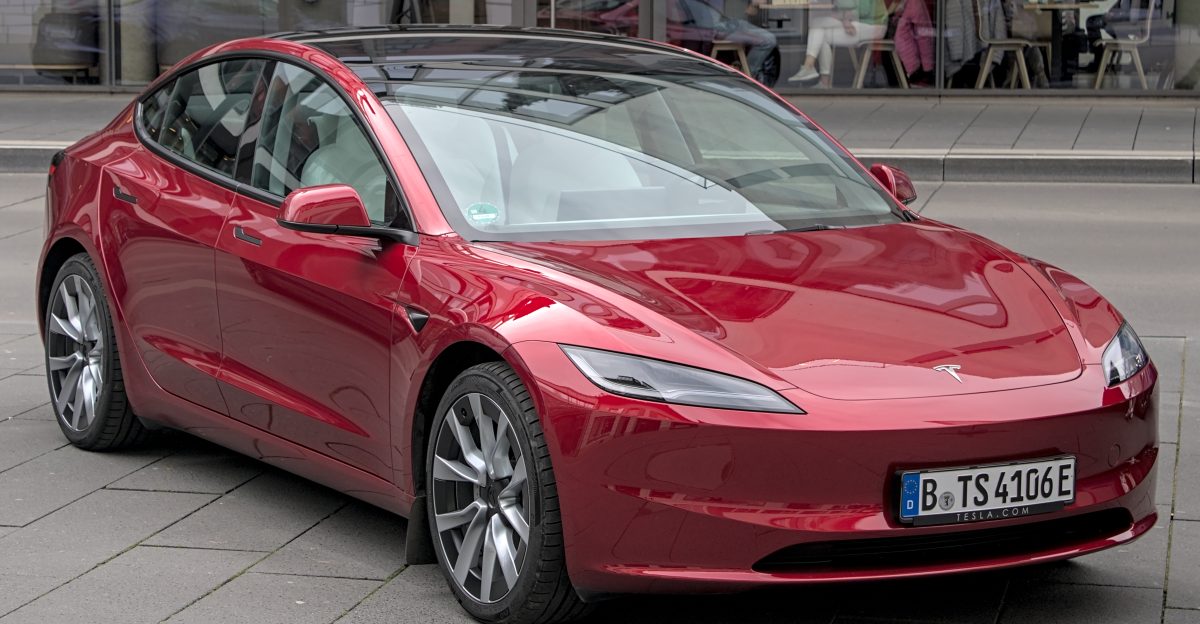
The numbers hit like a slap. Ford’s engineers pulled the guts out of a Tesla Model 3 and laid its wiring harness next to the Mach-E’s. The difference: 1.6 kilometers of extra wiring and 70 pounds of dead weight. That extra bulk forced Ford to install a bigger, heavier, costlier battery just to haul the wiring around, adding roughly $300 per battery in costs alone.
Tesla had designed its electrical architecture from scratch, consolidating systems and eliminating redundancy. Ford had grafted electric components onto a combustion-engine mindset, and it showed in every inch of copper wire.
‘We Hadn’t Designed the Cars Right’

Farley didn’t mince words. “I guess it didn’t take us long to learn that our internal-combustion-engine prejudice was so high that we hadn’t designed the electric cars right,” he said. The CEO described a baked-in engineering bias—Ford’s teams had approached EVs the same way they’d built gas trucks for a century.
Tesla’s engineers “had no prejudice,” Farley said. “We had prejudice”. It’s a rare admission from the head of a 123-year-old company: the way we’ve always done it was the problem.
Tesla Didn’t Just Build a Better Car—It Built a Better Factory
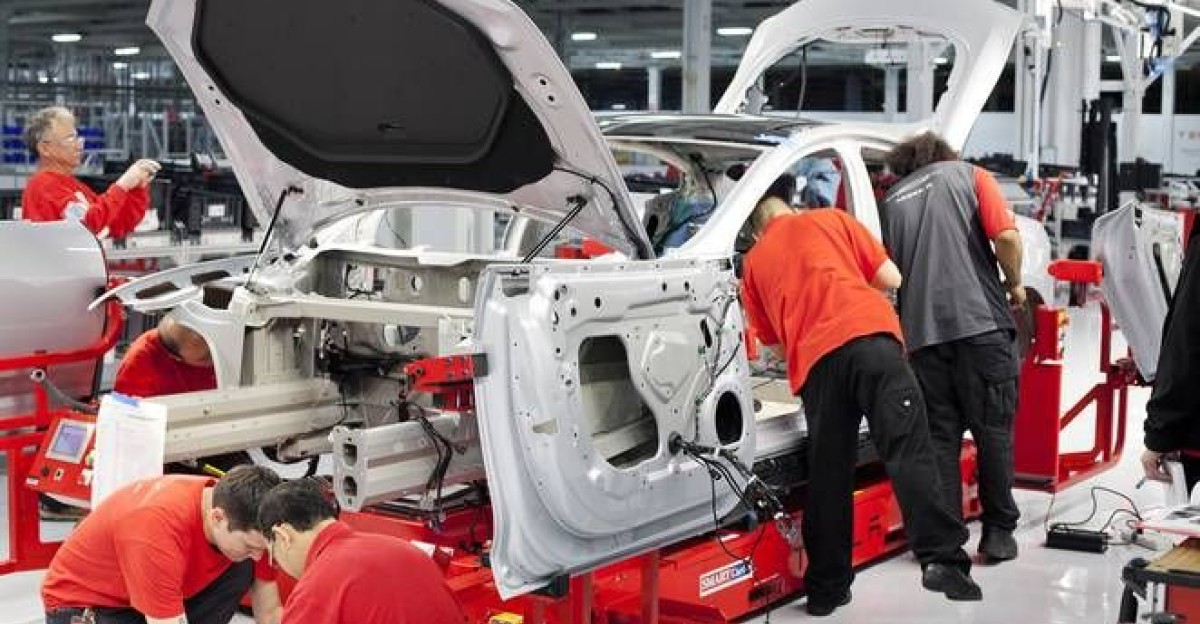
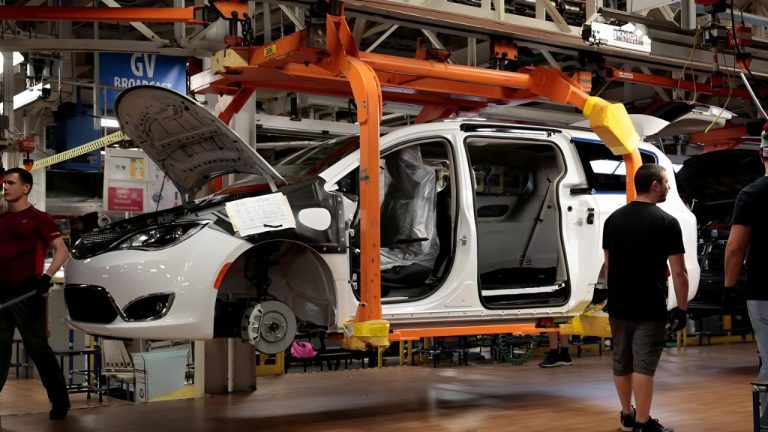
The real lesson from the teardown wasn’t about screens or software. Tesla’s advantage lies on the factory floor. The company pioneered gigacasting, using massive die-cast machines to replace dozens of stamped metal parts with two large aluminum castings in the Model Y’s underbody.
Munro & Associates’ teardown found those castings eliminated roughly 1,600 spot welds per vehicle, slashing labor, tooling, and quality-control costs in one stroke. Elon Musk has said repeatedly that “the machine that builds the machine” matters more than the machine itself. Ford’s teardown proved him right.
Ford’s EV Division Has Burned Through $16 Billion
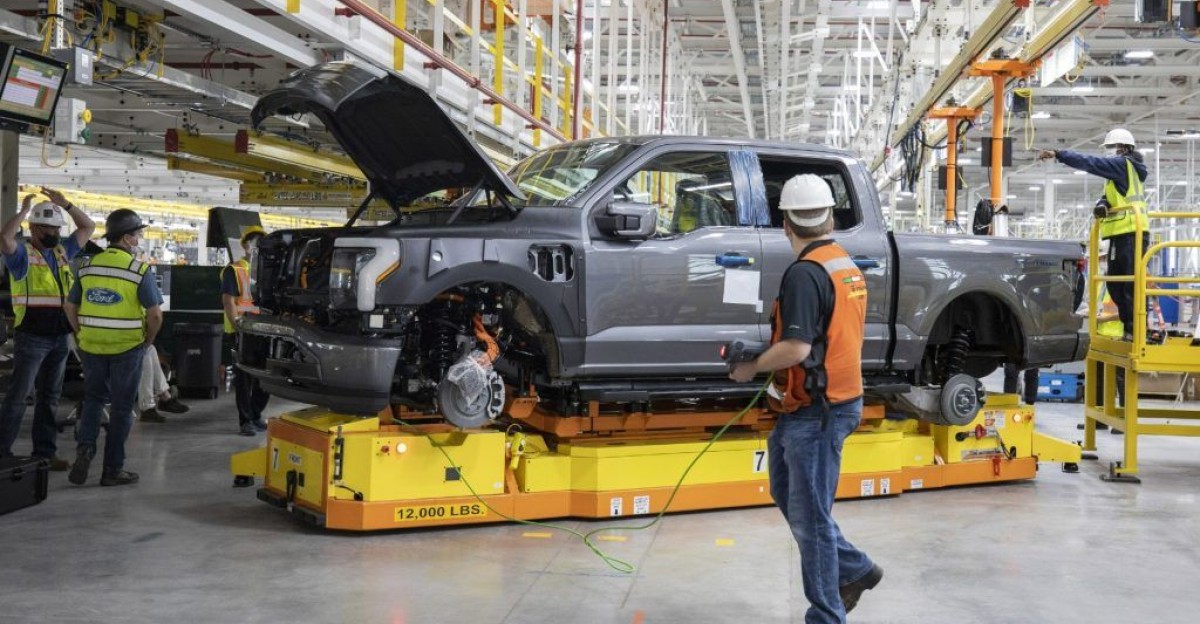
The cost of learning late is measured in billions. Since Ford created its Model e division in 2022, the EV unit has hemorrhaged more than $16 billion in operating losses. The bleeding accelerated: $2.2 billion in 2022, $4.7 billion in 2023, $5.1 billion in 2024, and $4.8 billion in 2025.
In Q1 2024 alone, Ford was losing roughly $132,000 on every electric vehicle it sold. CFO Sherry House told investors the company doesn’t expect to hit EV breakeven until around 2029.
The F-150 Lightning Got Pulled Off the Field
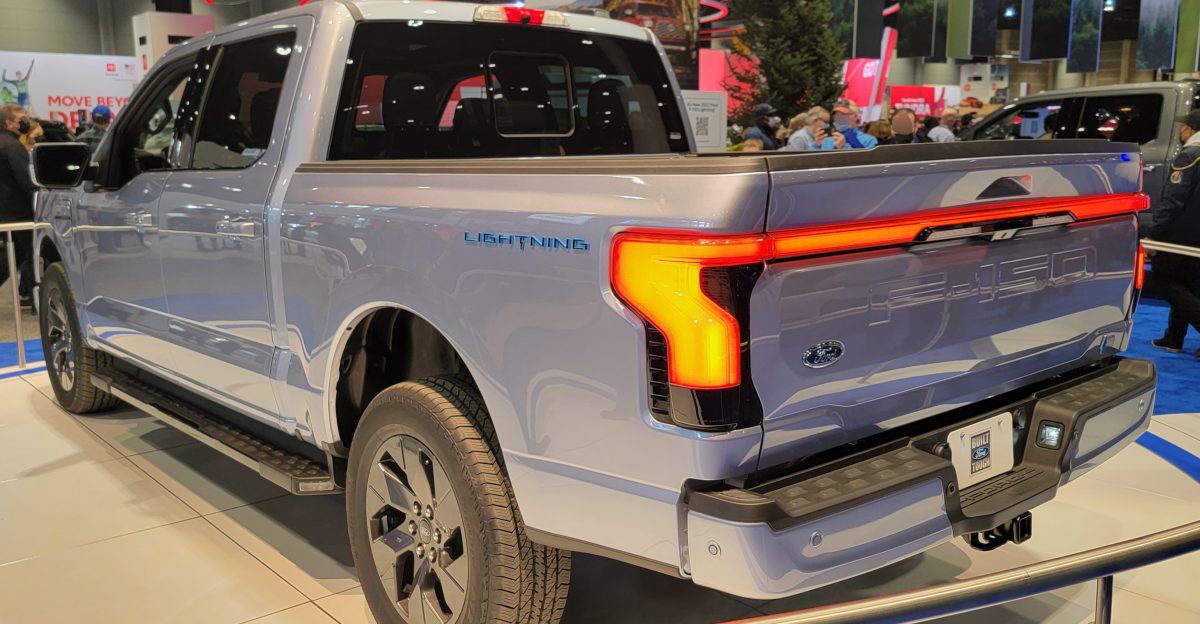
Ford didn’t just absorb those losses quietly. In December 2025, the company discontinued the all-electric F-150 Lightning after a three-year production run. The truck that once headlined Ford’s EV future, launched to fanfare and strong early reviews, couldn’t be built at a price customers would pay.
Ford also scrapped plans for a next-generation electric pickup in Tennessee and canceled an electric commercial van. The Tennessee Electric Vehicle Center at BlueOval City was renamed the Tennessee Truck Plant. It will build gas-powered trucks instead.
The Price War Nobody Can Afford to Lose
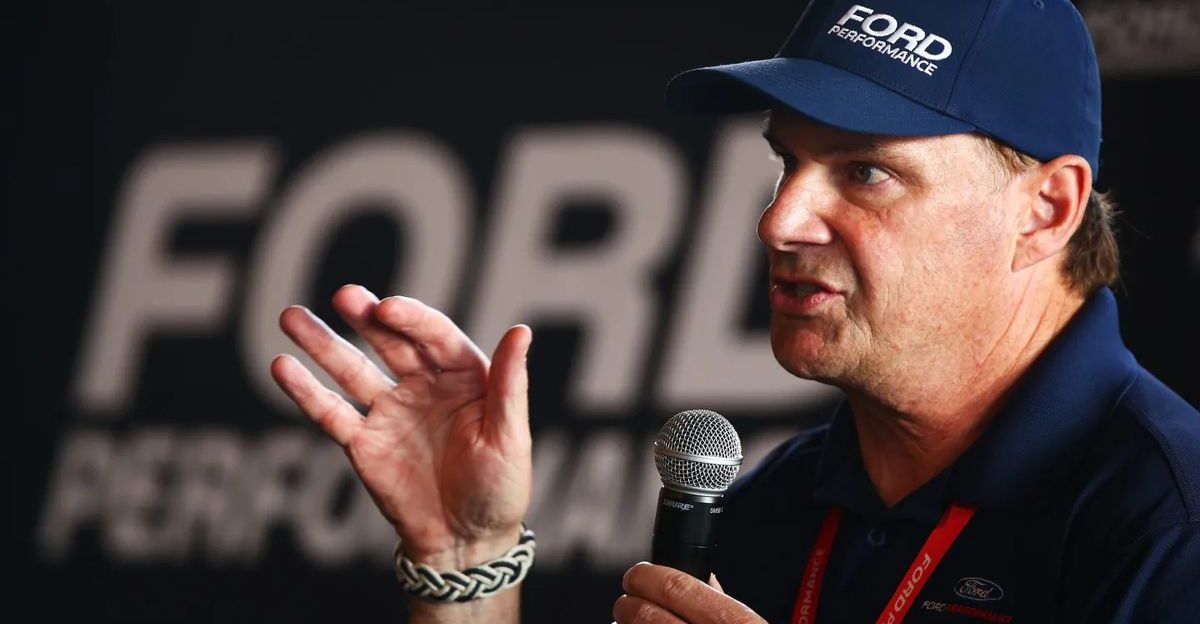
Farley saw this pressure coming. Back in 2023, he warned that Tesla’s aggressive price cuts would spark a full-blown EV price war. “Price wars are breaking out everywhere,” Farley said at an industry event. Tesla could cut prices and still turn a profit. Legacy automakers couldn’t.
Ford slashed the Mach-E’s price by up to $8,100 in early 2024, and sales climbed about 27 percent year over year, but every sale deepened the loss. That’s the trap: you can’t sell your way to profitability when each unit ships underwater.
The Real Gap Isn’t Batteries—It’s Architecture
Strip away the hype, and the EV competition reduces to one question: who can build the cheapest? Tesla’s advantage isn’t a single technology; it’s an integrated system. Fewer parts. Shorter wiring. A centralized computing architecture that replaces the traditional distributed ECU setup with domain controllers, drastically reducing wiring complexity.
Gigacast underbodies that eliminate hundreds of parts and over a thousand welds. Vertical integration from batteries to sales. Ford’s teardown revealed that copying Tesla’s features is easy. Copying its cost structure takes a platform redesign that can consume an entire product cycle.
Ford’s Clean-Sheet Gamble
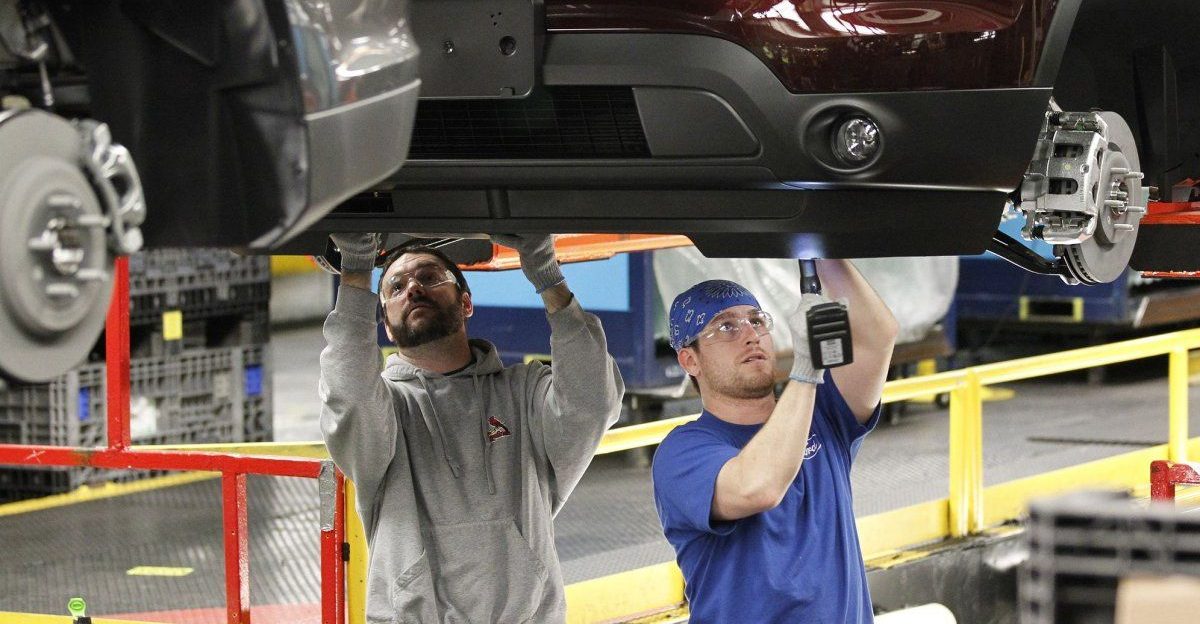
Farley isn’t standing still. Ford is developing a new Universal EV Platform, targeting a midsize electric pickup priced around $30,000 with production starting in 2027 at the Louisville Assembly Plant. The company is investing in LFP battery production in Marshall, Michigan, and has brought in engineers outside the legacy mold to staff its next-gen EV work.
Farley has essentially told his teams to start over with a clean sheet of paper. “Henry Ford would’ve been insanely bored over the last 100 years at Ford,” Farley said. “But if he came back now, he’d be up all night”.
The Factory Game Disguised as a Car Game
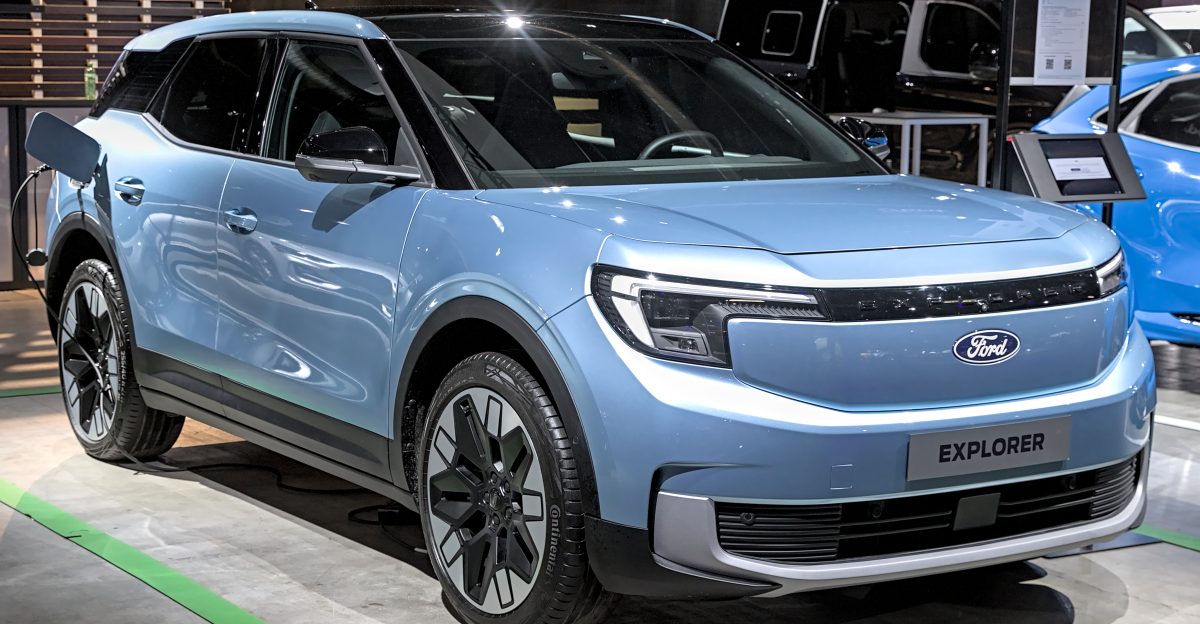
Here’s what the teardown really proved: the EV war won’t be won by the best-looking vehicle or the slickest touchscreen. It’ll be won by whoever builds the cheapest good car at scale. Ford’s CEO looked inside a competitor’s product and realized his company had been playing the wrong game entirely … designing for features when manufacturing architecture decides the winner.
With $16 billion in EV losses behind it and a 2029 breakeven target ahead, Ford is betting everything on a do-over. The clock is running. The price war doesn’t wait for redesign cycles.
Sources
Ford CEO Jim Farley ‘Absolutely Flabbergasted’ After Ripping Apart a Tesla — Car and Driver
Ford CEO Admits He Realized He’d Done EVs Wrong After Ripping Apart a Tesla — Supercar Blondie
Ford Admits Its EV Division Will Keep Burning Billions for Years — Carscoops
Ford’s $19.5 Billion EV Writedown: Five Things to Know — Reuters
Ford Pulls the Plug on the All-Electric F-150 Lightning Pickup Truck — NPR
Ford Says Electric Vehicle Losses Will Continue for 3 More Years — The New York Times