Ford Loses $11.1B After Recalling 7 Million Vehicles—75% of Every Recall in America Is Ford
Somewhere in a dense stretch of city traffic, a brand-new Lincoln Navigator’s rearview screen goes black. No camera. No blind-spot warning. No pre-collision assist. Every advanced safety system on the vehicle, gone simultaneously, triggered by the one driving condition those systems were built to handle. The SUV cost north of $75,000. The software module that failed cost Ford its credibility. And the 339,619 vehicles carrying that same defect were still rolling off lots while Ford’s internal safety team sat on the problem.
The Recall Nobody Saw Coming
Ford recalled up to 339,619 SUVs on March 25, 2026, covering the 2025 Explorer, 2025 Lincoln Aviator, 2024-2025 Nautilus, and 2022-2025 Navigator. The culprit: an Image Processing Module that suffers computational overload when tracking high volumes of moving objects in dense pedestrian and vehicle traffic. One module crashes, and the rearview camera, lane-keeping assist, blind-spot monitoring, and pre-collision assist all vanish at once. No redundancy. No backup. Lincoln Navigator sales had surged 42.8% in 2025, the brand’s best year since 2007, and those buyers had no idea what was lurking under the hood.
A Record Nobody Wanted
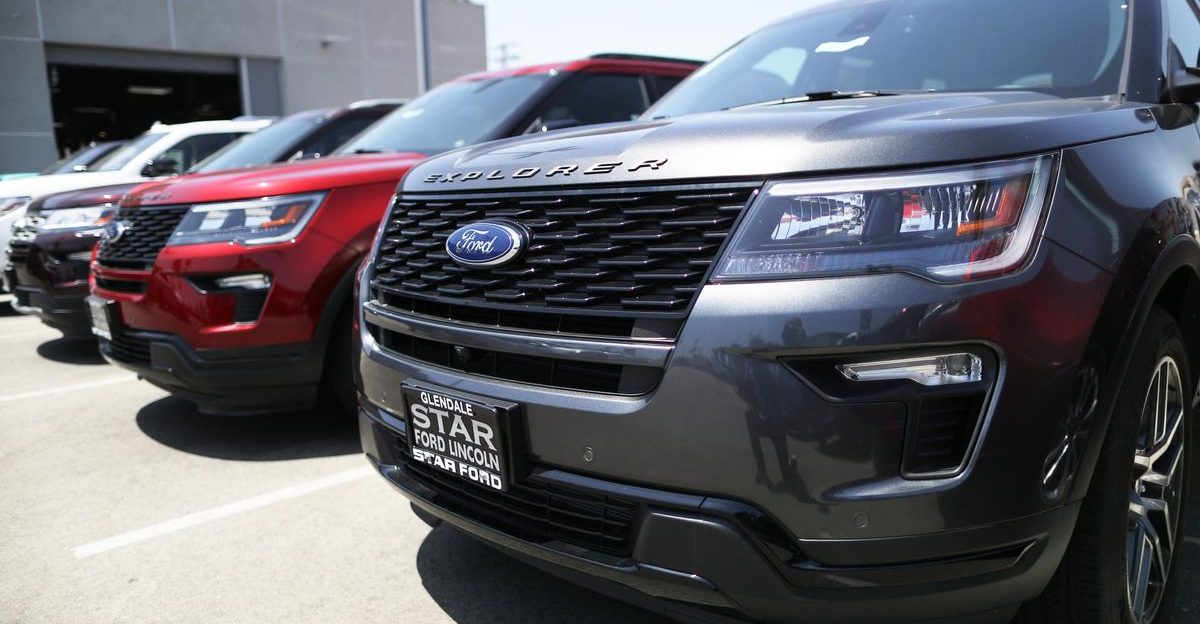
This recall landed inside a storm. Ford issued 153 recalls in 2025, shattering the previous all-time industry record of 77, set by General Motors in 2014. Not edged it. Doubled it. Ford then continued that pace into 2026, issuing at least 17 recalls in the first 62 days of the year. The assumption most people carried, that federal safety mandates and modern ADAS technology made new cars reliably safe, was cracking. Ford had even paid employee bonuses for “initial quality” improvements while those recalls piled up. The gap between messaging and reality was about to blow wide open.
Eleven Months of Silence
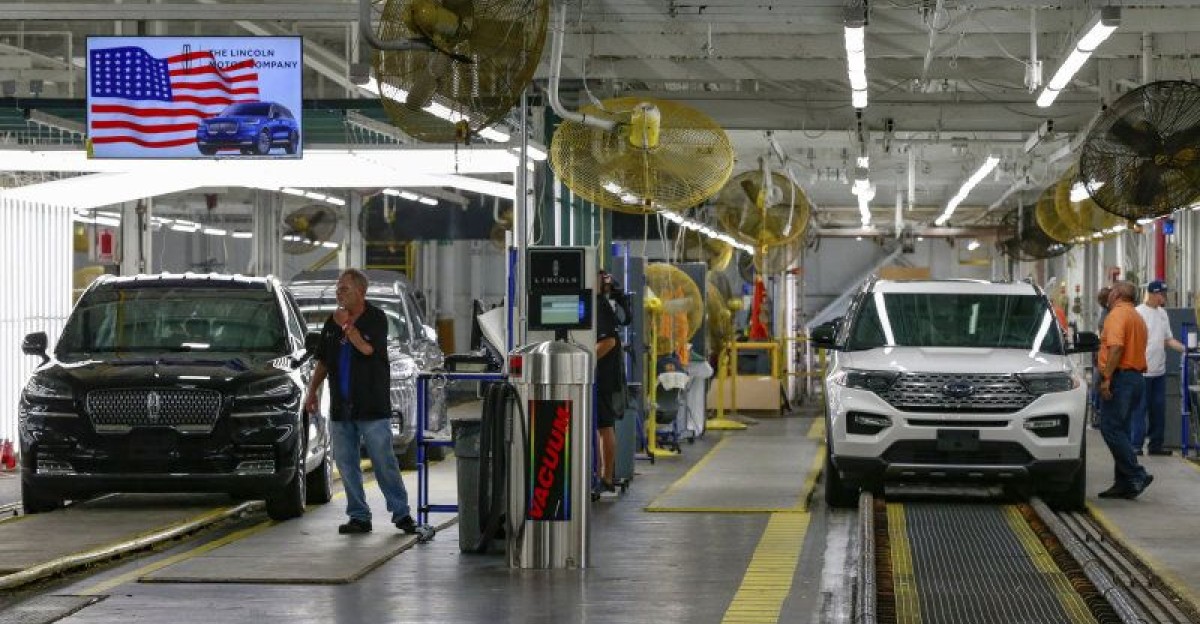
Ford’s Critical Concerns Review Group flagged the IPMA defect on March 20, 2025. By April 3, 2025, the group concluded it posed no unreasonable safety risk. Production continued through July 2025. The investigation sat dormant until March 9, 2026, when NHTSA discussions forced Ford to reopen it. Eleven months. Vehicles built, sold, and driven with disabled safety systems in the exact urban environments where those systems matter most. Ford filed the manufacturer report on March 18. Owner letters began March 30. That timeline alone rewrites what “proactive safety” means at Ford.
The System That Ate Itself
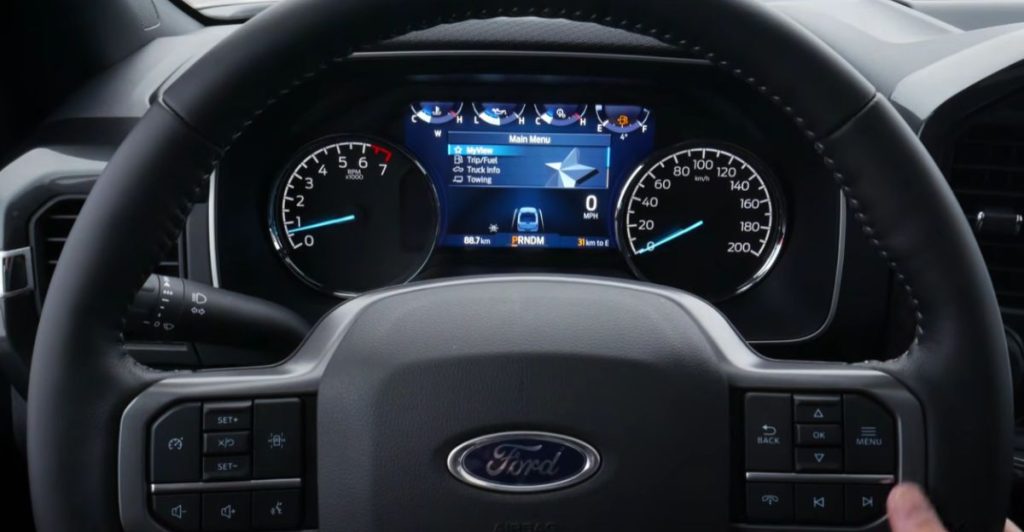
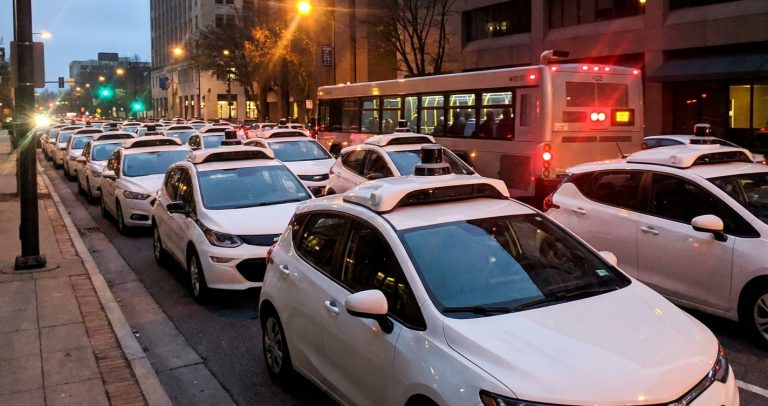
The IPMA module controls the camera, pre-collision assist, lane-keeping, and blind-spot monitoring through a single computational pathway. When it overloads, everything fails together. That architecture reveals something Ford’s marketing never mentioned: there is no redundancy across critical safety functions. The 2018 federal backup camera mandate reduced backover fatalities among children under five by 78%. Ford built a system that can undo that protection with one software crash. Livery and chauffeur drivers, who operate in dense traffic for hours daily, have reportedly experienced disproportionate failures. The people who needed the technology most lost it first.
The Numbers That Bury Ford
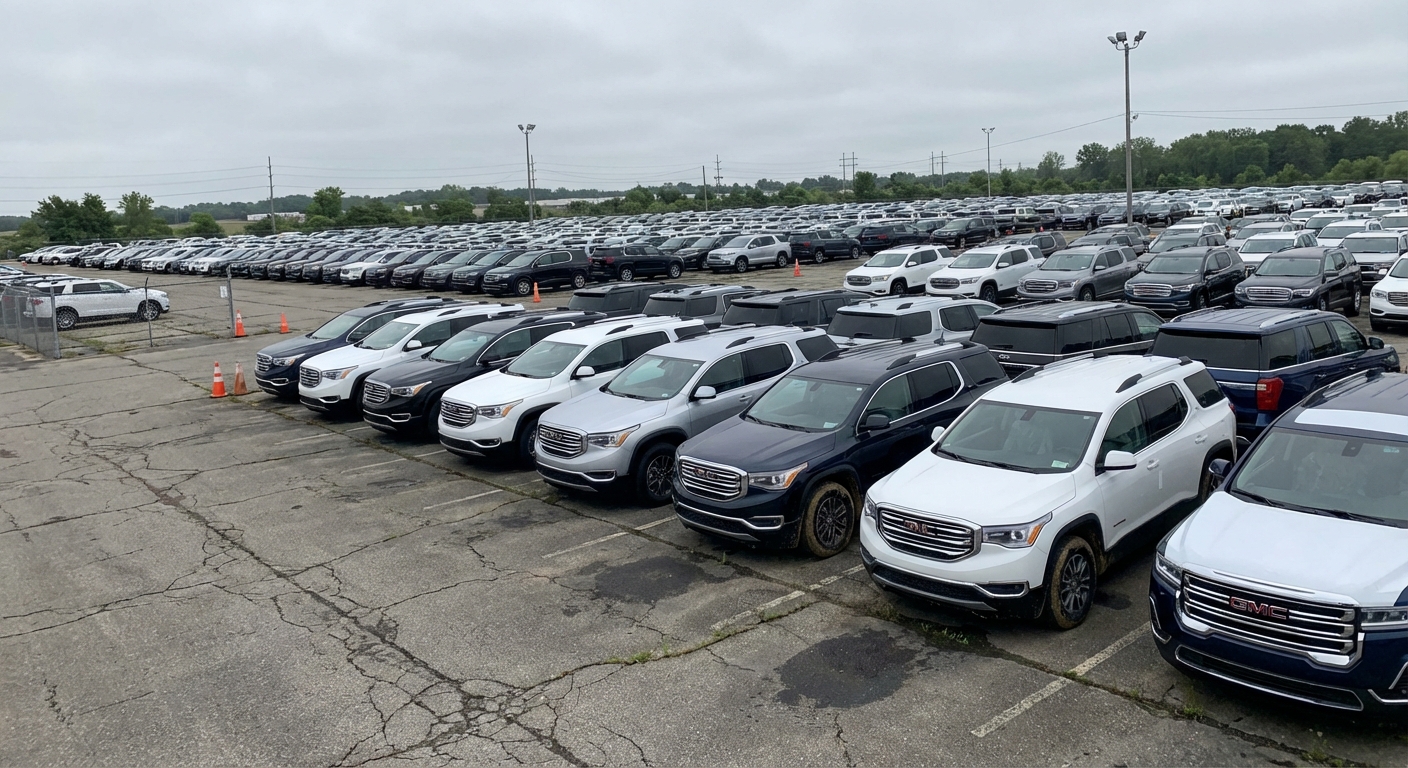
Between January 1 and March 3, 2026, Ford recalled 7.3 million vehicles. That represented roughly 75% of every vehicle recall issued in America during that 61-day window, nearly three times the volume of all other automakers combined. A single Escape and Bronco Sport fuel injector recall in 2025 cost Ford $570 million per SEC filings. Ford has led all major manufacturers in total recall campaigns over recent years. The recall volume wasn’t an outlier. It was the entire chart.
The Financial Wreckage
Ford posted an $11.1 billion net loss in Q4 2025, the company’s worst quarter since the 2008 financial crisis, driven largely by EV-related asset impairments and write-downs. EV sales dropped nearly 15% that same year despite Ford’s strategic bet on electrification. Dealerships now face a flood of free warranty repairs competing with paid service capacity. Affected owners of brand-new 2025 models, the customers whose loyalty Ford needs most, are forming their opinions of the brand right now. Every competitor from Toyota to Tesla gains ground while Ford’s service bays fill with recall work instead of revenue.
The Punchline Ford Didn’t Intend

In late 2025, CEO Jim Farley told investors “That’s the punchline” about customers rejecting Ford’s high-priced EVs. He was acknowledging eroding demand for its electric lineup. What he did not mention: Ford’s own safety team had been sitting on the IPMA defect for months. The real punchline is architectural. One module, zero redundancy, cascading failure in the exact conditions the system was designed for. This isn’t an exception to Ford’s quality trajectory. With 153 recalls in a single year, it looks more like the new rule.
What Comes Next
If the software fix fails to hold, Ford faces second-order recalls requiring hardware replacement. If accident data surfaces from the 11-month gap between identification and disclosure, liability exposure escalates beyond remediation costs. Rideshare and livery operators face potential contract violations while their vehicles run without functioning ADAS. Used-car buyers will discover recall status when VINs become searchable, inheriting problems the original owner never fixed. NHTSA’s willingness to let Ford’s internal team sit on a known defect for 11 months raises its own uncomfortable precedent about regulatory enforcement.
The Question Ford Can’t Software-Update Away
Ford says it will push over-the-air updates and free dealer repairs. Fine. But the deeper problem has no patch. Ford designed safety-critical systems without redundancy, tested them outside the environments where they matter most, and let a known defect sit for 11 months while selling the affected vehicles at record pace. Anyone who reads this story and still believes “advanced safety features” on a spec sheet equal actual protection now understands something most buyers don’t. Ford’s counter-move will be messaging. The recall data suggests the company needs engineering.
Sources:
“Ford Recalls 339,619 SUVs for Issues with Rearview Camera and ADAS Systems.” Car and Driver, 23 Mar 2026.
“Ford’s Recalls: History Repeating Itself in 2026.” Motor Illustrated, 8 Mar 2026.
“Ford’s quarterly earnings miss forecasts, CEO sees stronger year in 2026.” Reuters, 10 Feb 2026.
“Mandate for backup cameras in new vehicles associated with 78% fewer deaths in small children.” MedicalXpress / American Academy of Pediatrics, 25 Sep 2025.