Ford Kills Its Electric F-150 After $13.8B In Losses—Gas Trucks Get 1,000 New Workers Instead
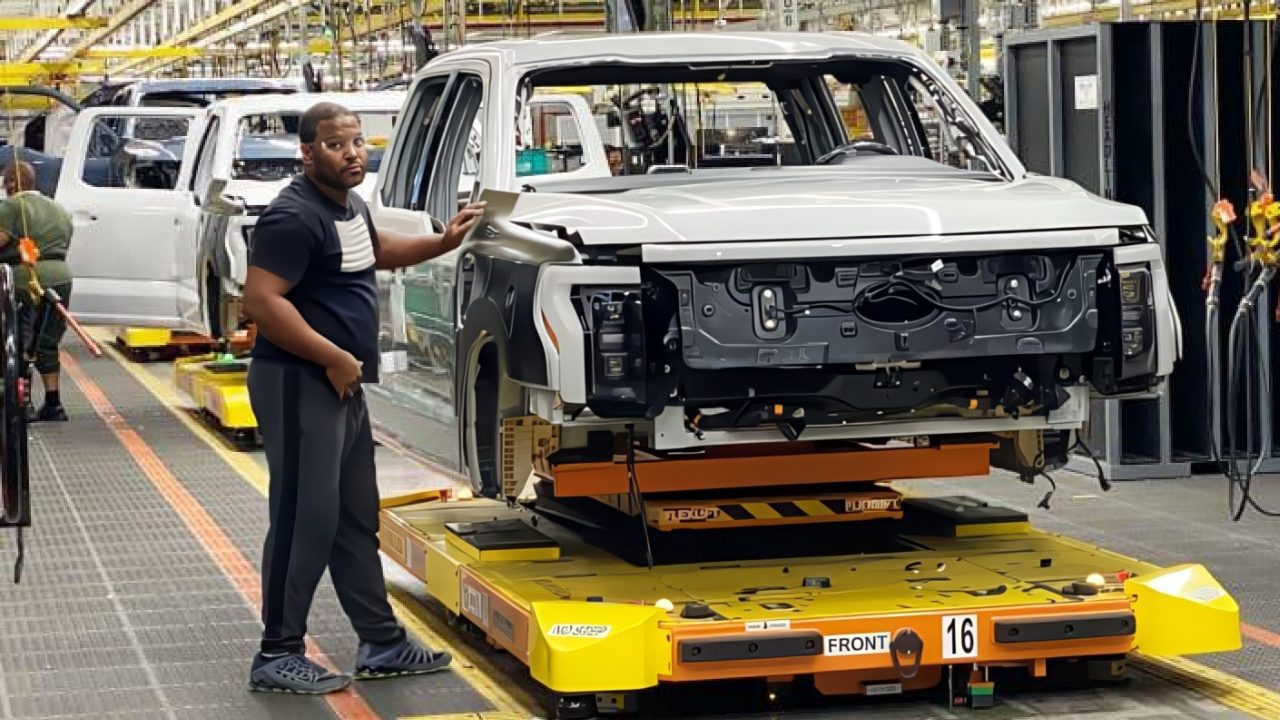
Somewhere in Dearborn, the lights at Ford’s Rouge Electric Vehicle Center went dark. The assembly line that built the F-150 Lightning sat idle. Across the parking lot, the Dearborn Truck Plant hummed louder than it had in years, running a brand-new third crew.
Workers who once bolted battery packs into electric pickups now walked next door to build gas-powered F-150s. Ford sold 457,315 vehicles in Q1 2026, down 8.8% from the year before. The electric dream didn’t just stall. It bled out on the balance sheet.
The Collapse Nobody Saw Coming
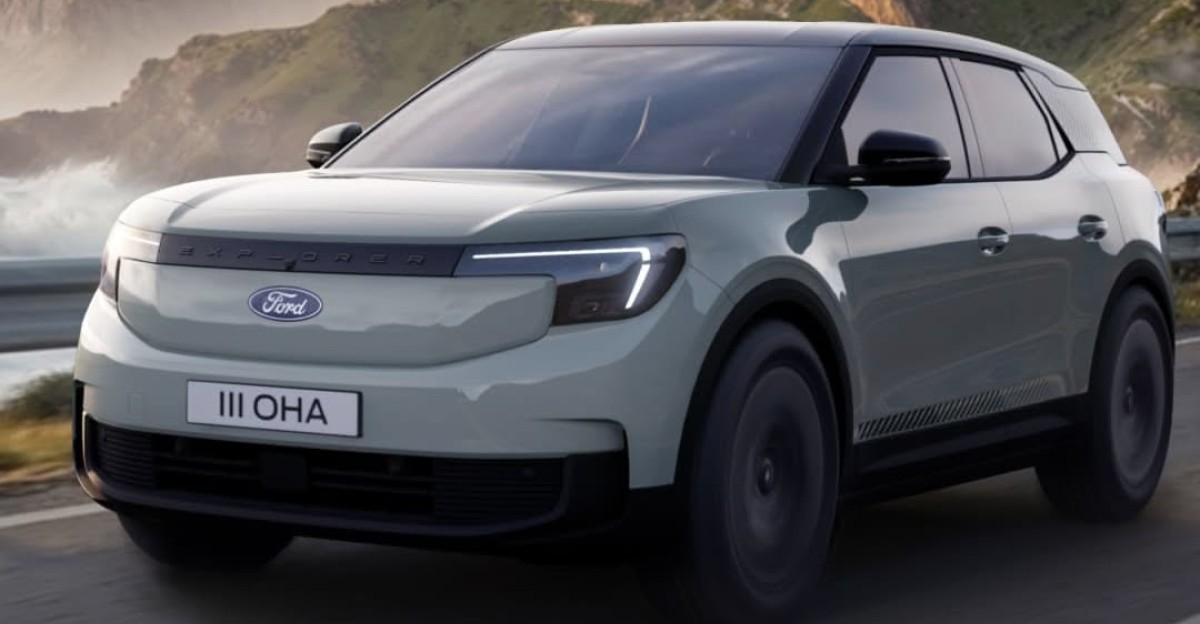
Ford’s EV sales cratered 69.6% in Q1 2026. The Mustang Mach-E fell 60.4% to just 4,600 units. The F-150 Lightning dropped 71.3% to 2,060. The E-Transit electric van? Down 94.7%, to 200 units total.
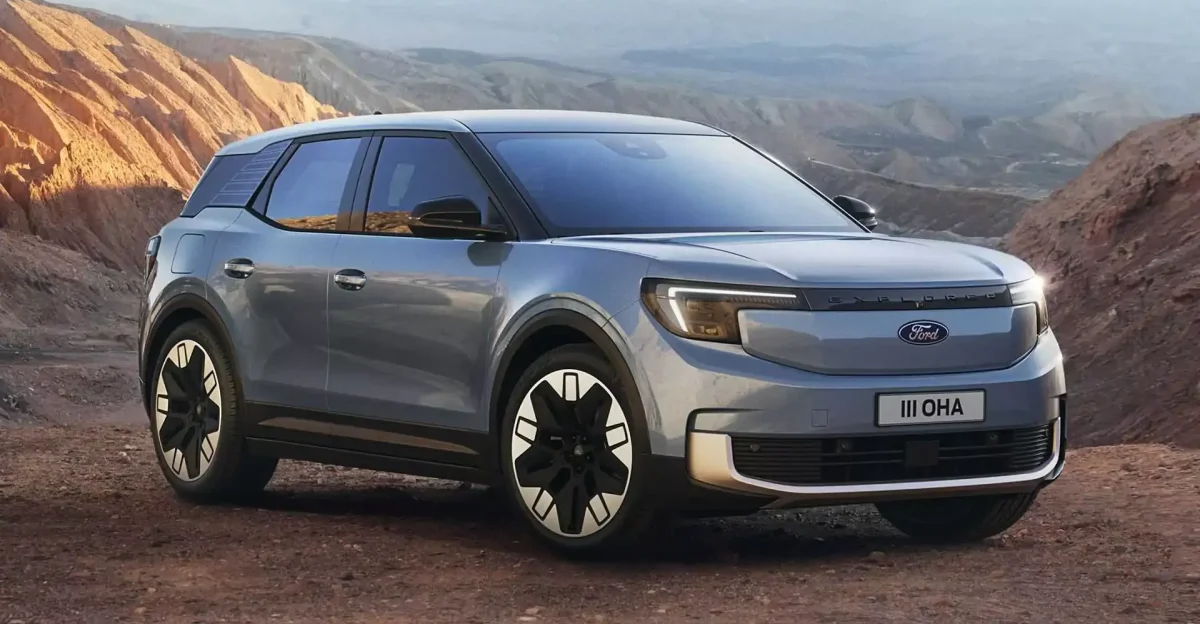
Meanwhile, the gas-powered Mustang coupe surged 50.4%. Explorer climbed 29.7%. Expedition jumped 30.2%. Consumers weren’t confused about what they wanted. They were screaming it with their wallets, and every receipt pointed away from a charging station and toward a fuel pump.
The Subsidy Cliff
The federal EV tax credit expired September 30, 2025. One date. That’s all it took. In September, electric vehicles held 12.9% of the U.S. new-car market. By October, that number was 5.2%.
Half the market vanished in 30 days. By January 2026, U.S. EV registrations had fallen 41% year-over-year. The assumption that Americans genuinely wanted electric vehicles cracked wide open. Turns out, a $7,500 government check was doing most of the convincing. Ford’s own CEO admitted it bluntly.
The $13.8 Billion Confession
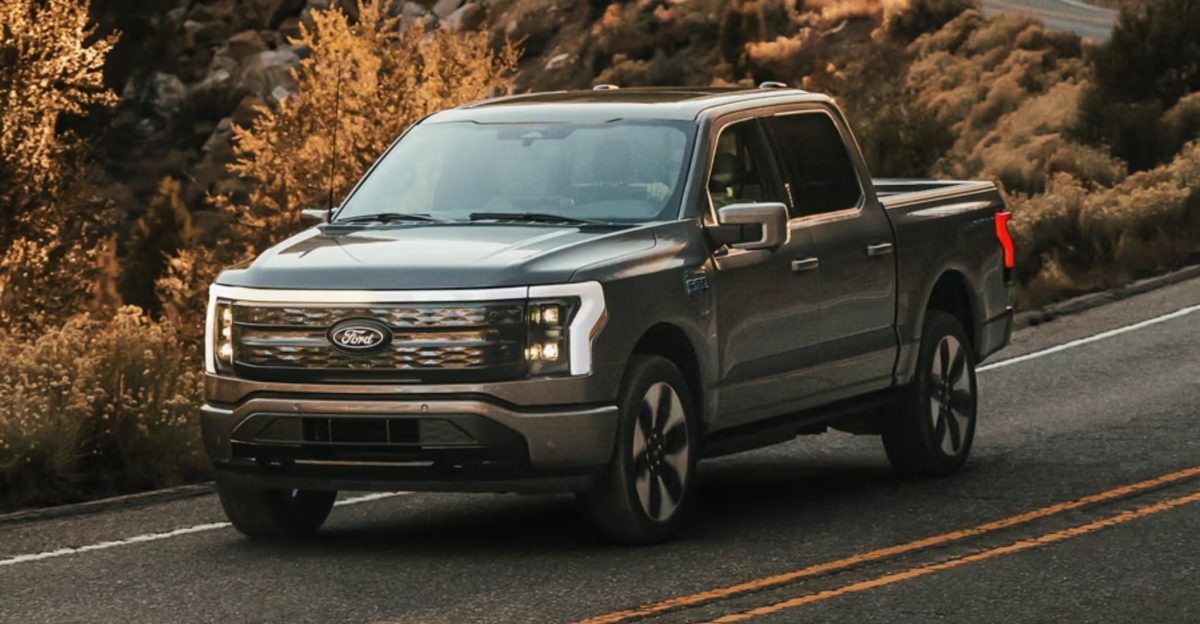
Jim Farley said the quiet part out loud: “The elimination of the tax credit caused US EV sales to be cut in half.” Ford’s Model e division lost $4.7 billion in 2023. Then $5.1 billion in 2024. Then $4.8 billion in 2025.
Nearly $14 billion gone. The company announced $19.5 billion in write-downs. Killed the Lightning. Canceled the T3 electric pickup before it ever reached a dealer lot. Andrew Frick put the tombstone on it: “Large EVs now have no path to profitability.”
Where the Money Went Instead

Ford hired 1,000 new workers for truck plants. Nine hundred at the Rouge Complex in Dearborn. One hundred at Kentucky Truck Plant.
The company targeted 50,000 additional F-Series trucks in 2026, canceled summer shutdowns to keep lines running, and transferred every hourly worker from the dead EV center to gas truck assembly. Farley called it “redeploying capital into higher-return growth opportunities.” That’s corporate language for: the thing that actually makes money is a V8 with a bed on it.
The Numbers That Buried the Narrative
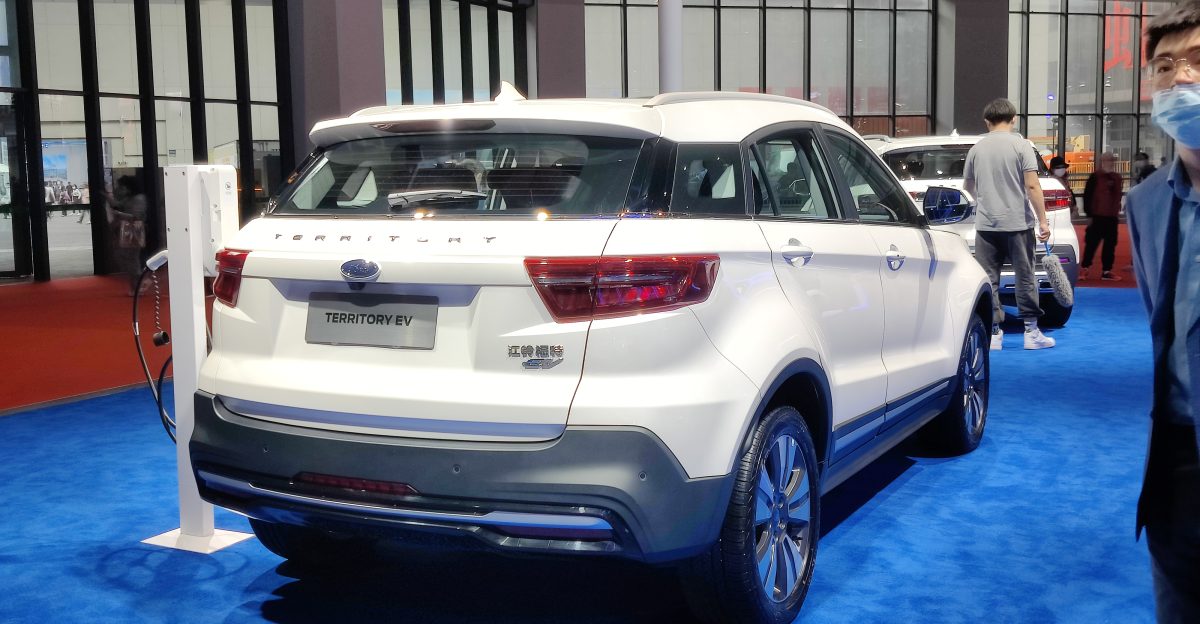
Ford lost an estimated $5,000 to $8,000 on every EV it sold. Mach-E owners watched their vehicles depreciate 40-45% in two years, roughly $25,000 in value over five years. Hybrid inventory surged 16% to 354,905 units nationwide while EV stock sat at 100,000 units, unwanted.
Ford’s 2025 hybrid sales hit a record 228,072 units, up 21.7%. The market didn’t reject electrification entirely. It rejected the version that costs a fortune and loses value like a boat.
A $50 Billion Industry Crater
Ford wasn’t alone. The Detroit Big Three collectively lost more than $50 billion on electric vehicles, the worst segment-level loss since the 2008 financial crisis. GM led Q1 2026 sales with 626,429 units but also fell 9.7%.
Tariffs added $30 billion in costs across the U.S. auto industry in 2025, pushing average vehicle prices up 10.4%. Monthly car payments hit a record $758. Battery suppliers like SK On and LG face capacity they can’t fill. The entire EV supply chain built for a future that never showed up.
The Precedent No One Wants to Name
Here’s what this really proved: government subsidies created an entire consumer market that evaporated the moment the checks stopped. That precedent now hangs over every “green transition” policy in America. Solar. Wind. Hydrogen. Every industry watching the EV collapse is asking the same question.
Ford’s F-Series just posted its 49th consecutive year as America’s best-selling truck. Consumers never left trucks. Washington just spent a decade pretending they had. Once you see that, the $19.5 billion write-down reads less like a loss and more like a correction.
The Chinese Threat at the Gate
Ford’s backup plan is a $30,000 Universal EV Platform launching around 2027. Chinese automakers like BYD are preparing to sell electric vehicles in America for $10,000. That’s a three-to-one price gap before Ford’s vehicle even reaches a showroom.
Tariff barriers offer temporary protection, but the cost math is brutal. A Novelis aluminum plant fire in September 2025 already proved Ford’s supply chain can’t absorb a single disruption, costing 100,000 trucks in lost production. Now Ford faces a pricing war it may have already lost.
What Truck Buyers Know That Wall Street Doesn’t
Ford’s retail market share actually rose 0.2 points to 11.6% in Q1 2026, even as total volume fell. The people still buying Fords are buying trucks, SUVs, and hybrids. They never needed Washington to tell them what to drive.
The EV market didn’t collapse because the technology failed. It collapsed because the economics were fiction, propped up by a tax credit that made a $55,000 truck look like a $47,500 bargain. Ford burned nearly $14 billion learning what its own customers already knew.
Sources:
Ford Motor Company, “Ford Delivers Higher Q1 Retail Share Driven by Double-Digit SUV Growth,” press release, April 2, 2026.
Ford Motor Company, “Ford to Boost F-150, Super Duty Production, Add Up to 1,000 Jobs to Meet Strong Demand,” press release, Oct. 22, 2025.
Reuters, “Ford’s $19.5 billion EV writedown: five things to know,” Dec. 15, 2025.
National Automobile Dealers Association, “NADA Market Beat: BEV Sales Fall in First Month Without EV Tax Credit,” March 2, 2026.
General Motors, “GM Maintains Sales Leadership in Q1,” press release, March 31, 2026.
Ford Motor Company, “49 Years of F-Series Truck Leadership Is Latest Mile Marker on Ford’s Road Ahead,” press release, Dec. 29, 2025.