Ford Kills $19.5B EV Bet After Gas Mustang Outsells Electric 3‑to‑1—’Reality Has Changed’
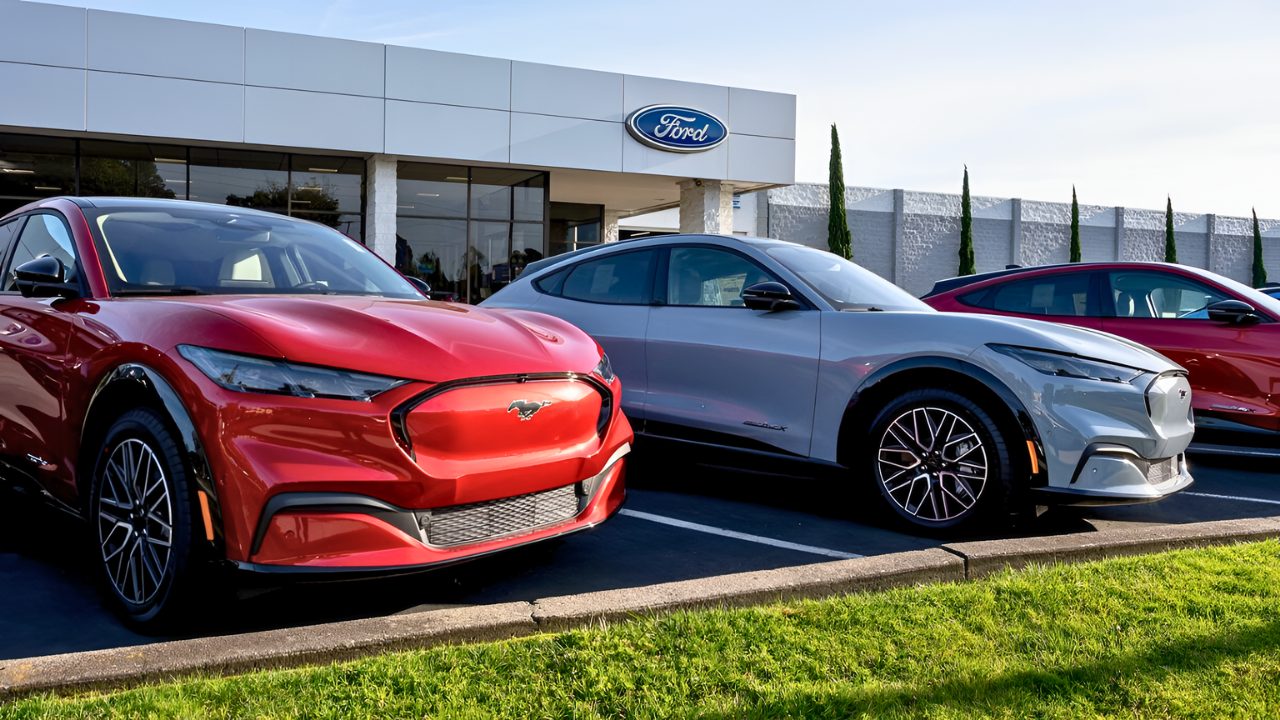
Ford sold 3,609 gas Mustangs in January 2026. Its electric Mach‑E moved 1,040. That’s a 3.46‑to‑1 beatdown, and the gas version surged 50.4 percent year‑over‑year while the electric twin cratered 70.5 percent. The total Ford EV sales were 1,743 units, down 69.2 percent from January 2025. Ford responded in December 2025 with a roughly $19.5 billion write‑down tied largely to an EV strategy reversal, one of the largest automotive strategic course‑correction charges in recent memory. Everyone saw the headline. Almost nobody is tracking where the wreckage lands next.
Subsidy Withdrawal
In September 2025, the federal $7,500 EV tax credit largely expired. That subsidy had represented a meaningful slice of the average EV transaction price. Remove it, and the math broke almost overnight. Electric‑vehicle consideration in U.S. surveys dropped significantly between early and late 2025, and a clear majority of likely U.S. car buyers said they planned to purchase gas‑powered vehicles. The demand Ford spent five years chasing turned out to be heavily incentive‑driven. When the incentive vanished, many of the customers did too. The F‑150 Lightning’s sales fell by more than 60 percent.
Kitchen Table
The average new vehicle in America now costs just over $50,000. The median monthly auto loan payment sits in the mid‑$700s, with a median down payment in the mid‑$6,000s. Americans carry a record auto‑loan balance on the order of $1.6 trillion. That’s the highest auto debt burden in U.S. history. When most consumers cite cost as their primary barrier to EV adoption, the problem isn’t enthusiasm. It’s arithmetic. A family stretching to afford a gas truck was never going to absorb a sizable premium for a battery.
Corporate Retreat
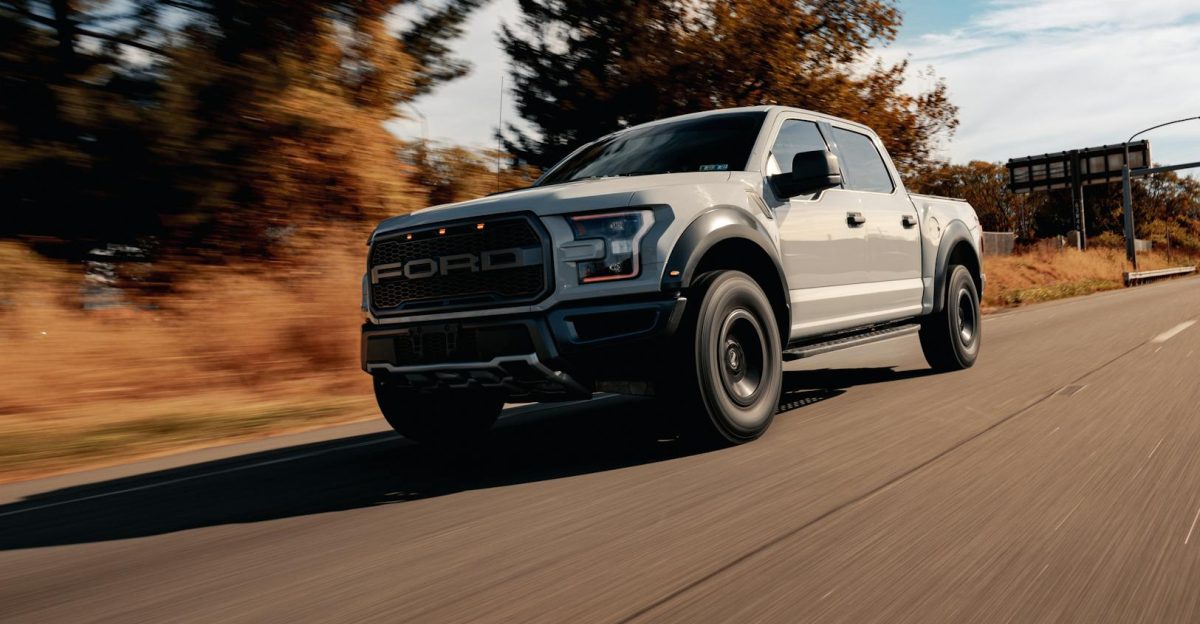
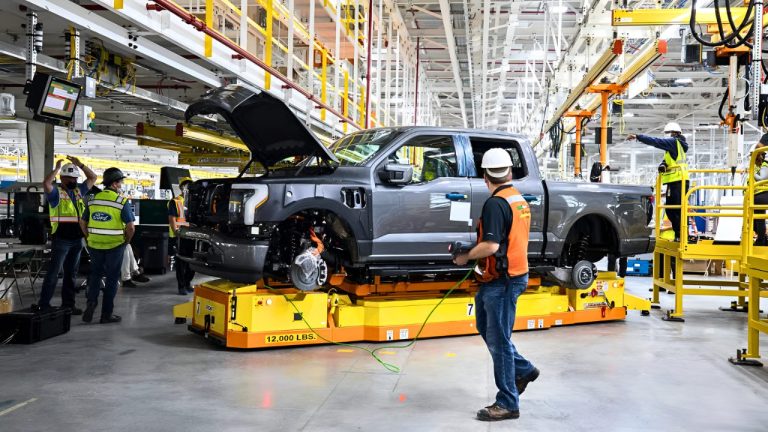
Ford killed the all‑electric F‑150 Lightning in December 2025 and scrapped multiple pure‑EV programs. CEO Jim Farley called it “a customer‑driven shift” and said Ford was “redeploying capital into higher‑return growth opportunities.” The company plans new Built Ford Tough pickups at BlueOval City in Tennessee, new gas and hybrid vans at the Ohio Assembly Plant later in the decade, and expects roughly 50 percent of global sales by 2030 to be hybrids, extended‑range EVs, and full electrics, up from about the high‑teens share in 2025. The pivot is total for the first‑wave pure‑EV strategy Ford bet on. The restaurants serving this same customer base absorbed the shock differently.
Towing Failure
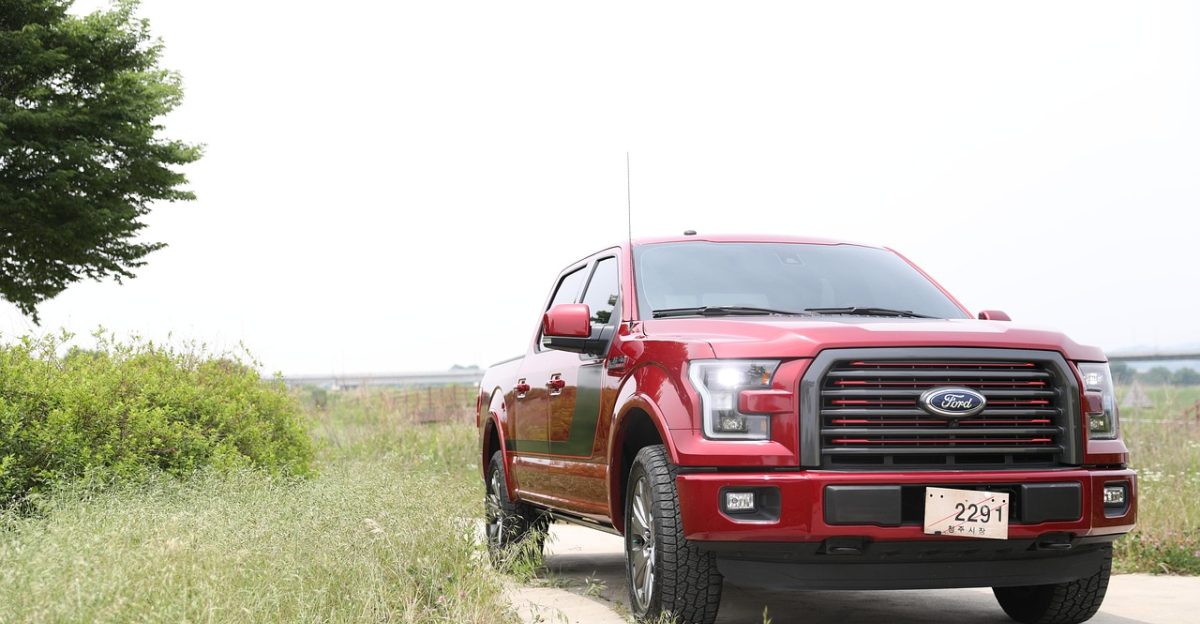
In instrumented tests, the F‑150 Lightning’s range dropped by roughly half when testers hitched a mid‑weight trailer, turning a 300‑mile truck into something that could barely cover a morning’s work before needing a charge. One automotive tester described its towing performance as dismal and not acceptable for typical truck‑owner expectations. Battery physics, as implemented in this generation of truck, couldn’t serve the duty cycle of the American truck buyer. That single engineering failure rippled into many commercial fleet calculations across the country.
Hidden Mechanism
Here’s the thread connecting every one of these ripples: For Ford, a large share of EV adoption turned out not to be durable full‑price consumer demand. It was regulatory compliance dressed as a market. Subsidies created temporary price parity. Mandates created artificial production volume. When the subsidy expired, the price gap reappeared. When the price gap reappeared, preference data started reverting toward where they’d long been: a solid majority for gas and a small single‑digit share for pure EVs. Same mechanism, every ripple. The $19.5 billion write‑down, the Lightning cancellation, the towing failure, the crushing monthly payment. All symptoms of one structural misread.
Farley Speaks

“The operating reality has changed, and we are redeploying capital into higher‑return growth opportunities.” That’s Jim Farley, Ford’s President and CEO, announcing one of the biggest automotive strategic reversal charges in recent memory. “The operating reality has changed.” That’s a confession that the previous reality was assumed, not measured. Ford promised the electric future was inevitable, spent billions building it, and needed one quarter of unsubsidized sales data to abandon that first‑wave EV bet. Five years of corporate certainty, undone by 1,743 units in a single month.
Global Shift

While Ford retreated, BYD delivered about 4.6 million vehicles worldwide in 2025, passing Ford’s roughly 4.4 million. For the first time, a primarily EV and plug‑in‑hybrid automaker has surpassed a legacy American automaker in annual volume. BYD increased exports to around 1.05 million vehicles, with projections hitting roughly 1.3 million in 2026. Ford’s global sales fell about 2 percent. Chinese automakers like SERES and Geely climbed global rankings in sales and market value between 2023 and 2025. The competitive map is being redrawn while Detroit writes down billions. That precedent changes how every trade negotiation unfolds from here.
Winners and Losers
The winners: gas truck lines getting new investment, hybrid manufacturers who hedged early, and Chinese automakers filling the EV vacuum Ford created. The losers: Mach‑E owners watching resale values soften, EV supply‑chain workers facing uncertain futures, and pure‑play EV startups like Rivian and Lucid watching one of their biggest legacy competitors publicly declare the current market isn’t there at today’s prices. Ford’s own Model e division isn’t expected to reach profitability until 2029. General Motors posted about a 6.8 percent global sales increase to roughly 6.18 million vehicles, while Ford shrank. The gap is widening.
Unfinished Cascade
Ford plans a more affordable midsize pickup on a next‑generation EV architecture, with extended range and a target price around $30,000, to be assembled in Louisville later this decade. That’s the counter‑move. But the cascade isn’t finished. The 2026 Mustang leans into retro heritage design, chasing nostalgia while the electric brand withers. Every automaker globally is recalculating EV timelines based on what Ford just admitted. The system that produced this collapse—regulatory mandates outrunning consumer economics—remains intact. Next time subsidies shift, the same mechanism fires again.
Sources:
“Ford Sold Over Twice As Many Gas Mustangs As All EVs Last Month.” Carscoops, 6 Feb 2026.
“Ford to Record $19.5 Billion in Special Charges, Pull Back on EV Plans.” CNBC, 15 Dec 2025.
“Good Bye to the $7,500 EV Tax Credit. What’s That Mean for EV Prices?” CNN, 23 Sep 2025.
“China’s BYD Just Beat Ford in Global Sales for the First Time Ever.” Yahoo Finance, 16 Feb 2026.