Ford Forced Into One Of The Largest Towing Recalls Ever As 4.3M Trucks And SUVs Fail
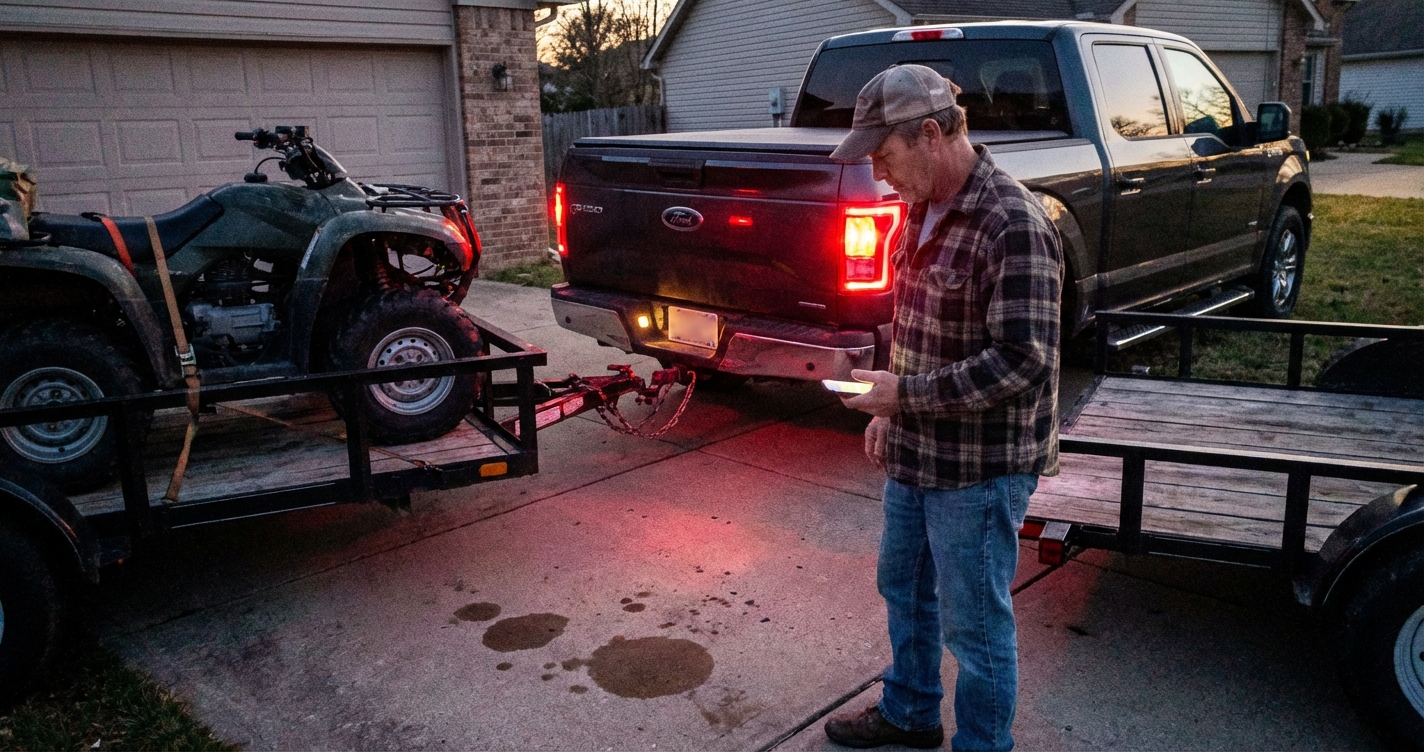
Picture this: you’re hauling a camper down a two-lane highway after sunset. Everything feels normal. The engine’s fine. The hitch is locked. But the driver behind you is squinting into darkness where your trailer’s brake lights should be glowing. A warning may flash on your dash, but it won’t explicitly tell you the trailer lights have gone dark. More than 4.3 million Ford owners just learned that scenario wasn’t hypothetical.
Massive Scope
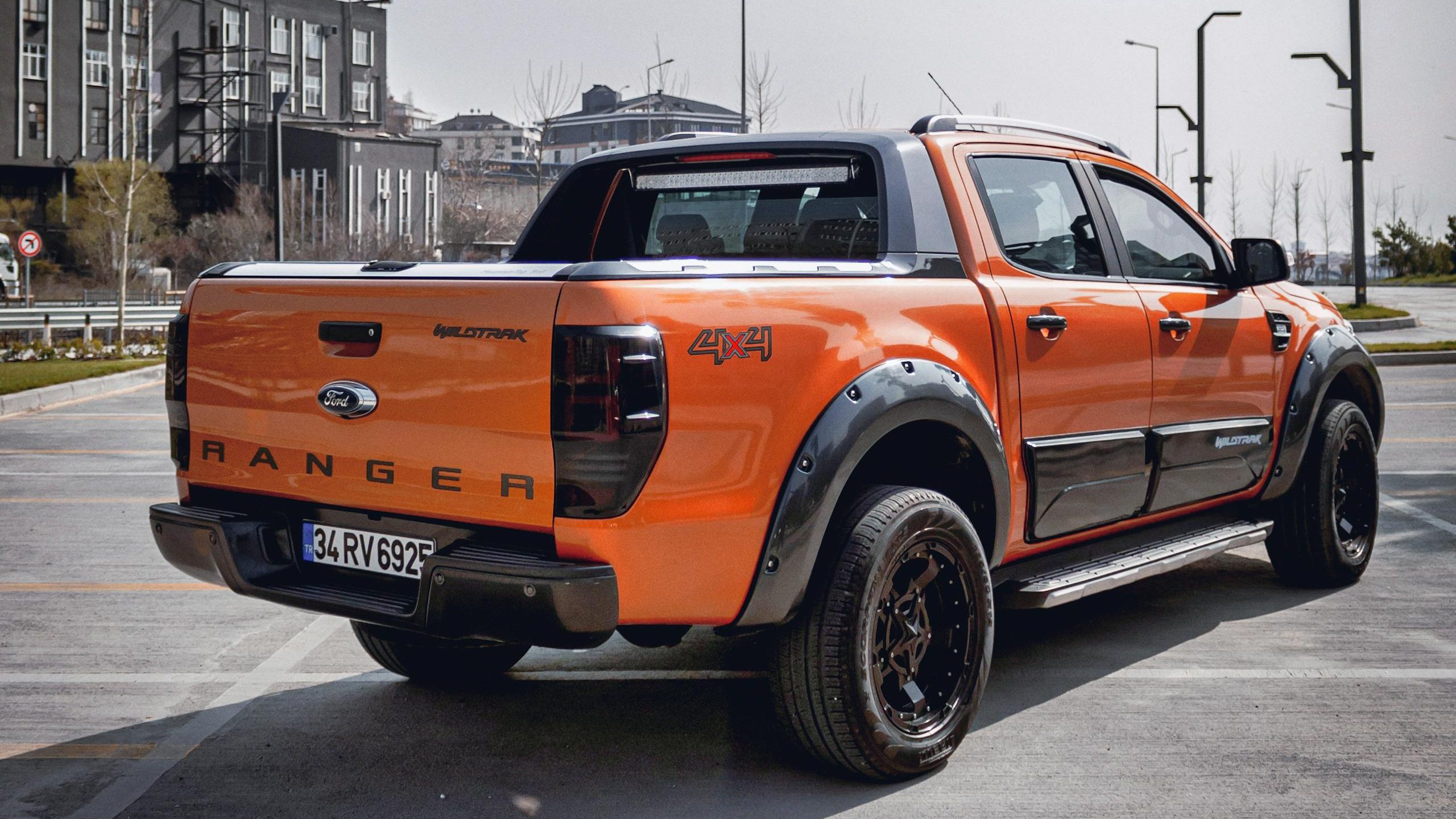
Ford filed safety recall campaign 26V104 with NHTSA, covering more than 4.3 million pickups, SUVs, and vans sold across the United States. By unit count alone, that makes it one of the largest towing-related recalls in U.S. history. The affected population spans multiple model lines, every one of them built to tow.Owner notification letters began going out in late March, but the defect has been riding along with families pulling boats, horse trailers, and RVs long before anyone flagged it. The fix Ford chose tells you everything about what broke.
Not A Part

Most people hear “recall” and picture a cracked brake line or a faulty airbag sensor. Something physical. Something you could hold in your hand. That assumption is wrong here.
The defect behind campaign 26V104 is software, specifically the Integrated Trailer Module (ITRM), which can lose communication with the vehicle during initial power-up. The hardware is fine. The trailer connector is fine. The wiring is fine. The module upstream powered on but stopped talking to the vehicle, cutting the signal path to the trailer.
One Bug
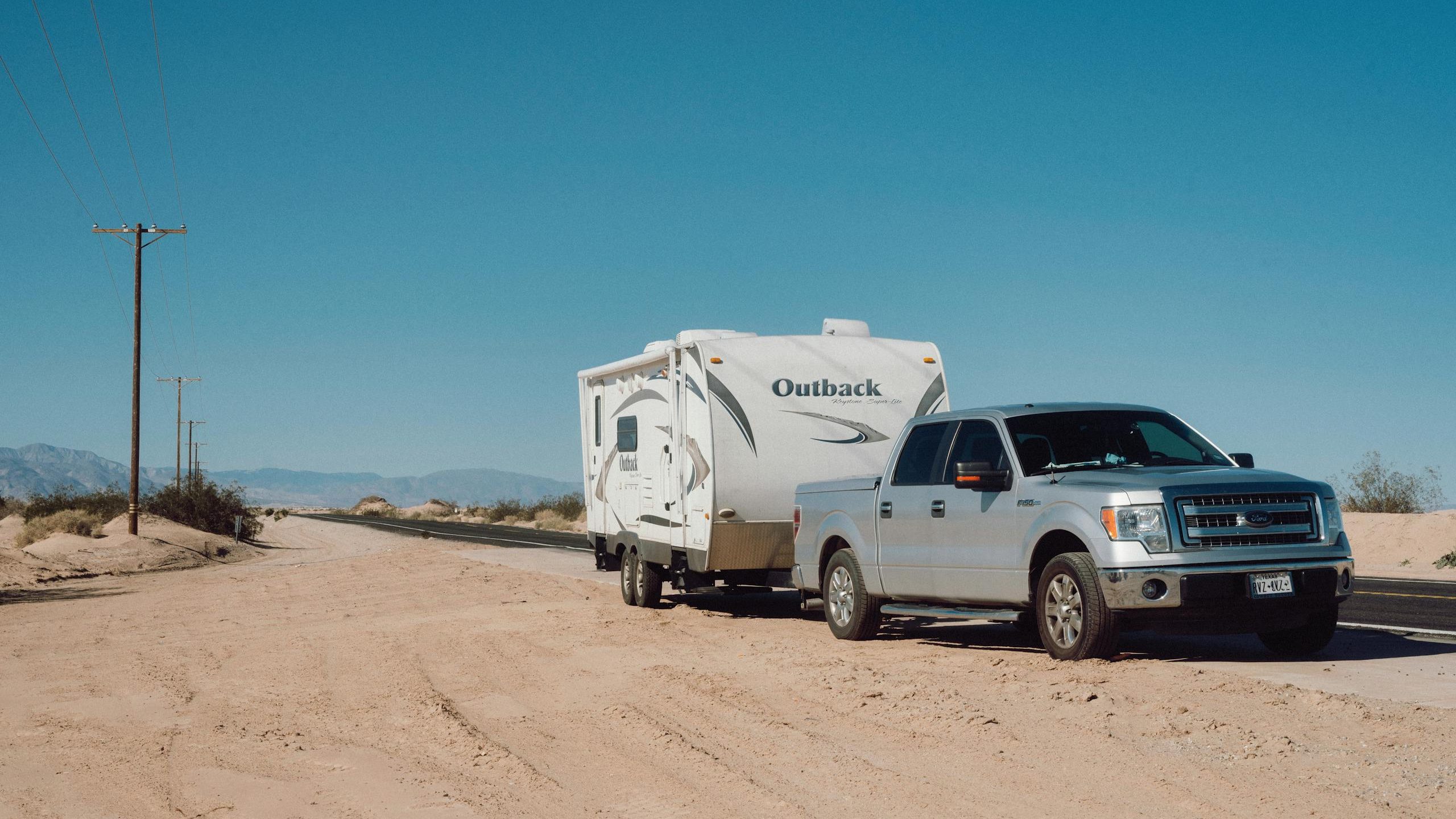
A single software vulnerability can prevent trailer lamps from illuminating and, on vehicles with the high-series ITRM, can also disable trailer brakes. Across more than 4.3 million vehicles. No bulb burned out. No wire corroded. Code failed. The driver may see a warning such as “trailer brake module fault,” but nothing explicitly flags that the trailer’s lights have gone dark.
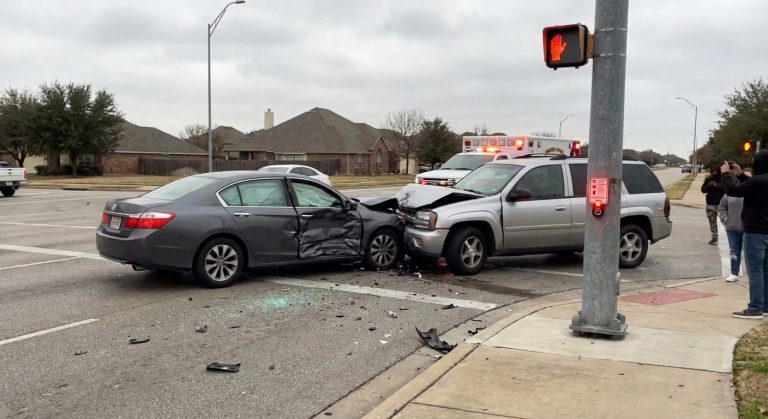
The car behind you can’t see you, and in some configurations, the trailer may not brake when you do. Reduced trailer lighting visibility and potential loss of trailer braking can increase the risk of a crash, according to the recall filing. Ford estimates roughly 1% of the recalled vehicles actually exhibit the defect, but every unpatched unit carries the vulnerability. No crashes or injuries have been reported in connection with the issue.
Code Beats Hardware

Here’s what makes this recall different from a bad alternator or a sticky latch: the failure is upstream of every physical component. FMVSS No. 108, the federal lighting safety standard, sets clear expectations for lamp performance and visibility. The trailer connector standards ensure the physical interface between truck and trailer works.
Both systems did their jobs. The vehicle’s own ITRM software overrode them. Trucks engineered to tow became less visible, and in some cases lost trailer braking, precisely while towing. That irony is the whole story.
Scale Problem
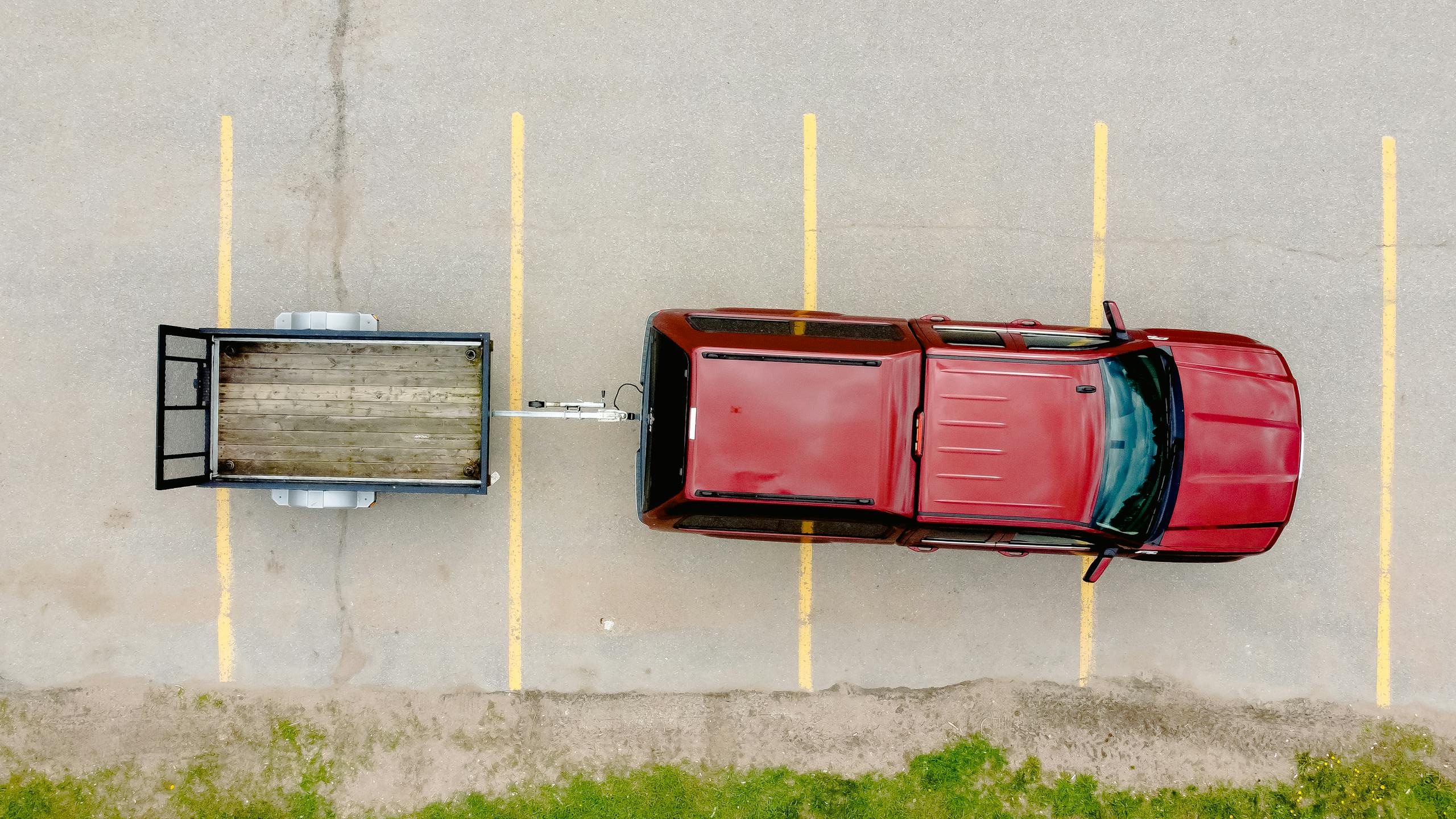
Roughly one in every 77 Americans could be tied to an affected vehicle. That’s not a regional hiccup. Rear-end crashes remain a major collision category, and lighting visibility is central to preventing them. Delayed action means continued exposure during night and poor-visibility towing. Every unpatched truck pulling a trailer after dark is running a safety system that might not signal a stop. The remedy is a software update available over the air, through mobile service, or at a dealer, and Ford is footing the bill through the recall process.
Ripple Effect

The service load is about to spike. Millions of owners checking VINs and waiting for an over-the-air update or scheduling appointments for a software flash that restores a function they assumed was already working. Fleets with high towing utilization lose the most: every day a truck tows before the update, the risk rides along. Expect sharper scrutiny on software validation for towing and lighting control logic across the entire industry. Once a safety defect is logged as an NHTSA recall campaign, the playbook is essentially set: notify, publish, fix.
New Rule
This recall sets a precedent that reaches beyond Ford. Software defects can now trigger massive safety recalls, not just infotainment patches or convenience-feature rollbacks. That distinction matters. The old assumption was that digital problems stay digital. Campaign 26V104 proves otherwise: a code flaw created a physical crash risk affecting millions. Once you see that a single software vulnerability can darken millions of trailers and disable trailer brakes before any driver fully understands the warning, every “over-the-air update” story reads differently. The weakest link in towing safety is no longer the bulb. It’s the code.
Ticking Clock

If remedy uptake is slow, the risk persists straight through peak towing season. Summer weekends, lake trips, cross-country hauls with campers. Owners who tow before updating are the next group exposed. Ford and NHTSA are pushing VIN lookup tools to accelerate completion: owners can check immediately at NHTSA.gov or Ford.com rather than waiting for Ford’s letter. But acceleration only works if people know to look, and most owners still assume that if the truck starts, the safety gear works.
Your Move
The people who read this article now know something most Ford truck and SUV owners don’t: their trailer lights might already be dark, and a dashboard warning alone may not make the problem obvious. That gap between what the driver sees and what following traffic sees is the entire vulnerability. Check the VIN. Schedule the update. Because the next generation of vehicle recalls won’t come with a rattle or a warning light. They’ll come with a patch note. And the drivers behind you won’t wait for Ford’s letter to arrive.
Sources:
National Highway Traffic Safety Administration, Part 573 Safety Recall Report, Campaign No. 26V104, filed Feb. 20, 2026, by Ford Motor Company.
National Highway Traffic Safety Administration, Consumer Alert/Acknowledgment Letter, Campaign No. 26V104, published Feb. 25, 2026.
Ford Motor Company, “Ford to Provide Software Update for 4.3 Million Vehicles to Address Integrated Trailer Module Anomaly,” press release, Feb. 26, 2026.
National Highway Traffic Safety Administration, Recall Lookup Tool, NHTSA.gov.
National Highway Traffic Safety Administration, Federal Motor Vehicle Safety Standard No. 108 — Lamps, Reflective Devices, and Associated Equipment, 49 CFR § 571.108.
Ford Motor Company, Ford Owner Recall Information, FordPass App and Ford.com/support/recalls.