Ford F-150 Transmission Under Federal Investigation After 1.3 Million Trucks Spark Highway Failure Fears
A federal investigation now covers about 1.3 million Ford F‑150s for transmission problems, after complaints prompted NHTSA to open and then expand a probe into 2015–2017 trucks equipped with the 6R80 automatic. Ford has told regulators that the current concern involves signal loss in transmission sensors and degraded electrical connections that can trigger unexpected shifts, and that this issue differs from earlier 2011–2014 F‑150 transmission recalls tied to a separate sensor problem. Owners across the country heard it and felt their stomachs drop. Drivers fear that transmission failure or sudden downshifts at highway speed could mean sudden deceleration, rear‑wheel lockup, stranding, or worse. The fear is real. But the number still deserves scrutiny, because the claim centers on NHTSA’s Office of Defects Investigation, and the critical piece is the ODI case ID and documentation that make it fully verifiable and trackable over time.
Paper Trail in Public

NHTSA is the federal backstop for vehicle safety defects. The agency maintains public datasets and APIs specifically designed to track ODI investigations from complaint to conclusion. Researchers can search those databases, check Ford’s official Media Center for statements, and scan Reuters and the Associated Press for corroboration. Today, those sources show an open NHTSA engineering analysis into about 1.27 million 2015–2017 F‑150s for unexpected downshifts and related safety risks, including rear‑wheel lockup. In practice, the subject vehicles are 2015–2017 F‑150s built with the 6R80 six‑speed automatic; not every 2017 F‑150, especially those with the 10‑speed 10R80, is necessarily in the investigation population. There is a case number, a model‑year breakdown, and complaint tallies, all documented in ODI filings and reflected in mainstream coverage. The pipeline is straightforward: symptoms get reported, ODI evaluates, and formal actions such as recalls follow if warranted. That pipeline, for this specific investigation, now has a paper trail that any motivated owner, researcher, or journalist can follow through NHTSA’s tools.
Kitchen Table Fear

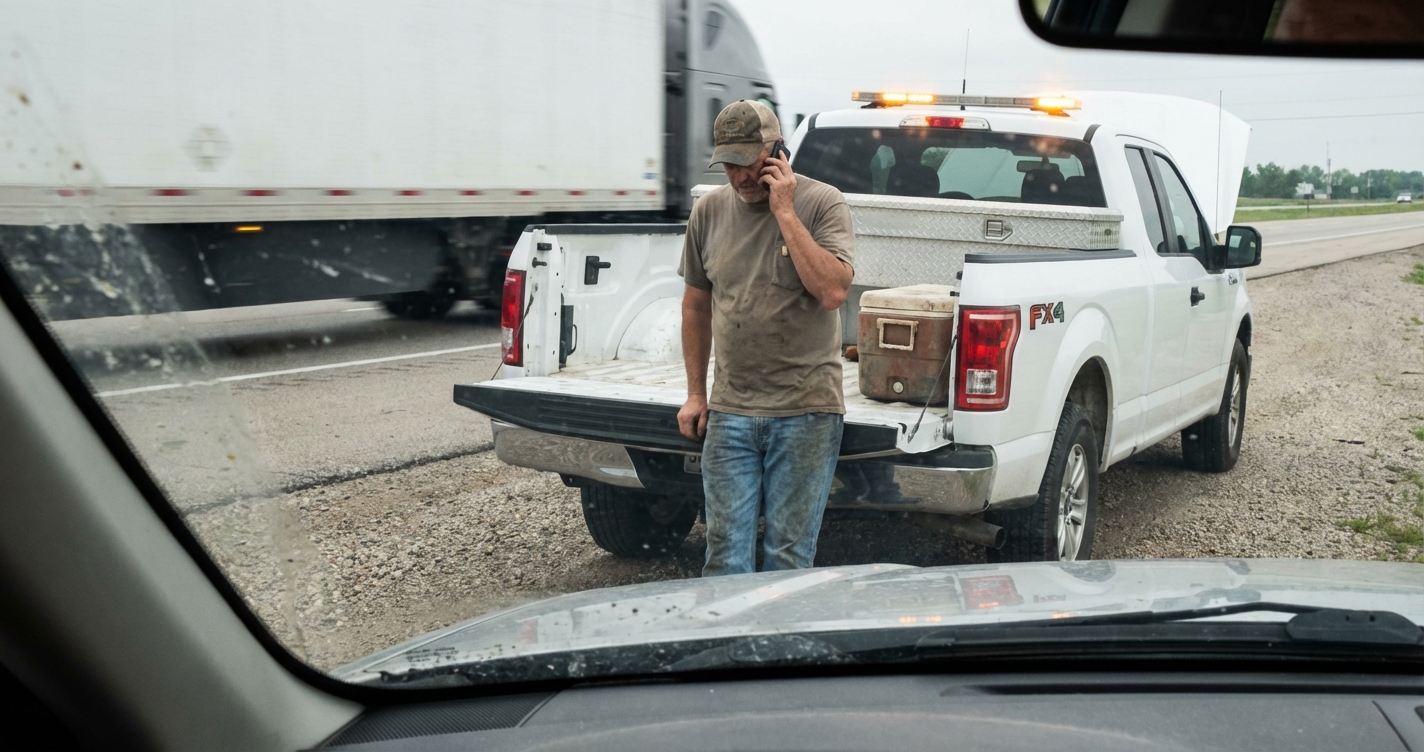
None of that paperwork talk matters when your F‑150 sits in the driveway, and your commute runs sixty miles of interstate. The most common symptoms in the filings are sudden, unexpected downshifts, harsh or erratic shifting, and temporary rear‑wheel lock or skidding, sometimes without warning lights. If those symptoms show up at speed, the immediate safety move is the same boring advice as always: stay calm, signal, move carefully to the shoulder if you can, and have the truck inspected rather than driving as normal. Drivers fear highway failure, and transmission defects that trigger sudden downshifts or loss of drive can create sudden loss of propulsion or unexpected behavior at speed. Owners can check their VIN right now through NHTSA’s recall lookup tool. That search takes thirty seconds. If a recall applies, the remedy shows up immediately. If nothing appears, the truck carries no official recall‑level safety flag today, even though an investigation could still be in progress. That distinction between “under investigation” and “under recall” is the difference between panic and preparation.
Resale Anxiety
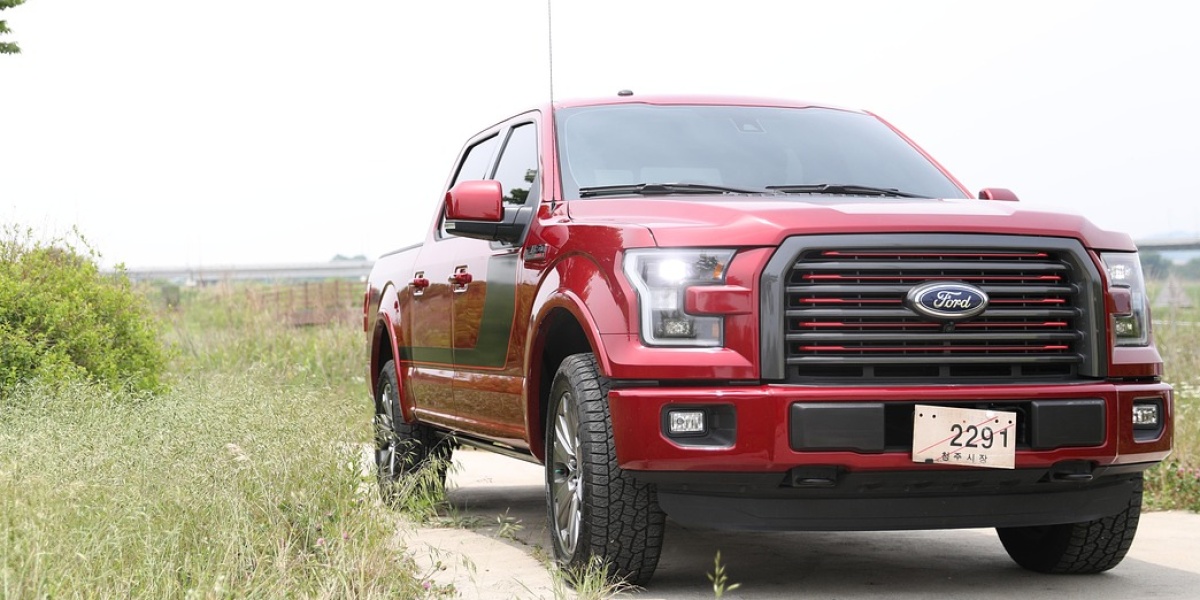
The ripple that hits wallets before wrenches touch transmissions: resale value. The moment “1.3 million” attaches to a model name, used‑truck listings absorb the shockwave. Sellers face lowball offers from buyers citing the scare. Buyers hesitate, waiting for clarity that may take months. Dealerships recalculate trade‑in margins. The irony is brutal. The biggest number in the story is the easiest to share, but the hardest detail to explain is the difference between an ODI investigation and a confirmed recall campaign that would formally justify a markdown. Rumor and incomplete understanding can reprice trucks faster than any recall notice.
Warranty Scramble
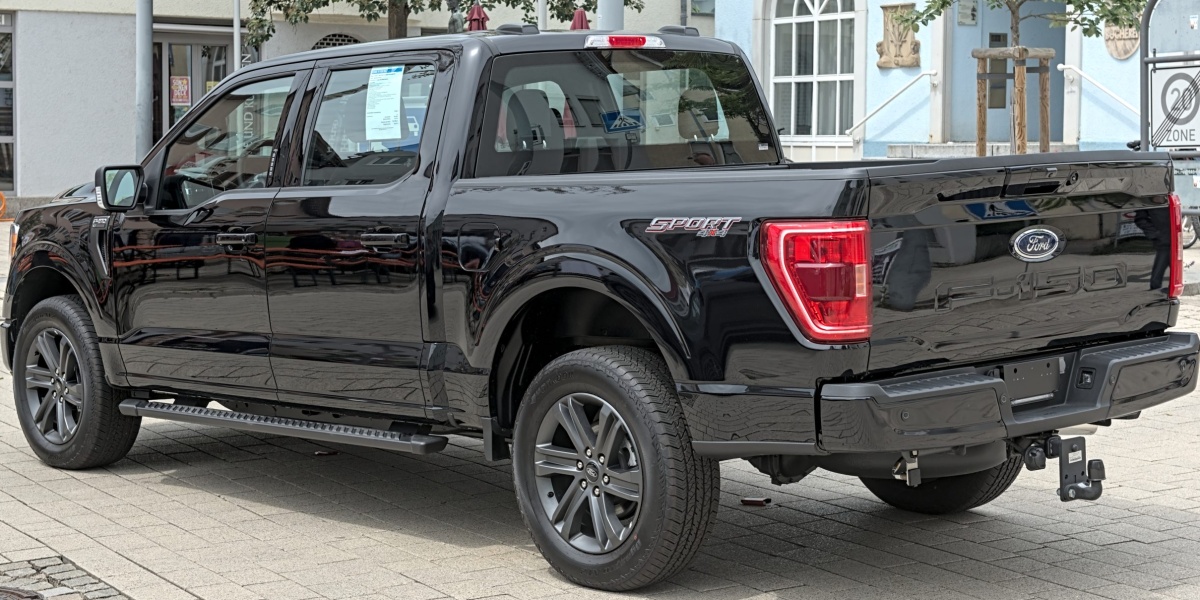
Here is where the cascade crosses a line nobody expected. Transmission scrutiny does not stay inside service bays. It bleeds into warranty reserves, extended‑service‑contract pricing, and third‑party coverage underwriting. Insurers and warranty providers watch NHTSA filings the way traders watch earnings calls. A viral 1.3 million figure, confirmed investigation or not, forces actuarial recalculation. Coverage terms tighten. Deductibles creep up. Owners who bought aftermarket plans may discover their transmission coverage just got repriced based on a headline or a YouTube video, not just a final recall action. Think about that for a second. Ford’s own filings, which say this newer issue stems from long‑term electrical wear rather than the earlier supplier defect, rarely make it into those viral clips.
Two-Track System
Every one of these ripples traces back to the same structural gap. NHTSA runs a two‑track transparency machine. Track one: a consumer‑facing recall lookup, simple and fast. Track two: ODI investigation signals buried in datasets and APIs that require real digging to interpret. Big‑number auto scares are often paperwork stories before they become repair stories. The scare spreads on Track One’s simplicity. The proof and nuance live on Track Two’s complexity. Viral claim hits your phone. Anxiety hits your chest. The case ID and investigation docket that would settle it sit in a database most people will never open.
Owner’s Voice
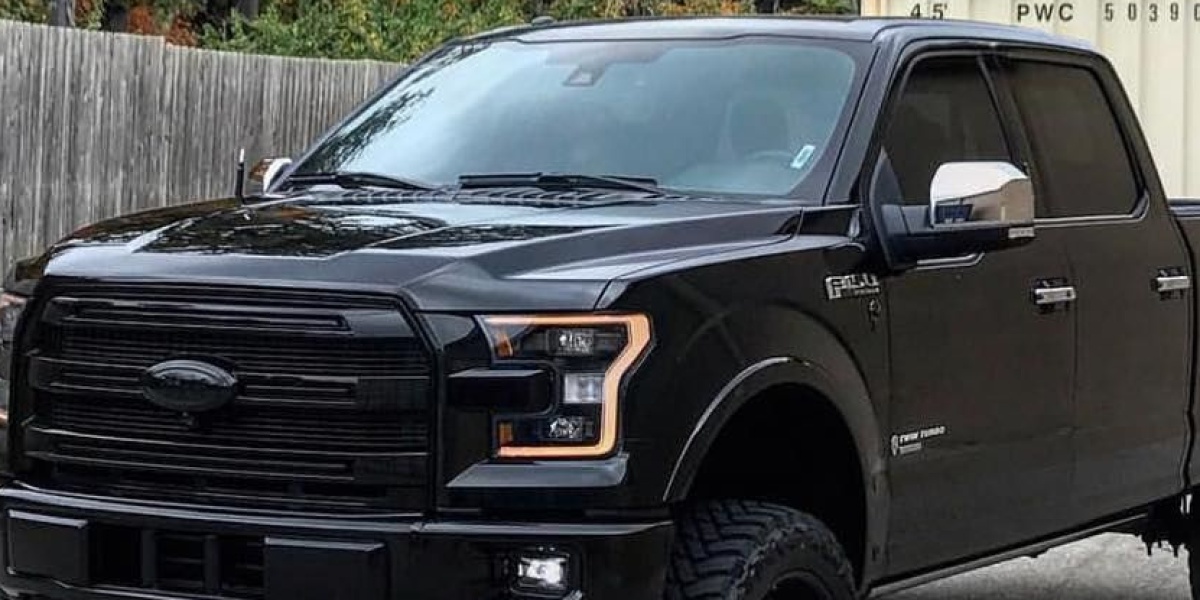
Official filings now document an investigation into roughly 1.3 million F‑150s, but Ford and NHTSA do not issue quotes for every social‑media framing of that number. That silence around specific viral thumbnails fills with something worse: speculation. Owners flooding forums describe symptoms they attribute to transmission issues. Those complaints can be filed directly with NHTSA, and that matters, because ODI’s defect analysis pipeline is partly complaint‑driven. Every formal complaint adds weight. Every informal post does not. The difference between venting online and filing a federal safety report is the difference between noise and evidence.
Precedent Shift
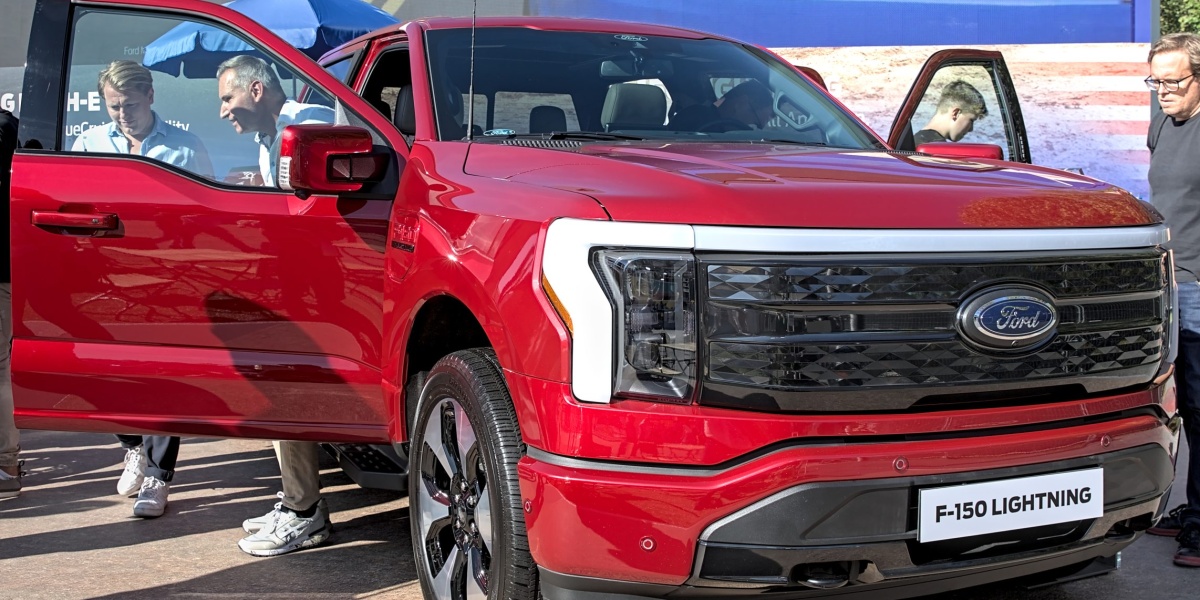
This episode reinforces a rule that keeps proving itself: public‑facing verification tools are now essential infrastructure for viral safety claims. NHTSA’s recall lookup and ODI datasets exist precisely because scares travel faster than case numbers. The pattern repeats across industries. A big number drops. Fear spreads. Official channels lag, or their nuance gets lost. Consumers who know how to query the source data protect themselves. Those who don’t make decisions based on thumbnails. The precedent being set here goes beyond trucks. It is about whether verification can ever keep pace with virality.
Winners and Losers

The losers are obvious: owners who panic‑sell at a discount, buyers who overpay or underpay based on rumor, and anyone who skips the thirty‑second VIN check. The winners are less obvious. Click‑driven accounts and sloppy aggregators harvest engagement from the scare without ever explaining the difference between an open investigation and a formal recall. Content built on “1.3 million” outperforms content built on “here’s the actual ODI status.” The verification gap is profitable for everyone except the truck owner sitting in the dark. Knowing how to check NHTSA’s tools is the only real edge here.
Cascade Continues
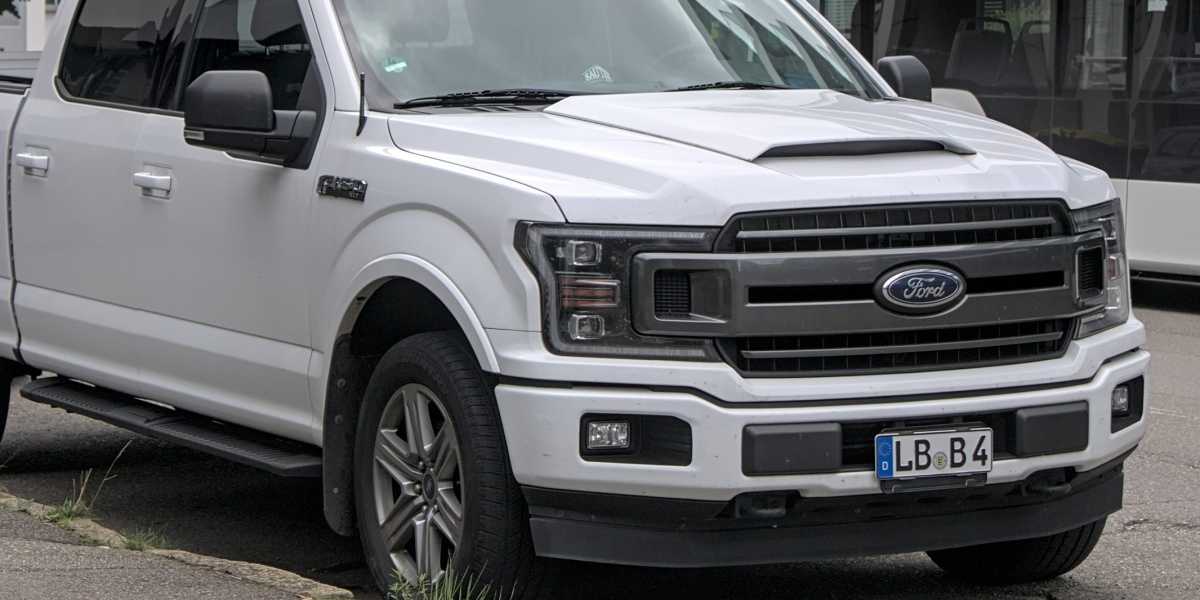
The story is not over. If real transmission defects exist across F‑150 model years, complaint accumulation and engineering analysis will eventually trigger formal ODI conclusions and potentially a recall campaign. If some claims collapse under deeper scrutiny, the resale damage and warranty repricing still happen. That is the part that does not reverse. Ford or NHTSA could publish clarifications, technical summaries, or formal recall notices at any point as the investigation advances. Until then, the only move is checking your VIN, filing a complaint if symptoms exist, and refusing to let a number without context drive a five‑figure financial decision. That knowledge is the upgrade.
Sources:
“‘NHTSA expands probe into about 1.3 million Ford F-150 pickups over transmission issues.’ Reuters, 2 Feb 2026.”
“‘Safety agency opens an investigation of 1.3 million Ford F-150s.’ Detroit Free Press, 3 Feb 2026.”
“‘NHTSA Investigating 1.3 Million Ford F-150s with Faulty Transmissions That May Lock the Rear Axle.’ Car and Driver, 2 Feb 2026.”
“‘NHTSA expands Ford F-150 transmission probe into 1.27M trucks.’ FOX Business, 5 Feb 2026.”