Ford Dealers Bleed American Buyers With $26 Billion In Hidden Fees—6,000 Service Bays Sit Empty
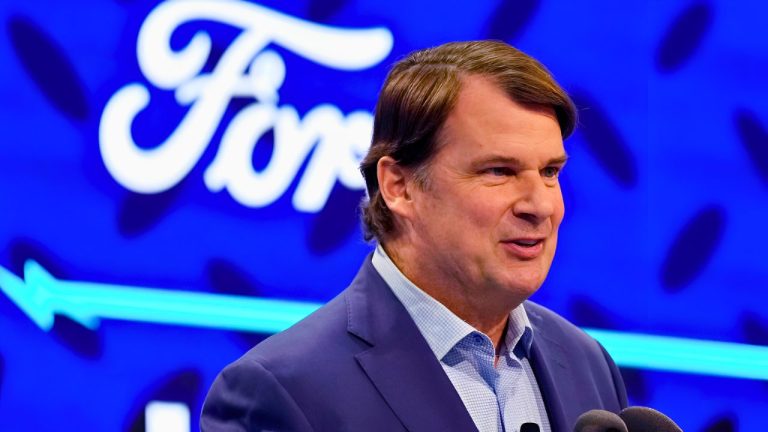
Ford CEO Jim Farley stood in front of his own people and said it plainly: “We can’t be a brand that’s out of reach for the people who built it. Our goal is simple. Build incredible vehicles and price them responsibly.” That was the pledge. Meanwhile, across the country, Ford dealerships were slapping $10,000 to $20,000 markups on the exact vehicles Farley designed to be affordable. The Bronco Raptor, the F-150, and the trucks that built Ford’s identity. His own franchise network was undermining him before the ink dried.
The Override
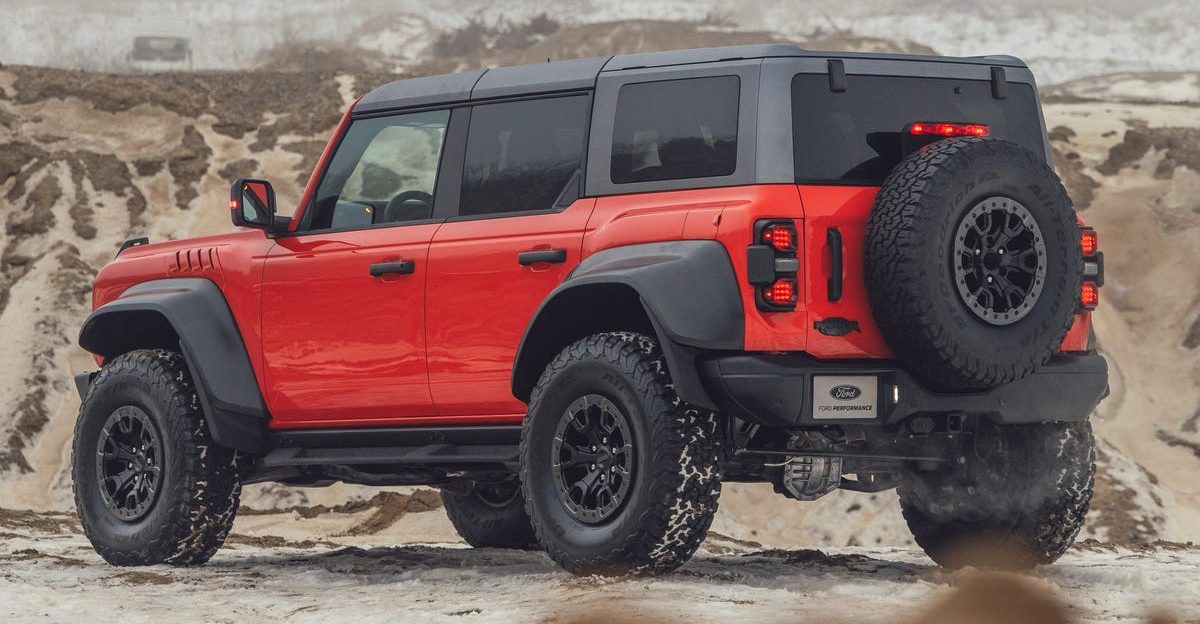
Farley responded by cutting the Bronco Raptor’s MSRP by roughly $10,000. That sounds like a discount, but it wasn’t. The reduction only reset prices to where they should have been before dealers inflated them. Buyers who walked into showrooms paid MSRP plus a five-figure dealer markup. Buyers who walk in now pay the corrected sticker. Net savings over the markup era: zero. A CEO overriding his own distribution network is not generosity. It is an admission that the system broke down publicly enough to threaten the brand.
The Real Business

Most people assume dealerships make their money selling cars. That assumption is wrong, and it costs buyers thousands. New-vehicle sales generate only 25 to 30 percent of a dealership’s gross profit, despite accounting for 60 percent of revenue. The car is the entrance fee. The service and parts departments generate roughly 50 percent of gross profit. The finance and insurance office layers on markups of 40 to 400 percent on add-on products. Extended warranties alone carry markups of 50 to 200 percent. The vehicle price you negotiated was never the real number.
The Invisible Tax

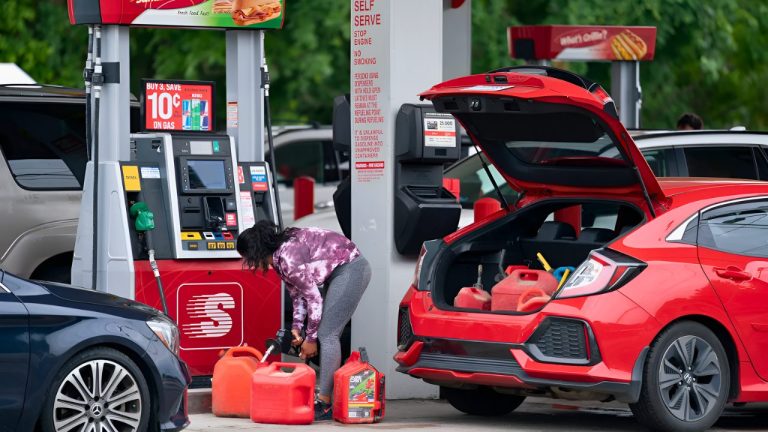
While buyers haggled over sticker prices, a quieter extraction was accelerating. Destination charges on the Ford F-150 climbed from $1,695 in model year 2020 to $2,795 in model year 2026. That is 7 percent of the truck’s base price, baked into every sale, non-negotiable. Industry-wide, buyers paid more than $26 billion in destination charges in 2025 alone. Average fees hit a record $1,551, up 37 percent since 2019. One Massachusetts dealer said carmakers have raised destination charges “certainly faster than they’ve raised prices,” calling them “less transparent to the consumer.” Twenty-six billion dollars. Hidden in plain sight.
The Tariff Funnel

Those destination charges did not spike by accident. After tariffs went into effect in March 2025, automakers needed a way to cover the costs without raising the advertised MSRP. Destination fees became the funnel. Cox Automotive analyst Erin Keating explained the surge in two words: “Tariffs. Full stop.” The mechanism is elegant and brutal: a 25 percent government tariff converts into a non-negotiable consumer fee labeled “delivery.” The price on the commercial stays clean. The bill at the dealership does not. Consumers absorb the tariff without ever seeing the word “tariff.”
The Inverted Pyramid

The pressure does not stop at the dealership door. For the first time in roughly 20 years, automotive suppliers now earn higher profit margins than the manufacturers they supply. Supplier margins rebounded to 6.4 percent in the third quarter of 2025. OEM margins fell to 3.9 percent, down nearly 60 percent from their 2021 peak. The pyramid flipped. Suppliers set prices. Manufacturers absorb the squeeze. Dealers pass costs to buyers. Every layer protects its margin by leaning on the layer below, and the bottom of that chain is your wallet.
Empty Bays

Ford dealerships currently have approximately 5,000 unfilled technician positions. Salaries reach up to $120,000 annually, and still nobody comes. The result: roughly 6,000 service bays sit idle across the Ford dealer network. The broader U.S. auto industry faces an estimated shortage of 400,000 skilled technicians. Service departments generate the fattest margins in the building, 45 to 55 percent on labor, 30 to 60 percent on parts. Those margins mean nothing without hands to do the work. Ford’s idle bays are hospital beds with no nurses. Repairs back up for weeks.
The New Rule

This is not one company’s problem. It is a structural inversion of how the entire automotive value chain operates. OEMs no longer control supplier pricing. Dealers no longer control consumer behavior. GM Financial posted $2.1 billion in net income for 2025, up 10.6 percent year over year, proving that captive finance, not manufacturing, is where automakers actually make money. The car company is becoming a lending company that happens to build vehicles. Once you see that, every MSRP on every lot looks like a down payment on a financing trap.
The Revolt

American buyers figured it out. Sixty-six percent of U.S. car buyers now cross-shop new, used, and lease options simultaneously, a shift in bargaining power away from dealers. Dealers’ ability to sell above MSRP collapsed by roughly 50 percent in 2024 compared to 2023. Days to sell inventory doubled from 30 in early 2023 to nearly 60 in 2024. Floor plan financing costs surged from $126 million in 2021 to $363 million by late 2023. Lots are filling up. Buyers are walking out. The leverage is shifting, and dealers feel every unsold day in interest payments.
The Next Fight

Dealer associations are expected to lobby to protect the franchise system. OEMs may expand direct-to-consumer pilots. Captive finance arms could stretch loan terms past 60 months to spread the total cost. Destination charges may rebrand under softer names. None of that changes the math: suppliers now outprice manufacturers, service bays sit empty, and two-thirds of buyers refuse to play the old game. The person who walks into a dealership knowing that the vehicle price is only 25 to 30 percent of the profit equation holds every card the dealer thought was hidden.
Sources:
“Ford Has A Huge Mechanic Shortage. Here’s How Long You’ll Have To Wait For Repairs.” The Autopian, 7 Nov. 2025.
“GM Financial Reports Full Year and Fourth Quarter 2025 Operating Results.” GM Financial / BusinessWire, 26 Jan. 2026.
“Automotive Profitability: How OEM and Supplier Margins Are Faring.” Bain & Company, 19 Nov. 2025.