Ford Burns $4.8B On EVs And Hides Secret Lab For 3 Years—’Humbled’ CEO Admits Mistake
Somewhere in Long Beach, California, 350 engineers showed up to work every morning for three years building something Ford refused to talk about. No press tours. No investor decks. No leaks. While the rest of the company bled $4.8 billion on electric vehicles nobody wanted at full price, this team operated as if it belonged to a different company entirely. Led by a former Tesla executive named Alan Clarke, they had one job: save Ford from itself. The silence just broke.
The Billion-Dollar Bleed
Ford’s EV division, Model e, lost $4.8 billion in 2025. Another $4 to $5 billion in losses loomed for 2026. The F-150 Lightning collapsed from 5,197 units sold in December 2024 to just 1,724 the following December after the federal tax credit expired. A roughly 67% monthly drop. Meanwhile, Ford’s hybrid F-150 hit a record 84,934 units, up 15%. Customers weren’t rejecting electrification. They were rejecting Ford’s version of it. The premium-truck EV playbook had one fatal flaw nobody inside Dearborn wanted to name.
The Teardown That Changed Everything
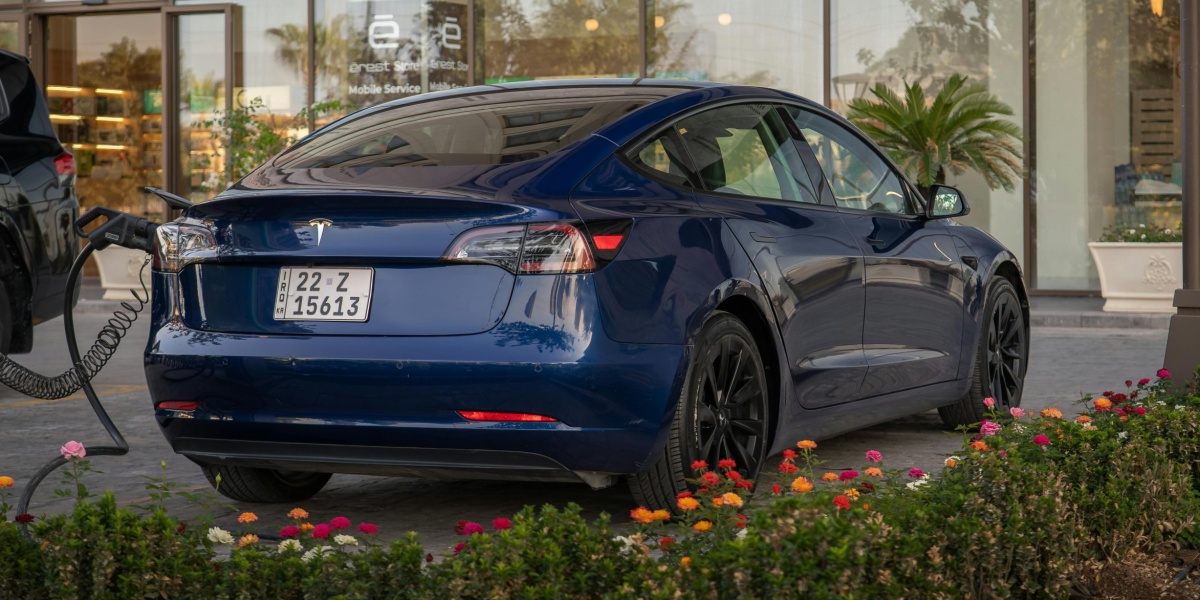
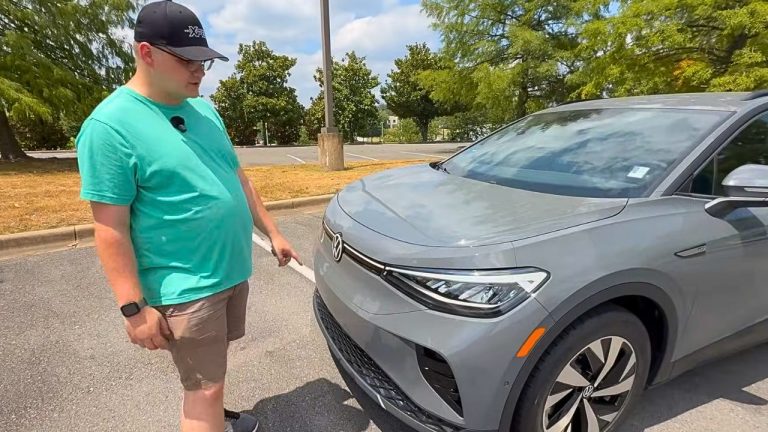
Ford’s engineers dismantled a Tesla Model 3. Then they tore apart Chinese EVs. What they found shattered the assumption that big manufacturers could simply bolt electric motors onto existing truck platforms and compete. The Mustang Mach-E carried 1.6 kilometers of excess wiring compared to the Model 3. Nearly a mile of redundant copper per vehicle. That bloat came from cramming EV components into an architecture designed for combustion engines. China, meanwhile, controlled 60% of global EV production by building from zero. Ford had been decorating the old house instead of pouring a new foundation.
A CEO’s Confession in Copper
“I was very humbled when we took apart the first Model 3 Tesla and started to take apart the Chinese vehicles,” Jim Farley said. “It was shocking what we found.” That quote landed after the billions were already gone. Ford’s own vehicle proved that the company’s engineering methodology produced systematic waste. Thirty-plus electronic control units are scattered throughout every Mach-E. Legacy supplier relationships are baked into every wire. The problem wasn’t one bad truck. The problem was a century of optimization for complexity instead of simplicity. Ford’s entire manufacturing philosophy needed replacing.
The Bounty Hunters of Long Beach

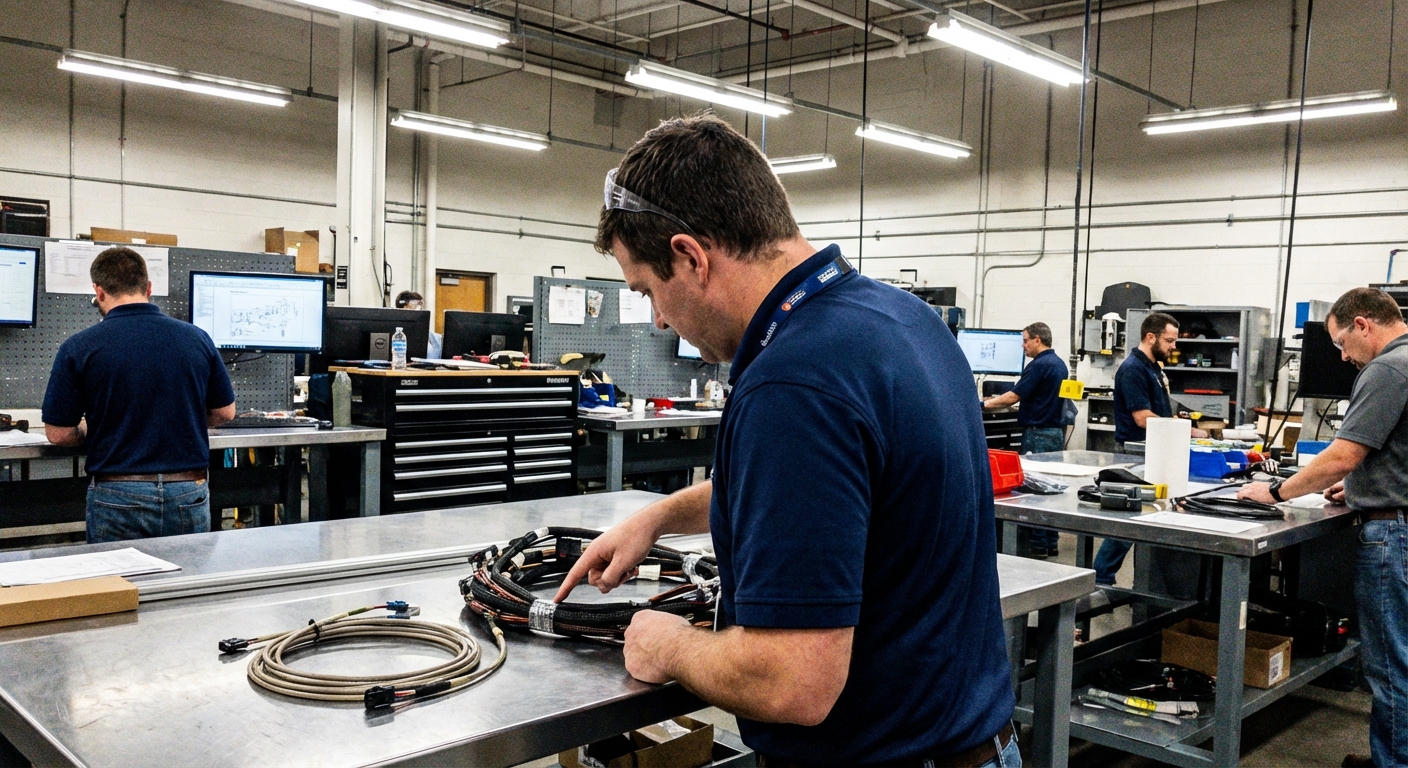
Ford’s secret weapon is a “bounty” system. Every gram of weight, every millimeter of height, every fraction of aerodynamic drag carries a dollar value. Engineers from Tesla, Formula 1, Apple, Lucid, and Rivian compete to strip cost from every component. The Universal EV platform they built cuts the wiring harness by 4,000 feet and 22 pounds per vehicle. Thirty-plus ECUs collapse to five modules. That 83% simplification mirrors what Tesla and Chinese makers already achieved. Ford didn’t invent a breakthrough. Ford finally admitted the old way produced engineered waste.
Numbers That Bury the Old Model
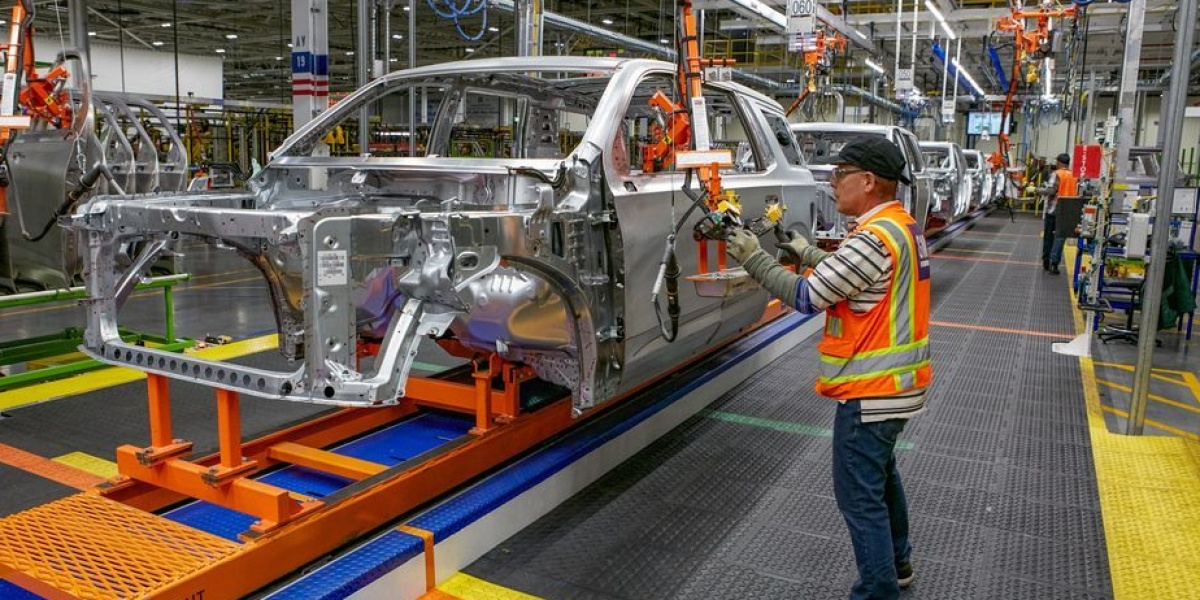
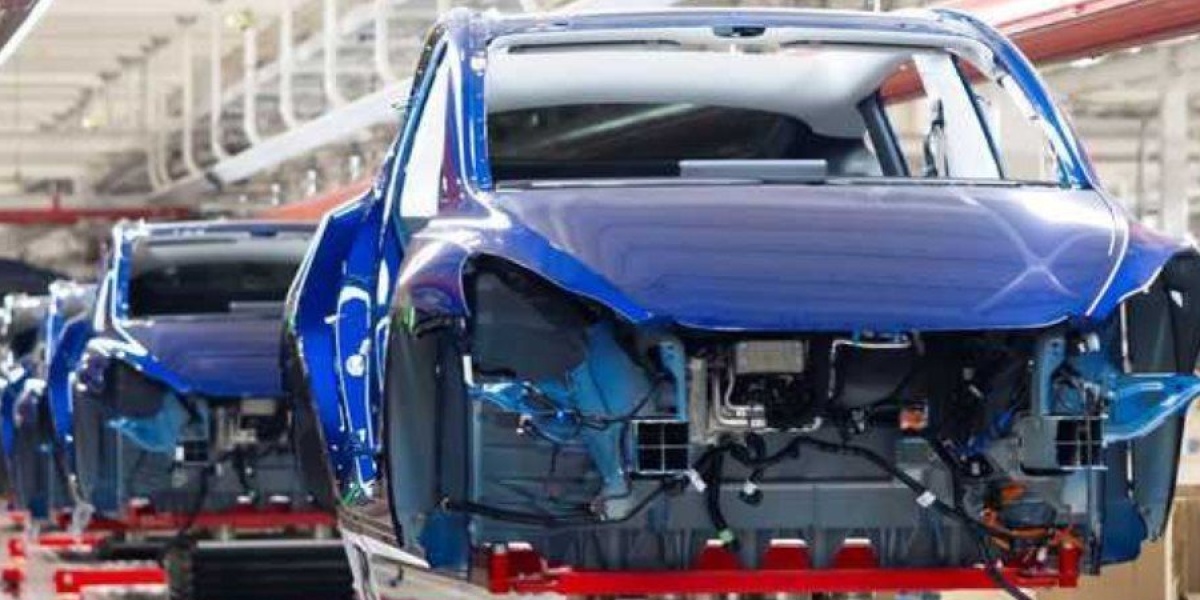
The UEV platform delivers 50 miles more range than the lowest-drag mid-size pickup on the market, using a 30% smaller battery. Ford’s new Assembly Tree production system replaces the moving assembly line with three parallel sub-assembly tracks and kit-based stations. Initial result: 40% fewer workstations, 15% faster assembly time after quality reinvestment. Workers reach over the fender 84% less often. Connections drop 50%. Cooling hoses drop 50%. Parts drop 20%. Ford is dismantling the manufacturing process Henry Ford made famous, because that process now costs more than it saves.
The Gorilla in the Room
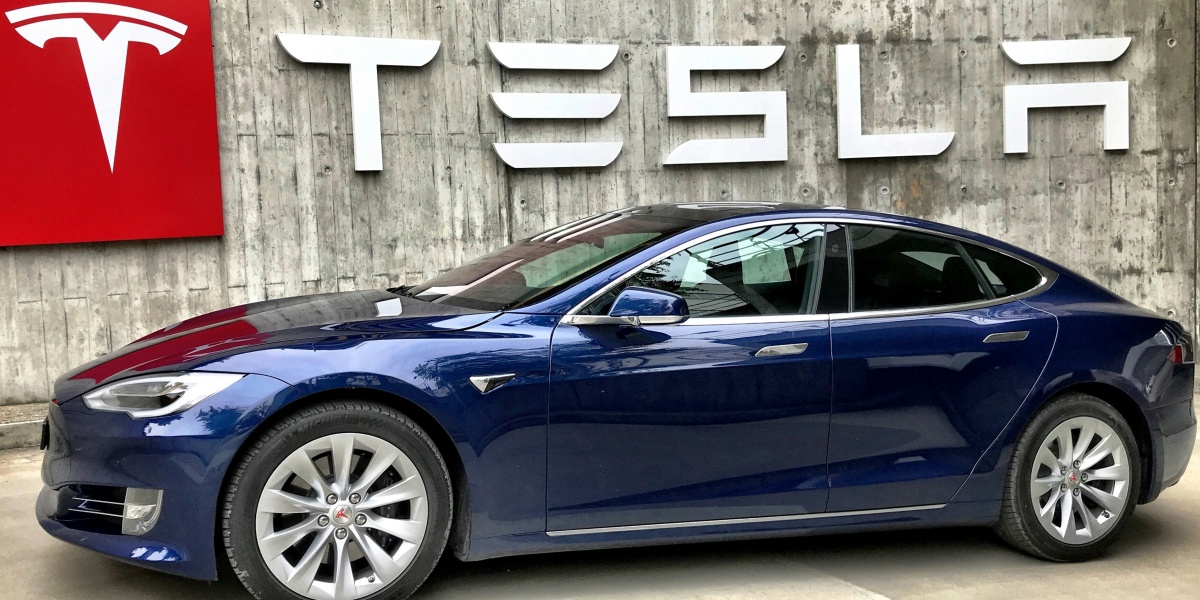
“There’s no real competition from Tesla, GM, or Ford with what we’ve seen from China,” Farley admitted. He called Chinese automakers the “700-pound gorilla.” Nearly half of China’s domestic vehicle market ran electric in 2025. Chinese brands already account for 25% of all cars sold in Mexico. Huawei and Xiaomi build operating systems directly into Chinese vehicles while American automakers still bolt on third-party apps as afterthoughts. Global EV sales hit 20.7 million in 2025, up 20%. The market Ford fumbled is accelerating without Ford in it.
The Assembly Line Dies at 100
Ford’s Assembly Tree represents the first fundamental redesign of automotive manufacturing in over a century. That fact reframes the entire story. This isn’t one company fixing one truck. This is an admission that the production system Detroit built its empire on became the reason Detroit can’t compete. China saw this around 2015 and designed it from scratch. Ford saw it in 2025, when it pulled apart a competitor’s car and found the evidence sitting in its own wiring harness. Once you see that, every legacy vehicle looks like a museum piece with a price tag.
The 2027 Cliff
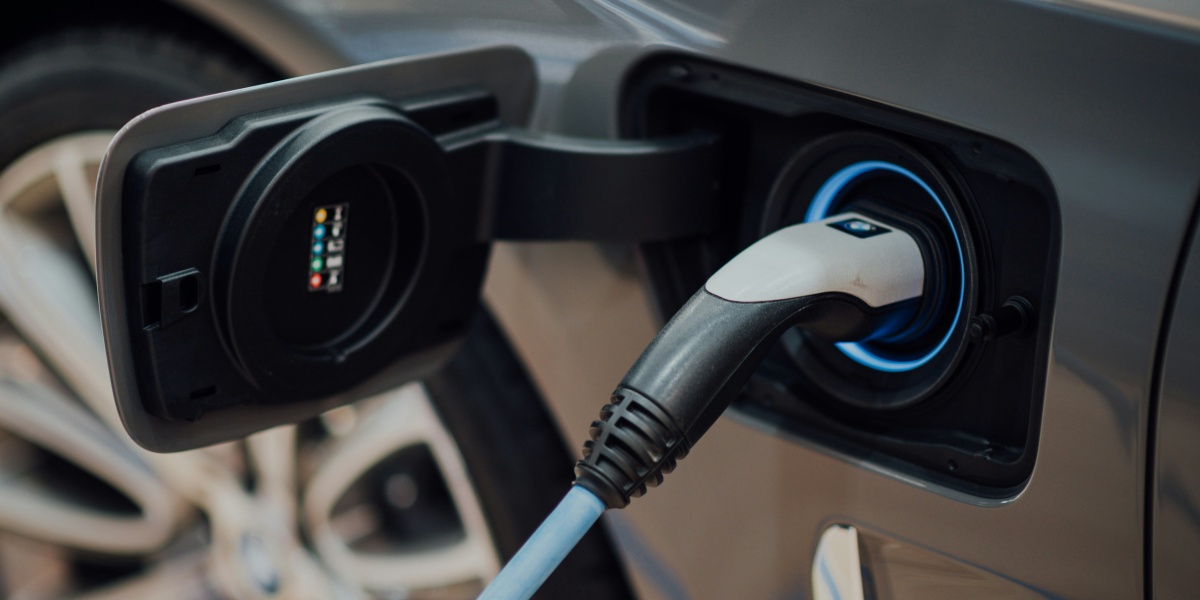
Ford targets a $30,000 mid-size electric pickup launching in 2027 as a 2028 model year. The Model e division aims for breakeven by 2029. If the UEV misses that window, cumulative EV losses could approach $15 billion before a single profitable electric truck rolls off the line. The F-150 Lightning is dead, replaced by an extended-range electric vehicle with 700-plus mile range and a gas generator backup. Ford killed its flagship EV and bet the company on a truck that doesn’t exist yet.
The Race Ford Can Still Lose
Competitors could eventually reverse-engineer the Assembly Tree concept. Chinese automakers are already negotiating U.S. manufacturing partnerships. Tesla will slash prices to protect volume. Legacy auto suppliers face extinction as the 30-plus-ECU ecosystem collapses. Ford’s approximately 56,500 U.S. hourly workers may face retraining as ergonomic assembly replaces traditional skills. If the $30,000 UEV succeeds, it resets global EV pricing downward and proves American manufacturing can still adapt. If it fails, the company that sold America’s best-selling truck for 49 consecutive years handed the future to Beijing without a fight.
Sources:
“Ford CEO Says a ‘Shocking’ Discovery After Taking Apart Rival Tesla and Chinese EVs.” Fortune, 11 Nov. 2025.
“Ford CEO: ‘The Customer Has Spoken’ After EV Loss Nears $5 Billion.” Business Insider, 11 Feb. 2026.
“Ford Turns to F1 and Bounties to Build a $30,000 Electric Truck.” TechCrunch, 17 Feb. 2026.
“Ford Unveils Long Beach Design Center, Where It Hopes to Create the Next Great Electric Truck.” Long Beach Post, 2025.