Ford Axes 4,000 Feet Of Wiring From $30K Pickup As 3-Year-Old Startup Races To Market First

Somewhere in Long Beach, California, 650 engineers with Formula 1 pedigrees and Tesla resumes are dismantling a pickup truck that doesn’t exist yet. Not building. Dismantling. Stripping parts, fasteners, wiring by the thousands. Ford committed $5 billion to this project across two plants. The target price on the whiteboard: $30,000. And a venture-backed startup in Indiana already has 150,000 people in line for something similar.
The Reservation Wall
Slate Auto collected those 150,000 reservations at $50 each, promising an electric truck under $20,000 after federal tax credits. No radio. No power windows. No paint. A 201-horsepower motor and 150 to 240 miles of range depending on battery. The pitch landed because affordability in the truck market broke years ago. Slate’s CEO Chris Barman said it plainly: “The definition of what’s affordable is broken.” Ford noticed.
The Credit Vanishes

Then the federal EV tax credit disappeared. Slate’s entire pricing model depended on a $7,500 government check that no longer exists. Overnight, the sub-$20,000 truck became a mid-$20,000 truck. That $7,500 gap represented the margin between a disruptive price and a competitive one. The effective price to buyers rose before Slate delivered a single vehicle. Ford’s $30,000 truck, loaded with features, suddenly sat only a few thousand dollars north.
The Irony Engine
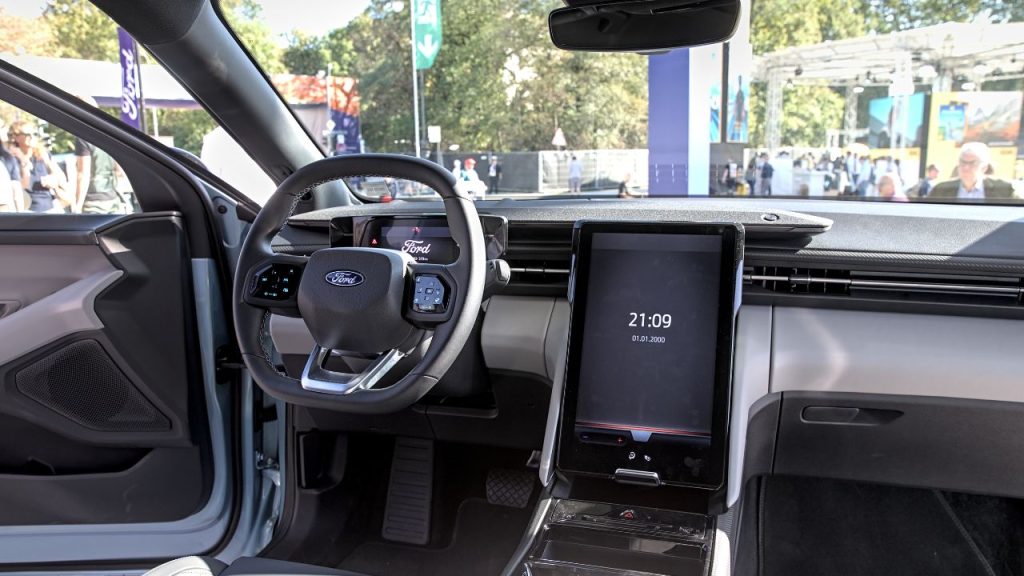
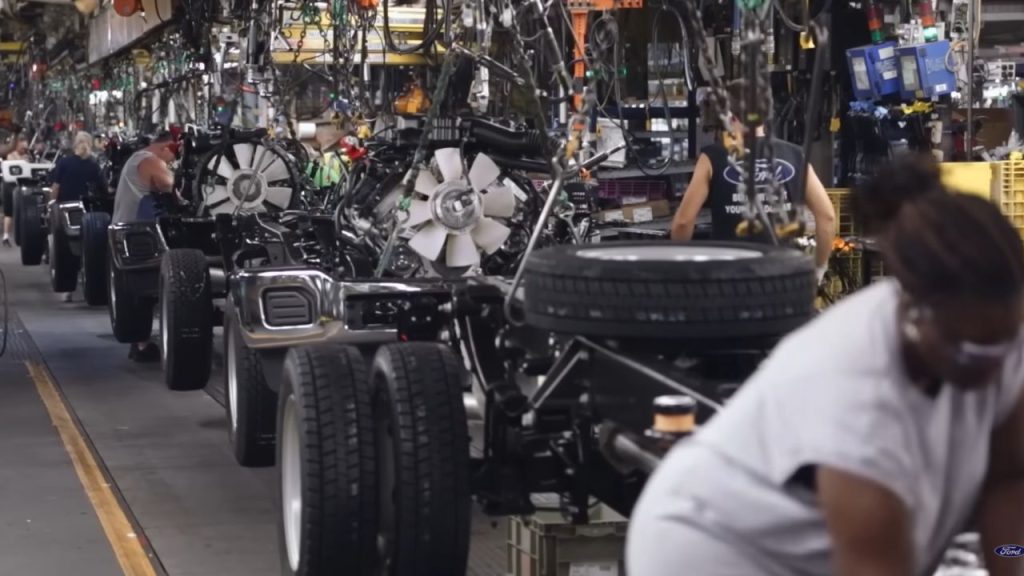
Ford’s chief EV officer Doug Field said Ford’s truck “will not be a stripped-down, old-school vehicle”—an implicit jab at Slate’s bare-bones approach. Then Ford’s own platform eliminated 20% of parts, 25% of fasteners, 40% of workstations, and 4,000 feet of wiring. Both companies pursued radical simplification. Ford called it innovation. Slate called it freedom. The difference: Ford wrapped the simplification in zonal architecture and OTA updates. Slate shipped bare.
The Ghost Architect

The engineer running Ford’s $30,000 pickup spent 12 years at Tesla. Alan Clarke led or contributed to every Tesla volume vehicle: Model S, X, 3, Y, Cybertruck. Ford absorbed the playbook of the most capital-efficient EV manufacturer on earth, then pointed it at a $30,000 truck. Slate is competing against the architect of Tesla’s manufacturing discipline without knowing the blueprint already changed hands.
Millimeter Wars
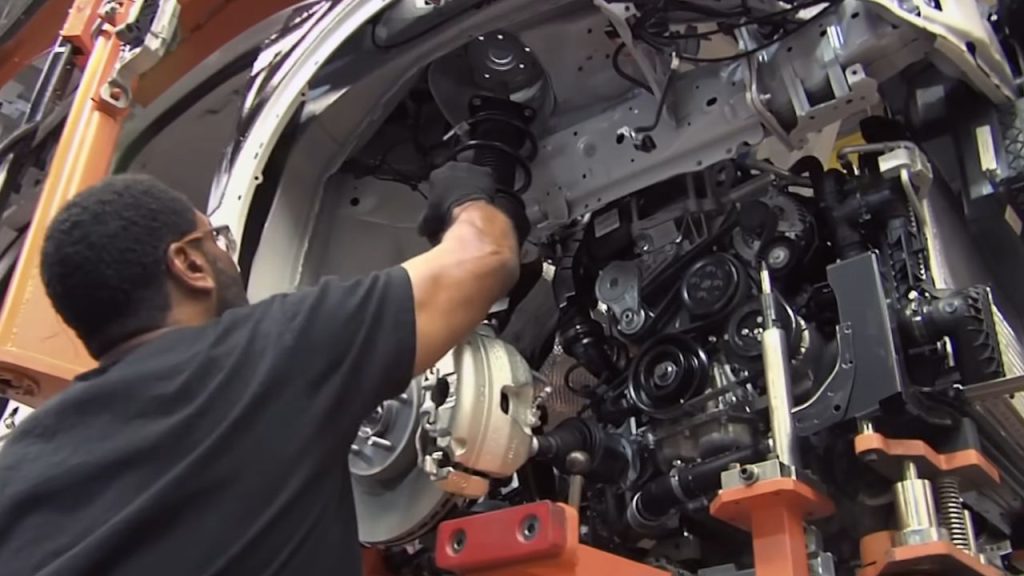
Ford’s bounty system assigns a dollar value to every gram of weight, every point of aerodynamic drag. One millimeter of roof height costs $1.30 in battery expense or 0.055 miles of range. Mirror redesigns added 1.5 miles. Aluminum unicastings consolidated 146 components into two structural pieces, cutting 27% of weight. Aerodynamic efficiency runs 15% better than any pickup on the market.
Shrinking Battlefield
Both companies are pouring billions into a market that contracted 15.6% in 2025. EV pickup sales dropped to 90,019 total units. Cybertruck sales halved from 39,000 to 20,200. Ford’s own F-150 Lightning fell 18.5% to 27,000 units. Two new affordable entrants are chasing a shrinking customer pool with $5 billion and more than $711 million riding on the outcome. That roughly 7-to-1 capital ratio matters when the pie gets smaller.
The Assembly Tree
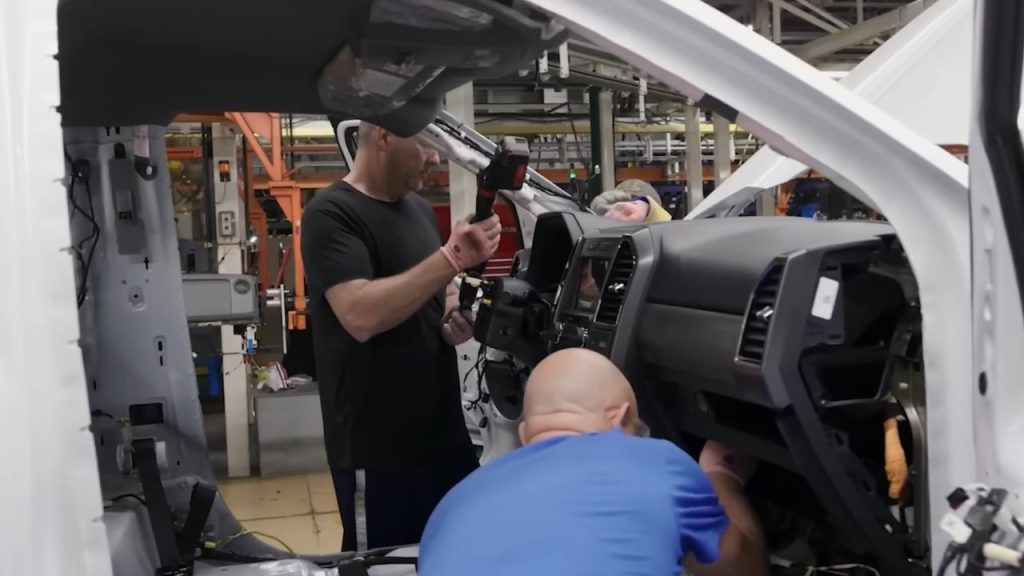
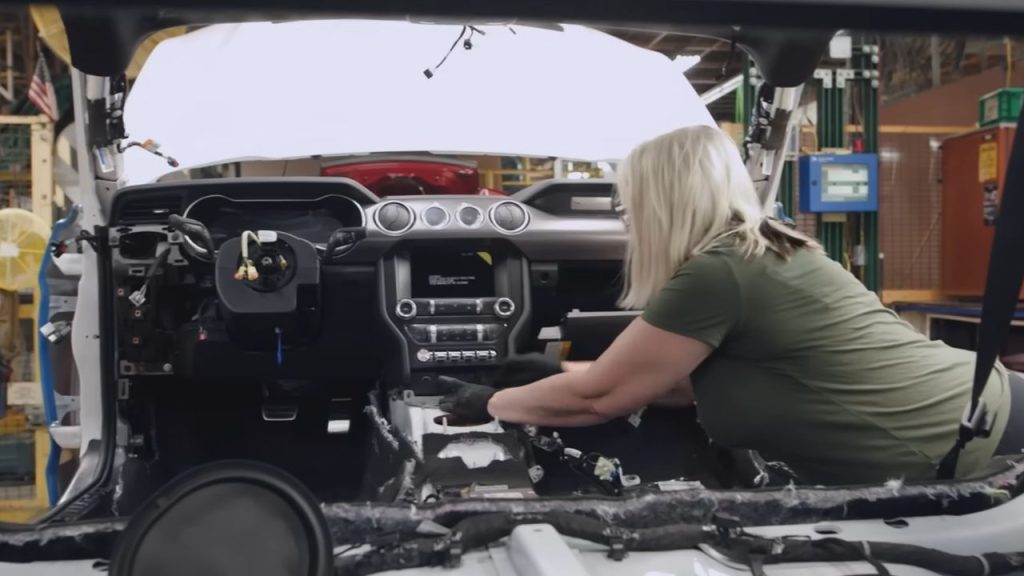
Ford replaced the century-old moving assembly line with an “assembly tree” running three simultaneous sub-assemblies. Production runs 40% faster, netting 15% after reinvestment in automation. The zonal architecture reduces 30-plus electronic control units to five. This manufacturing system, not the truck, is the actual product. Every automaker that ignores it falls behind. Every startup that can’t replicate it competes at a permanent disadvantage.
The Clock

Slate targets late 2026 production from Warsaw, Indiana, with more than $711 million in total funding and 78 beta prototypes crash-tested. Ford targets 2027 with $5 billion, 4,000 jobs across two plants, and Level 3 autonomy by 2028. Slate must execute flawlessly across manufacturing, supply chain, and customization with zero buffer for a single delay. Ford can absorb mistakes and keep building.
The Real Race
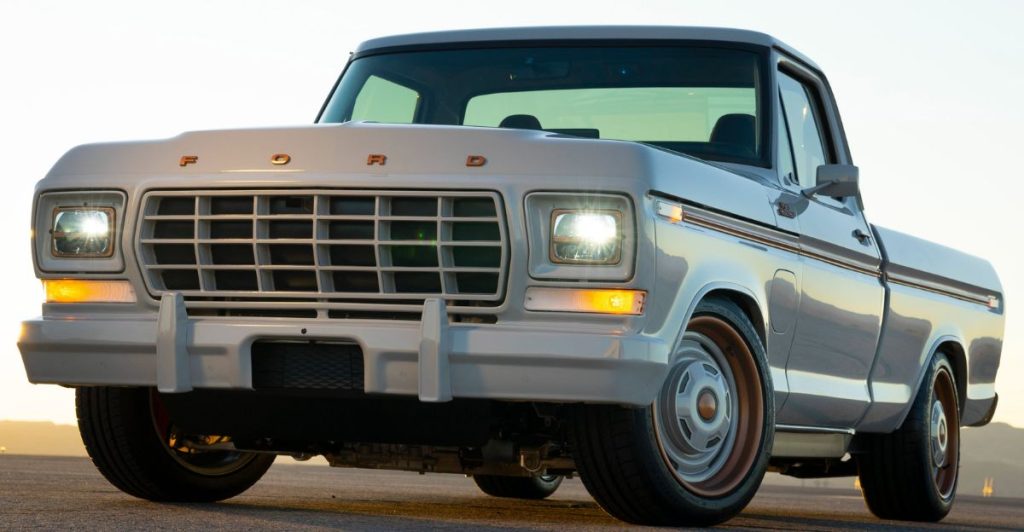
Slate’s price advantage was never Slate’s. It was a government subsidy. Now both trucks compete on operational efficiency, and Ford holds a century of manufacturing discipline, Tesla’s former chief architect, and a roughly 7-to-1 capital advantage. Slate’s counter: a direct-to-consumer model, 3D-printed accessories, and the loyalty of 150,000 reservation holders betting a startup can outrun a giant in a contracting market.
If you enjoyed this article, please like and follow us here on MSN! Thank you for reading, and have a great day!
Sources:
“Ford turns to F1 and bounties to build a $30,000 electric truck.” TechCrunch, 16 Feb 2026
“Ford’s New 2028 Electric Truck Will Be a Fully Modern EV for $30000.” Car and Driver, 16 Feb 2026.
“Slate Shakes Up EVs With $28,000 Pickup That Turns Into An SUV.” Carscoops, 27 Apr 2025.
“Electric Pickup Truck Sales in the U.S. Struggle to Gain Traction in 2025.” EVDances, 15 Jan 2026.