Ford Adds 83,576 to Its 7.4M Recalled in 2026 for Crash Risk
It’s a dark two-lane road, no streetlights, and somewhere ahead, a car comes around the bend wrong — not swerving, not speeding, just something slightly off about the way its lights sweep across the asphalt toward you. You don’t know what it is. You don’t have time to figure it out. You brake anyway.
The driver coming at you doesn’t react at all, because from their seat, nothing unusual is happening. NHTSA filed two new recalls on March 3rd covering 83,576 Ford vehicles, and that moment on a dark road — the one where one driver has no idea — is exactly what one of them is about. The other one is under the hood, and it’s worse.
Your Headlights Are the Problem
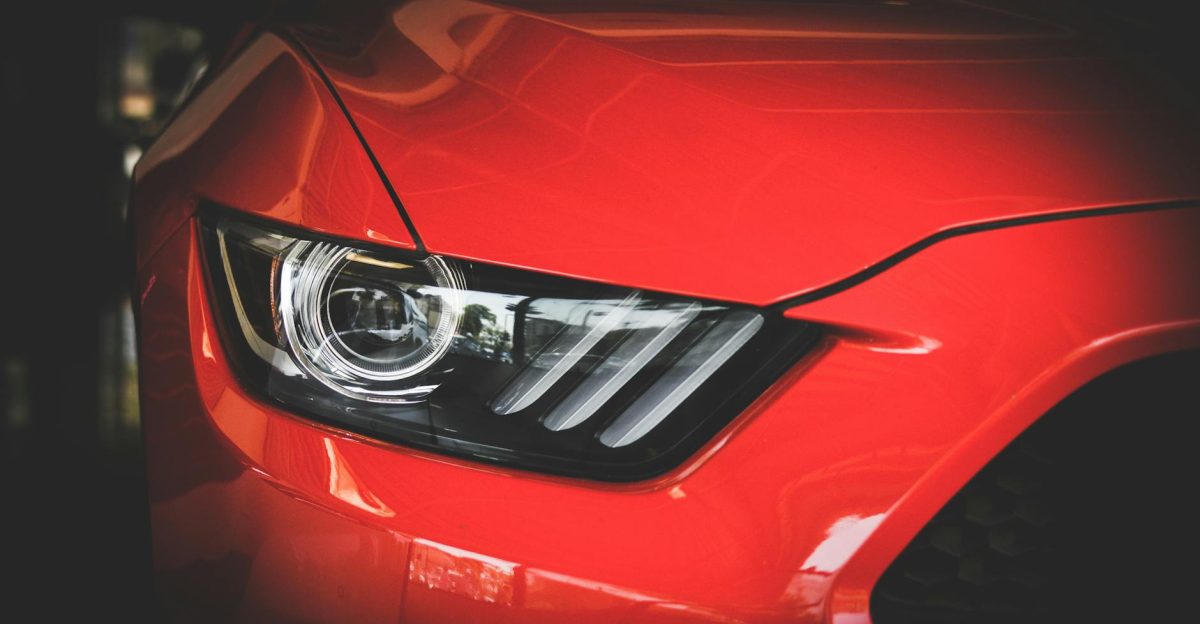
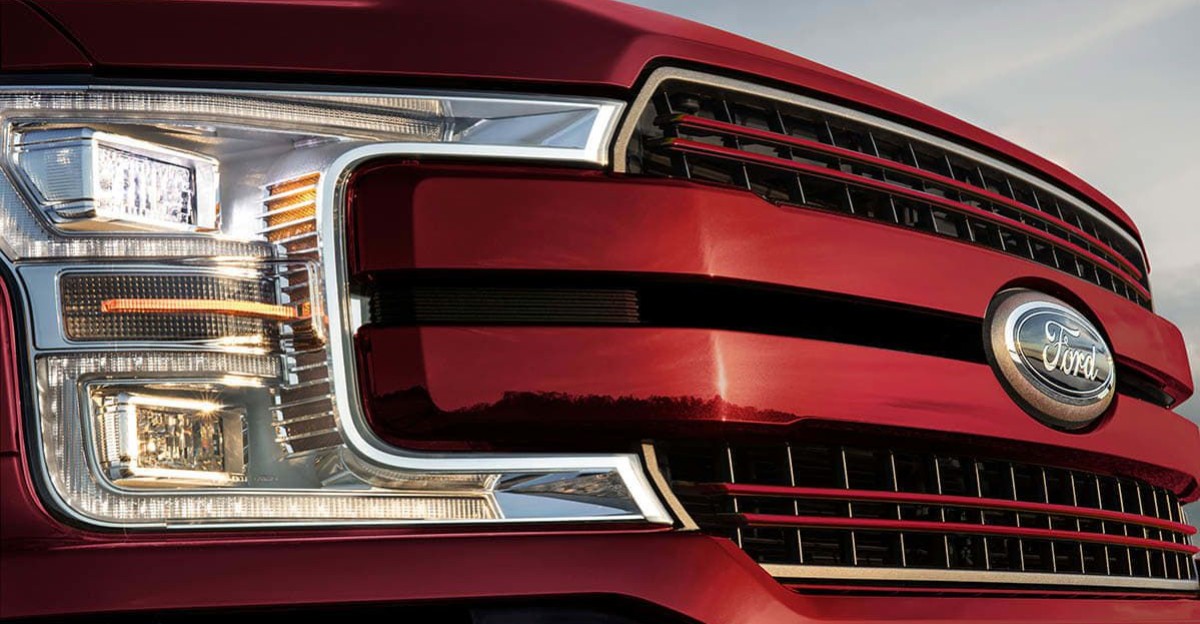
NHTSA campaign 26V121 covers 35,772 Ford Explorers from the 2025 and 2026 model years equipped with the Dynamic Bending Light system, a feature designed to swivel the headlamps toward a curve as you steer. The driver-side headlamp follows the turn correctly. The passenger-side headlamp swivels in the opposite direction, away from the curve and into oncoming traffic.
There is nothing from the driver’s seat to suggest any of this is happening. The lights look like they’re working because, for the person behind the wheel, they are. The danger belongs entirely to whoever is coming the other way.
Ford Tried to Close This One Down
Ford’s Critical Concern Review Group reviewed the DBL software error in October 2025 and concluded it didn’t technically impair headlight effectiveness under FMVSS 108. NHTSA sent that determination back. Federal compliance officers requested photometry test data through November 2025 and January 2026, and testing found a specific test position at which the passenger-side headlamp exceeded the maximum allowable photometry for glare.
Ford reopened the investigation on February 16th, the Field Review Committee approved a recall on February 24th, and the filing landed at NHTSA on March 3rd. Ford has not disclosed who within the CCRG approved the original October determination to close the case. The fix is a Headlamp Control Module OTA software update, free of charge, with owner notification letters going out March 23rd through 27th.
47,804 Vehicles with a Valve That Can Quit
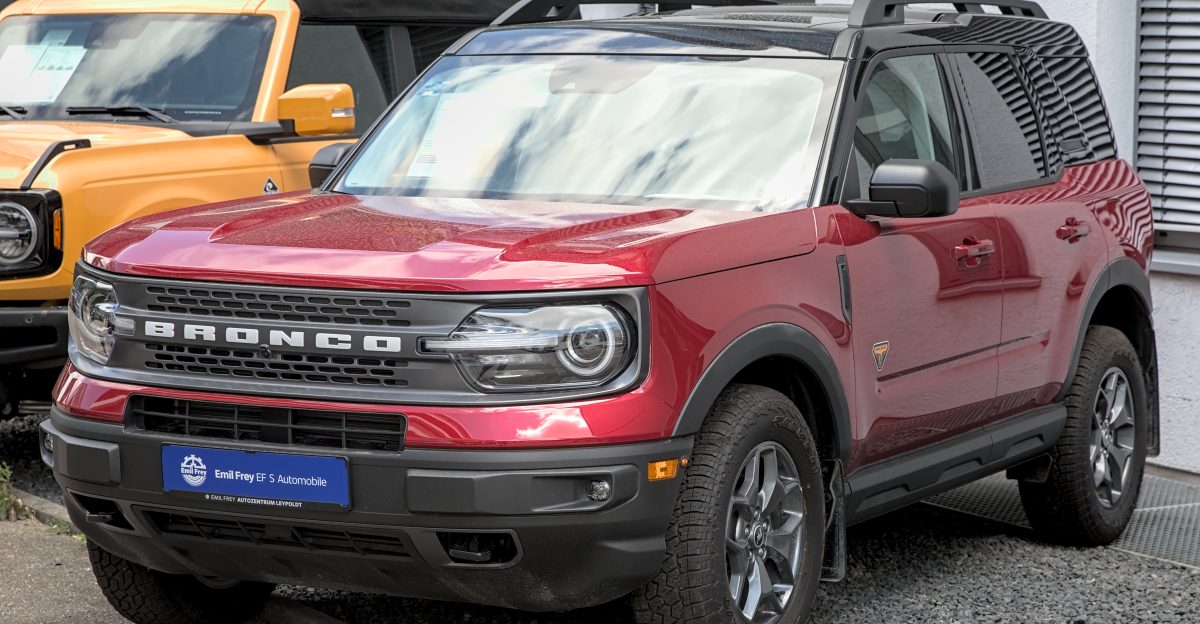
The second recall, 26V122, traces to a South Korean Tier 1 supplier named Korens. In 47,804 model year 2025 vehicles — the Bronco (305), Bronco Sport (12,860), Escape (10,733), Explorer (12,798), Maverick (5,644), Mustang (1,213), Ranger (211), Lincoln Corsair (1,200), and Lincoln Nautilus (2,840) — a poppet head inside the exhaust gas recirculation valve can detach due to inconsistent laser weld penetration during manufacturing. When it breaks free, excessive exhaust gas floods back into the engine.
Affected engines span the 1.5-liter EcoBoost in the Bronco Sport and Escape, the 2.0-liter gas and 2.0-liter hybrid across multiple lines, and the 2.3-liter EcoBoost in the Explorer, Mustang, and Ranger. Symptoms can include weak acceleration, engine vibration, a check engine light, or a full no-start.
That’s Ford’s Line. One Claim Changed Everything
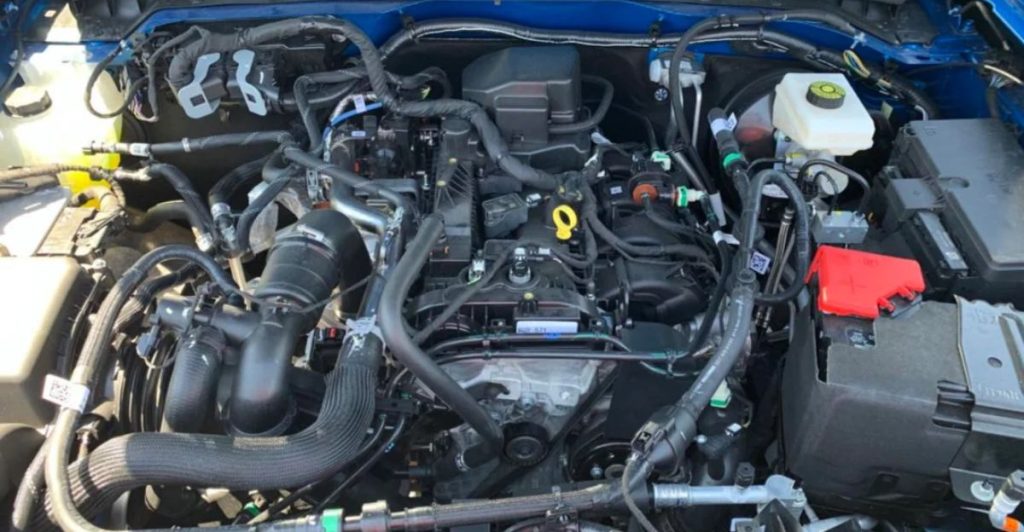
Ford’s NHTSA filing states that power loss would most likely occur at or below 20 kph, roughly 12 mph. That’s the scenario engineers replicated in test vehicles, and it’s how Ford justified keeping the investigation on monitor status from August through December 2025. Then a warranty claim surfaced in early 2026 whose language Ford could not rule out as a stall at highway speed.
One claim. That was enough to reopen the investigation on January 13th, secure Field Review Committee approval on February 24th, and file the recall on March 3rd. No accidents. No injuries. No repair yet. Interim owner letters went out March 16th through 20th, and a second letter with actual repair instructions will follow once Ford and Korens finalize a fix.
The 7.4 Million: Here’s the Math
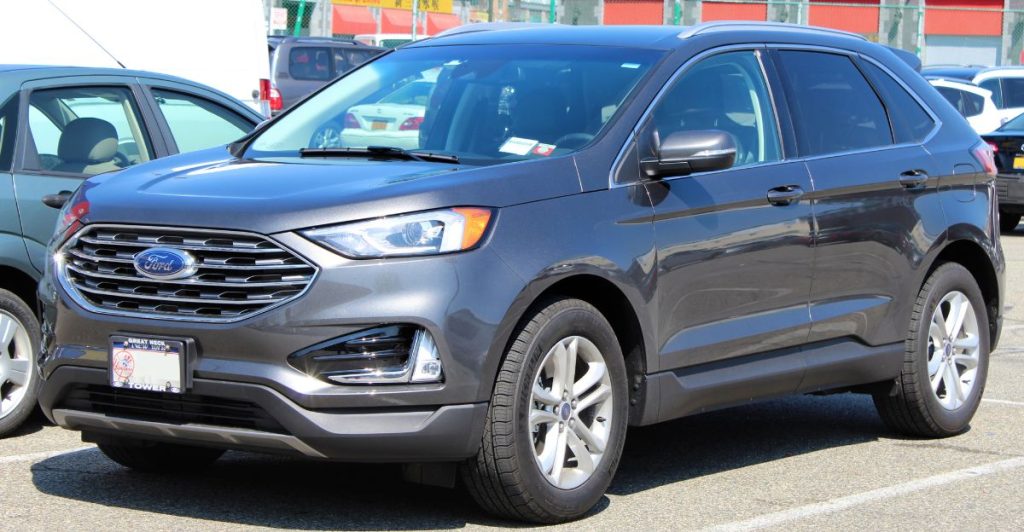
The five largest Ford recall actions through mid-March 2026 tell most of the story: 4,381,878 vehicles for the Integrated Trailer Module software glitch that could kill trailer brake and turn signal lights; 889,950 for inverted and flipped rearview camera images on Escapes, Explorers, Corsairs, and Aviators; 849,310 Broncos and Edges for an overheating APIM module that blacks out the backup camera; 604,533 for a windshield wiper motor failure; and 412,774 Explorers for rear suspension toe links that can fracture and cause loss of steering.
Those five campaigns alone account for more than 7.1 million vehicles. Across all 19 campaigns through mid-March, Yahoo Autos independently tallied 7,399,060, and these latest 83,576 push the 2026 running total well past 7.5 million.
What Kumar Galhotra Said, and What the Numbers Say Back
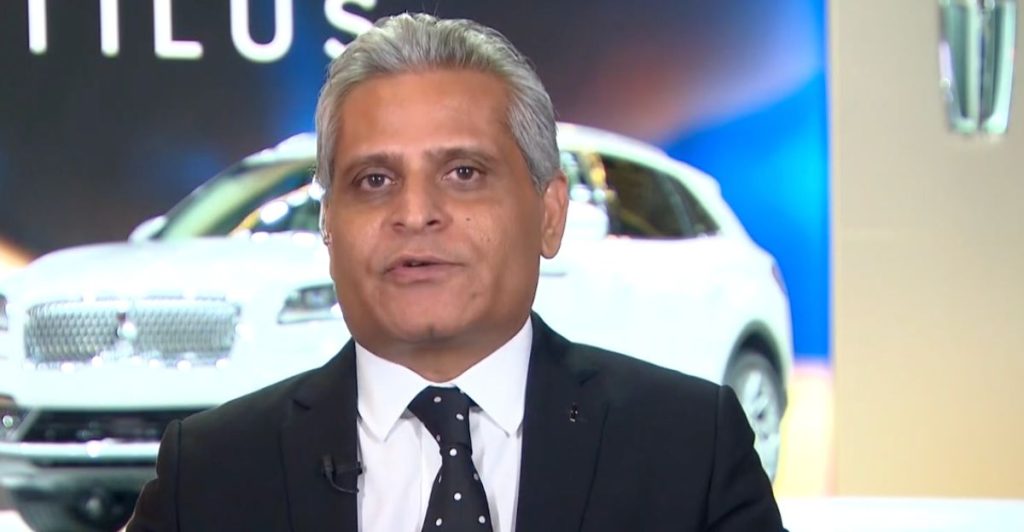
Ford COO Kumar Galhotra issued a public statement last July explaining all of it. “The increase in recalls reflects our intensive strategy to quickly find and fix hardware and software issues,” he said, adding that Ford had more than doubled its team of safety and technical experts over the prior two years. CEO Jim Farley has echoed the message repeatedly, tying employee bonuses to quality gains and calling first-year vehicle quality an area of genuine improvement.
Motor Illustrated reviewed the full 2026 data and put it plainly: “Ford is aware of its problems, but appears slow to react.” The company ran 153 campaigns in 2025 affecting 12,926,436 vehicles — more than the following nine brands combined, and its 2026 pace through the first quarter tracks higher, not lower. Whether Galhotra’s strategy is working depends entirely on whether you’re measuring intent or results.
The Myth That Gets People Hurt
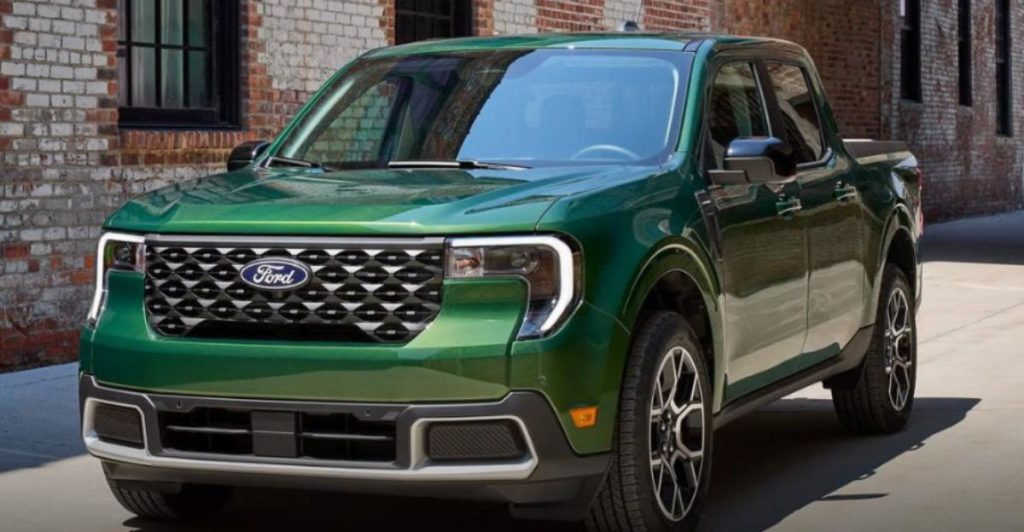
The most dangerous assumption in any recall is that a vehicle driving normally is a vehicle driving safely. Both defects here are invisible from the driver’s seat, no warning light, no symptom, no indication that anything is wrong until it isn’t. Ford confirmed zero accidents and zero injuries linked to either campaign as of the filing dates.
That’s not reassuring. That’s a ticking clock on 83,576 vehicles whose owners mostly haven’t heard a word yet, carrying conditions NHTSA formally documented as crash risks. The recall system exists to act before the injury reports come in. Right now, it’s doing exactly that, and most of those 83,576 owners are still driving.
Check the VIN. Do It Now
VINs for both campaigns are searchable right now at NHTSA.gov and through Ford’s recall lookup page, no letter required, no appointment needed. For the 35,772 Explorer owners in campaign 26C12, the HCM software update is available over-the-air, and most won’t need a dealer visit. For the 47,804 owners in campaign 26S10, a dealer visit will be required once the remedy is finalized, but there will be no charge.
Right now, the only thing available is confirmation that your VIN is in the campaign, so you’re not waiting in the dark. Ford’s recall line for both campaigns is 1-866-436-7332. The repair isn’t ready. The knowledge is free and instant. Use it.
Sources
Part 573 Safety Recall Report 26V121 — NHTSA
Part 573 Safety Recall Report 26V122 — NHTSA
Ford Recalls 35,772 Explorer SUVs After Headlight Software Issue — Yahoo Autos
Ford Has Had 19 Recalls In 2026 (And It’s Only March) — Yahoo Autos
Ford COO Kumar Galhotra Says Increase In Recalls Part Of The Plan — Ford Authority
Ford’s Recalls: History Repeating Itself in 2026 — Motor Illustrated