Ferrari’s Gray-Zone Gamble Stuns F1 As Wing That ‘Shouldn’t Exist’ Goes Live
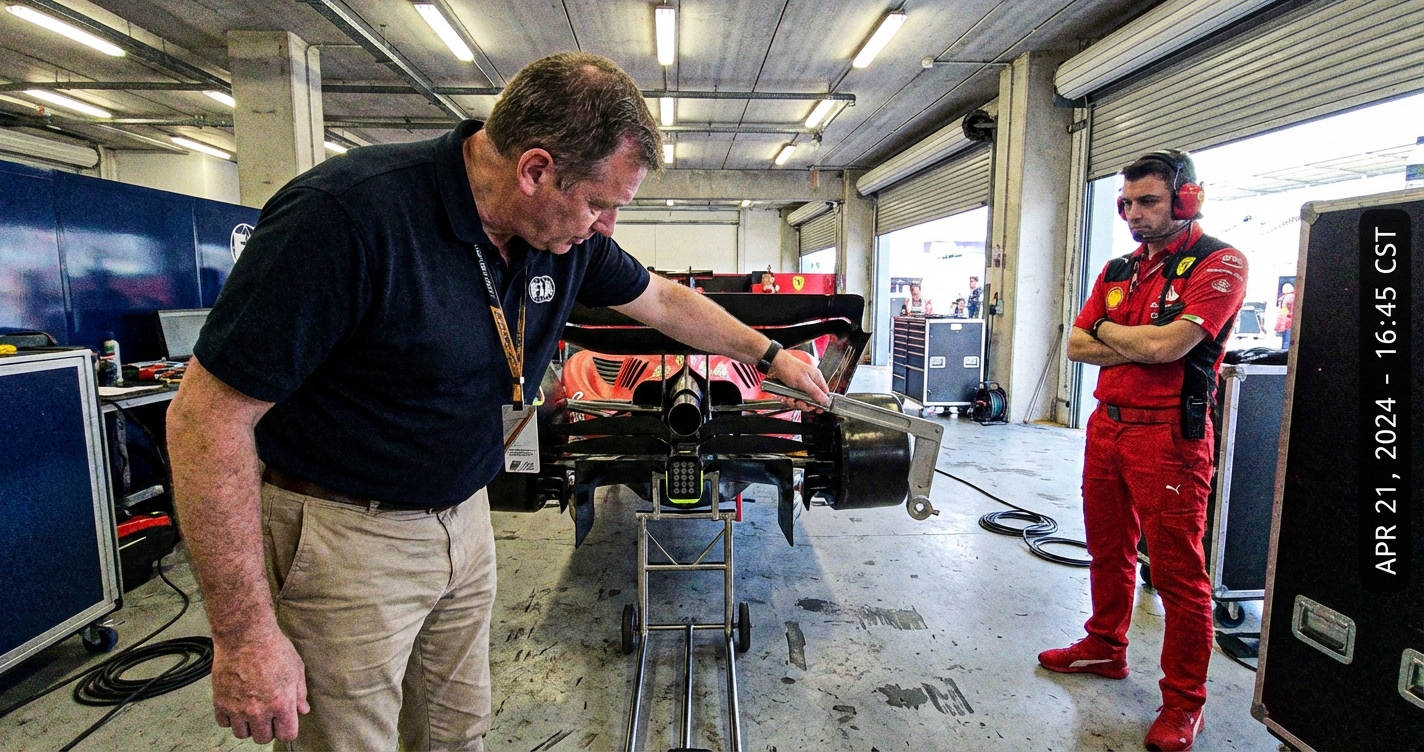
Ferrari didn’t ease into the Chinese Grand Prix weekend. They rolled both SF-26s into Friday’s sole free practice session, fitted with a rear wing that, at first glance, appeared to have been installed backwards. When the cars hit the straight for the first time, the wing didn’t flex or flutter — it rotated, flipping fully inverted before snapping back upright under braking.
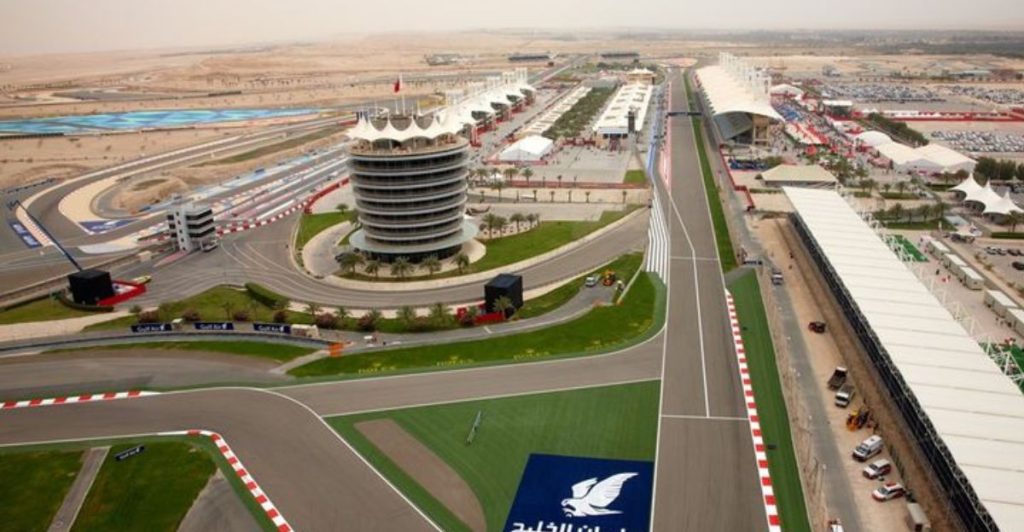
The “flip-flop” wing had already turned heads during Bahrain pre-season testing, but this was its first live race weekend appearance. One session. Both cars. Full commitment. Maranello had decided Shanghai was the moment to find out what they actually had.
A Wing That Rotates. Yes, Really
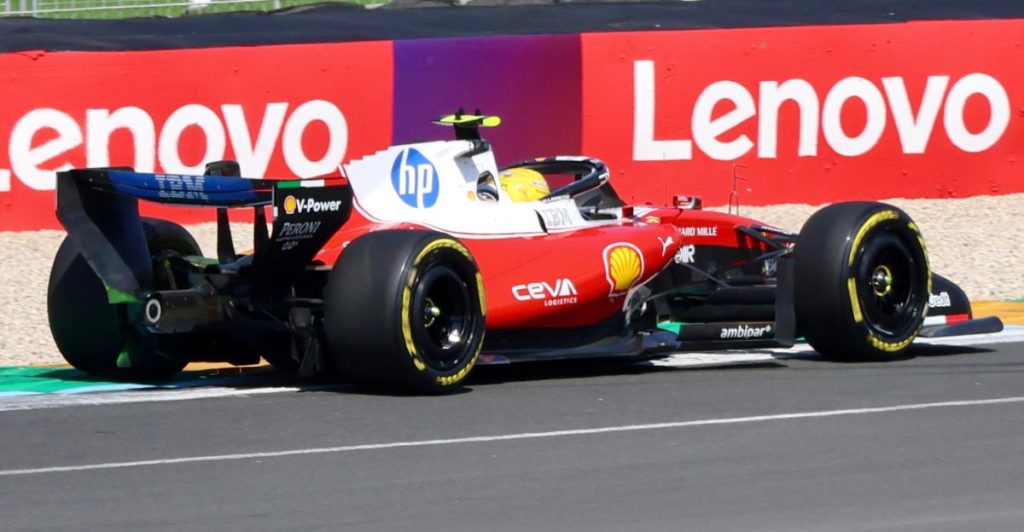
When Ferrari’s SF-26 hits a straight, the rear wing doesn’t flatten like every other car on the grid; it rotates, flipping to an inverted position to maximize airflow gap, slash drag, and buy straight-line speed that Maranello desperately needs against Mercedes. The physics are brutal in their simplicity: less resistance, more speed, same car. When the driver brakes or lifts, it snaps back and loads up for the corner.
Downforce restored, stability intact. One wing, two states. No extra button, just throttle and load doing the switching automatically. Sources describe the net positional change as roughly 180 degrees, though the total arc of the hinge mechanism may be greater.
The Name That Stuck
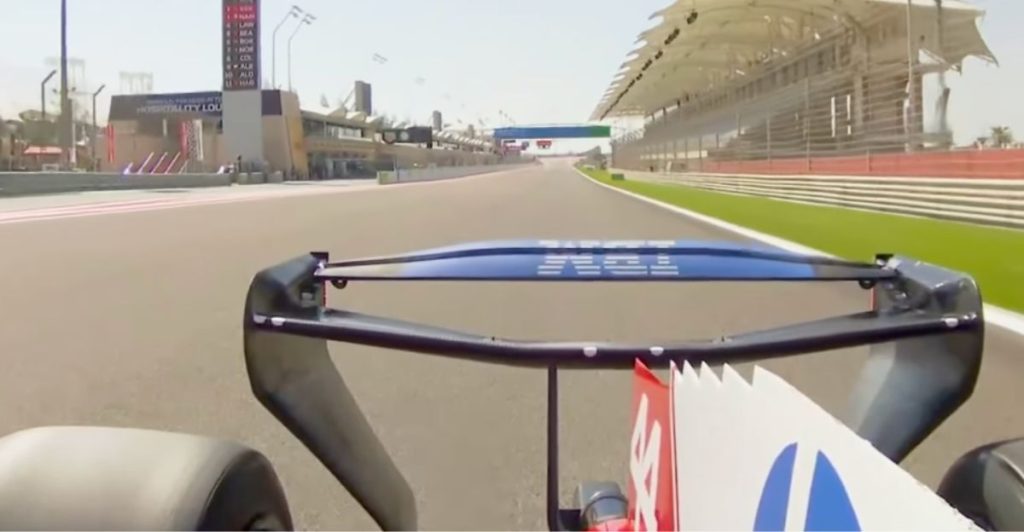
Lewis Hamilton called it the “flip-flop wing.” Fred Vasseur named it the “Macarena,” drawing on the ’90s dance move as his reference point. Hamilton, hearing the nickname for the first time from journalists, had no idea where it came from. “I don’t know if it has an official name,” he told reporters. “Someone said Macarena… I have no idea why. It’s the flip-flop wing!”
Ferrari pushed the timeline hard to get it to Shanghai … Hamilton confirmed it was never supposed to be on the cards until race four or five, but the team worked flat-out to make China happen. That urgency alone tells you how badly Maranello needed an answer to Mercedes.
The FIA Said Fine. For Now
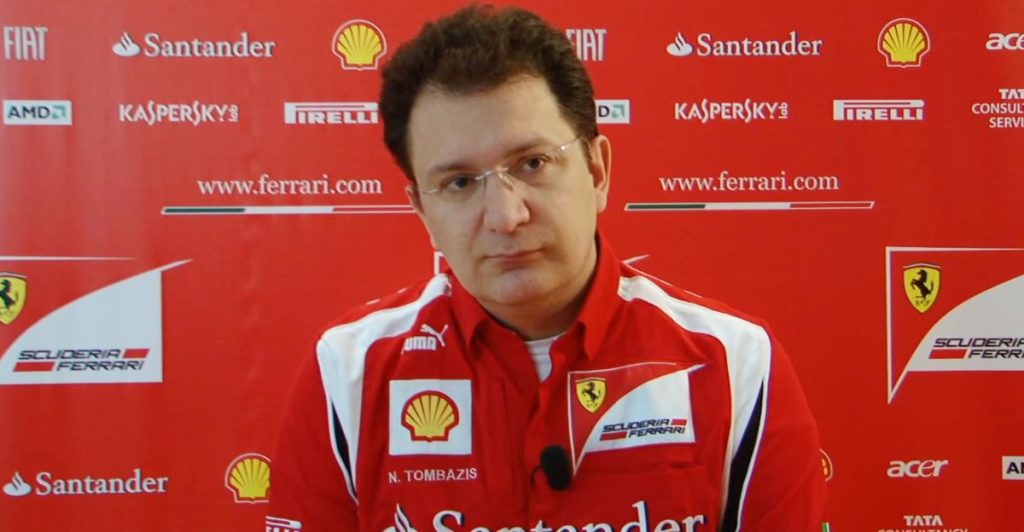
Before a single lap was run in Shanghai, Ferrari had already won the first battle: the FIA looked at this thing and didn’t ban it. Single-seater technical director Nikolas Tombazis gave it a green light in Bahrain, framing it almost as a compliment. “We have, generally speaking, encouraged solutions that reduce drag,” he told reporters. “The Ferrari solution, we believe, is OK.” Read that carefully. “We believe” is not “it is.” Tombazis isn’t writing a guarantee; he’s offering a current read.
The 2026 regulations gave teams new freedom to reduce drag, and Ferrari found a gap in that language, the kind of gap where “OK for now” can turn into “we need to revisit this” the moment results get uncomfortable for rivals.
The Rule Behind the Risk
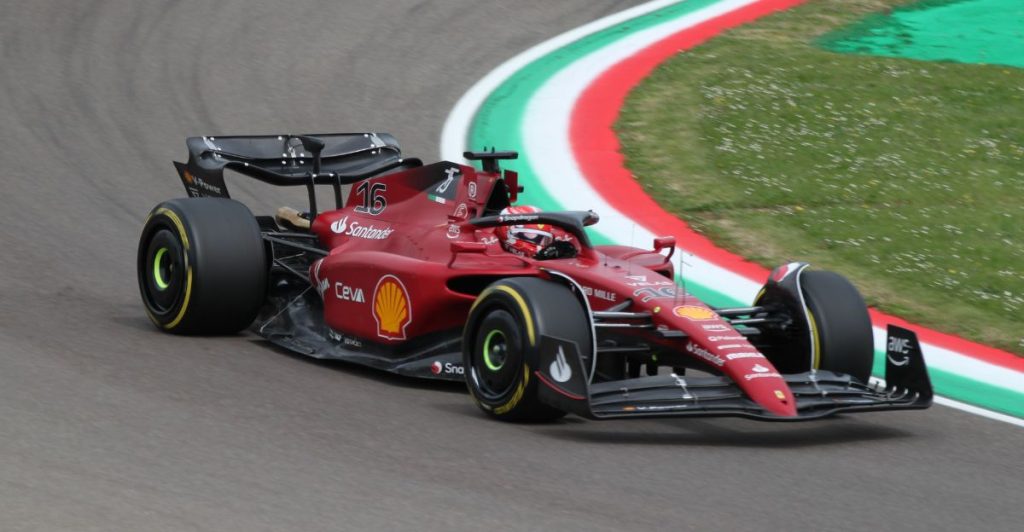
F1’s 2026 regulations replaced DRS with a fully active aero system, both front and rear wings adjust dynamically between Straight Mode and Corner Mode on every designated straight, for every driver, on every lap. Movement is permitted, but within defined parameters. Ferrari’s argument is straightforward: the regulations specify what the wing must do, but, as the F1 official channel noted in Bahrain, they don’t appear to specify that the wing must be mounted right-side-up when active aero is deployed.
If that sentence wasn’t written, the door stays open. It’s the same logic that’s driven F1’s greatest technical controversies for fifty years, not breaking the rules, but finding the line the rule writers forgot to draw.
Rivals: Shocked. Then Scrambling

Haas driver Ollie Bearman was right behind Hamilton in Bahrain testing when the wing first appeared, and his reaction said everything. “I was behind Lewis, and I saw it and I was like, [censored], what happened? I thought it was broken. But honestly, it’s super innovative.” He caught himself quickly: “It looks cool, but it’s heavy as well. Everyone, I think, has considered it, including ourselves. But there’s always a compromise to be made on those things.”
Translation: they thought about it, ran the numbers, and walked away. Williams boss James Vowles confirmed his team never even got that far: “That one hasn’t come across our radar. Not sure it’s good yet either, but let’s find out.” He said he expected results “near enough overnight, within 24 hours” to tell Williams whether to change direction. The scramble was already on.
One Session, Then Gone

FP1 ended. Sprint qualifying started. The Macarena was gone, stripped from both cars after Hamilton and Leclerc had set the fifth and sixth fastest times in the session. Hamilton spun at Turn 6 when the wing closed unexpectedly in the braking zone … “Brakes locked up,” he told the team on the radio. Sky Sports’ Ted Kravitz confirmed the call post-session: “Not because they think it gives them 5kph more speed in a straight line, but they are not sure it is reliable enough to make it through the rest of the weekend.
A lot of load goes through it as it flips, but they are not 100 per cent certain it will be reliable.” Hamilton afterward: “I don’t really know why we went back on it. I think we rushed it to get it here, and it was not supposed to be on the cards until race four or five. We only had two of them, and it was maybe a little bit premature.”
The Straight-Line Problem
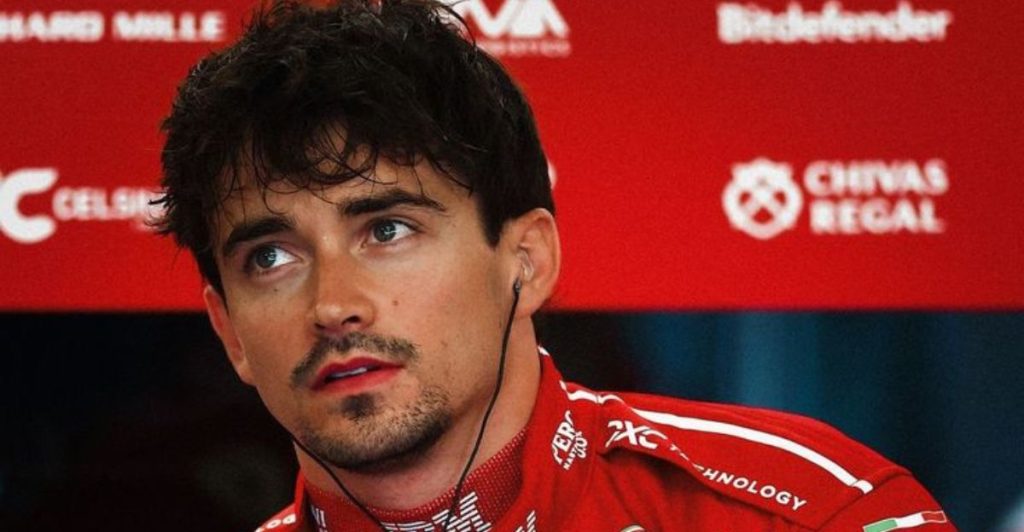
In sprint qualifying, Hamilton was fourth, 0.641 seconds off Russell’s pole. Leclerc was sixth, a further 0.367 seconds back, hampered by what Vasseur confirmed was a deployment issue on the back straight: “he didn’t have the same deployment as the lap before.” Hamilton didn’t dress it up: “It’s just we’re losing, I think it is on the straights, it’s a lot of time to be losing. So we have a lot of work to do. We really have to push so hard back in Maranello to improve on power.”
Kravitz pegged the Macarena’s straight-line gain at roughly 5 kph. In Japan, that doesn’t move mountains. In Bahrain, Jeddah, and Miami, 5 kph is the difference between hunting and being hunted
The Gray Zone Is the Point
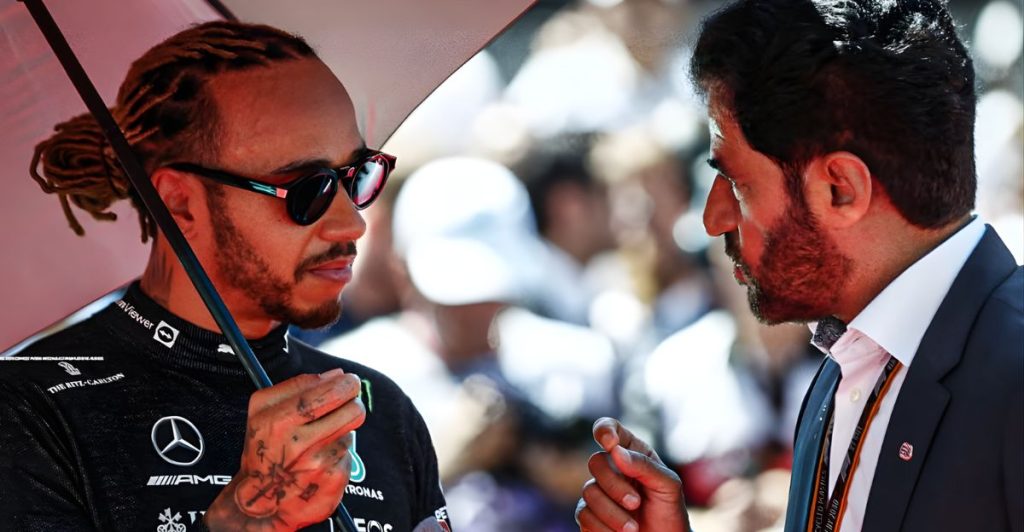
In Formula 1, the biggest performance gains rarely come from horsepower or aerodynamic genius. They come from reading the rulebook better than everyone else and finding the sentence that wasn’t written. The real fight here isn’t the wing, it’s the definitions. What exactly counts as “movement”? What does active aero deployment actually require? What did the 2026 regulations forget to prohibit?
The FIA writes the operating system. Ferrari found the exploit. If this wing survives scrutiny all season, rivals copy it or protest it. If the FIA tightens the language mid-season, every team’s development roadmap shifts overnight. Either outcome started with one practice session in Shanghai.
What Happens Next
Ferrari heads to Japan in two weeks with the Macarena data in hand. Both Motorsport.com and Autosport reported the same conclusion: Ferrari was satisfied with the wing’s performance but didn’t have enough reliability guarantees for race conditions, and the fact that it wouldn’t yet be a “game changer” made it easier to pull. Leclerc kept it measured: “It doesn’t really change the picture from where we are.” Suzuka’s high-downforce layout isn’t where the Macarena earns its money anyway. Bahrain, Saudi Arabia, and Miami follow close behind — circuits where drag reduction wins races.
When Ferrari gets it sorted, this stops being a curiosity and starts being a problem for everyone else. And every team that walked away from this concept during design season — Williams included — will be running those numbers again, knowing they may not like the answer.
Sources:
Ferrari to run innovative ‘flip-flop’ wing in FP1 at the Chinese GP — Formula1.com
Why Ferrari ditched its ‘Macarena’ rear wing after FP1 at F1 Chinese GP — Motorsport.com
Why Ferrari didn’t use its ‘rotisserie’ rear wing after FP1 at Chinese GP — Autosport
What happened to the ‘Macarena’? Lewis Hamilton tells all — GPFans
Rivals and FIA on Ferrari’s upside down rear wing — The Race
How Ferrari’s 180-degree rear wing works – and why it’s legal — Autosport