Ferrari’s ‘Forgot Who I Was’ Champion Ends 19-Year Streak Of Failure At 41
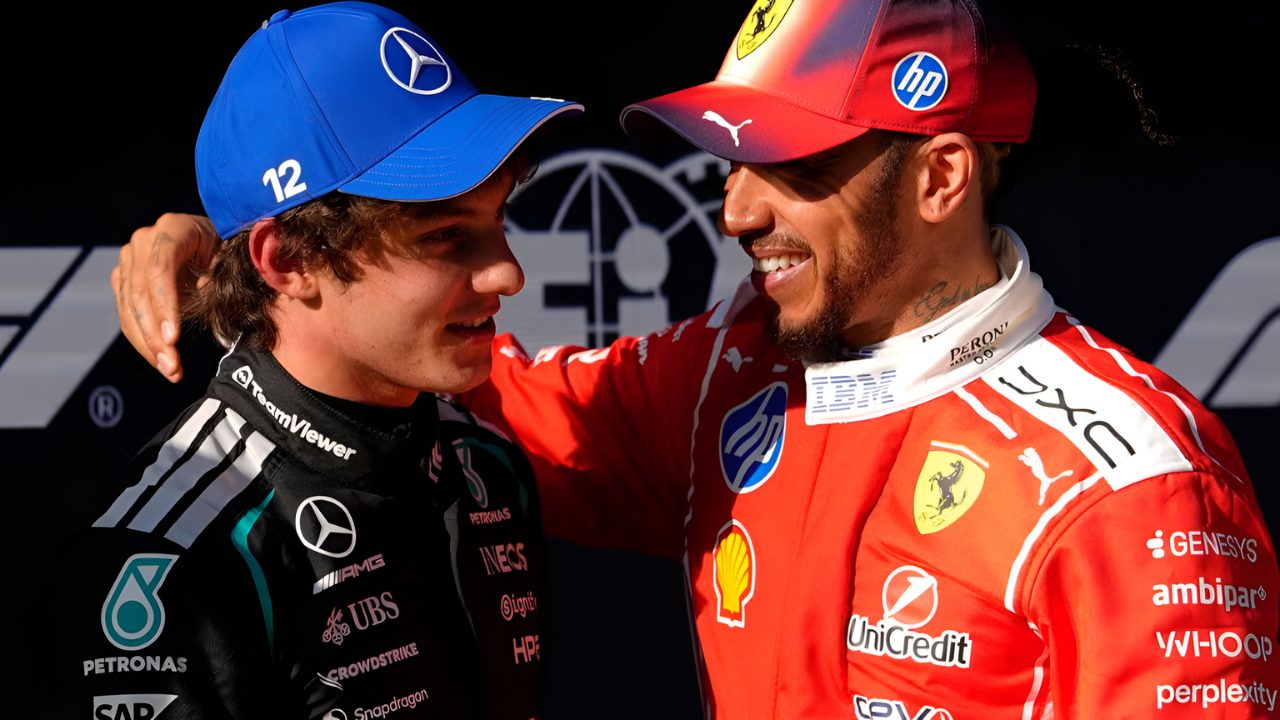
The helmet came off and Lewis Hamilton stood on a podium in red for the first time. Shanghai. Third place. Sixteen months since the last time he’d stood up there at all. The crowd noise hit different because everyone in the paddock knew what 2025 had cost him. Not just points. Not just qualifying sessions lost 19-5 to his own teammate. Something deeper cracked during that first Ferrari season, something a seven-time world champion shouldn’t have to rebuild. The fact that he did says everything about what came next.
The Worst Year Nobody Talks About
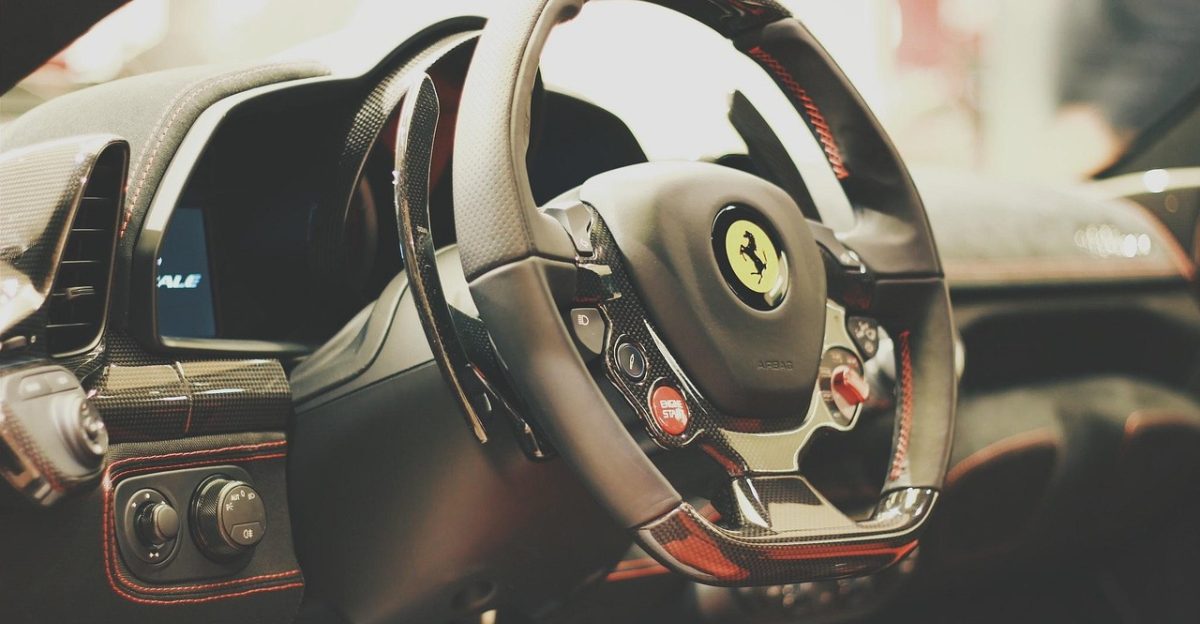
Hamilton’s 2025 wasn’t a rough patch. It was a first. Zero Grand Prix podiums across an entire season, something that had never happened in his 19-year Formula 1 career. Charles Leclerc finished 86 points ahead of him. The qualifying gap averaged 0.254 seconds. Ferrari even got Hamilton disqualified at the China Grand Prix for excessive plank wear, a problem baked into the car’s fundamental design. The “dream move” to Maranello produced the worst statistical season of his life. And Ferrari knew it early enough to abandon 2025 development entirely by April.
The Myth That Almost Held
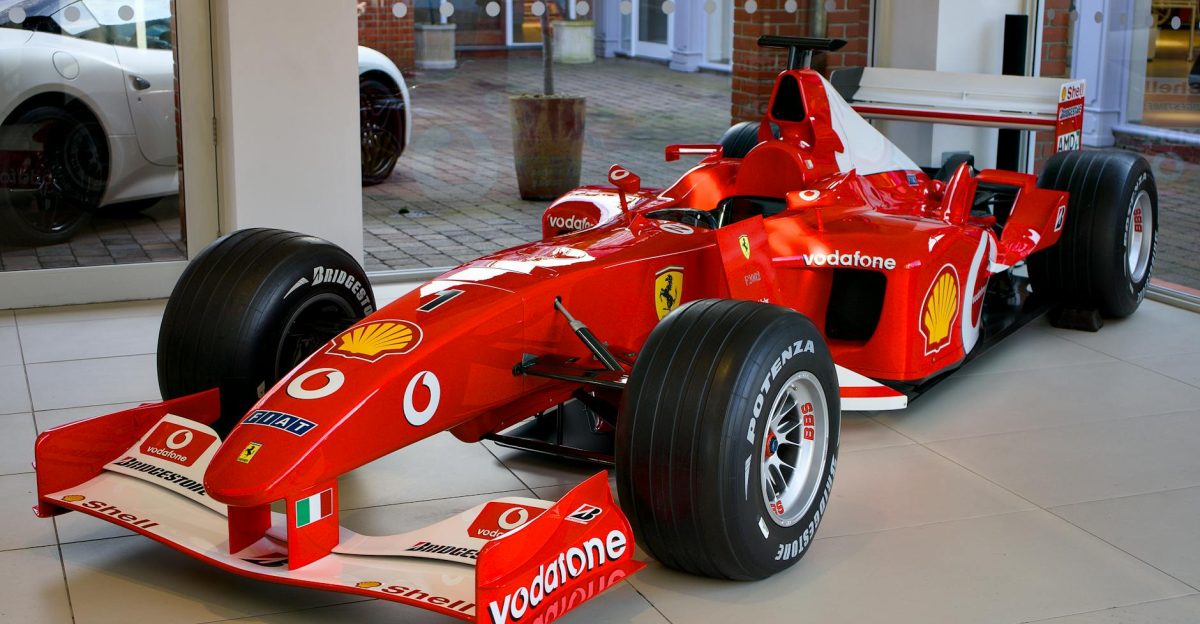
The public narrative was comfortable: learning year, new team, different culture. Hamilton adapting. Give him time. Leclerc himself said he noticed “no major change” in Hamilton heading into 2026. That framing protected everyone. It protected Ferrari from admitting the car broke their champion. It protected Hamilton from admitting something worse. Because while the paddock talked about setup issues and plank wear, Hamilton was privately confronting a crisis that had nothing to do with downforce. The 86-point gap to his teammate told one story. Hamilton’s off-season confession told another entirely.
The Words He Couldn’t Take Back
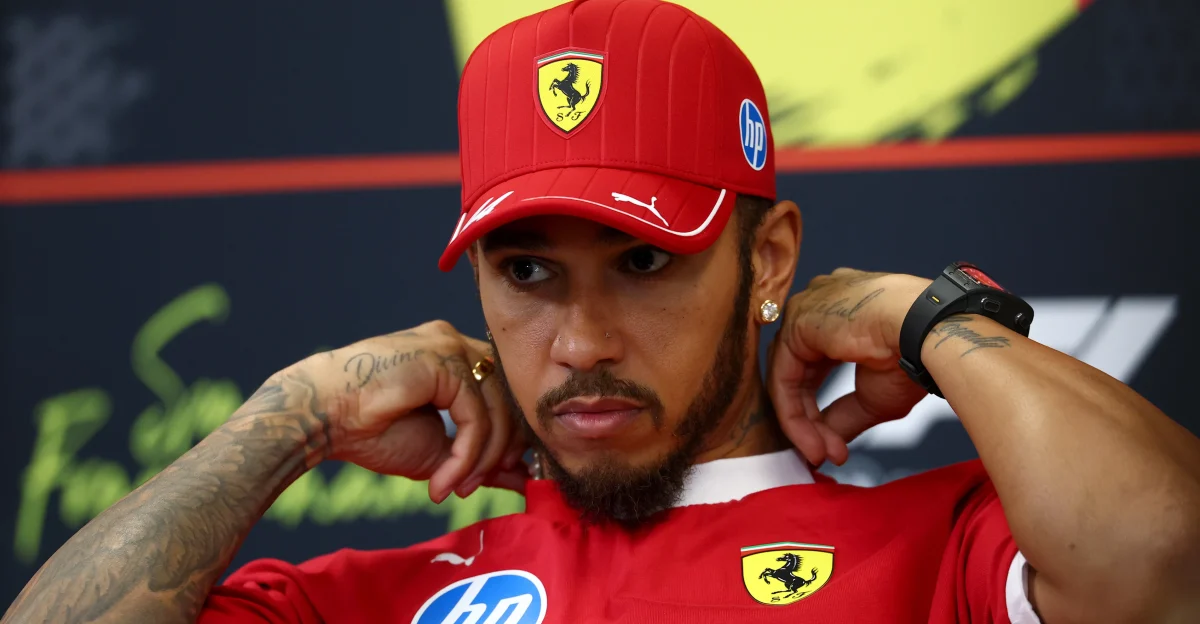
“For a moment, I forgot who I was.” Hamilton posted those words during the off-season. A seven-time world champion admitting identity collapse. Not car trouble. Not bad luck. He forgot who he was. Then he started training on Christmas Day. The regimen became, by his own account, “the heaviest and most intense” of his life. At 41. He restructured his entire lifestyle. Left everything behind, as he put it. Two races into 2026, he stood on a podium in Shanghai. Sixteen months of silence, broken in red.
The Machine Behind the Man
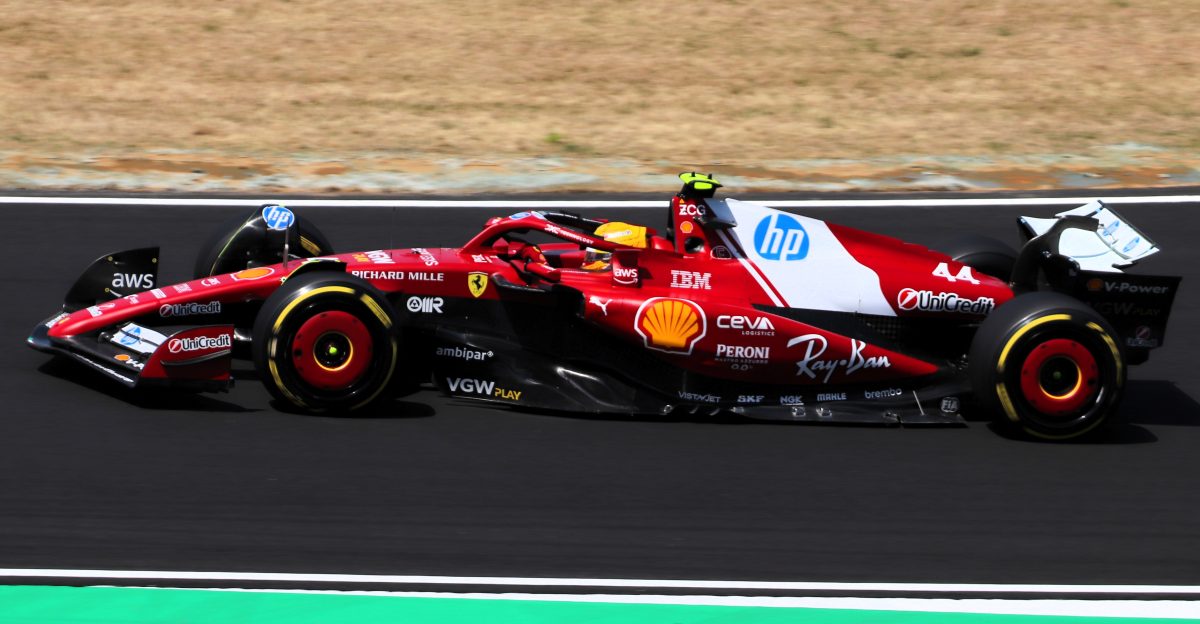
Hamilton’s mental reset gets the headlines. Ferrari’s institutional reset made it possible. The team pivoted to 2026 development by April 2024, months before rivals. Hamilton spent roughly 10 months in the simulator shaping the SF-26, the first car in his career where his preferences were embedded from conception. Ferrari’s engineers discovered a rear wing regulation loophole allowing near-full rotation during active aero deployment, an innovation that stunned Red Bull and Mercedes during Bahrain testing. The comeback has a heartbeat, but it also has an engineering department working overtime behind it.
Numbers That Rewrite the Narrative
Ferrari’s rear wing trick delivers an estimated 10 km/h speed boost on straights. Their power unit prioritizes low-speed response and smooth turbo delivery over raw horsepower, giving Hamilton a launch and corner-exit advantage under the new regulations that removed the MGU-H and introduced a 350kW MGU-K. But Mercedes posted consecutive one-two finishes in the opening 2026 races with an eight-tenth qualifying advantage in Australia. Ferrari still runs roughly two-tenths slower on straights and carries an estimated 20-brake-horsepower deficit. Hamilton’s podium came despite the gap, not because it closed.
Three Engineers, Two Seasons
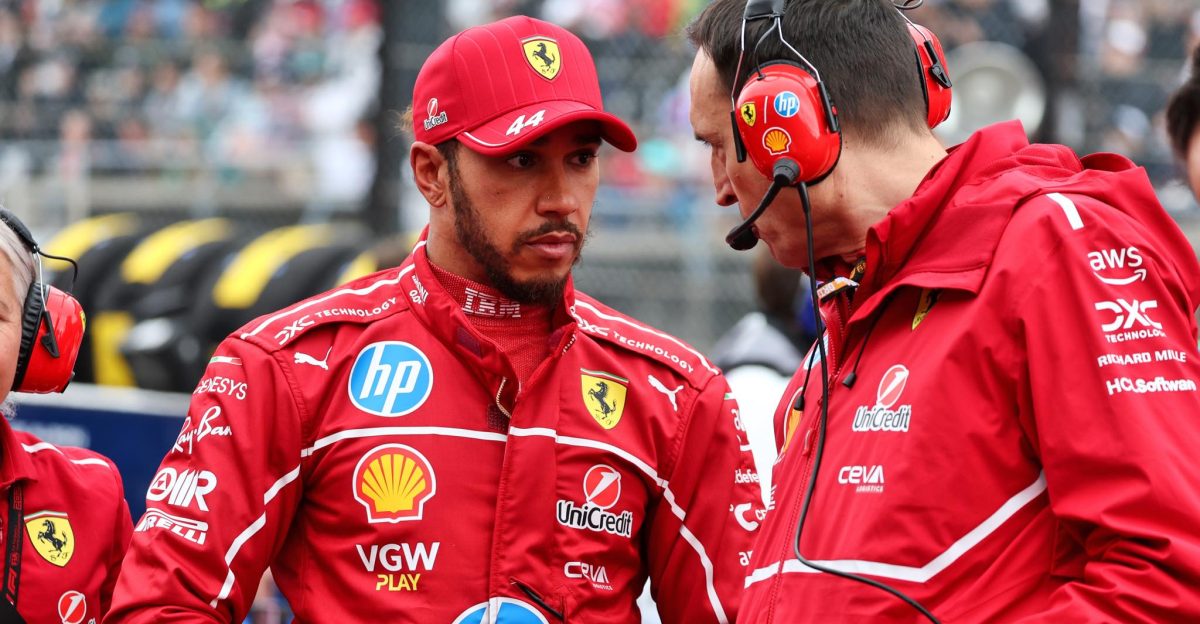
Riccardo Adami, Hamilton’s 2025 race engineer, moved to a Ferrari Driver Academy role. Carlo Santi filled in as interim. Now Cedric Michel-Grosjean takes over permanently from the Miami Grand Prix onward. Three different voices in Hamilton’s ear across two seasons. Leclerc, meanwhile, has enjoyed engineer continuity throughout. That instability matters at championship precision levels, where a single miscommunication during a pit window can cost 15 points. Hamilton rebuilt his psychology from scratch. Whether his third engineer can provide the stability his first two couldn’t will determine if the podium was a beginning or an outlier.
The Rule Nobody Else Found
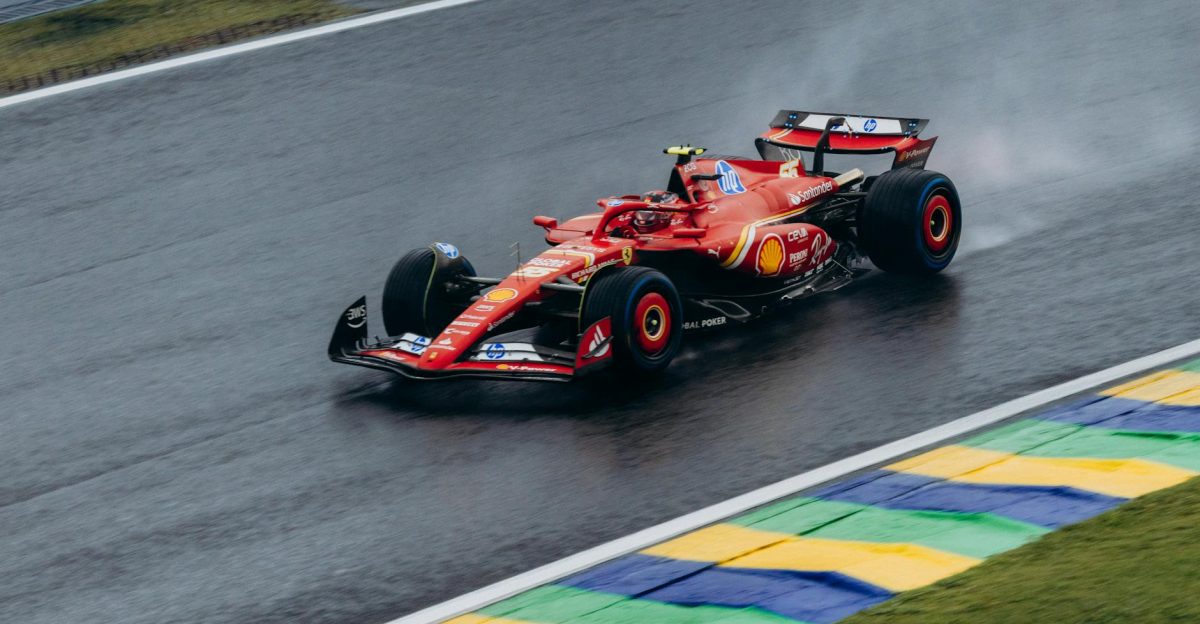
Ferrari’s 2026 advantage traces back to reading the new regulations more creatively than anyone else. The rear wing loophole. The early development pivot. The power unit philosophy that traded peak horsepower for corner-exit speed. These are institutional decisions, not driver decisions. Hamilton benefits from a system he didn’t build but helped calibrate through simulator work. Once you see that pattern, the “mojo” narrative dissolves. This resurgence is contingent. One closed loophole, one bad engineer transition, one weekend where the psychology fractures, and the whole structure wobbles again.
The Clock at 41
Hamilton hasn’t challenged for a championship since 2021. Five years. His last Grand Prix victory came in 2024. At 41, the training intensity he described as unprecedented carries an unspoken admission: the body requires more work to deliver less. He already struggled at Suzuka, finishing sixth, a reminder that the resurgence isn’t linear. If Ferrari’s power unit upgrade at Miami closes the 20-horsepower deficit to Mercedes, the championship window cracks open. If it doesn’t, Hamilton’s realistic shot at an eighth title narrows with every race weekend that passes.
Fragile By Design
Hamilton said his goal is “to win” the 2026 title. Not compete. Win. That framing matters because it reveals a man who rebuilt his identity around non-negotiable outcomes, which is powerful until the outcome doesn’t arrive. The difference between 2025 Hamilton and 2026 Hamilton isn’t transformation. It’s tactical optimization of underlying vulnerability. The psychology holds until it doesn’t. The engineer holds until he doesn’t. The loophole holds until rivals close it. Everyone celebrating the comeback should understand what they’re actually watching: elite performance balanced on a knife’s edge, delivered by a man who admitted he forgot who he was.
Sources:
“Hamilton says he forgot who he was but has re-set for new season” — Reuters, February 2026
“Hamilton is Ferrari’s first new driver in 44 years to complete season without a podium” — RaceFans, December 2025
“Lewis Hamilton: Ferrari driver says first podium for team proved his biggest challenge is behind him” — Sky Sports F1, March 2026
“Strategic handover between Carlo Santi and Cédric Michel-Grosjean” — ScuderiaFans, April 2026
“F1 2026: Radical rotating rear wing and ‘genius diffuser’ propel Ferrari” — Sunday Independent, February 2026