Ferrari Gets ‘Major Changes’ to Close 15-Horsepower Gap—But Mercedes Has Loophole FIA Won’t Touch
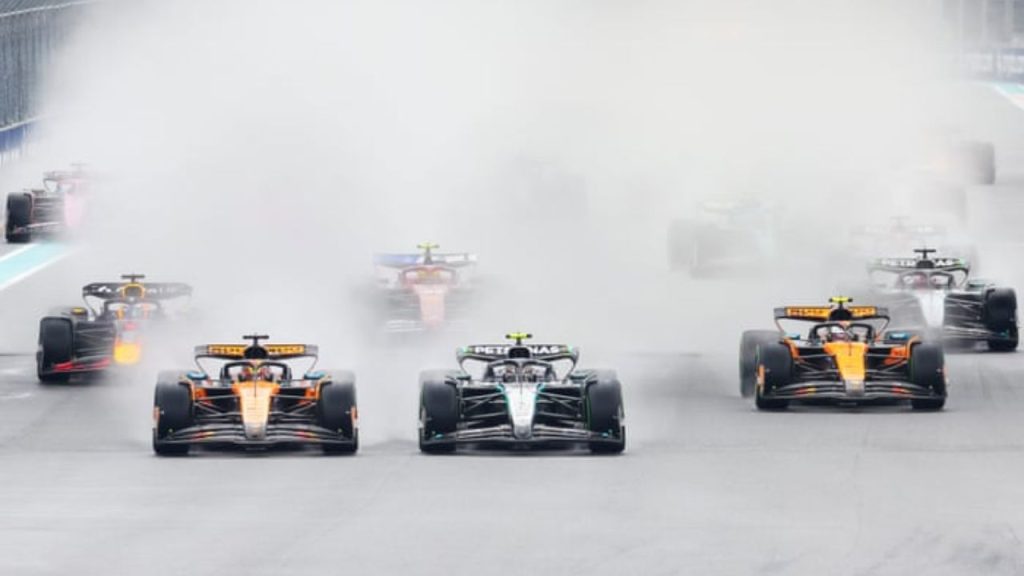
Mercedes has won every race from pole position across the first three rounds of the 2026 season. Every single one. Kimi Antonelli leads the drivers’ championship. The constructors’ gap sits at 45 points over Ferrari after just three weekends. And the 19-year-old championship leader sounds almost relaxed about Ferrari’s incoming regulatory help. “I know there will be major changes,” Antonelli said. He expects Ferrari to close in through F1’s new ADUO catch-up mechanism. The confidence is striking. The reason behind it is worse.
Why Mercedes Is Faster Than Everyone
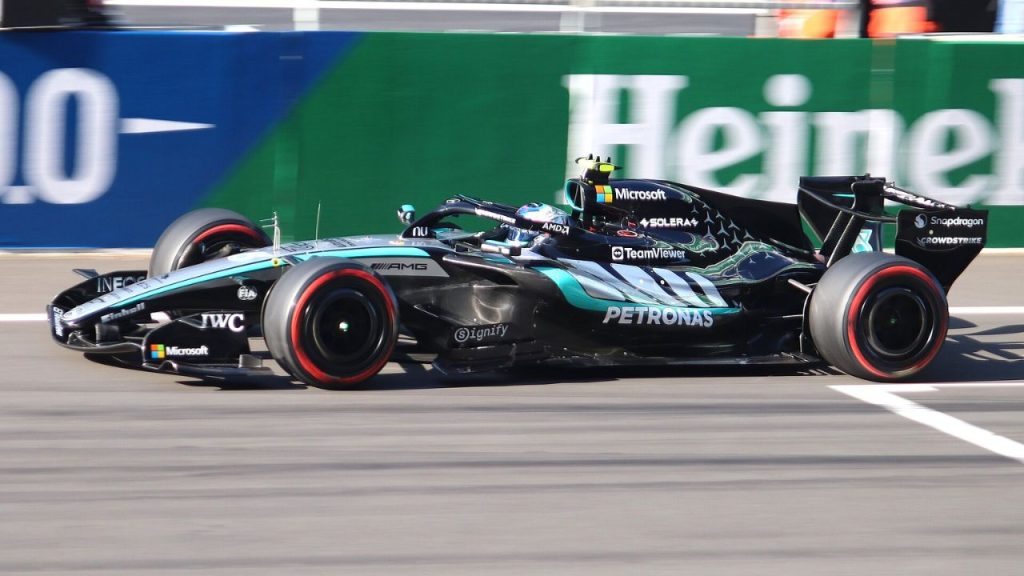
The 2026 power units split output 50/50 between combustion and electric, tripling MGU-K output to 350kW. Mercedes nailed both halves. Their engine carries at least a 15-horsepower advantage over Ferrari’s unit, and their energy harvesting system deploys battery power more efficiently on tracks with fewer braking zones. That combination produced a 100% pole-to-win conversion rate through Australia, China, and Japan. The advantage goes beyond raw horsepower into software and thermal management. Ferrari’s problem spans the entire powertrain architecture, not just one component.
What ADUO Actually Gives Ferrari
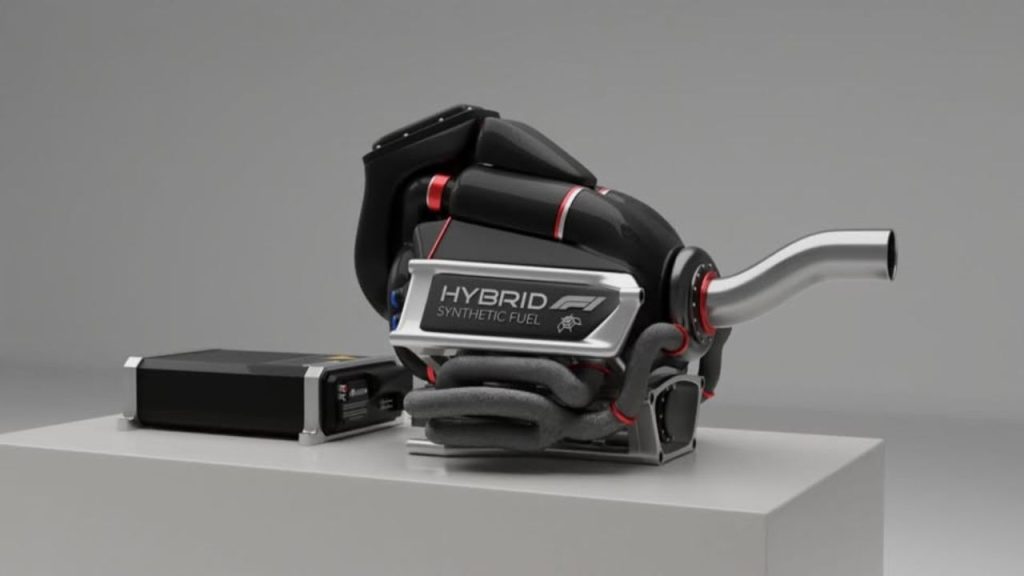
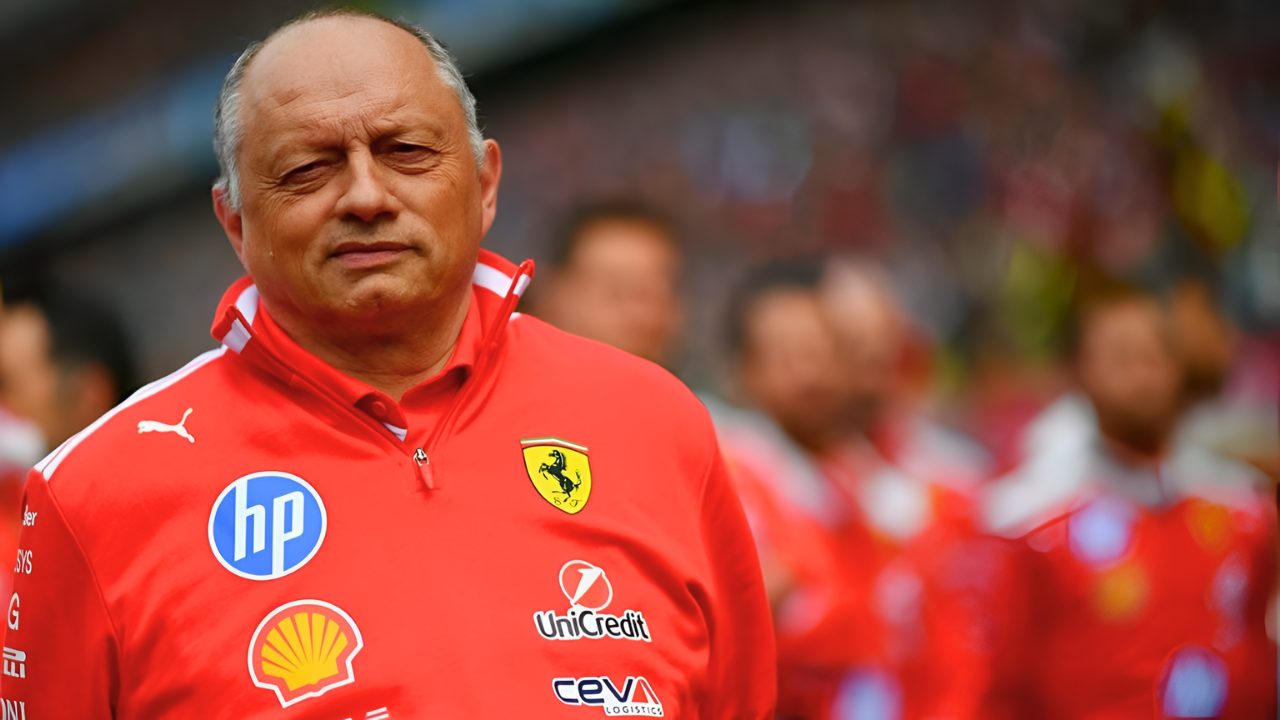
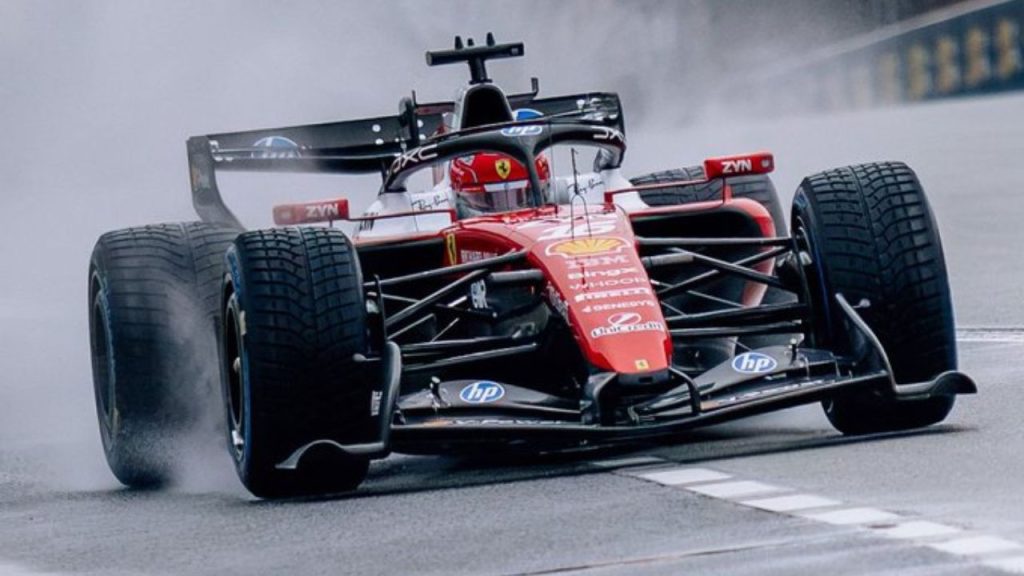
ADUO evaluates power unit performance every six races using FIA telemetry. Manufacturers falling 2-4% below the benchmark qualify for one upgrade window. Deficits exceeding 4% trigger multiple concessions: additional dyno hours, new homologation opportunities, cost cap flexibility. Ferrari’s estimated gap is expected to qualify them for ADUO relief. The mechanism grants real development rights, not cosmetic adjustments. Ferrari has already scheduled a filming day at Monza on April 22 to validate new energy management software. Miami upgrades follow. The relief is genuine. The timing is the problem.
The Calendar Trap
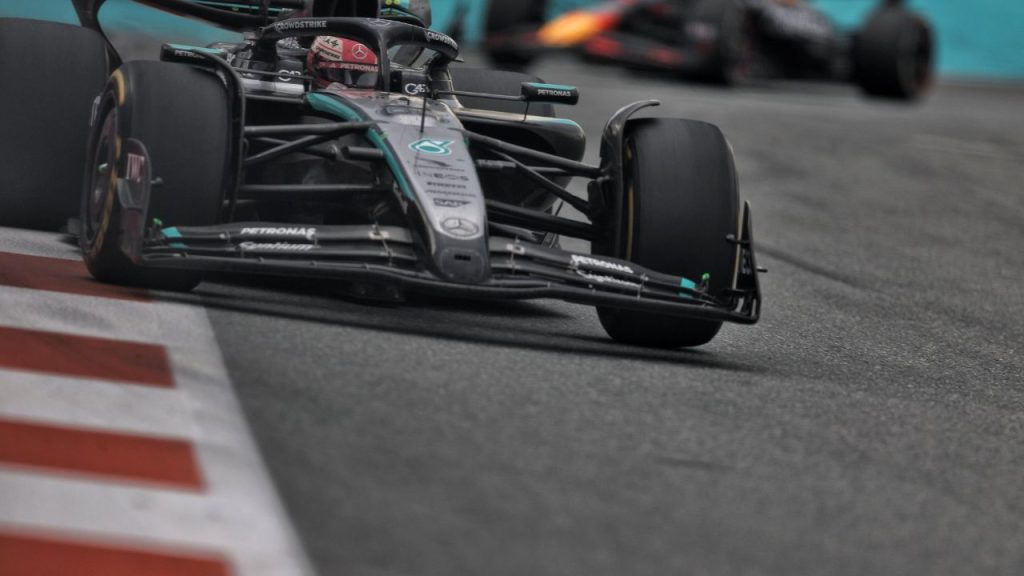
ADUO evaluation was supposed to happen after six races. Calendar cancellations shifted that window, compressing the timeline so Barcelona at round six becomes the evaluation point, with round seven the realistic deployment target. Three-month power unit development lead times make anything faster physically impossible. By then, Mercedes could hold a 60-to-70-point constructors’ lead depending on results. Ferrari gets a one-race head start on Red Bull, Honda, and Audi before those manufacturers receive their own ADUO grants. One race. Against a team that hasn’t lost from pole all season.
The Loophole Nobody Budgeted For
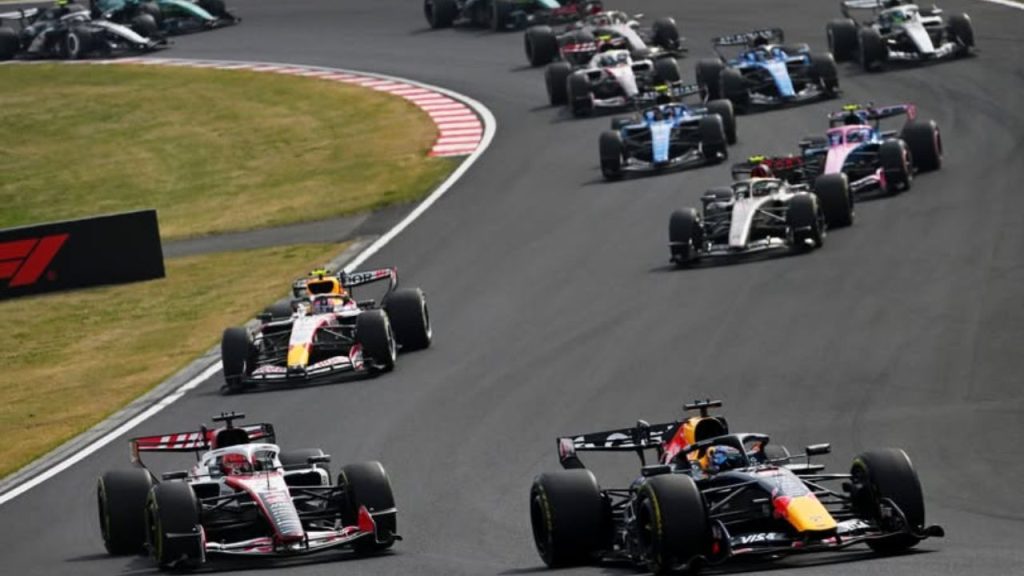
Here is where the cascade crosses into territory nobody expected. The 2026 regulations limit compression ratios to 16:1 when measured cold. Mercedes reportedly designed its engine to expand to roughly 17:1 at operating temperature through thermal metallurgy. That yields an estimated 10-15 additional horsepower the FIA’s measurement standard simply cannot detect. Three rival manufacturers complained. The FIA refused to mandate hot-condition sensors before homologation. Ferrari’s ADUO engine upgrade addresses power unit design. It cannot address a measurement flaw baked into the rulebook itself.
Same Flaw, Every Ripple
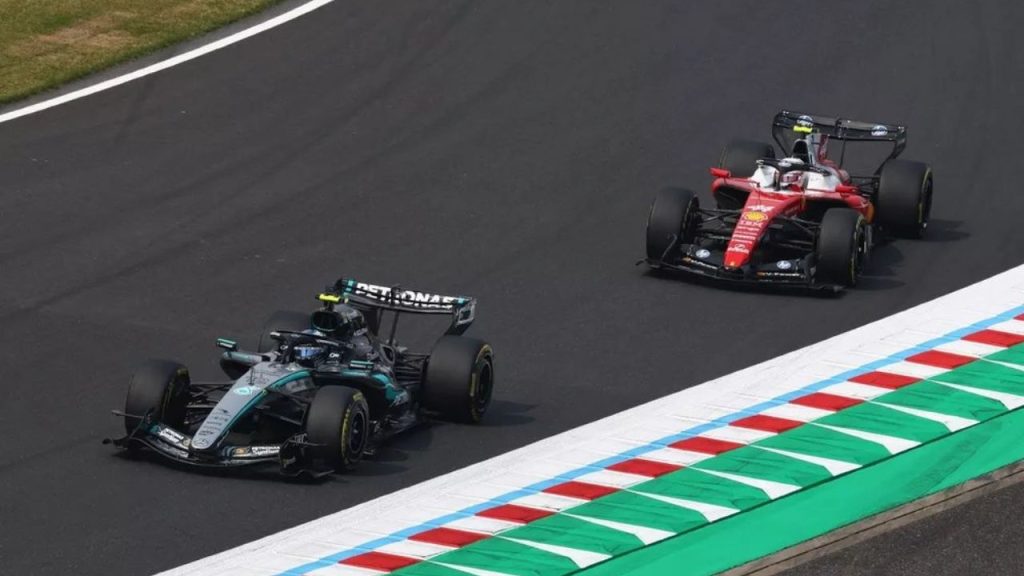
The hidden mechanism connecting every consequence is measurement methodology. ADUO evaluates deficits using the same FIA telemetry that cannot detect thermal expansion advantages. The relief system calculates how far behind Ferrari falls. The loophole inflates how far ahead Mercedes sits. Same data pipeline. Same blind spot. Engine upgrades arrive at round seven. The compression ratio correction arrives June 1, when the FIA finally introduces hot-condition testing at 130 degrees. That gap between the deployment window and the June correction is where championships get decided. Think about that math for a second.
The Voice From Inside the Garage
Antonelli became the youngest driver to ever lead an F1 championship, breaking Lewis Hamilton’s 2007 record by nearly three years. He leads teammate George Russell by nine points. And when asked about Ferrari’s ADUO relief closing the gap, his response carried zero urgency. “I know there will be major changes.” That calm suggests either Mercedes has counter-upgrades queued, or Antonelli understands something the standings confirm: ADUO addresses horsepower, not the software and energy harvesting advantages Mercedes built independently.
A Precedent That Outlasts the Season
The FIA chose to launch the 2026 regulations on time rather than delay to correct a known measurement flaw. That decision established a precedent: homologation deadlines override competitive integrity. Frozen engine regulations lock designs through 2030. The compression ratio correction arriving June 1 fixes detection going forward but cannot retroactively equalize the races Mercedes ran with the advantage unchecked. The last time a regulation transition created this kind of structural hierarchy was 2014. Mercedes won eight consecutive constructors’ titles afterward.
Winners, Losers, and the Billion-Dollar Bet
Mercedes benefits from every race before June 1. Ferrari, Honda, and Audi absorb the cost of competing against an advantage the rulebook failed to measure. Cadillac spent $1 billion entering F1 before racing a single lap and now faces a grid where the competitive hierarchy may already be frozen. McLaren sits third in constructors’ with 46 points, waiting for their own ADUO eligibility. The cost cap jumped from $135 million to $215 million for 2026. Regulatory mistakes under those constraints carry compound interest.
The Cascade That Keeps Breaking
Ferrari’s upgrade may close the raw horsepower gap. The June 1 sensor correction may neutralize thermal expansion. But Mercedes likely has counter-upgrades queued, creating an arms race inside supposedly frozen regulations. If Ferrari’s upgrade recovers less than the projected 0.3 seconds, pressure mounts for emergency regulation amendments and potential formal protests. Five manufacturers signed up for 2026 because the FIA promised competitive balance. The ADUO mechanism proves the promise exists on paper. The measurement flaw proves it doesn’t exist on track. Not yet.
Sources:
“The New F1 Rule Which Makes Antonelli Expect Ferrari to Close in on Mercedes.” Autosport, 6 Apr. 2026.
“FIA Announces Clampdown on Compression Ratio Tests from June 2026.” Motorsport.com, 27 Feb. 2026.
“Status Quo: FIA Stands Firm in F1 Engine Loophole Debate.” F1i.com, 2026.
“Ferrari Plan of Action Emerges with Private SF-26 Test on the Cards.” PlanetF1.com, 17 Mar. 2026.