Ferrari CEO Admits Touchscreens Were ‘50% Cheaper,’ Not Better—Now 8 Brands Rip Them Out
Ferrari CEO Benedetto Vigna has confirmed what drivers long suspected: touchscreen controls were adopted because they cost 50% less to produce, not because they improved driving. Speaking to Autocar India, Vigna said the shift favored suppliers over usability. That admission comes as safety data shows drivers drift 42% more and lose 58% accuracy when using touchscreens. Now, with regulators like Euro NCAP factoring controls into safety ratings, major automakers are reversing course. Volkswagen, Mercedes-Benz, and others are restoring physical buttons, marking a clear industry shift already underway.
The Hidden Tradeoff Behind Touchscreens
For years, touchscreens were sold as the future of driving. The cost advantage stayed hidden. Vigna also stated touch controls exist “for the supplier’s advantage,” according to The Drive. A University of Washington study found drivers drift 42% more when using touchscreens. Accuracy drops 58% while driving. Euro NCAP now includes control usability in safety ratings. Regulators and data have caught up with driver complaints. Automakers are responding quickly, and the first brand to admit it publicly set the tone.
1 — Volkswagen
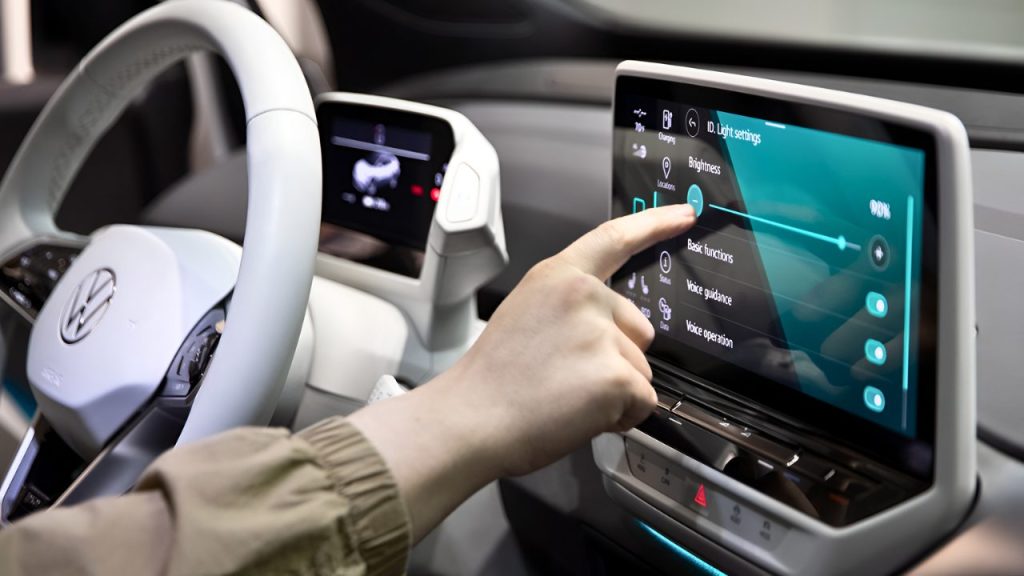
Volkswagen became one of the first to formally reverse course. Design boss Andreas Mindt confirmed physical buttons will return across future models, beginning with the ID.2all. He committed to controls for volume, climate zones, fan speed, and hazard lights. His statement was direct: “We understood this.” Volkswagen’s earlier touchscreen-heavy interiors, especially in the ID.3 and ID.4, drew widespread criticism. Drivers struggled with simple adjustments buried in menus. That feedback forced a rethink, and it signaled a broader industry shift already underway.
2 — Mercedes-Benz
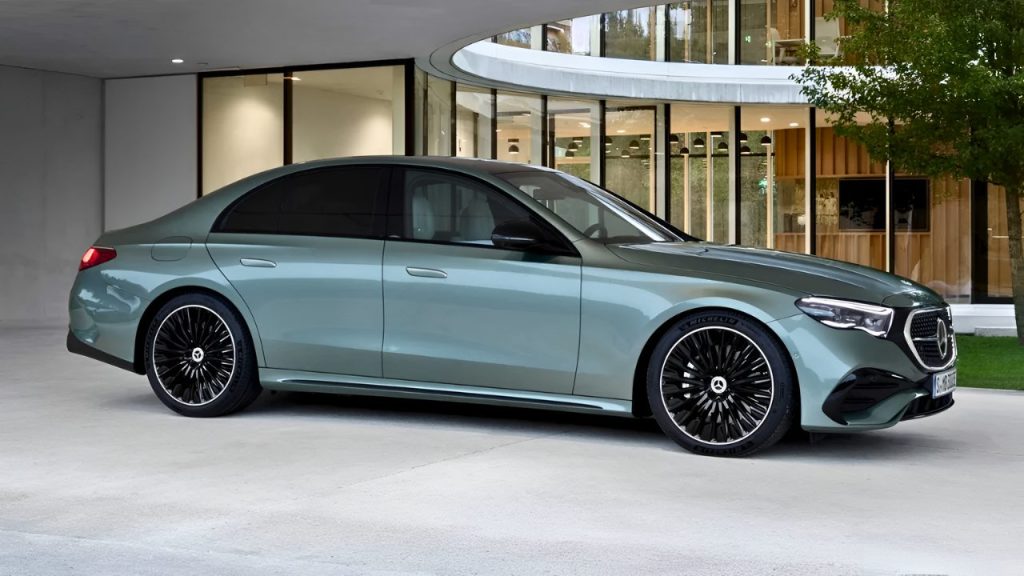
Mercedes-Benz helped popularize massive digital dashboards with its MBUX Hyperscreen. Now the brand is stepping back. Physical climate controls are set to return in upcoming models. Design chief Gorden Wagener previously acknowledged that screens alone do not deliver a true luxury experience. Customer feedback pointed to usability frustrations in daily driving. Sedans and SUVs, where convenience matters most, became the focus of redesign efforts. The change marks a clear shift from visual spectacle toward functional design, setting up another major brand response.
3 — Audi
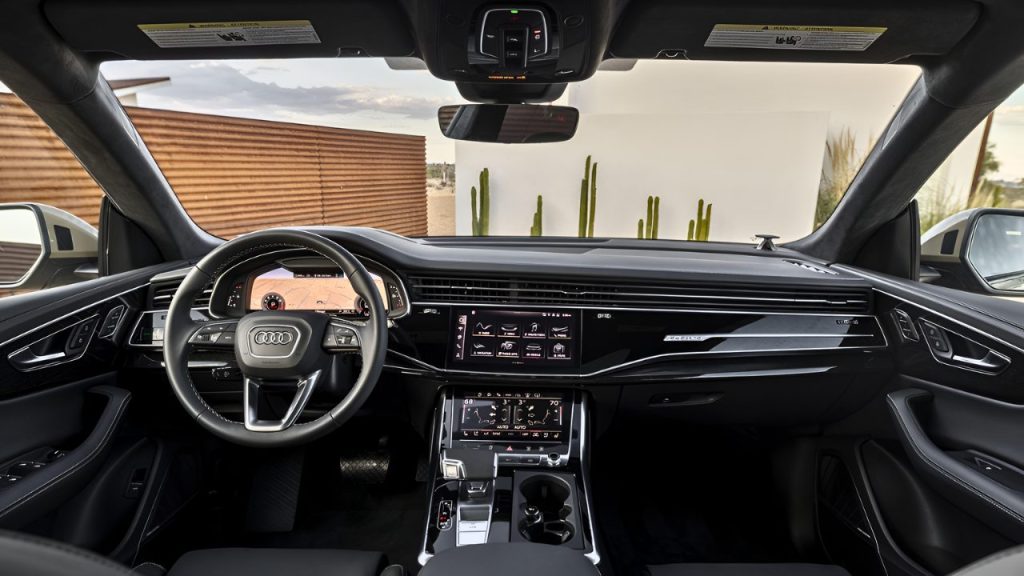
Audi is also rethinking its approach. In January 2026, a TechRadar report quoted the brand’s design boss saying “big screens are not the best experience.” That marked a clear pivot. Audi’s e-tron lineup relied heavily on touch panels that required drivers to look away from the road. Future models will reintroduce tactile controls for climate and audio systems. The company now positions physical buttons as a premium feature rather than outdated hardware. That repositioning reflects changing customer expectations across the segment.
4 — Hyundai
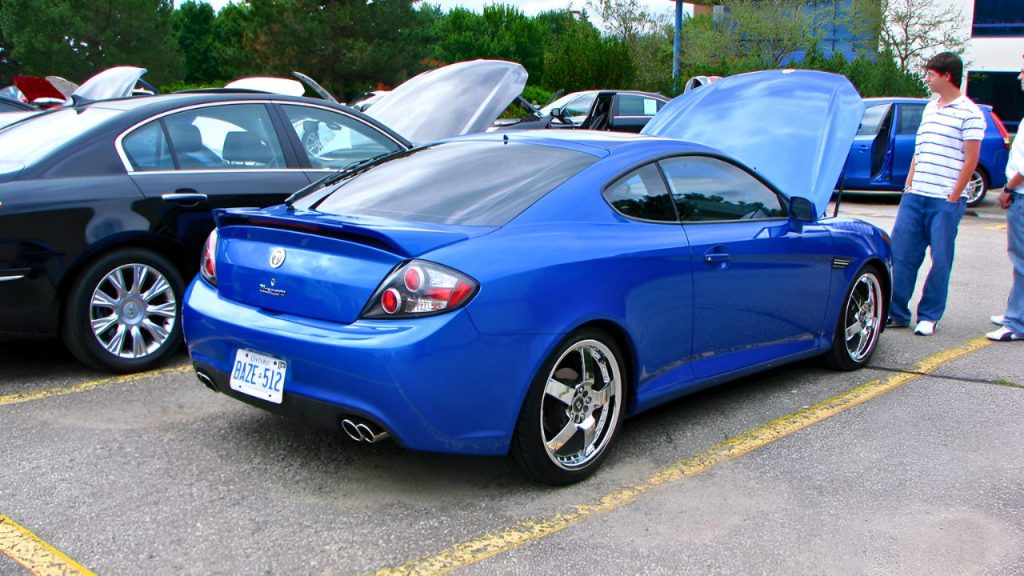
Hyundai’s shift came directly from customer feedback. Focus groups revealed drivers felt “stressed, annoyed, and steamed” when using touchscreen-only interiors, according to The Drive. The company responded by restoring physical HVAC and audio controls in models like the Ioniq 5, Tucson, and Palisade. Hyundai had pushed minimalist interiors as part of its premium strategy. Removing familiar controls backfired, especially among older buyers. The lesson became clear through direct user experience, pushing Hyundai to rethink its design priorities moving forward.
5 — Ferrari
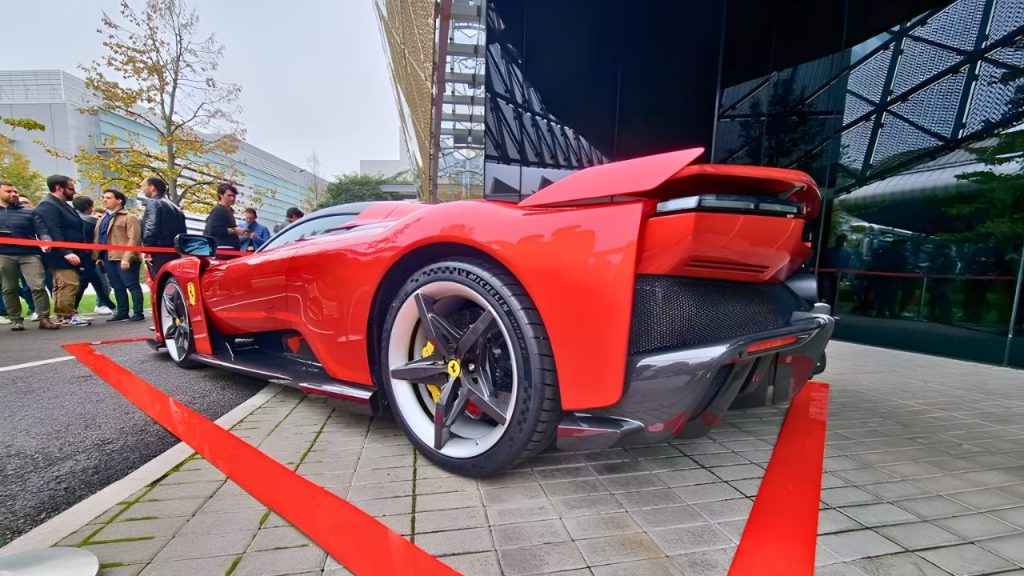
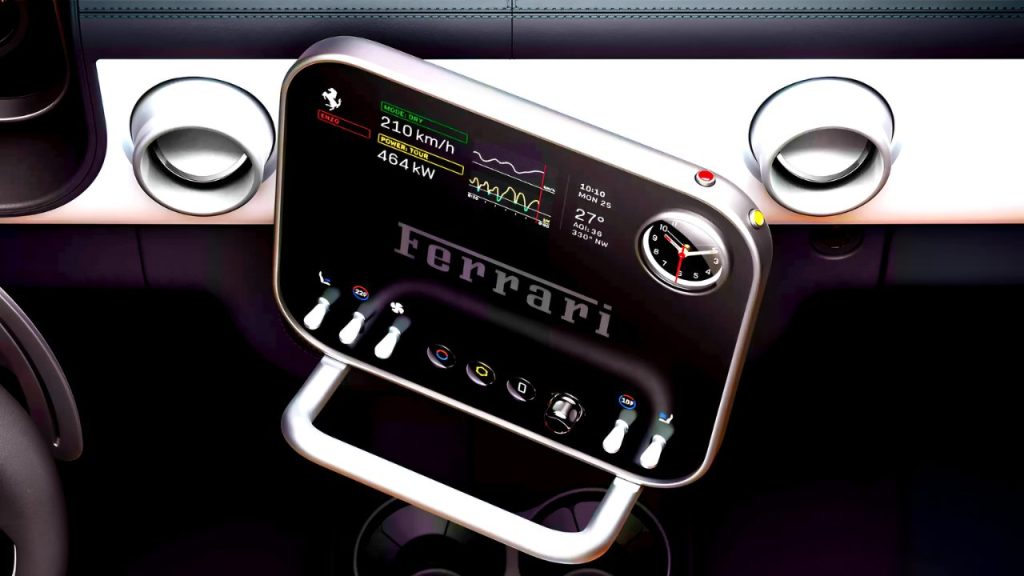
Ferrari stands at the center of this shift. CEO Benedetto Vigna confirmed touch controls were “made for the supplier’s advantage” and cost 50% less to produce. The company’s upcoming Luce electric vehicle reflects a new direction, featuring machined metal toggles and tactile inputs. Designer Jony Ive described large in-car screens as “easy, lazy, and impractical”. Ferrari now promotes a “phygital” approach that blends digital displays with physical controls. That philosophy signals a broader rethink across performance and luxury segments.
6 — Porsche
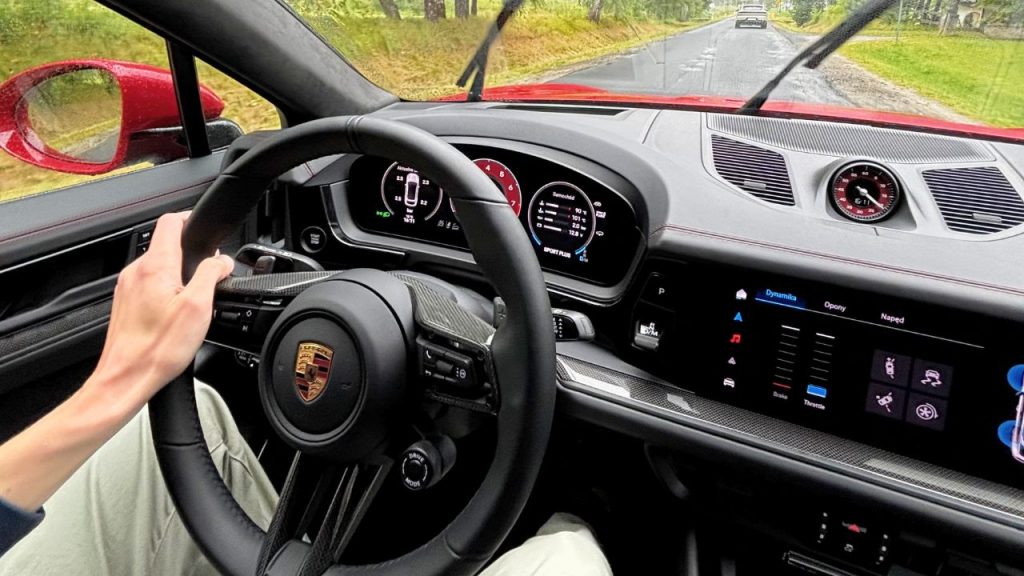
Porsche admitted its design direction went too far. Reports from last fall showed the company reconsidering the Taycan’s touchscreen-heavy interior after customer complaints. Essential functions like climate and volume were buried in menus, frustrating drivers. Porsche has committed to restoring dedicated buttons for climate, audio, and drive modes in future models. For a brand centered on driver connection, usability became impossible to ignore. The shift reflects how even performance-focused manufacturers are responding to real-world driving needs rather than design trends.
7 — Subaru
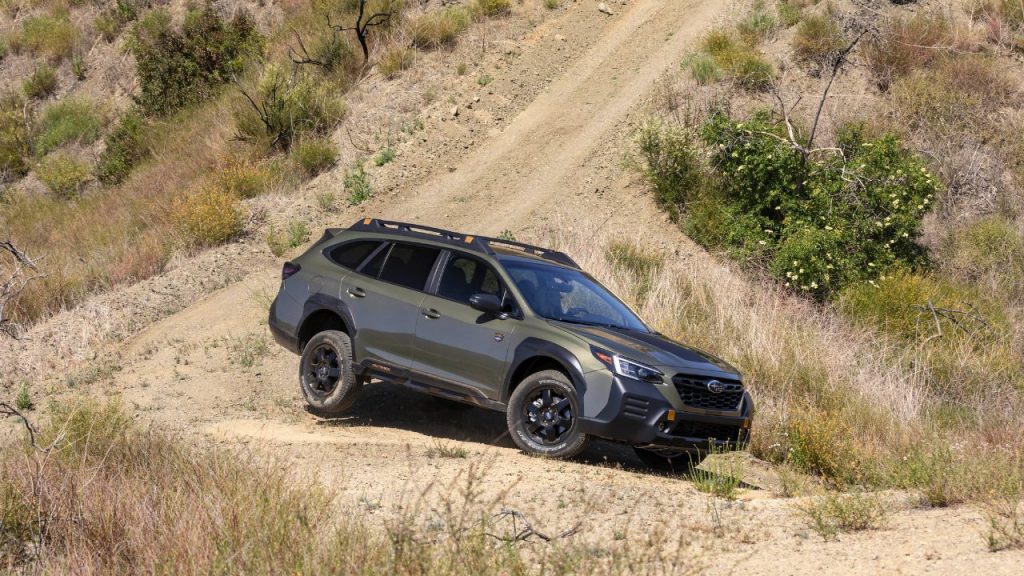
Subaru addressed long-standing complaints with a practical update. The 2026 Outback reintroduces physical HVAC controls after the previous version relied heavily on touchscreen menus. Automotive reports confirmed the redesign followed sustained customer feedback. The Outback is often used in harsh conditions like snow, rain, and off-road terrain. In those environments, quick access to defrost or fan controls is critical. Subaru’s decision highlights how usability can directly affect safety, especially in vehicles designed for real-world utility and unpredictable conditions.
8 — Genesis
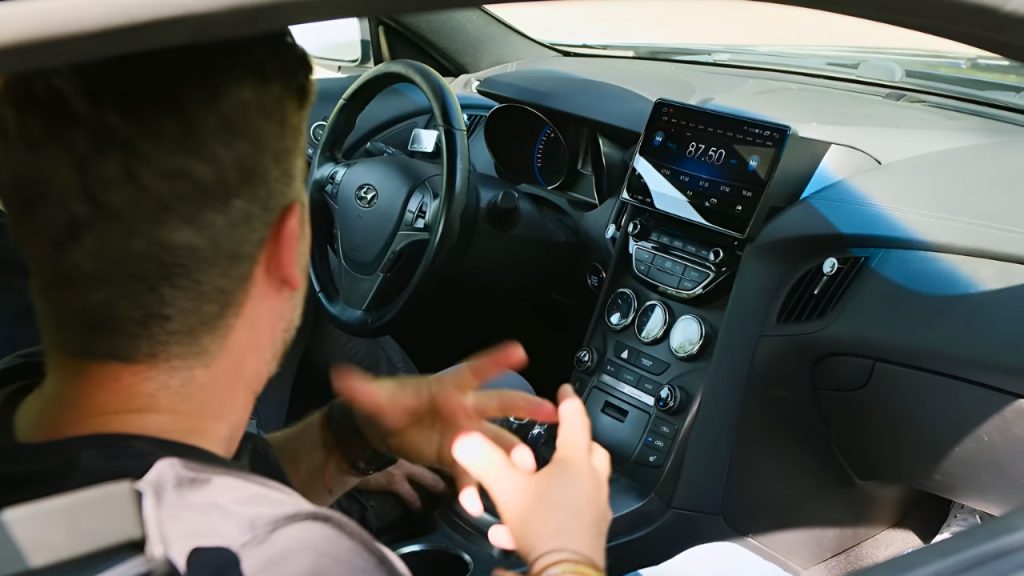
Genesis completes the list with a similar reversal. At the 2024 New York Motor Show, Hyundai and Genesis confirmed the return of physical controls, citing safety as a primary reason, according to CarsGuide. Genesis had embraced dual-screen interiors to compete with established luxury brands. The company is now working to integrate tactile controls without losing its clean design identity. Even newer luxury marques are adapting quickly. The shift shows that across every segment, drivers have made one expectation clear.
Sources:
Ferrari’s Boss Admits Your Car’s Touch Controls Were Never About Innovation. CarScoops, March 25, 2026.
Touch Controls Are 50% Cheaper Than Real Buttons, Ferrari CEO Says. The Drive, March 18, 2026.
Some Car Brands Are Rethinking Touchscreens and Bringing Back Physical Buttons. Jalopnik, October 13, 2025.
Which Car Manufacturers Are Bringing Back Physical Buttons? Autoblog, October 2, 2025.
Drivers Struggle to Multitask When Using Dashboard Touch Screens, Study Finds. University of Washington, December 16, 2025.