Ferrari Boss Tells Formula One ‘Enough Is Enough’ After Rule Change
Five red lights. Twenty drivers. And somewhere between the grid and Turn 1, the rules governing that chaos quietly shifted. Not the cars. Not the engines. The procedures. The FIA adjusted how race starts are executed and overseen, adding a new five‑second blue‑light pre‑start phase on top of the traditional five red lights. A tweak written into the regulations that most fans will never read. But the teams read every syllable. One team decided the steady drip of revisions had gone far enough, and its response landed like a fist on the paddock table.
Red line
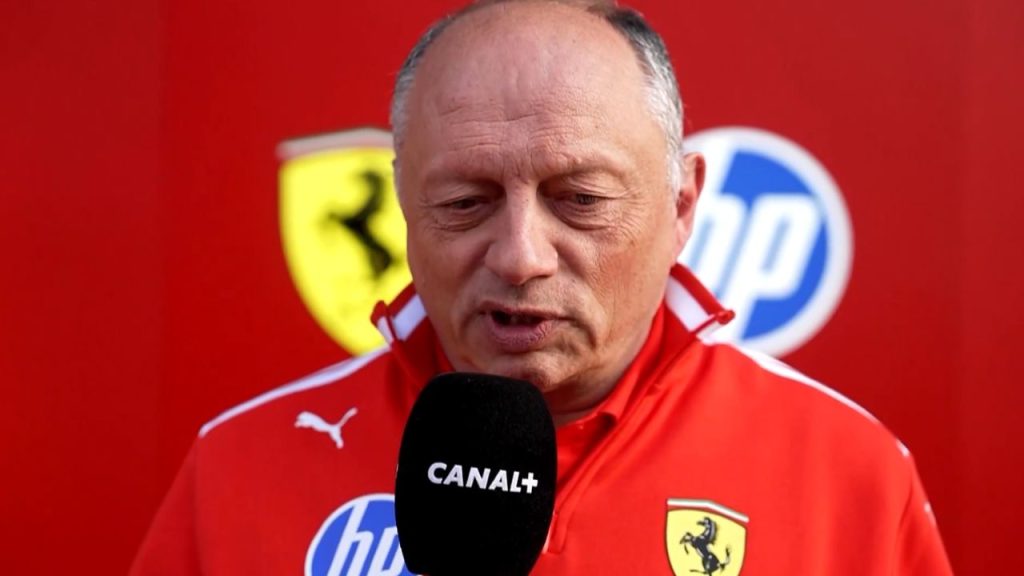
Ferrari team principal Frederic Vasseur backed the team’s hard-line message as the start‑rule debate escalated. “Enough is enough.” Three words that reframed a procedural dispute as a public confrontation. The objection targets FIA‑governed regulations, the formal rulebook that standardizes how every race start and restart is administered across a global calendar. That means this fight touches every single Grand Prix weekend. Vasseur fronting the argument publicly signals Ferrari views this as existential, not administrative. Rivals, including Mercedes, have accused Ferrari of blocking further changes partly because the current start procedure benefits Ferrari’s power‑unit design, adding a competitive‑interest dimension to the governance dispute.
Hidden lever
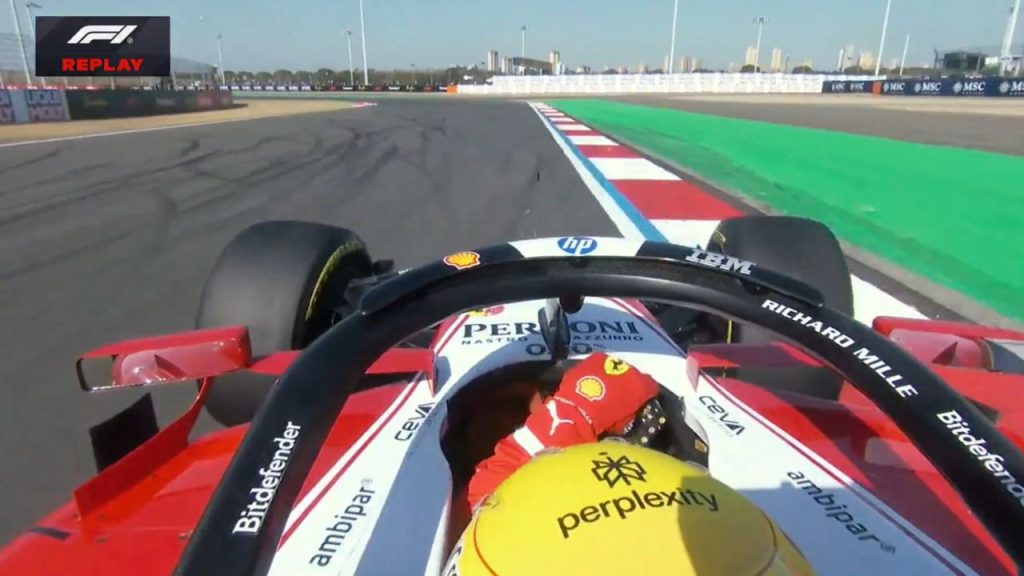
Most fans debate launches, reaction times, clutch bite points. The teams debate something else entirely: definitions, limits, and enforcement windows. The FIA publishes the regulations that operationalize starts, power deployment and penalties. A single word change in guidance can alter what stewards flag at Turn 1 or how systems are configured on the grid. Engineering upgrades cost millions and take months. A procedural tweak costs nothing and lands overnight. That disproportion is exactly why Ferrari snapped. The cheapest upgrade in Formula One has always been a rule change.
Paperwork beats
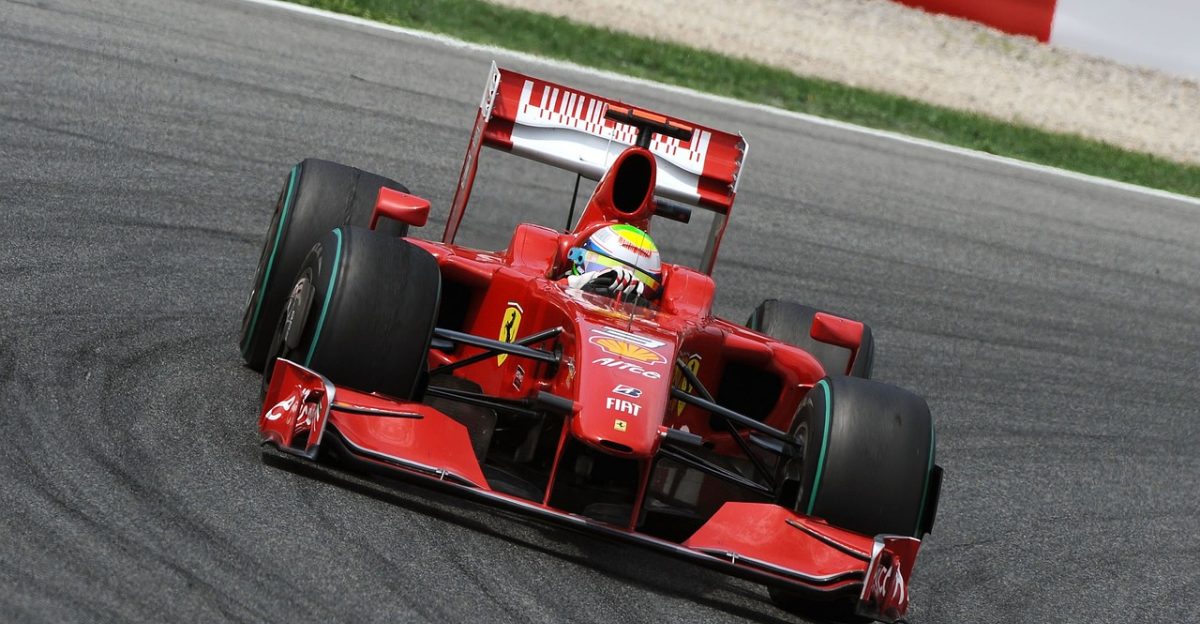
Here is what the casual viewer misses: the rulebook is part of the competitive package, not just safety bureaucracy. If enforcement or operational rules change, the Turn 1 risk calculus changes immediately. Drivers recalibrate aggression. Teams reprogram clutch maps and energy deployment. Twenty drivers across a long season, recalculating acceptable risk because someone revised a paragraph. Mid‑season. Without a new part bolted to the car. Ferrari’s objection makes more sense now. This wasn’t theatrics. This was a team watching its competitive position get rewritten by a governance pipeline.
Free performance

Think of it like the NFL rewriting what counts as a false start after Week 8. Same players, same stadiums, same equipment. Different enforcement threshold. Different outcomes. That is what Ferrari sees happening to Formula One’s start procedures and energy rules. The FIA maintains the authority to clarify and amend regulations through its governance structure, routing changes through the F1 Commission and World Motor Sport Council for formal approval, with scope for faster action on safety grounds. But “clarification” and “change” blur fast when the result alters how 20 drivers approach the most dangerous moment of every race.
The numbers
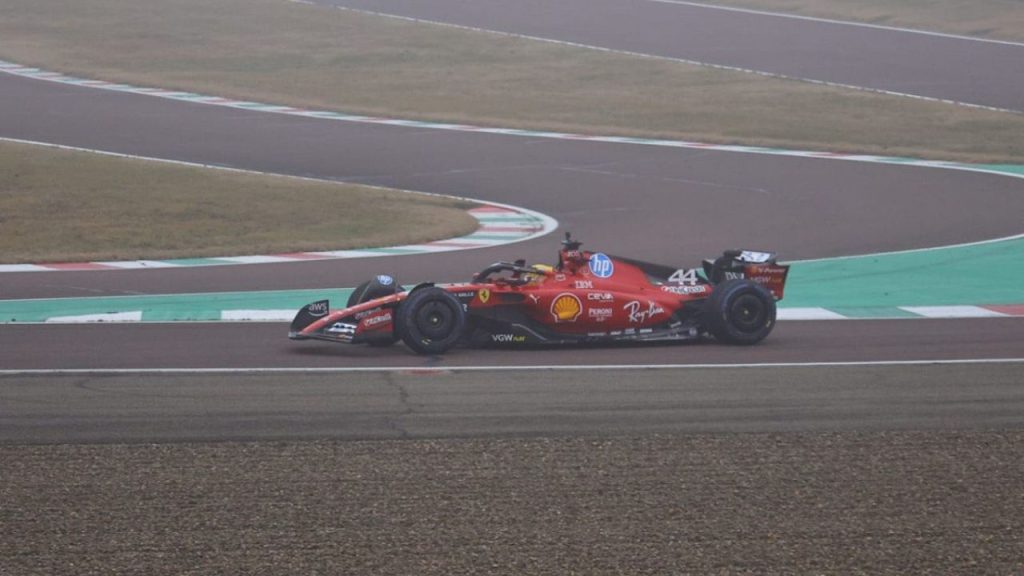
Twenty drivers subject to the same start procedure. A calendar originally set at 24 races but since reduced to 22 after the cancellation of the Bahrain and Saudi Arabian Grands Prix, with every remaining Grand Prix featuring at least one high‑stakes launch, plus additional pressure points whenever there is a restart. Every single one now filtered through adjusted criteria and procedures. One procedural revision, propagated across an entire global calendar. The scale makes a “minor tweak” feel enormous. Ferrari’s math is simple: even a small shift in thresholds or system behavior, multiplied across that many events, compounds into a season‑altering variable no wind tunnel can offset.
Ripple effect
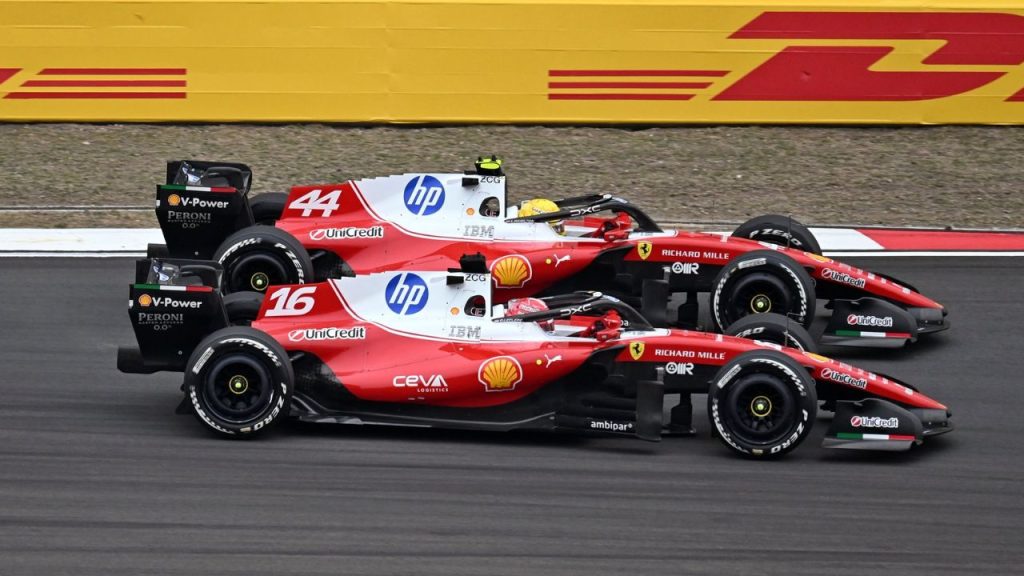
Ferrari went public. That forces a response. The FIA either clarifies the wording further, resists further change, or pursues new adjustments, and any outcome reshapes the paddock. Other teams now lobby for or against the same interpretation, turning a bilateral dispute into a coalition fight. Drivers who rely on aggressive first‑lap positioning face the sharpest consequences. A precedent on starts can spill into restarts and safety‑car procedures. One domino tips, and suddenly the entire enforcement architecture around race beginnings is open for renegotiation.
New precedent
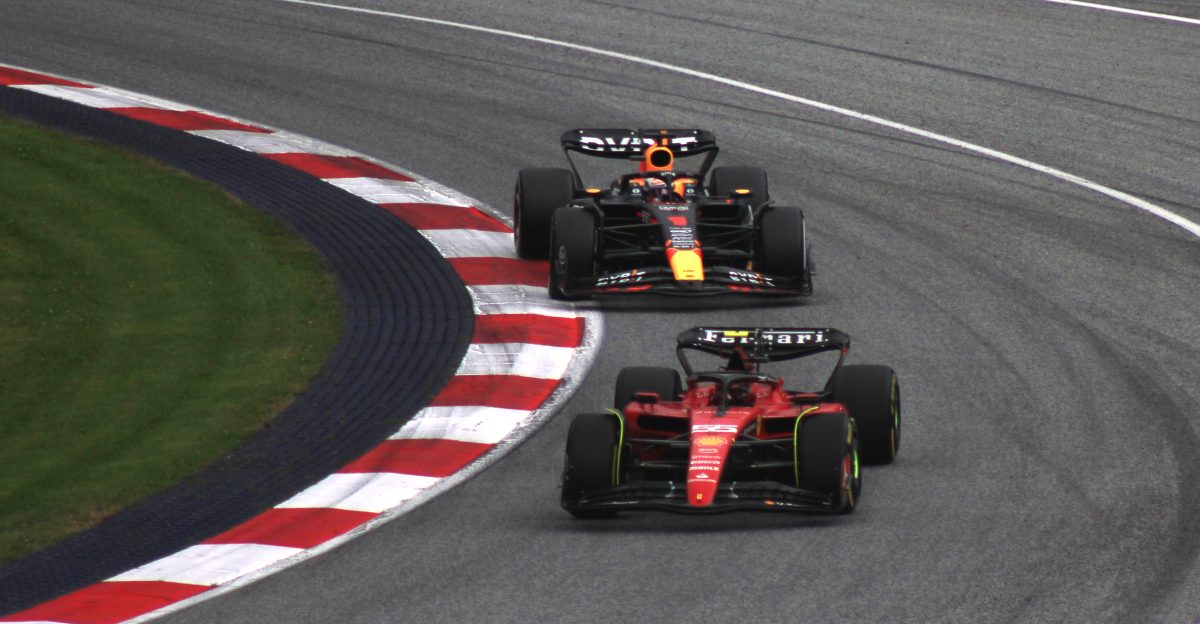
The deeper fear is normalization. If mid‑season procedural or operational tweaks become routine, every team operates under a rulebook that can shift beneath them at any point. That is not a complaint about one regulation. That is a structural objection to how the sport governs itself. Once you see it, you cannot unsee it: governance is performance. The team that reads the regulatory pipeline best gains an advantage no engineer can replicate. Ferrari is not just fighting a start rule. Ferrari is fighting for the principle that the season’s rules stay the season’s rules as far as possible.
Escalation path
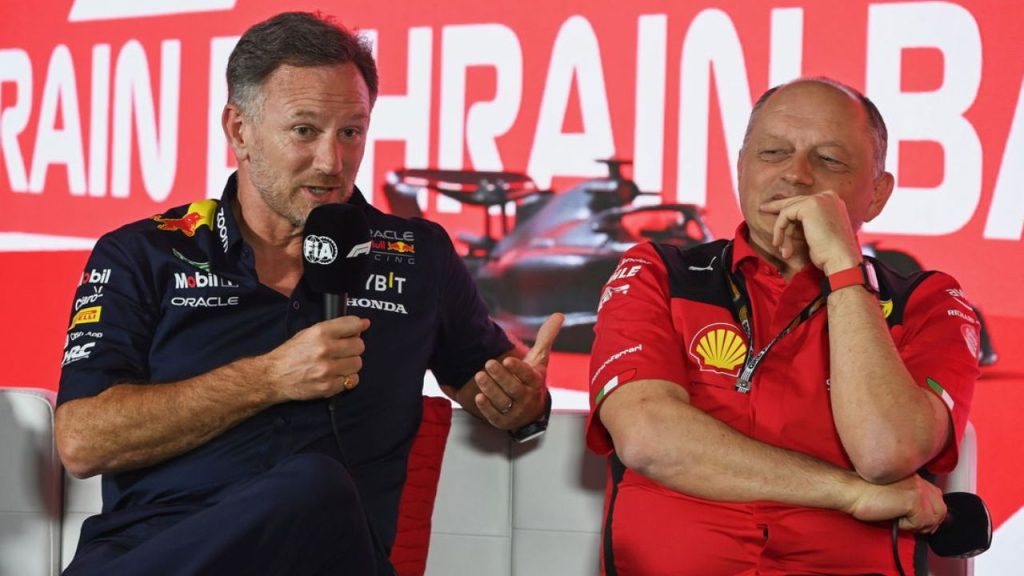
Public statements feed formal proposals. Formal proposals shift emphasis in how rules are interpreted, enforced, or rewritten. That is the governance pipeline Ferrari just activated by going loud. The counter‑moves are already forming: teams will adapt start practice, recalibrate clutch maps, and adjust risk tolerance to whatever enforcement and technical regime solidifies. But adaptation is reactive, not proactive. The teams that anticipated the shift gain weeks of preparation. The teams that didn’t lose ground they cannot easily recover at this pace. The calendar waits for nobody.
System readers
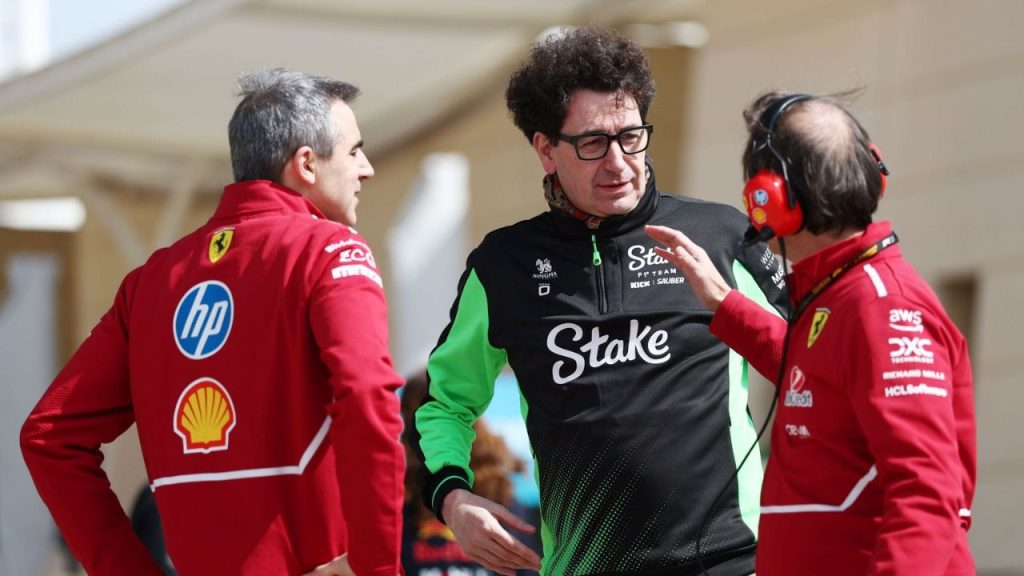
Here is what most people watching the next Grand Prix will not understand: the race was partially decided before the lights went out. Decided in meeting rooms, in regulatory language, in the gap between “clarification” and “change.” Ferrari just told the entire sport it sees the mechanism, including how sporting and technical tweaks intersect. Whether the FIA blinks or doubles down, the precedent is set. Procedure is performance. The fans who grasp that will watch every start differently, seeing not just speed but the invisible rules shaping who gets to use it.
Sources:
“Ferrari say ‘enough is enough’ over F1 race start rule changes as Frederic Vasseur defends team’s stance.” Sky Sports, 17 Mar 2026.
“F1 2026 new race start procedure explained.” News.GP, 3 Mar 2026.
“F1 confirms cancellation of Bahrain and Saudi Arabian Grands Prix due to war in Middle East as 2026 calendar reduced to 22 races.” Sky Sports, 13–14 Mar 2026.
“Ferrari responds to rivals’ ‘selfish’ jabs over F1 start rule changes.” Crash.net, 18 Mar 2026.