Feds Call Parts Giant A ‘Ponzi Scheme’ As $9B Fraud Wipes Out 3,500 American Auto Jobs
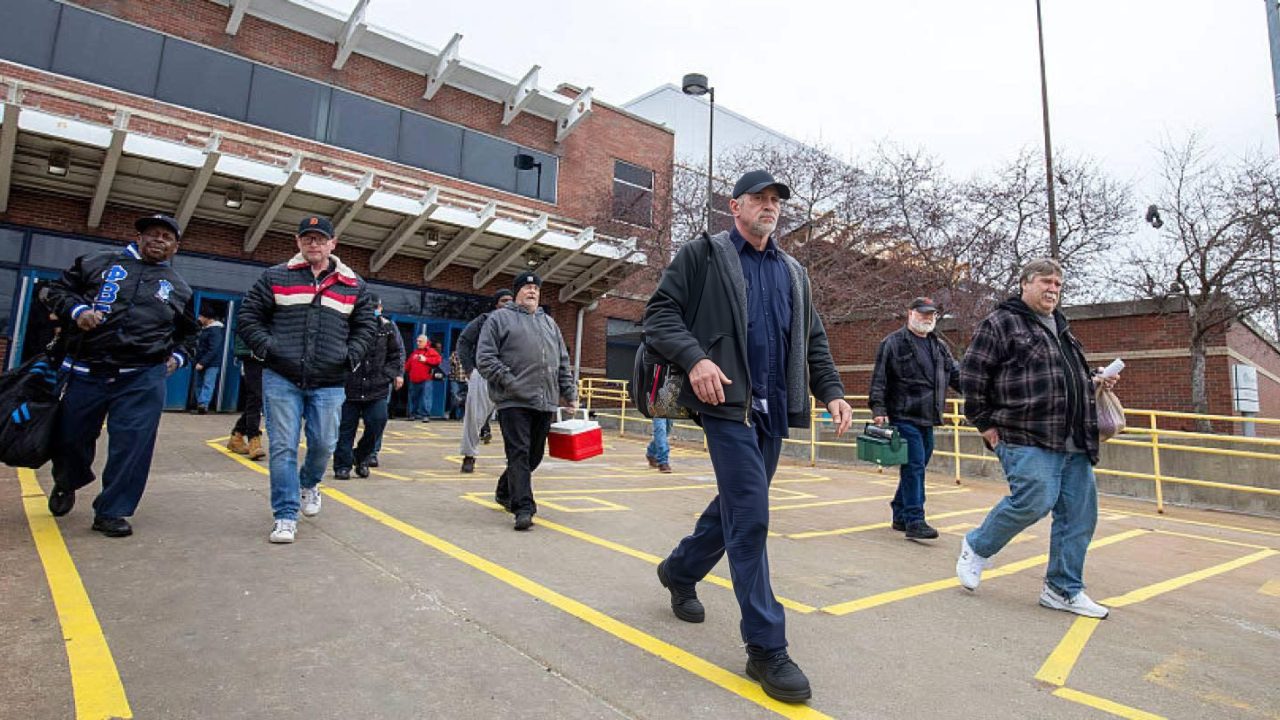
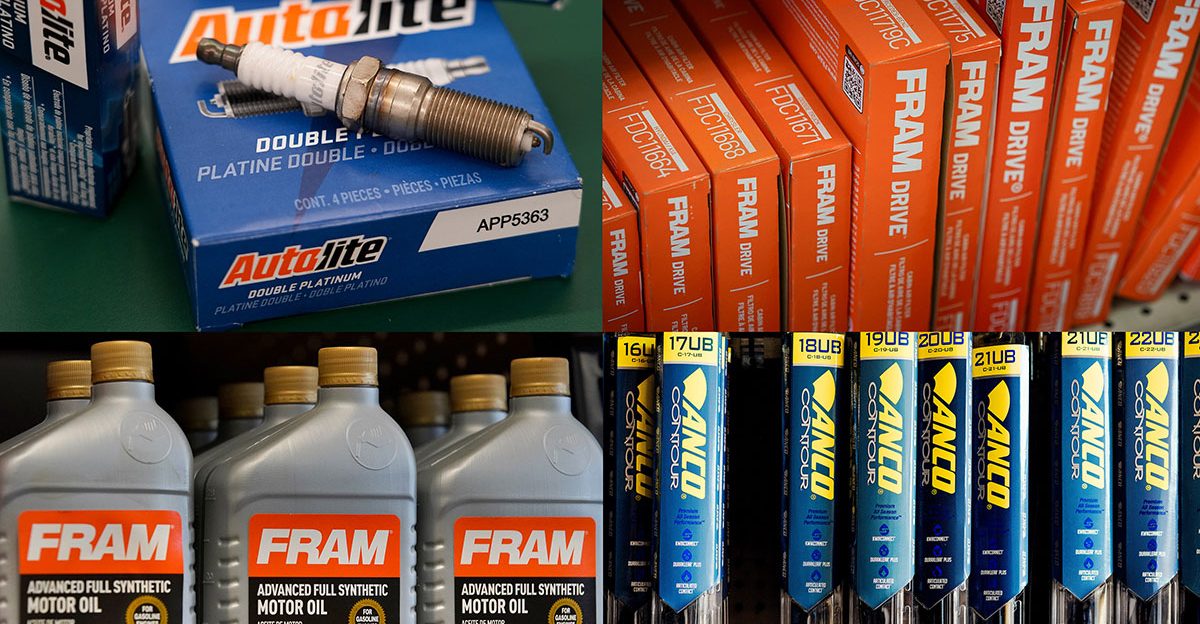
First Brands Group generated $5 billion annually selling Fram oil filters, Raybestos brakes, Trico wipers, and over 20 other brands Americans relied on. On January 29, 2026, federal prosecutors labeled the company a Ponzi scheme. Bankruptcy filings revealed $9 billion in liabilities and $12 million in cash, a 99.87% debt ratio. About 3,500 employees across more than 30 facilities lost their jobs. Products were real, but the financial structure was a fabrication. Investigators called it one of the largest corporate deceptions in U.S. auto parts history. The unraveling would soon reveal hidden financial tricks.
Fake Loans and Receivables
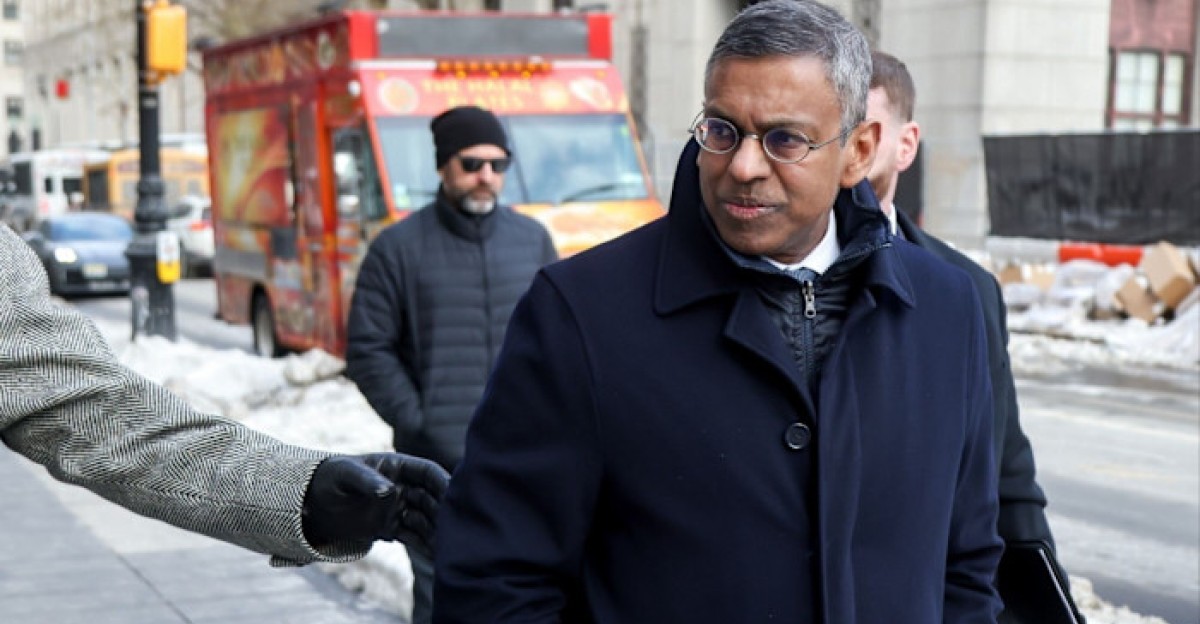
The fraud began around 2018, according to reports. Founder Patrick James and executives created fake invoices, inflated legitimate ones, and pledged identical collateral to multiple lenders. New loans repaid old obligations, sustaining the cycle. In summer 2025, investment bank Jefferies paused a $6.2 billion refinancing for a quality-of-earnings review. Auditors discovered $2.3 billion in unaccounted receivables. The refinancing collapsed within weeks. Bankruptcy followed on September 28, 2025. Seven years of financial engineering unraveled in a single audit. The effects reached employees who depended on steady paychecks and the wider U.S. auto supply chain.
Workers Face Immediate Hardship
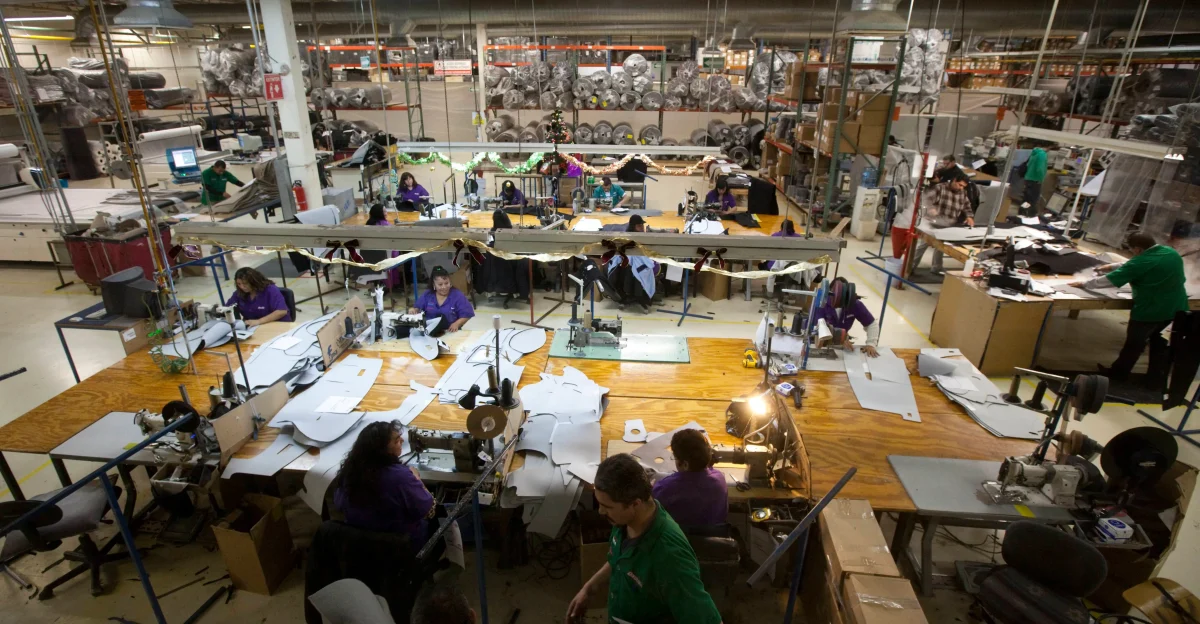
In Brownsville, Texas, 571 employees across three plants received layoff notices on March 4, 2026, effective April 30. Federal WARN Act requires 60 days’ notice; workers received 57. A class-action law firm opened an investigation. These roles in Cameron County were critical for the local economy. Employees discovered paychecks had been funded by phantom receivables. Families faced immediate financial strain. The collapse exposed the human cost of corporate fraud. The impact on employees highlighted vulnerabilities in a supply chain that major automakers relied upon, forcing urgent attention from both courts and industry.
Detroit Makes Emergency Moves

Ford and GM depended heavily on First Brands for parts. Both companies issued emergency advance payments to maintain production during the bankruptcy. Ford’s attorney said, “Every day that these operations are not put into the hands of a more stable operator, there is a risk of production.” Chapter 7 liquidation is under consideration for some units, which would halt production entirely. The scramble exposed the fragility of U.S. assembly lines when a single supplier fails. Courts and executives faced difficult decisions as automakers attempted to sustain operations while bankruptcy proceedings continued.
Off-Balance-Sheet Liabilities
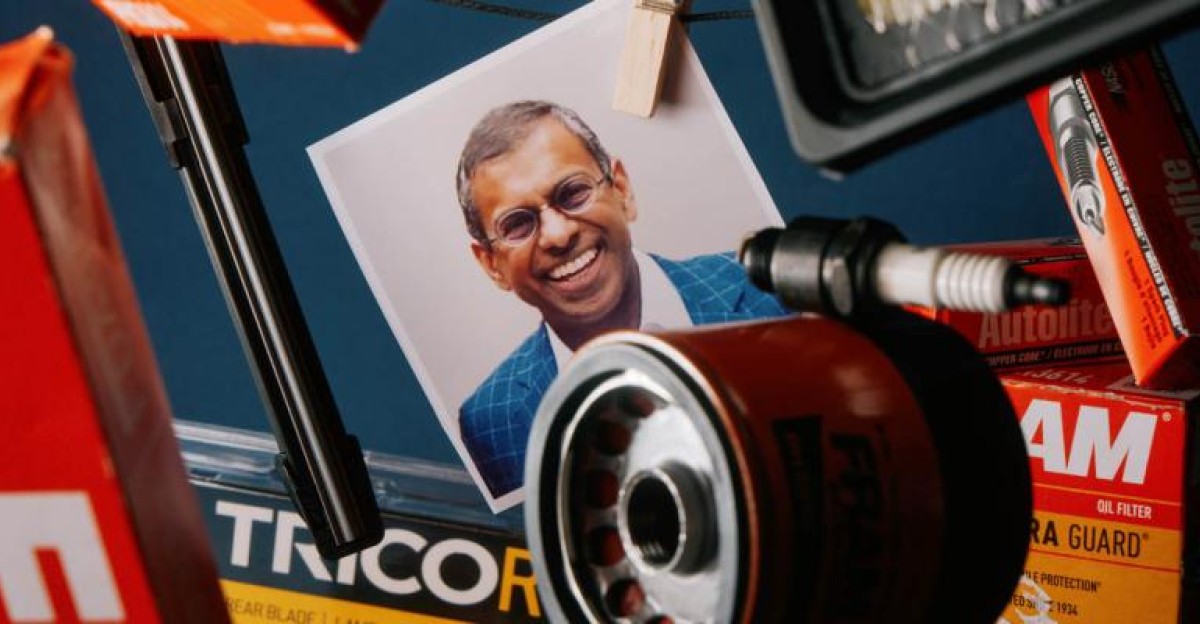
First Brands reported $5.5 billion in term loans. Off-balance-sheet debt reached $5.1 billion: $2.4 billion in SPVs, $2.3 billion in third-party factoring, and $800 million in supply-chain finance. Lenders held overlapping first-priority claims on the same inventory, equipment, and receivables, unaware of the duplication. Multiple banks were deceived. One company maintained two balance sheets with conflicting claims. The audit exposed the scale of deception. This financial entanglement would determine which lenders and employees suffered the most. The following slides show how the system of phantom receivables connected factories, banks, and assembly lines across the nation.
Phantom Receivables Connect Operations
Off-balance-sheet financing was intended to be bankruptcy remote. Executives allegedly exploited this assumption by creating fake invoices and pledging the same receivables multiple times. Cash from new lenders paid previous lenders, repeating the cycle. Factoring, supply-chain finance, and SPVs executed the same scheme under different names. Manufacturing floors in Brownsville, trading desks in New York, and assembly lines in Michigan were linked by invoices that did not reflect actual goods. Every part of the operation depended on fictitious documentation. The exposure revealed how deeply the fraud was embedded across finance and production systems in the U.S.
Two Sets of Financial Records
Former CFO Stephen Graham pleaded guilty on March 2, 2026, to bank fraud, wire fraud, and conspiracy. He agreed to testify against founder Patrick James and Senior Vice President Edward James, indicted on 18 counts in January. Prosecutors revealed bridge files showing two sets of financial statements: one accurate, one manipulated for lenders. Graham confirmed statements sent to lenders contained false information. This was deliberate deception. His testimony will document internal knowledge of fraudulent practices and show how executives maintained control over both legitimate operations and manipulated reporting for financial gain under federal investigation.
Industry Repercussions
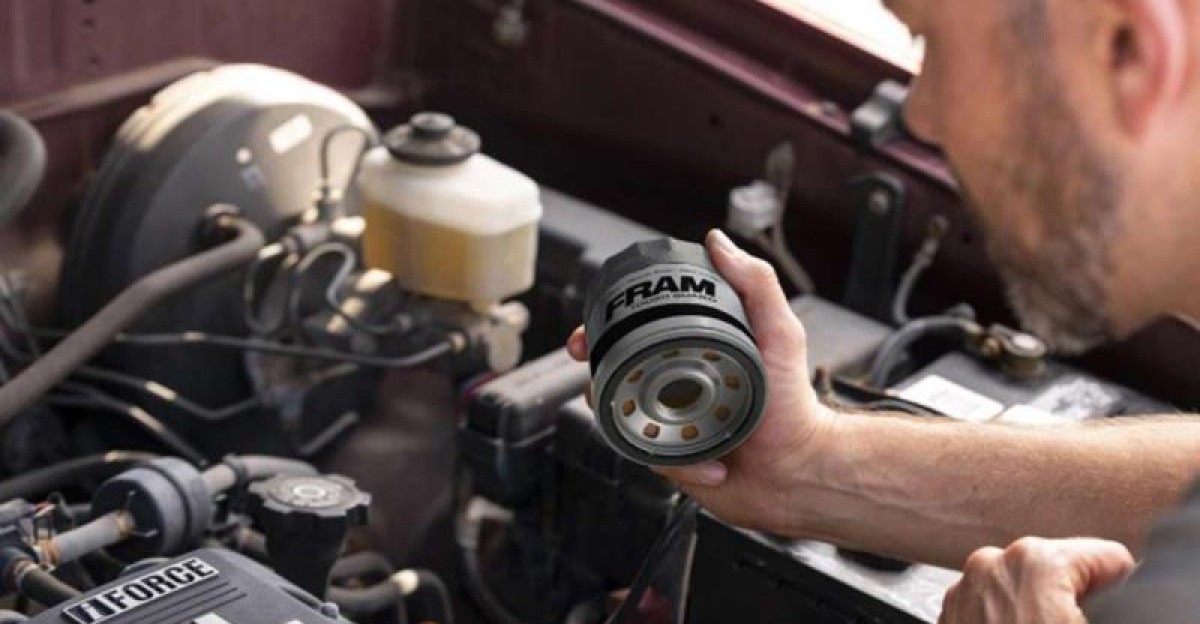
In 2025, 717 U.S. companies declared bankruptcy in eleven months, a 14% increase from 2024 and the highest since 2010. Analysts called First Brands “probably the most impactful.” By mid-February 2026, first-lien debt traded at six cents on the dollar. The collapse is reshaping asset-based lending. Lenders who trusted SPV structures and pledged collateral without independent verification lost billions. The fallout will require tighter covenants, more frequent audits, and higher borrowing costs for mid-market manufacturers. The financial system will adjust to prevent repeated errors. Lender confidence and corporate oversight are being fundamentally challenged.
Executives Profit, Workers Lose
Executives allegedly withdrew hundreds of millions for personal enrichment. Employees received WARN notices, and lenders recovered six cents on the dollar. Private equity firms are pursuing brands like Fram and Autolite at distressed prices. Consolidation may reduce competition in the aftermarket parts sector, raising prices for brakes, filters, and wipers. Employees lost jobs, while investors could profit. The case highlights the unequal consequences of corporate fraud. It also demonstrates how corporate failures affect labor and consumers. The ongoing resolution of these assets will continue to shape the U.S. auto parts industry in 2026 and beyond.
Trial and Fallout Continue
The criminal trial starts July 13, 2026. Graham and another cooperating executive will testify. Creditors continue disputes over ownership of collateral. Ford and GM are accelerating supply-chain diversification to avoid dependence on a single supplier. Leveraged rollups in manufacturing now face stricter scrutiny from lenders. One founder, 24 acquisitions, $9 billion in liabilities, $12 million in cash. The cascade began with fake invoices in 2018. Legal, financial, and operational consequences are still unfolding, and the industry is closely watching how the case will resolve over the coming months.+
Sources:
First Brands Executives Charged With Multibillion-Dollar Fraud. U.S. Department of Justice, January 28, 2026
First Brands Founder Indicted for Fraud After Bankruptcy. Reuters, January 29, 2026
First Brands Ex-CFO Pleads Guilty, Turns on James Brothers. Bloomberg, March 5, 2026
Auto Parts Maker First Brands Expands Layoffs Across U.S. TheStreet, March 6, 2026
More Than 700 US Companies Went Bankrupt in 2025 — A 14% Jump From Last Year. New York Post, December 29, 2025