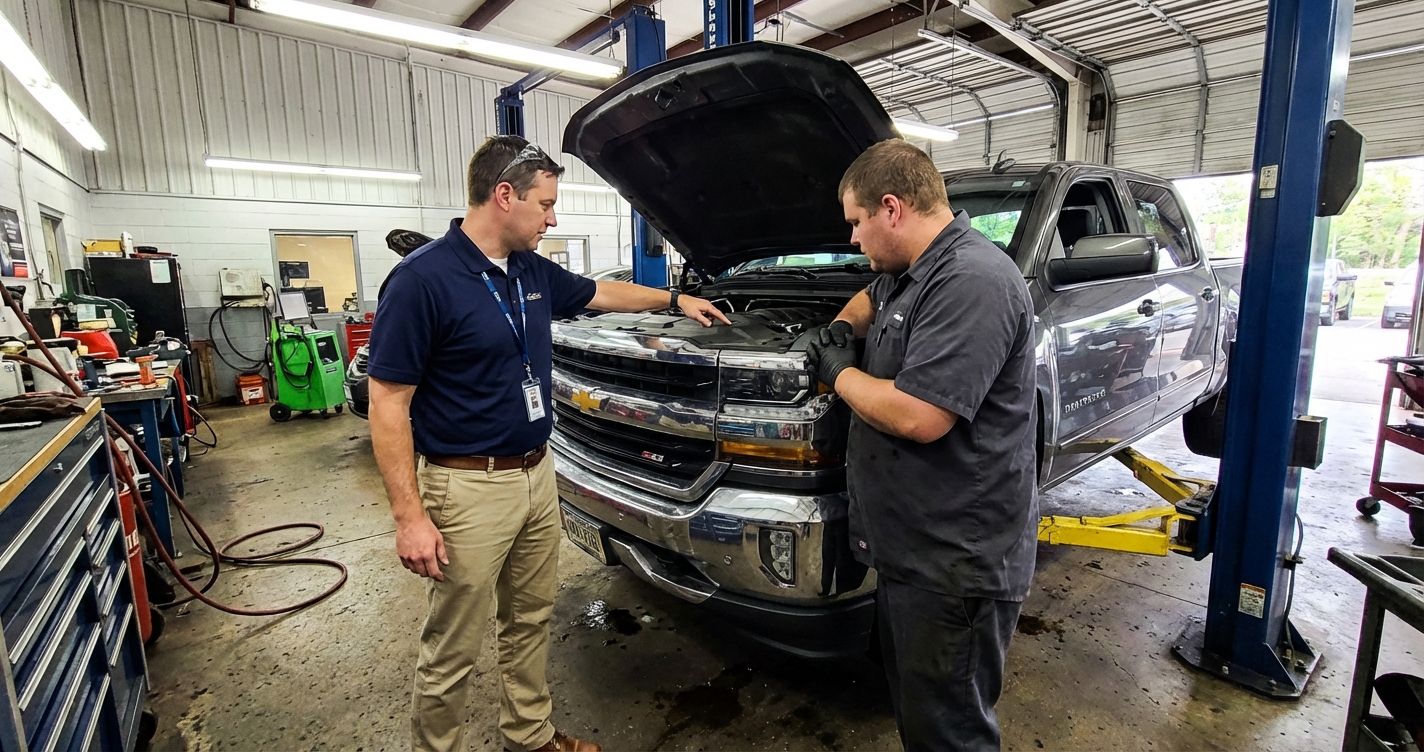
Federal Investigators Turn Up Scrutiny On GM After Its Own 6.2L V8 Engine Fix Didn’t Work
Picture the scenario: a full-size truck, 6.2-liter V8 under the hood, highway speed, and the engine stumbles. Power drops. The tach needle moves unexpectedly. Thousands of GM truck owners in NHTSA’s complaint files describe that same feeling: sudden loss of power, strange noises, and engines that never came back.
The next part follows a familiar script: the dealer visit, the service bulletin, the assurance that a software update or part swap will handle it. GM calls it a fix. For many owners, the shudder returns months later. Disappointment follows.
Recall Remedy Announced
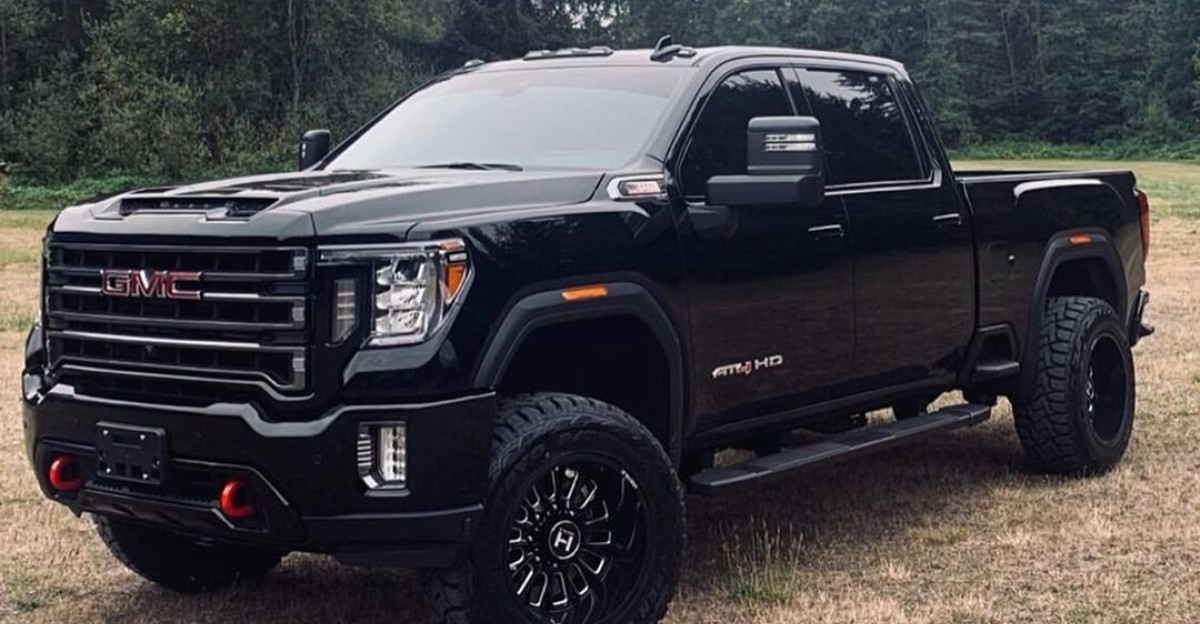
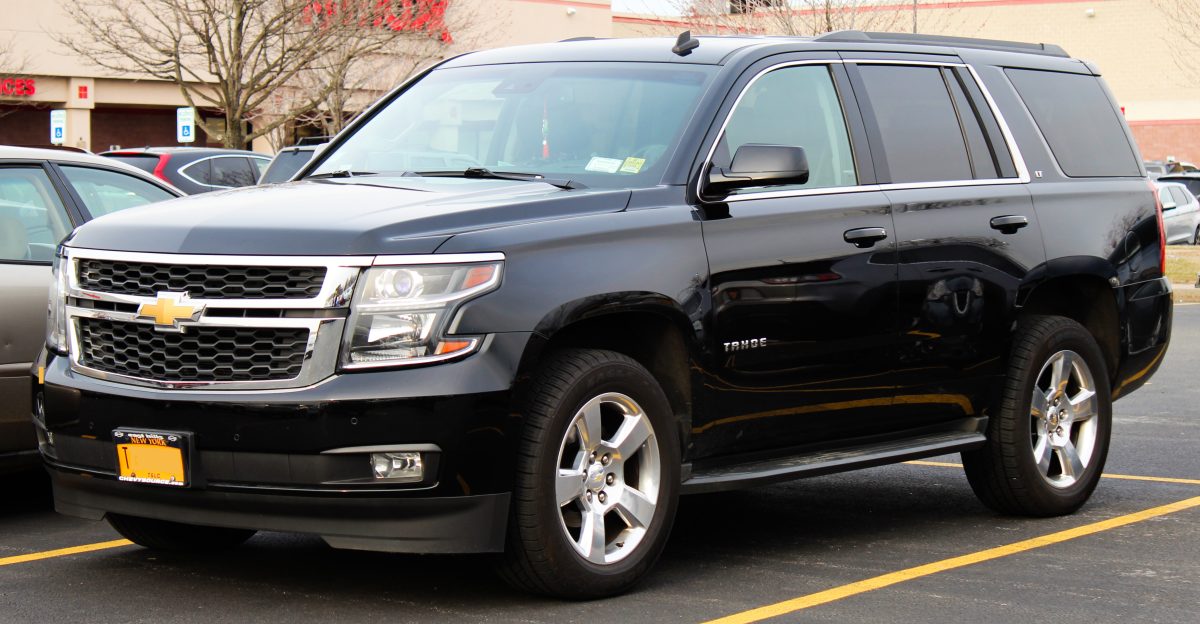
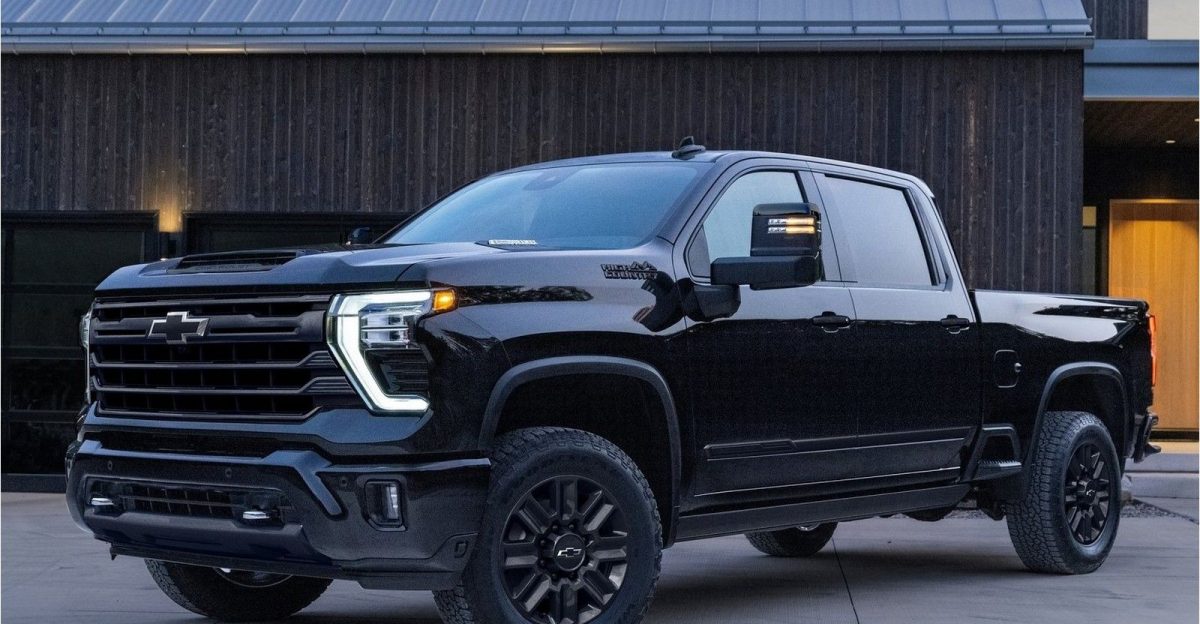
The 6.2L V8 is the power source for many of GM’s most popular trucks and SUVs. Owners pay extra for this engine, expecting durability and strong performance. When problems surfaced, GM responded first with dealer-level guidance, then announced a full safety recall.
Recall 25V-274 covered nearly 600,000 vehicles in the U.S.: Silverados, Sierras, and SUV siblings like Tahoe and Escalade, all built between March 2021 and May 2024. The official fix required dealers to inspect the engine, replace it if damaged, or switch to a heavier 0W-40 oil with a new cap and filter if no damage was found. This was GM’s prescribed remedy, documented in NHTSA’s recall paperwork and dealer bulletins.
Problems Persist After Recall
Most truck owners assume a dealer fix solves the problem. That assumption benefits the manufacturer. A technical service bulletin is a doctor’s note. A recall is mandatory surgery scheduling. One suggests. The other compels. GM’s 6.2L V8 remedy fell into the formal recall category, but the underlying issue persisted.
Owners began filing complaints through NHTSA’s public portal. Each complaint is a data point. Enough data points, and the pattern becomes impossible for regulators to ignore. This process led to Preliminary Evaluation PE25-001.
Failures Continue Post-Repair
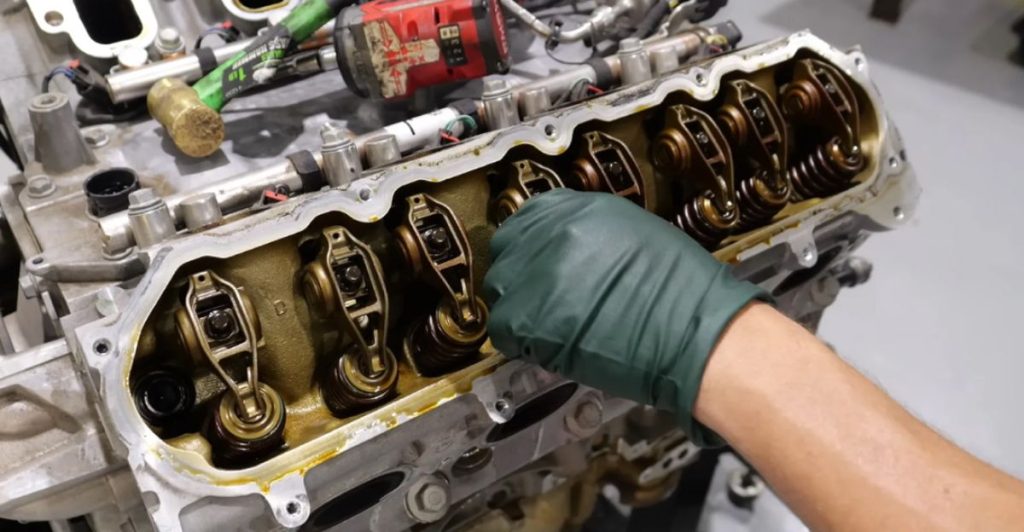
The recall fix did not close the story. NHTSA records show over a thousand reports of L87 bearing failure, including cases outside the recall group. Complaints continued after GM announced its fix. ODI opened Preliminary Evaluation PE25-001, then escalated to Engineering Analysis EA25-007 to examine failures in trucks beyond the recall’s boundaries.
By early 2026, a formal Recall Query, RQ26-001, began after many owners reported engine failures even after recall repairs. In NHTSA terms, a crackdown is a step-by-step escalation: PE to EA to recall to recall query, each backed by federal law and civil penalty authority. GM’s fix left many owners with a false sense of security, while the risk remained and the stakes increased.
How the NHTSA System Works
The enforcement system most owners never see runs on documentation. Complaints filed in NHTSA’s Vehicle Owner’s Questionnaire feed ODI’s pattern recognition. Manufacturer communications and Part 573 reports reveal what the automaker knew and when. The Federal Register publishes formal notices. NHTSA’s VIN-based recall lookup confirms final actions.
Four separate public tools, all searchable: complaints, manufacturer communications, the recall/Part 573 database, and the Federal Register. The crackdown shows up in these systems before it ever shows up in a headline: PE25-001, EA25-007, 25V-274, RQ26-001. That’s the hidden mechanism: by the time cable news covers a recall, the paper trail has been building for months in portals anyone can access.
Manufacturer Fix vs. Federal Remedy
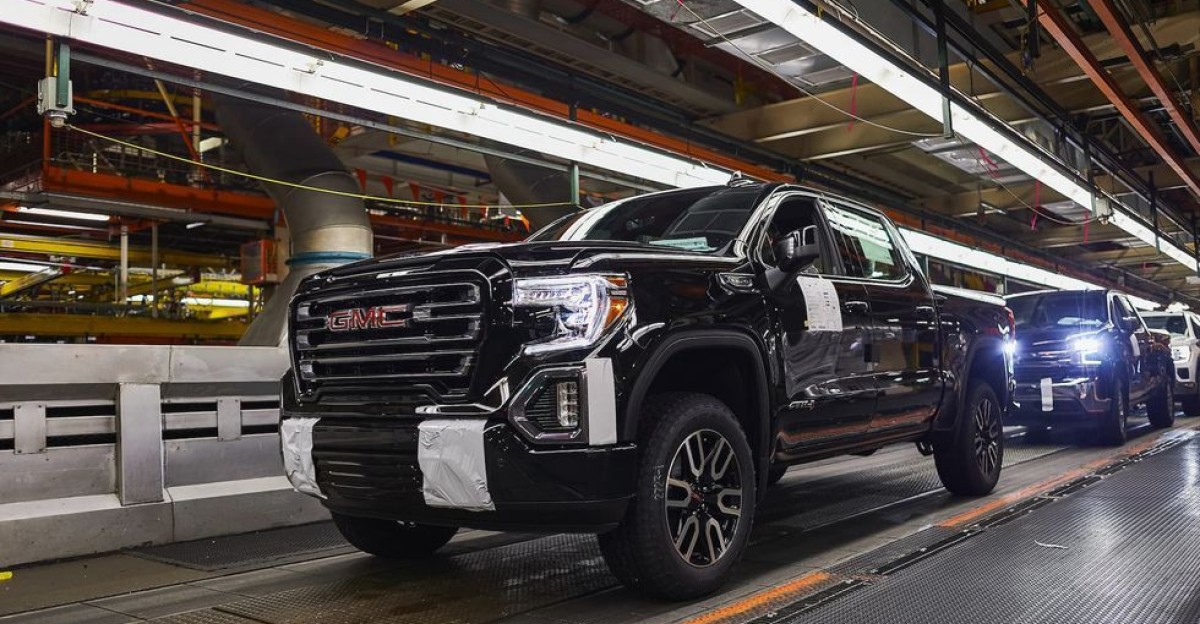
The contrast is brutal. A manufacturer communication carries the weight of a suggestion. A safety recall carries the weight of 49 U.S.C. Chapter 301, the federal statute that gives NHTSA authority to compel remedies for safety-related defects. One world lets GM control the scope, the timeline, and the fix. The other world lets federal investigators test whether a remedy like 25V-274 is “adequate” and push for changes if post-repair failures keep showing up in the data.
For 6.2L V8 owners stuck between those worlds, the practical difference is whether they’re driving a truck with a known unresolved safety concern or one with a federally mandated remedy that regulators have stopped questioning.
Wider Impact of Recall Failuret of Recall Failure

When a fix fails to solve the problem, the damage spreads beyond a single engine. Owners face downtime and uncertainty about whether the recall visit actually solved anything. Dealers navigate manufacturer guidance, recall procedures, and growing federal scrutiny regarding real-world results.
The broader industry pays attention, since many automakers manage defect exposure with service communications and limited-scope recalls. If ODI’s Engineering Analysis and Recall Query require a broader or revised remedy for the 6.2L V8, it sets a precedent: informal fixes or narrow recalls that fail to deliver will draw federal attention manufacturers want to avoid.
Federal Oversight Expands
This case follows the standard federal playbook. NHTSA typically handles major auto problems in a set progression: complaints accumulate, ODI reviews the pattern, and investigations advance from one stage to another. If a recall does not end the failures, a recall query like RQ26-001 follows.
Federal regulators have the authority to overrule incomplete fixes and revisit recalls that do not hold up in the data. The story begins not with headlines, but with a complaint number in a public database. The paperwork grows long before any news coverage.
Regulatory Action Ahead

The process continues. If complaints increase, ODI can require GM to expand the recall, improve its remedy, or take further action. Owners who relied on recall 25V-274 and still lost an engine face renewed frustration.
Regulatory reports avoid dramatic language, but the investigations treat GM’s recall fix as an unresolved safety issue. Each new complaint reduces GM’s options: issue updated guidance, expand the recall, or attempt to resolve the issue before a regulator does. The government has the authority. The remaining question is timing.
What Owners Can Do Now
Every tool in this process is public. NHTSA’s complaint system, manufacturer communications search, recall lookup, and the Federal Register are all free and searchable by vehicle. In this case, PE25-001, EA25-007, 25V-274, and RQ26-001 appear in black and white.
Owners who review these databases before accepting a dealer’s “all clear” can anticipate enforcement before it arrives. 6.2L V8 owners hold the same paper trail as federal investigators. Use of this information can influence what happens next.
Sources:
NHTSA ODI, INOA-EA25007-23191 “Engineering Analysis EA25-007 – Loss of motive power due to engine failure in GM L87 6.2L engines,” 2025-10-28
NHTSA, RCRIT-25V274-5347 “Safety Recall N252494002 / NHTSA Recall 25V-274 – L87 Engine Loss of Propulsion,” 2025-04-24
NHTSA ODI, INOA-PE25001-10002 “Preliminary Evaluation PE25-001 – L87 6.2L V8 engine failures in GM full-size trucks and SUVs,” 2025-01-15
NHTSA, ODI Resume PE25001 Closed “ODI Resume – Closure of PE25-001 and upgrade to Engineering Analysis EA25-007,” 2025-10-22
U.S. Government Publishing Office, 49 USC Chapter 301 “Motor Vehicle Safety – 49 U.S.C. Chapter 301 statutory text,” 2019-07-05 edition
NHTSA, “Risk-Based Processes for Safety Defect Analysis and Management of Recalls,” 2016-06-01