Fake Truckers Buy Stolen Government IDs On Black Market – American Highways In Danger
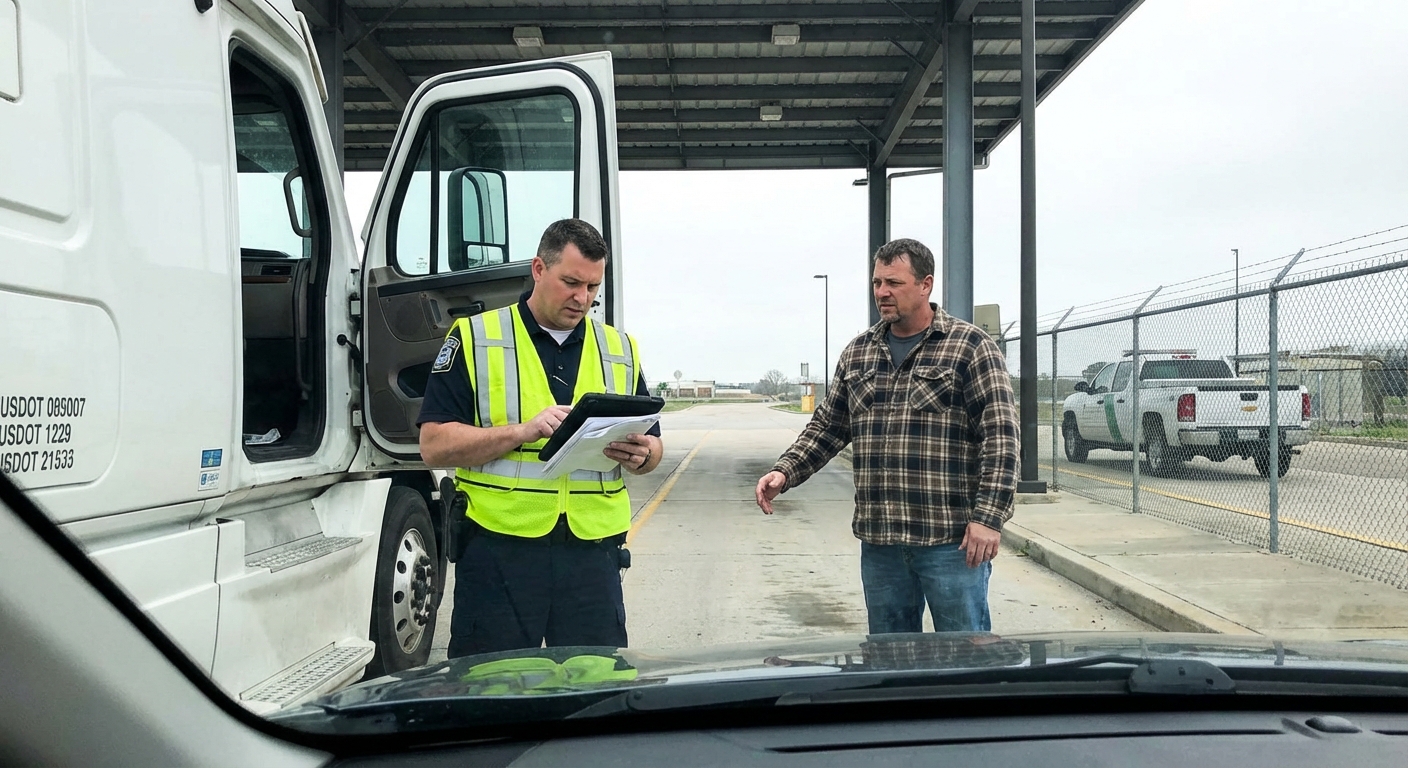
Picture this: a truck rolls up to a loading dock. The driver’s got paperwork. The carrier name matches what’s in the federal database. The insurance certificate looks legit. But the MC number on that rig? It belongs to a completely different company—maybe one that’s retired, maybe still hauling loads three states away, totally unaware their credentials are being used like a disguise. Freight moves fast. Checking who’s actually behind the wheel? That part hasn’t kept up.
The Two Numbers That Run Everything

Any carrier that crosses state lines needs a USDOT number for safety tracking and an MC number for operating authority, both issued by the FMCSA. Brokers and shippers lean on these numbers the way you’d lean on a driver’s license and a credit check. Insurance paperwork ties directly to the operating authority. Safety scores come from inspections and crash reports linked to the USDOT number. The whole setup assumes the company holding those numbers actually earned them. That assumption has become a product sold on the black market.
A Transparency Tool That Backfired

FMCSA built a public lookup tool called SAFER so anyone could verify a carrier’s authority and status. The idea was simple: if everyone can see the data, nobody gets fooled. Didn’t work out that way. FreightWaves uncovered an underground market where MC numbers get bought and sold, and regulators have been playing catch-up ever since. The credential that was supposed to prove you’re legitimate became the thing being traded. Imagine using a stolen contractor license to win jobs you’re nowhere near qualified for—except these “jobs” involve 80,000-pound trucks on public highways, and nobody’s catching it at the gate.
One Fake Number Breaks the Whole Chain
This fraud goes straight at the foundation that brokers build their trust on. Authority. Insurance filings. Safety scores. Pull out that first piece, and everything stacked on top of it is just decoration. Here’s how it plays out: a phantom carrier grabs a stolen MC number, clears the broker’s screening, and gets assigned a load. The truck that actually shows up isn’t the one anyone hired. One credential. One handoff. The entire verification process just became meaningless. The government-issued ID that’s supposed to keep highways safe turned into contraband.
Why Speed Makes It Worse

Time pressure is the real accomplice here. Brokers often pick who gets a load in a matter of minutes. That urgency turns identity shortcuts into money. A stolen MC number doesn’t have to hold up under a microscope—it just has to survive a quick glance. And in a dispatch world built on speed, a quick glance is all most loads ever get. The fraud exploits the gap between how quickly freight must move and how long proper identity checks actually take. Once you notice that gap, you can’t stop seeing it.
Safety Data That Lies

FMCSA’s Safety Measurement System scores carriers based on inspections, crashes, and investigations. Good system in theory, but it falls apart when the identity feeding it is fake. If a phantom operator hauls loads under a stolen MC number, all the safety data lands on the wrong company’s record. The real carrier’s history gets trashed. The fraud operator’s record stays spotless—or doesn’t exist at all. Insurance compliance tied to operating authority gets hollowed out the same way. The numbers designed to protect shippers have just become background noise.
Honest Carriers Pay the Price

Legitimate operators get hit from both sides. They’re competing against identity-swapped outfits that undercut rates because they don’t carry any compliance costs. Then, after brokers get burned, vetting requirements tighten for everybody. Onboarding drags. Transaction costs climb. Those added expenses get baked into freight brokerage and carrier selection across the board. Small carriers without a compliance department shoulder the heaviest load. The fraud tax lands hardest on the people who were already doing things right.
Federal Watchdogs Have Noticed

The GAO formally flagged FMCSA’s registration and oversight controls as vulnerable to fraud and recommended fixes. That changes the conversation entirely. This isn’t a handful of scammers exploiting a loophole—registration integrity is now a frontline enforcement issue, not a filing cabinet problem. The pattern is persistent enough that federal investigators keep circling back to it. The old belief that an MC number equals a trustworthy carrier is finished. Real trust now demands multiple signals: authority, insurance verification, and safety data, all checked together and checked often.
The Arms Race Isn’t Slowing Down

Regulators and industry groups are pushing back with shared blacklists, tighter links between authority and insurance records, and stronger identity-proofing requirements. But the fraud evolves. The next wave points toward synthetic identities and document laundering—far more sophisticated than recycling someone else’s MC number. Every new verification layer creates a new surface to counterfeit. And the carriers who haven’t been targeted yet? They’re the small operators who’ll bear the heaviest burden when the next round of regulations drops. There’s no obvious finish line in this race.
Stop Treating an MC Number Like a Trust Badge

Most people in freight still check one number and call it good. After reading this, that should feel like locking your front door while the back wall is wide open. The line between someone who actually understands freight risk and someone who just shops rates comes down to this: authority alone proves nothing. Authority, active insurance filings, and current safety data—checked together—are the bare minimum. Anyone still treating an MC number as proof of legitimacy is playing exactly the game that fraudsters built for them.
Sources:
FreightWaves, “Stolen Identities: Black Market for MC Numbers,” March 15, 2026
FMCSA (U.S. DOT), SAFER Web Company Snapshot, ongoing public database
U.S. Government Accountability Office (GAO), referenced via DOT OIG “DOT Should Enhance Its Fraud Risk Assessment Processes,” June 2023
Transportation Intermediaries Association (TIA), “New TIA Report Takes a Deep Dive Into Ways of Combating Freight Fraud,” September 2024
FMCSA, “Bulletin Warning Carriers Not to Buy or Sell Operating Authority,” March 13, 2026
FMCSA Safety Measurement System (SMS), ongoing public safety data tool